
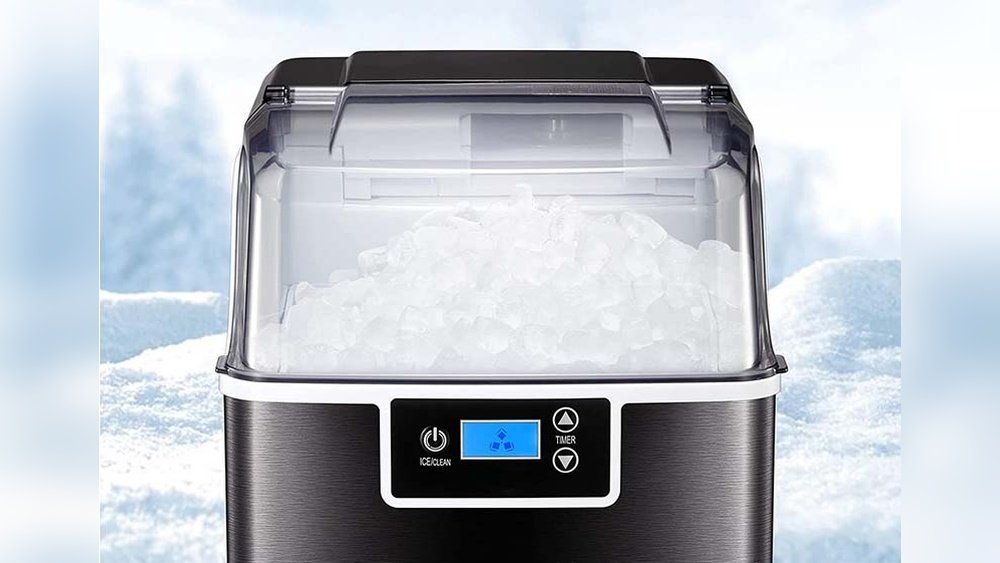
Have you ever wondered if your ice maker can keep up when the temperature soars? When the heat is on, you need cold, refreshing ice more than ever.
But does the hot weather affect how well your ice maker works? If you’ve noticed your ice machine slowing down or not making ice like it used to, you’re not alone. You’ll discover the surprising truth about ice makers in hot weather—and learn simple tips to keep your ice flowing no matter how high the mercury climbs.
Keep reading to make sure your drinks never lose their chill.

How Ice Makers Function
Ice makers produce ice by freezing water in a controlled process. They use a built-in cooling system to lower the temperature inside the machine. This process turns water into ice cubes efficiently and quickly. Understanding how ice makers work helps to know their limits and performance in different environments.
Basic Mechanism
Ice makers start by filling a tray with water. The tray sits on a cold surface cooled by a refrigeration system. This system uses a compressor and coolant to remove heat. The cold surface freezes the water into ice cubes. Once frozen, the machine ejects the cubes into a storage bin. The process repeats automatically to keep ice ready.
Temperature Requirements
Ice makers need a cool environment to work well. Most models operate best between 50°F and 90°F (10°C to 32°C). High temperatures can cause the machine to overheat. Overheating slows down ice production or stops it. Proper ventilation helps maintain the right temperature inside the ice maker. This ensures steady ice making even on warm days.
Impact Of Hot Weather On Ice Makers
Hot weather can affect how well ice makers work. High temperatures put extra strain on these machines. They need to work harder to cool water and make ice. This can lead to slower ice production and less ice overall.
Ice makers rely on cold environments to freeze water quickly. When it is hot outside, the machine’s cooling system faces more challenges. This can reduce efficiency and cause common problems.
Performance Challenges
Hot weather forces ice makers to use more energy. The compressor and cooling parts run longer to fight the heat. This causes wear and tear on the machine. Ice may take longer to form or be smaller. Sometimes, the machine stops working until it cools down.
Common Issues In Heat
Heat can cause ice to melt faster inside the maker. Water lines may clog or freeze unevenly. Machines might leak water or make strange noises. The ice quality can drop, becoming cloudy or soft. Regular cleaning and maintenance help reduce these problems.
Choosing The Right Ice Maker For Warm Climates
Hot weather makes ice a must-have in any home or office. Picking an ice maker that works well in warm places is key. The right machine keeps ice ready even when the temperature climbs.
Not all ice makers handle heat the same way. Some models are better for warm climates. Knowing the differences helps you choose the best one.
Portable Vs. Built-in Models
Portable ice makers are small and easy to move. They work well in different spots and do not need installation. These are great for quick ice needs in warm weather.
Built-in ice makers are fixed in one place, often inside refrigerators. They have a steady water supply and can make large amounts of ice. These are good for constant use in a warm home.
Portable models cool down faster but may produce less ice. Built-in models handle heat better but need space and setup.
Energy Efficiency Considerations
Warm climates make ice makers work harder. Machines that save energy reduce electricity bills. Look for ice makers with good energy ratings.
Energy-efficient models use less power to make ice. They run cooler and last longer in hot weather. This helps keep your home cooler too.
Choosing an energy-saving ice maker is smart. It protects the environment and saves money over time.
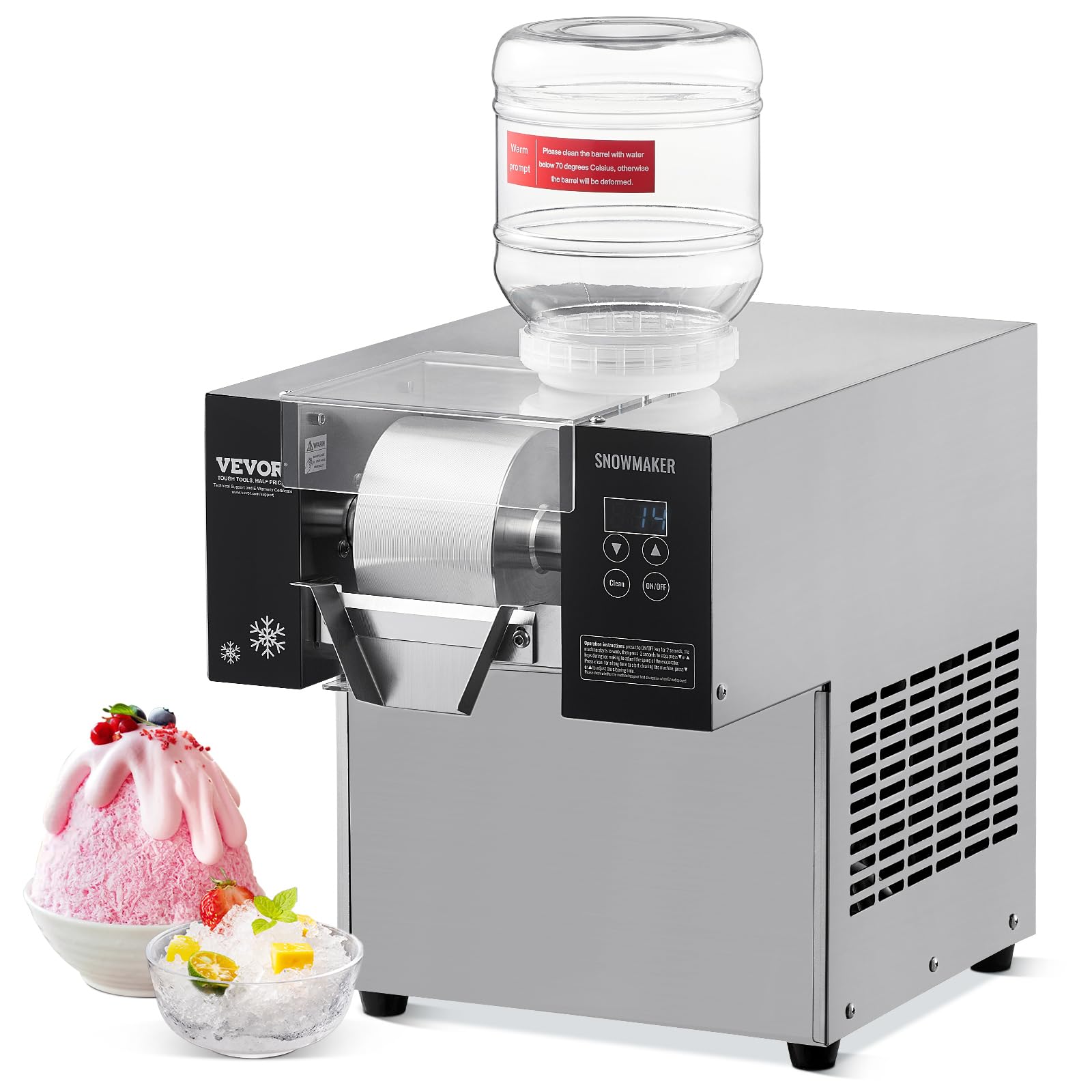
Tips To Optimize Ice Maker Performance In Heat
Hot weather can affect ice maker performance. Heat slows down ice production and raises energy use. Simple tips help your ice maker work better and faster. Follow these easy steps to keep ice flowing during warm days.
Placement And Ventilation
Place the ice maker in a cool, shaded spot. Avoid direct sunlight and heat sources nearby. Good airflow around the machine helps it stay cool. Leave space around the ice maker for air to move freely. Proper ventilation stops overheating and keeps ice making fast.
Maintenance Practices
Clean your ice maker regularly to keep it running well. Remove dust and debris from vents and coils. Check water filters and replace them as needed. Clean the ice bin often to avoid mold and bad smells. Regular care prevents breakdowns and improves ice quality.
Alternatives To Traditional Ice Makers
Traditional ice makers may struggle in hot weather. They can take longer to make ice or stop working well. Many people want ice fast and easy during warm days. Some simple alternatives work better under heat. These options help you keep ice ready without waiting.
Manual Ice Trays
Manual ice trays are a classic choice. They need no electricity or complex parts. Just fill with water and place in the freezer. Ice forms naturally over a few hours. They work well even if it is hot outside. You can use different tray sizes and shapes. Easy to clean and store too. A low-cost, reliable way to get ice anytime.
Ice Delivery Services
Ice delivery services bring ice right to your door. They often supply large amounts for parties or events. Perfect if you need ice fast without running out. Delivered ice stays cold in insulated bags or boxes. No need to wait or use your freezer space. These services save time and effort on hot days. A convenient option for steady ice supply.
Safety And Hygiene In Hot Weather
Using ice makers in hot weather demands careful attention to safety and hygiene. Warm temperatures can speed up bacteria growth inside the machine. This makes cleaning and maintenance very important. Keeping your ice maker clean helps protect your health and ensures fresh ice.
Preventing Bacteria Growth
Bacteria grow faster in warm and moist places. Ice makers can become a breeding ground if not cleaned often. Always use clean water to make ice. Avoid leaving ice in the machine for too long. Store ice properly to stop contamination. Regularly check the machine for any signs of mold or slime. These steps reduce the risk of harmful bacteria.
Cleaning Frequency
Clean your ice maker more often during hot weather. At least once every two weeks is a good rule. Use a mild detergent and warm water to wash all parts. Sanitize the machine to kill germs. Follow the manufacturer’s instructions for safe cleaning. Frequent cleaning keeps ice fresh and safe to use. It also extends the life of your machine.
Energy Consumption And Cost In Hot Environments
Using an ice maker in hot weather affects energy use and costs. The machine works harder to cool water and make ice when the air is warm. This means it uses more electricity than in cooler places. Understanding how energy consumption changes helps manage bills better.
Electricity Usage Patterns
Ice makers consume more power in hot environments. The compressor runs longer to keep the ice cold. This leads to higher electricity use during summer or in warm rooms. The machine cycles more often, raising energy needs. Monitoring these patterns helps spot high usage times.
Cost-saving Strategies
Place the ice maker in a cool spot to reduce energy use. Avoid direct sunlight or heat sources nearby. Clean the machine regularly to keep it efficient. Use ice only when needed to limit operation time. These steps lower electricity bills and extend the ice maker’s life.
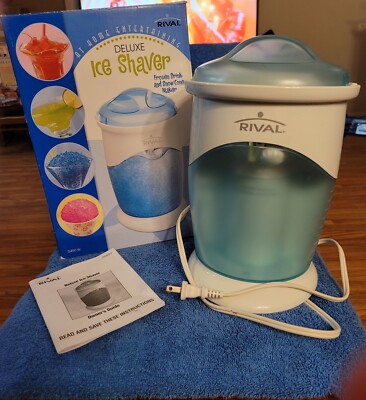
Frequently Asked Questions
Do Ice Makers Work Efficiently In Hot Weather?
Yes, ice makers can work in hot weather but may take longer. High temperatures force the machine to work harder to freeze water. Proper ventilation and maintenance improve their efficiency during hot conditions.
Why Does My Ice Maker Struggle In Warm Environments?
Warm environments raise the appliance’s internal temperature, slowing the freezing process. This causes the ice maker to work overtime and produce smaller or softer ice cubes. Ensuring good airflow helps maintain optimal performance.
How Can I Improve Ice Production In Hot Weather?
Keep your ice maker away from direct sunlight and heat sources. Regularly clean the condenser coils for better cooling. Use cold water and ensure the machine has enough ventilation to enhance ice production in hot weather.
Will Ice Quality Change When Using An Ice Maker In Heat?
Yes, ice quality may decrease in hot weather. Ice cubes might become cloudy, softer, or melt faster due to slower freezing and higher surrounding temperatures. Proper maintenance helps maintain good ice quality.
Conclusion
Ice makers can work well even in hot weather. They need good ventilation and proper care. Keep them away from direct sunlight or heat sources. Clean the machine regularly to keep ice clear and fresh. Some models handle heat better than others.
Choose one that fits your climate and needs. With simple steps, you can enjoy cold ice anytime. Hot days don’t have to stop your ice supply. Easy to use, reliable ice is possible all year round.

