
Craving a delicious cheesecake but worried it might be too complicated? You’re in the right place.
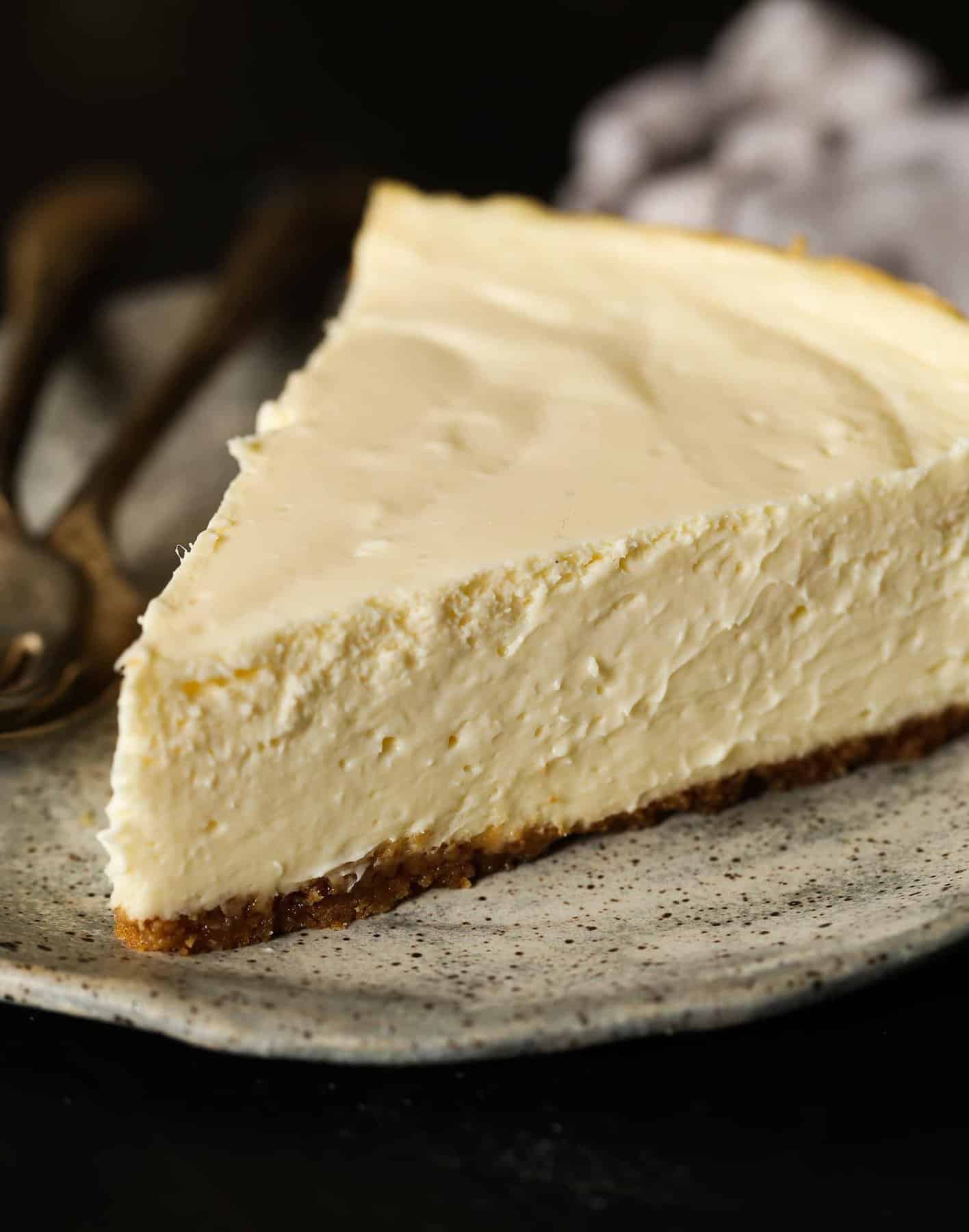
This easy baked cheesecake recipe is made just for you—simple steps, basic ingredients, and a creamy, dreamy result every time. Imagine slicing into a smooth, rich cheesecake that melts in your mouth, all without the stress or long hours in the kitchen.
Keep reading, and you’ll discover how effortless it is to create a dessert that impresses everyone, including yourself. Your perfect cheesecake moment starts here.

Ingredients For Creamy Cheesecake
Creating a creamy cheesecake starts with the right ingredients. The quality and choice of each item affect the final texture and taste. Simple, fresh ingredients make your baked cheesecake smooth and rich. Let’s explore what you need to prepare a delicious cheesecake easily at home.
Choosing The Right Cream Cheese
Cream cheese is the main ingredient in cheesecake. Pick full-fat cream cheese for the best texture. Low-fat versions can make the cheesecake less smooth. Fresh cream cheese without additives gives a clean, rich flavor. Make sure the cream cheese is soft and room temperature. This helps it mix easily with other ingredients.
Essential Baking Supplies
Besides ingredients, some tools are important. A springform pan is ideal for baking cheesecake. It allows easy removal without breaking the cake. Use a hand mixer or stand mixer to blend the cream cheese well. Measuring cups and spoons ensure the right amounts. A spatula helps scrape the batter from the bowl smoothly.
Optional Flavor Additions
Vanilla extract adds a sweet, warm flavor to cheesecake. Lemon zest gives a fresh, tangy note. Some people add a pinch of salt to balance sweetness. For extra richness, sour cream or heavy cream can be mixed in. These flavors enhance the classic taste without making it complicated.
Preparing The Crust
Preparing the crust is the first step for a delicious baked cheesecake. The crust holds the creamy filling and adds texture. A good crust should be firm, but not too hard. It should have a nice flavor that matches the cheesecake. This section covers the best crust options, how to make the crust step-by-step, and tips for a perfect base.
Best Crust Options
Graham cracker crust is classic and easy to make. It has a sweet, buttery taste that fits well with cheesecake. Digestive biscuits are a great alternative. They offer a slightly different flavor and texture. For a richer crust, crushed cookies like Oreos or shortbread work well. Each option creates a unique base for your cheesecake.
Step-by-step Crust Making
Start by crushing your chosen cookies or crackers into fine crumbs. Use a food processor or place them in a bag and crush with a rolling pin. Mix the crumbs with melted butter until the mixture feels like wet sand. Press the crumbs firmly into the bottom of your pan. Use the back of a spoon or a glass to make it even. Chill the crust in the fridge for 10-15 minutes before adding the filling.
Tips For A Perfect Base
Use enough butter to hold the crumbs together, but not too much. Press the crust firmly to avoid cracks when baking. Chill the crust well to help it set. Avoid making the crust too thick; a thin layer is enough. Baking the crust for a few minutes before filling can improve texture. Let the crust cool fully before adding the cheesecake batter.
Mixing The Cheesecake Filling
Mixing the cheesecake filling is a key step in baking a smooth and creamy dessert. The right mixing technique helps avoid lumps and keeps the texture light. Careful mixing also blends flavors evenly, making each bite delicious.
Combining Ingredients Smoothly
Start with room temperature cream cheese for easy mixing. Beat the cream cheese gently until soft and creamy. Add sugar gradually and mix until it dissolves. Pour in eggs one at a time, mixing well after each. Stir in sour cream or heavy cream to soften the batter. Use a low speed to avoid adding air bubbles. Stop mixing as soon as the batter looks smooth.
Avoiding Common Mixing Mistakes
Do not overmix the batter, or cracks may form during baking. Avoid high speed, which can add too much air. Do not mix cold ingredients directly; this causes lumps. Scrape the bowl sides often to mix everything evenly. Watch the texture—stop as soon as the filling is smooth. These small steps keep the cheesecake creamy and dense.
Incorporating Flavors And Extras
Add vanilla extract or lemon zest for extra flavor. Fold in small chocolate chips or crushed cookies gently. Mix spices like cinnamon or nutmeg for warmth. Do not overmix after adding extras to keep texture intact. These simple touches make the cheesecake special and tasty.
Baking Techniques
Baking a cheesecake may seem tricky, but simple techniques make it easier. Understanding how to set your oven, use water baths, and time the baking helps create a creamy texture. These steps give your cheesecake a smooth, rich taste.
Ideal Oven Settings
Set your oven to a low temperature, around 325°F (160°C). This slow, even heat stops cracks and helps the cheesecake cook gently. Avoid opening the oven door during baking to keep the temperature steady.
Water Bath Method Benefits
Place your cheesecake pan inside a larger pan filled with hot water. This water bath adds moisture and keeps heat even around the cheesecake. It prevents the edges from cooking too fast and cracking.
Timing For Creamy Texture
Bake the cheesecake for about 50 to 60 minutes. The center should look slightly jiggly but set. Overbaking makes it dry. Let it cool slowly to keep a smooth, creamy texture.
Cooling And Setting
Cooling and setting are key steps for a perfect baked cheesecake. They help the cheesecake firm up and develop a smooth texture. Cooling slowly avoids cracks and keeps the surface neat. Setting in the fridge makes slicing easier and enhances the flavor.
Proper Cooling Steps
After baking, turn off the oven and leave the cheesecake inside. Keep the oven door slightly open for about 1 hour. This slow cooling stops sudden temperature changes. Next, take the cheesecake out and let it cool at room temperature. Avoid moving it too much to keep its shape intact.
Chilling Time Guidelines
Once cooled to room temperature, cover the cheesecake with plastic wrap. Place it in the refrigerator for at least 4 hours. For best results, chill overnight. This allows the cheesecake to set fully and flavors to blend well. Do not rush this step for a creamy texture.
Preventing Cracks And Wrinkles
Cracks happen due to quick temperature changes or overbaking. Slow cooling helps prevent this. Using a water bath during baking also reduces cracks. Wrinkles form when the cheesecake dries out. Cover it tightly in the fridge to keep moisture in. Follow these steps for a smooth, crack-free cheesecake.
Serving Suggestions
Serving baked cheesecake is as fun as making it. Small touches can turn simple cheesecake into a special treat. Here are easy ways to serve your cheesecake that taste great and look lovely.
Toppings And Garnishes
Fresh fruit like strawberries or blueberries add color and flavor. A drizzle of chocolate or caramel sauce gives sweetness and shine. Sprinkle crushed nuts or cookie crumbs for crunch. Whipped cream adds lightness and creaminess. Mint leaves or citrus zest brighten the look and taste.
Pairing With Beverages
Serve cheesecake with coffee or tea to balance richness. A glass of dessert wine or sweet white wine pairs well. Sparkling water with lemon refreshes the palate between bites. Hot chocolate or milk works for a cozy, sweet match. Choose drinks that enhance the creamy texture.
Storage And Leftover Tips
Keep cheesecake in the fridge to stay fresh and firm. Cover it tightly with plastic wrap or use an airtight container. Leftovers taste best within 3-4 days. Freeze slices wrapped in foil and freezer bags for longer storage. Thaw in the fridge before serving to keep texture intact.
:max_bytes(150000):strip_icc()/__opt__aboutcom__coeus__resources__content_migration__serious_eats__seriouseats.com__recipes__images__2017__06__20170526-no-bake-cheesecake-vicky-wasik-18-89991c64ba544e19bc05c774c499438c.jpg)
Frequently Asked Questions
What Ingredients Are Needed For An Easy Baked Cheesecake?
You need cream cheese, sugar, eggs, vanilla extract, and a graham cracker crust. These basic ingredients make a smooth and creamy cheesecake.
How Long Should I Bake A Simple Cheesecake?
Bake the cheesecake at 325°F (160°C) for 45-50 minutes. The center should be slightly jiggly when done.
Can I Make This Cheesecake Recipe Ahead Of Time?
Yes, you can prepare it a day before. Refrigerate overnight to let the flavors set and improve texture.
How Do I Prevent Cheesecake Cracks While Baking?
Avoid overmixing and bake in a water bath. Also, cool the cheesecake gradually to prevent cracks.
Conclusion
This easy baked cheesecake recipe saves you time and effort. It uses simple ingredients you can find anywhere. You can enjoy a creamy, delicious dessert at home. Baking it yourself brings a sense of joy and pride. Try this recipe to treat your family and friends.
Perfect for any occasion or a quiet night in. Give it a go and taste the difference today. Simple, tasty, and satisfying—just what a cheesecake should be.

