
Are you looking to save money on your electric bill without giving up the convenience of a mini refrigerator? Understanding the energy efficiency of mini refrigerators can make a big difference for your wallet and the environment.
You might be surprised how much energy these small appliances use and how choosing the right one can help you cut costs. You’ll discover simple tips and key facts that will help you pick an energy-efficient mini fridge tailored to your needs.
Keep reading to unlock easy ways to keep your food fresh while using less power.
Benefits Of Mini Refrigerators
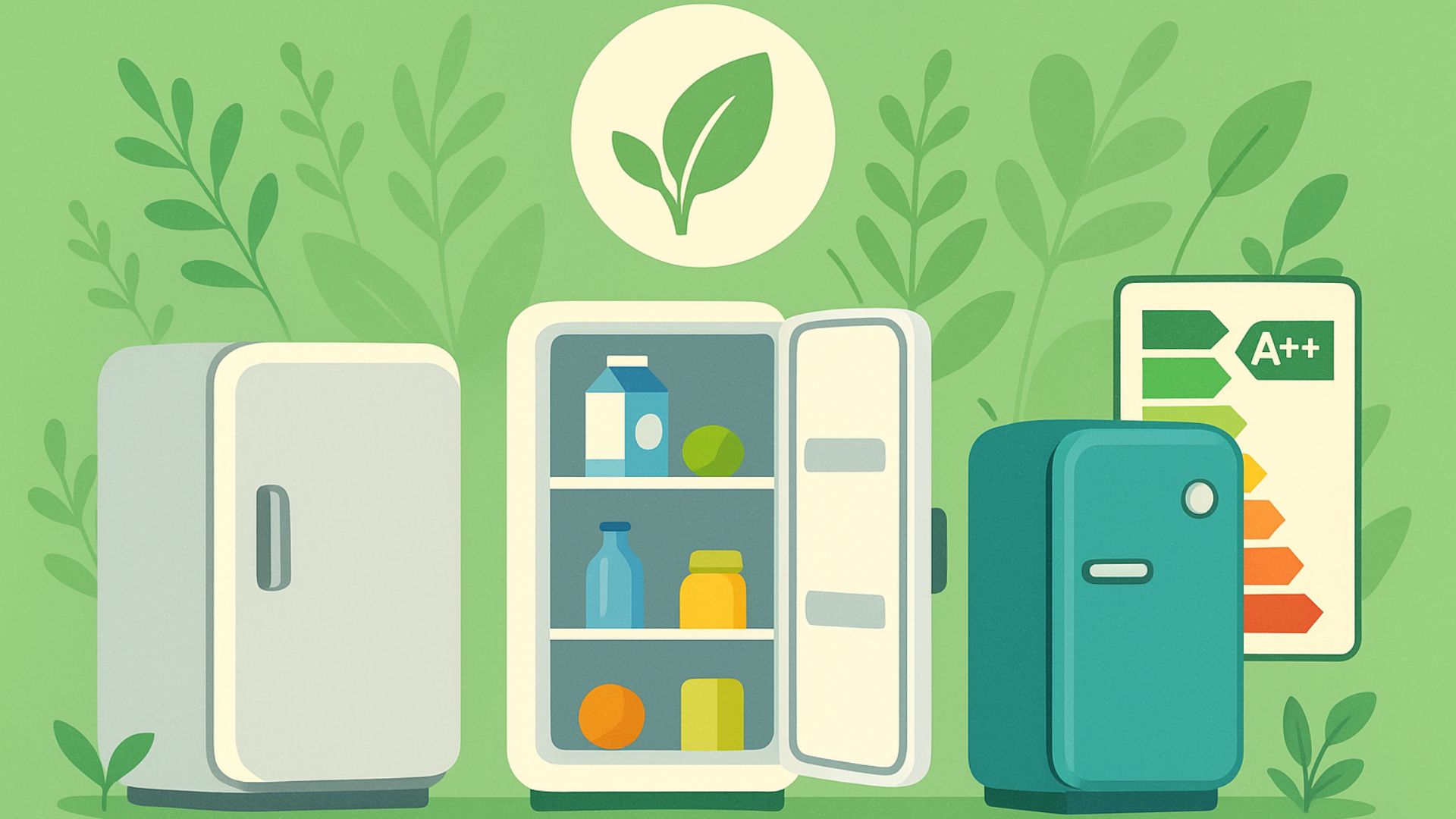
Mini refrigerators offer many benefits beyond just keeping food cold. They save space and use less energy. This makes them perfect for small areas and tight budgets.
These compact units fit easily in rooms with limited space. They keep items fresh while lowering electricity use. This helps reduce monthly power bills.
Space-saving Design
Mini refrigerators have a small footprint. They fit well in dorm rooms, offices, and bedrooms. Their compact size frees up room for other items.
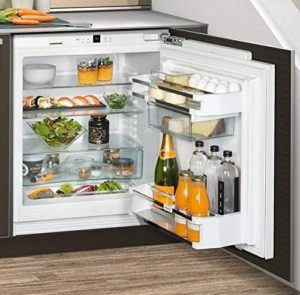
They slide under counters or fit into corners. This design makes them ideal for places with little space. You get cooling power without crowding your area.
Cost-effective Cooling
Mini refrigerators use less electricity than full-size models. This lowers energy costs significantly. They cool efficiently, keeping food fresh without wasting power.
These units often have adjustable temperature settings. This lets you control energy use based on your needs. Saving money on cooling adds up over time.
Factors Influencing Energy Efficiency
Energy efficiency in mini refrigerators depends on several key factors. These factors determine how much power the fridge uses and how well it cools. Understanding these can help you choose a model that saves energy and reduces your electricity bill.
Size And Capacity
The size of a mini refrigerator affects its energy use. Larger fridges need more power to keep cool. Smaller ones use less energy but may not hold all your items. Choosing the right capacity for your needs helps avoid wasting energy.
Compressor Quality
The compressor is the heart of the fridge. A good quality compressor works efficiently and uses less electricity. Cheaper compressors may run longer and consume more power. High-quality compressors also keep the temperature stable.
Insulation Materials
Insulation keeps cold air inside and heat out. Better insulation means the fridge uses less energy to stay cool. Poor insulation causes the compressor to work harder and use more power. Look for fridges with thick and quality insulation materials.
Energy Ratings And Labels
Energy ratings and labels help you find mini refrigerators that save electricity. They show how much power a fridge uses. Choosing a model with a good rating lowers your energy bills and helps the environment.
Understanding Energy Star
Energy Star is a popular label for energy-efficient appliances. Products with this label use less electricity than regular ones. They meet strict government rules to reduce energy waste. Buying an Energy Star mini fridge means you spend less on power and reduce pollution.
Reading Energy Labels
Energy labels display key information about a fridge’s power use. Look for the energy consumption, usually shown in kilowatt-hours (kWh) per year. The lower the number, the less energy the fridge uses. Some labels also show noise levels and fridge size. This helps you pick a model that fits your needs and saves energy.
Tips To Maximize Efficiency
Mini refrigerators save space and energy. Small steps can make them work better and use less power. Follow simple tips to keep your mini fridge efficient and lower your electricity bill. These easy changes help your fridge last longer and keep food fresh.
Optimal Temperature Settings
Set your mini fridge temperature between 37°F and 40°F. This range keeps food safe and uses less energy. Avoid setting it too cold. Freezing inside wastes power and can damage food. Check the temperature often to keep it steady.
Proper Placement
Place your mini fridge away from heat sources like ovens or direct sunlight. Heat makes the fridge work harder and use more energy. Leave space around the fridge for air to flow. Avoid cramped spots that block ventilation. A cool, shaded place is best.
Regular Maintenance
Clean the fridge coils every few months. Dust on coils makes the fridge less efficient. Defrost the freezer if ice builds up. Thick ice layers reduce cooling power. Keep door seals tight and clean. Loose seals let cold air escape, wasting energy.
Comparing Mini Refrigerators And Full-size Models
Mini refrigerators and full-size models serve different needs but often compete in energy efficiency. Understanding their differences helps in choosing the right appliance for your space and budget. Size impacts energy use, but so do technology and features.
Comparing these two types reveals how much power they consume and the cost effects of running them daily.
Energy Consumption Differences
Mini refrigerators use less energy due to their smaller size. They need less power to keep food cold. Full-size models consume more electricity because they have larger compartments. They also include extra features like ice makers or water dispensers, which add to energy use.
Efficiency varies by brand and model, but mini fridges usually score better on energy labels. They cool faster and lose less cold air when opened. Full-size units take longer to cool and use more energy to maintain temperature.
Cost Savings Analysis
Mini refrigerators save money on electricity bills. Their lower energy use means less cost each month. Over a year, this difference can add up to significant savings. Full-size refrigerators cost more to run but offer more storage space.
Choosing a mini fridge is ideal for small spaces or limited use. It reduces electricity costs while meeting basic cooling needs. Full-size models suit larger households but come with higher energy expenses.
Innovations In Mini Refrigerator Technology
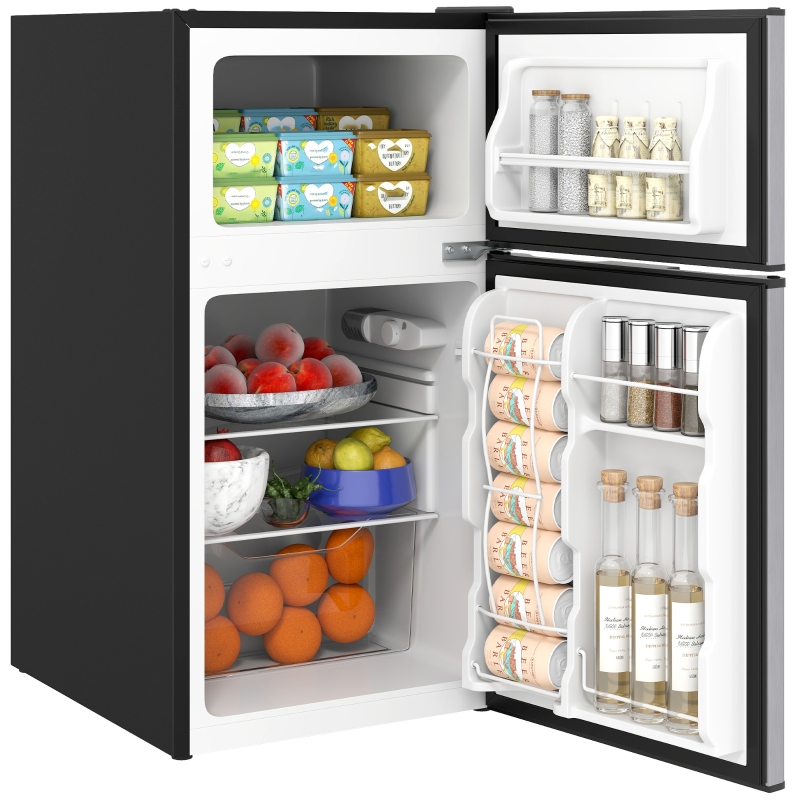
Mini refrigerators have improved a lot in recent years. New technology makes them use less energy. This helps save money on electric bills. It also protects the environment. These small fridges now offer features that were not possible before.
Innovations focus on smart controls and better cooling methods. They also use safer, eco-friendly materials. These changes make mini refrigerators a smart choice for homes and offices.
Smart Features
Many mini fridges now come with smart controls. Users can adjust temperature using a phone app. Some models have sensors to keep the fridge at the best temperature. This reduces energy waste. Smart alerts tell you if the door is left open. This helps keep the fridge cold without extra power use.
Timers and energy-saving modes turn off cooling when not needed. These features make mini refrigerators more efficient. They also improve user convenience and control.
Eco-friendly Refrigerants
New mini refrigerators use safer refrigerants than older models. These substances have less impact on the ozone layer. They also reduce greenhouse gas emissions. Common eco-friendly refrigerants include R600a and R290. These materials cool well but use less energy.
Using eco-friendly refrigerants helps protect the planet. It also meets new government rules for energy and safety. This makes mini refrigerators better for the environment and your home.
Buying Guide For Energy-efficient Models
Choosing an energy-efficient mini refrigerator saves money and helps the environment. Small fridges use less power, but some models are better than others. Knowing what to check makes buying easier and smarter.
This guide points out important features and budget tips. It helps you pick a fridge that fits your needs and uses less energy.
Key Features To Look For
Check the Energy Star label. It shows the fridge meets energy-saving rules. Look for models with good insulation to keep cold air inside. A fridge with adjustable thermostat helps control power use. Consider size carefully; bigger fridges use more energy. Quiet operation is a bonus for small spaces.
Budget Considerations
Energy-efficient fridges may cost more upfront but save money later. Think about long-term savings on electricity bills. Compare energy use labels to find the best value. Sometimes, a slightly higher price means less power use. Balance price with features and energy ratings for the best choice.
Frequently Asked Questions
What Makes Mini Refrigerators Energy Efficient?
Mini refrigerators use smaller compressors and better insulation. They consume less power than full-sized units. This reduces electricity bills and environmental impact.
How To Improve Mini Refrigerator Energy Efficiency?
Keep the fridge away from heat sources. Avoid overfilling to allow air circulation. Regularly clean coils and seals to maintain efficiency.
Are Mini Refrigerators Cost-effective For Energy Savings?
Yes, mini refrigerators save energy by using less power. They are ideal for small spaces and reduce overall electricity consumption.
Do Energy-efficient Mini Fridges Have Energy Star Ratings?
Many energy-efficient mini fridges carry Energy Star labels. This certification ensures they meet strict energy-saving standards and lower power use.
Conclusion
Mini refrigerators save energy and reduce electricity bills. They use less power than full-size models. Choosing one with good energy ratings helps the environment. Small size means quick cooling and less waste. Keep your mini fridge in a cool place for best results.
Regular cleaning also improves efficiency and lifespan. Energy-smart choices make a difference every day. Think about your needs and pick a model that fits. Simple steps lead to big savings and less energy use. Your mini fridge can be both handy and eco-friendly.

