
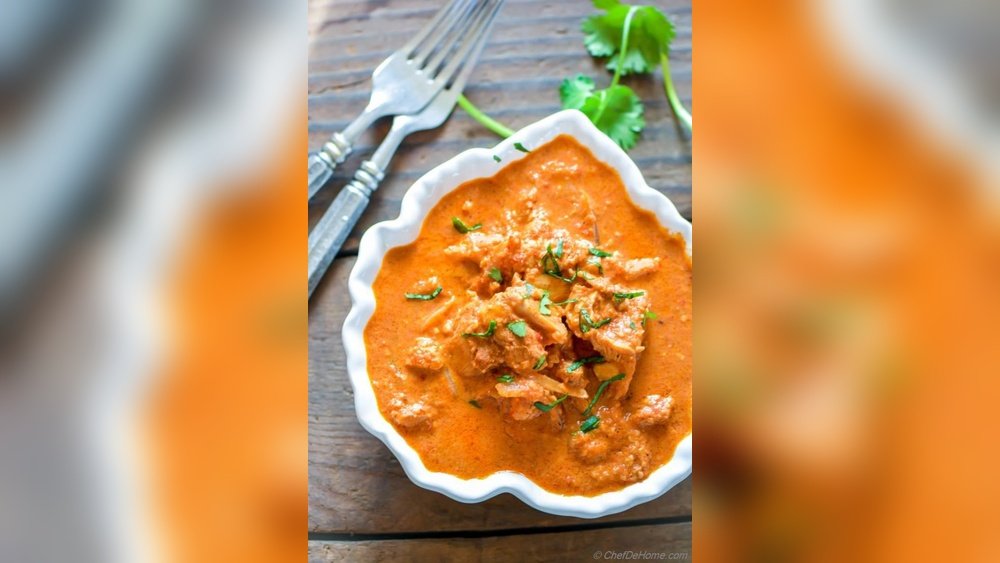
Craving the rich, creamy taste of butter chicken just like at your favorite restaurant? You’re in the right place.
Imagine enjoying that perfect blend of spices and tender chicken without leaving your kitchen. This homemade butter chicken recipe brings restaurant-style flavor straight to your table, with simple steps anyone can follow. Ready to impress your family and friends with a dish that looks and tastes like it’s from a top eatery?
Keep reading, and you’ll discover how easy it is to make your own delicious butter chicken at home.
Ingredients For Butter Chicken
Butter chicken is a popular Indian dish loved worldwide. The secret to its rich taste lies in the ingredients. Each element adds unique flavor and texture. Understanding these ingredients helps you create a restaurant-style butter chicken at home. This section breaks down the key components for a perfect dish.
Chicken Selection And Preparation
Choose boneless chicken thighs for juicy, tender meat. Thighs hold moisture better than chicken breasts. Cut the chicken into bite-sized pieces for even cooking. Pat dry the pieces before marinating. This helps the marinade stick well.
Spices And Marinade Essentials
The marinade needs yogurt to tenderize the chicken. Use fresh ginger and garlic paste for a strong aroma. Ground spices like garam masala, turmeric, and chili powder build the dish’s warm flavor. Salt balances all the tastes. Lemon juice adds a slight tang and helps tenderize meat further.
Creamy Sauce Components
The sauce requires butter and cream for richness. Tomato puree gives a smooth, tangy base. Fresh cream or heavy cream adds silkiness. Kasuri methi (dried fenugreek leaves) brings a unique, earthy flavor. A little sugar balances acidity. Salt adjusts taste perfectly.
Marinating The Chicken
Marinating the chicken is the first key step in making restaurant-style butter chicken at home. It helps the chicken absorb flavors deeply. This process makes the meat tender and juicy. A good marinade balances spices, yogurt, and lemon juice. These ingredients break down the chicken fibers. The result is a dish full of rich taste and softness.
Mixing The Marinade
Start by combining yogurt and lemon juice in a bowl. Add ginger-garlic paste for aroma and depth. Next, sprinkle in garam masala, turmeric, and chili powder. Salt enhances the overall taste. Use a whisk or spoon to blend all ingredients well. The marinade should be smooth and creamy. This mixture coats the chicken evenly, locking in flavor.
Marination Time Tips
Place the chicken pieces in the marinade. Make sure each piece is fully covered. Cover the bowl with plastic wrap or a lid. Chill it in the refrigerator to keep fresh. Marinate for at least 2 hours for good flavor. Overnight marination is better for tender results. Avoid marinating longer than 24 hours to keep texture perfect.
Cooking The Chicken
Cooking the chicken is a key step in making restaurant-style butter chicken. The way you cook it affects the flavor and texture. Properly cooked chicken blends well with the creamy sauce. It also stays tender and juicy, just like in your favorite restaurant.
Choosing the right cooking method can change the whole dish. Let’s explore two popular ways to cook chicken for butter chicken: grilling and pan-searing.
Grilling Vs. Pan-searing
Grilling gives the chicken a smoky flavor. It adds a slight char that many people enjoy. Use medium heat to avoid burning the outside while keeping the inside juicy. Marinate the chicken before grilling for extra taste.
Pan-searing is faster and easier for home cooks. It creates a nice brown crust on the chicken pieces. Use a non-stick or cast-iron pan with a little oil. Cook on medium-high heat, turning the chicken to brown all sides evenly.
Both methods work well. Grilling adds smoky notes. Pan-searing keeps the chicken soft and moist.
Achieving Perfect Texture
Cut the chicken into even pieces to cook uniformly. Avoid overcooking to keep the meat tender. Cook just until the juices run clear. Rest the chicken for a few minutes after cooking to lock in moisture.
Use high heat at first to seal the outside. Then lower the heat to cook through gently. This method prevents dry, tough chicken. Tender chicken absorbs the butter chicken sauce better, making every bite delicious.
Making The Creamy Sauce
Making the creamy sauce is the heart of a restaurant-style butter chicken. It gives the dish its rich and smooth texture. The sauce should taste full and balanced without being too heavy.
Each step builds flavor. Careful cooking and mixing make the sauce perfect. Let’s break down the process into three simple parts.
Sautéing The Base Ingredients
Start by heating oil or butter in a pan. Add finely chopped onions and cook until soft and golden. This step brings out sweetness and depth. Next, add ginger and garlic paste. Cook for a minute until fragrant. Avoid burning to keep flavors fresh and light.
Balancing Spices And Cream
Mix in ground spices like garam masala, turmeric, and chili powder. Stir gently to release their aroma. Add tomato puree next. Let it simmer until thick and rich. Slowly pour in fresh cream, stirring constantly. The cream smooths the sauce and adds a mild sweetness. Taste often to adjust spice levels and creaminess.
Adding Butter For Richness
Finish by adding a good amount of butter. It melts into the sauce, making it silky and rich. Butter also softens the heat from the spices. Stir carefully until fully blended. This final touch gives butter chicken its signature creamy texture and flavor.
Combining Chicken And Sauce
Combining chicken and sauce is a key step in making restaurant-style butter chicken. The cooked chicken must soak up the rich, creamy sauce. This union creates the dish’s signature taste and texture. The sauce should coat every piece of chicken perfectly. Achieving this balance takes careful cooking and attention.
Simmering For Flavor Infusion
Simmering the chicken in the sauce allows the flavors to blend deeply. Keep the heat low and cook gently. This helps the spices and cream mix well with the chicken. Stir the pot often to avoid burning. Let the sauce thicken slightly as the chicken cooks. This slow cooking makes the dish taste authentic and rich.
Adjusting Consistency And Taste
Check the sauce’s thickness as it cooks. Add water or cream to change the consistency if needed. Taste the sauce and adjust salt or spices carefully. A little sugar can balance the acidity from tomatoes. The sauce should be creamy but not too runny. Perfect thickness helps the sauce cling to the chicken.
Serving Suggestions
Serving butter chicken the right way makes your meal special. It brings out the rich flavors and balances the spices. Choosing good sides and garnishes will make your dish look and taste like a restaurant version. This section helps you serve butter chicken perfectly.
Ideal Side Dishes
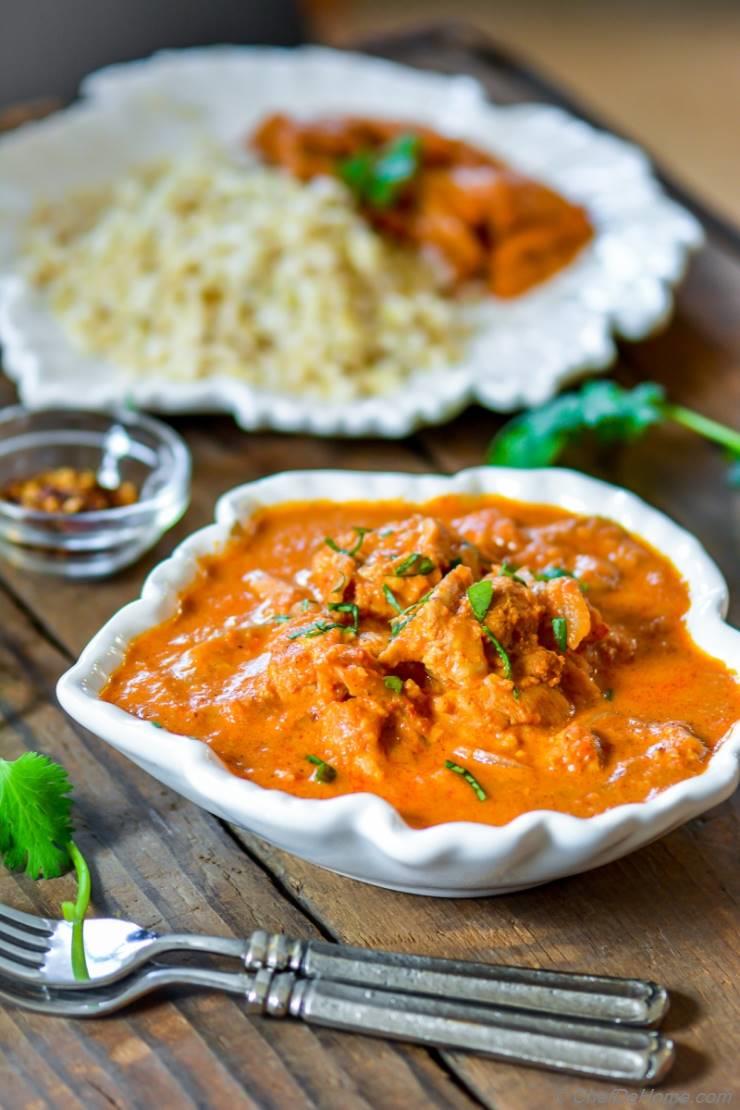
Butter chicken pairs well with soft naan bread. It soaks up the creamy sauce perfectly. Steamed basmati rice is another excellent choice. It keeps the meal light and balanced. You can also try jeera rice for a mild, nutty flavor. For a fresh touch, serve cucumber raita. It cools the palate and adds texture.
Garnishing Tips
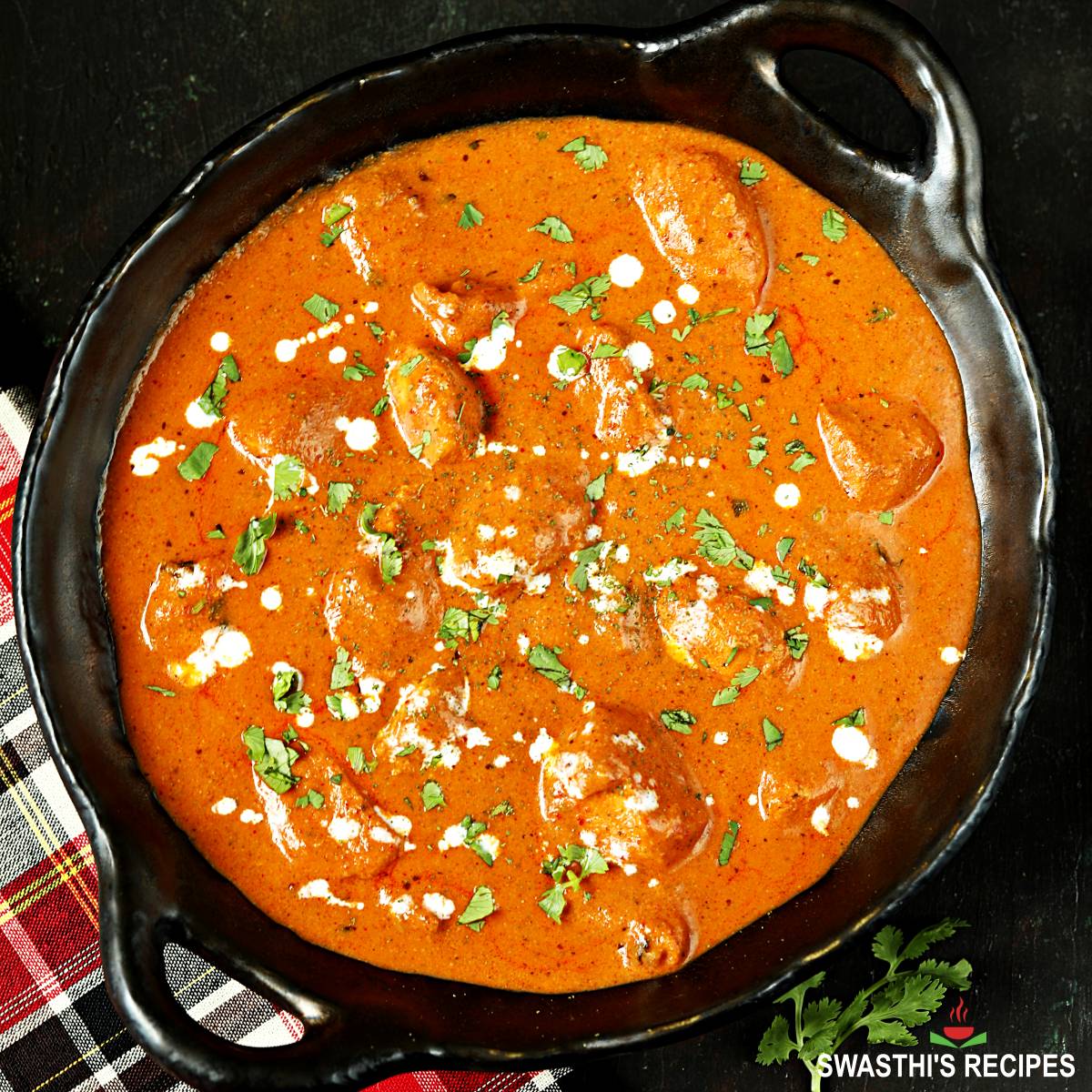
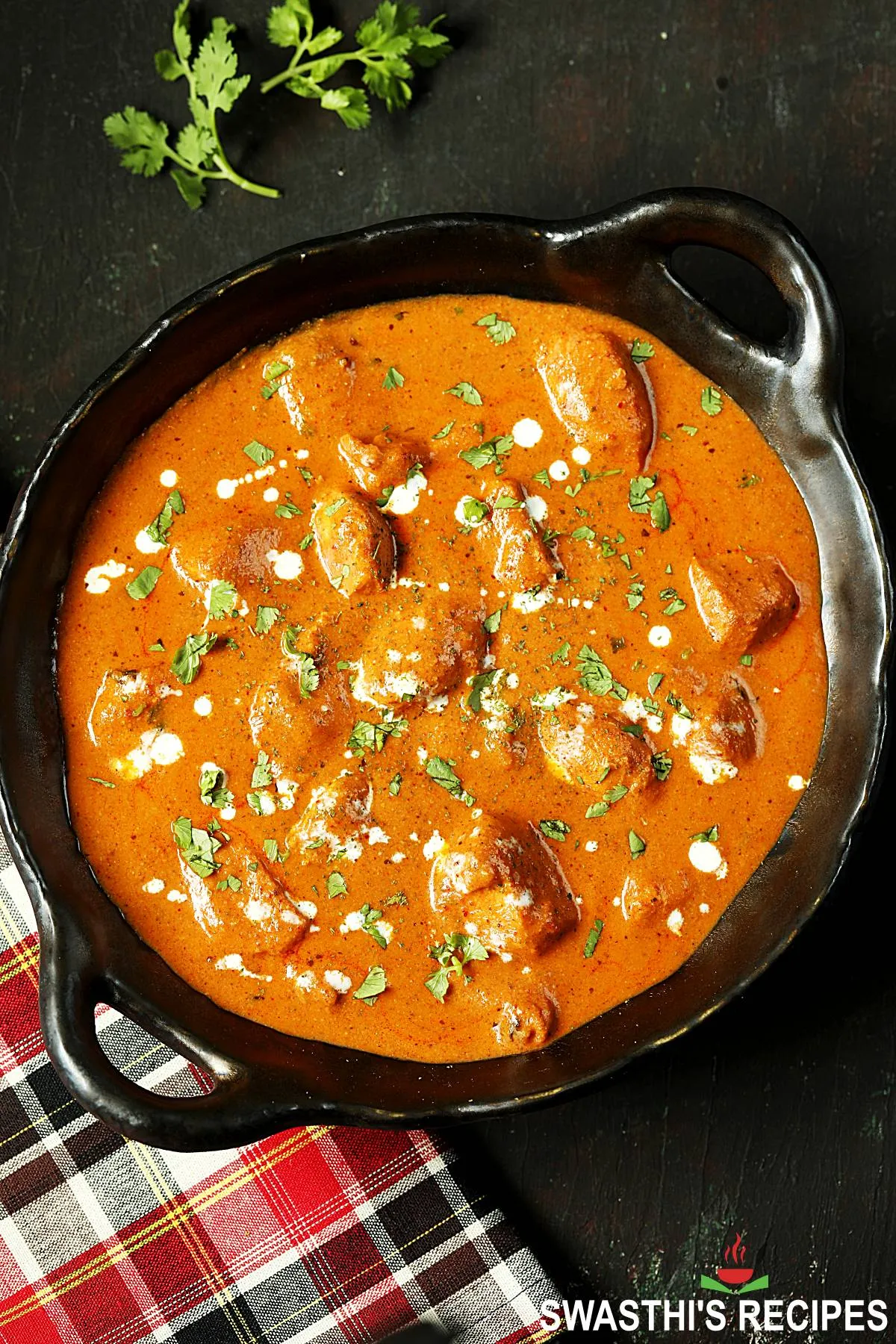
Fresh coriander leaves add color and aroma. Sprinkle chopped leaves on top just before serving. A drizzle of cream enhances the creamy texture and looks inviting. Thinly sliced ginger adds a slight zing and crunch. For a little heat, add a few red chili flakes. These small touches make the dish more attractive and tasty.
Tips For Restaurant-style Flavor
Creating restaurant-style butter chicken at home is all about the details. Small touches make a big difference in flavor and aroma. These tips help replicate that rich, authentic taste you enjoy at your favorite restaurant. Follow these simple steps to elevate your butter chicken to the next level.
Using Kasuri Methi
Kasuri methi is dried fenugreek leaves that add a unique, earthy flavor. Crush the leaves lightly before adding them. Sprinkle kasuri methi towards the end of cooking to keep its aroma strong. This herb gives butter chicken a signature taste that feels special and fresh.
Smoky Flavor Techniques
A smoky touch adds depth and richness to butter chicken. Use a small piece of charcoal heated until red hot. Place the charcoal in a bowl inside the pan and pour a spoon of ghee or butter over it. Cover the pan quickly to trap the smoke. Let it sit for 5 minutes before serving. This simple method creates a lovely smoky aroma like the restaurant style.
Storing And Reheating
Storing and reheating your homemade butter chicken is important. It helps keep the flavor and texture just like in a restaurant. Proper storage stops the dish from spoiling too fast. Reheating the butter chicken right keeps it creamy and delicious.
Best Practices For Freshness
Cool the butter chicken before storing it. Put it in an airtight container. Store it in the fridge for up to three days. For longer storage, freeze it for up to two months. Label the container with the date. Avoid leaving it out at room temperature.
Reheating Without Losing Creaminess
Use low heat to reheat butter chicken. Stir gently to mix the sauce well. Heat slowly on the stove or in a microwave. Add a splash of cream or milk if the sauce is thick. Avoid boiling to keep the creamy texture. Heat until warm, not hot.
Frequently Asked Questions
What Ingredients Are Essential For Homemade Butter Chicken?
Key ingredients include boneless chicken, butter, cream, tomatoes, garlic, ginger, and spices like garam masala and chili powder. Fresh ingredients ensure authentic taste and creamy texture, similar to restaurant-style butter chicken.
How Long Does It Take To Prepare Butter Chicken?
Preparation takes about 15 minutes, and cooking takes around 30-40 minutes. Marinating the chicken for at least 1 hour enhances flavor and tenderness. Total time depends on marination but is usually under 2 hours.
Can I Make Butter Chicken Healthier At Home?
Yes, use low-fat cream, reduce butter, and opt for lean chicken breast. You can also add more tomatoes and spices for flavor without extra calories. Homemade versions allow control over ingredients for a healthier dish.
How Do I Achieve The Restaurant-style Butter Chicken Flavor?
Use fresh spices, marinate chicken well, and cook on medium heat to blend flavors. Adding kasuri methi (dried fenugreek leaves) and a touch of honey balances taste. Creamy texture and balanced spices are key.
Conclusion
This homemade butter chicken recipe brings rich flavors to your table. Cooking it yourself saves money and tastes fresh. You control the spices and creaminess for your liking. Serve it with rice or warm naan bread. Perfect for family dinners or special occasions.
Try this recipe to enjoy restaurant-style butter chicken at home. Simple steps make cooking fun and rewarding. Enjoy every bite of this delicious, creamy dish.

