
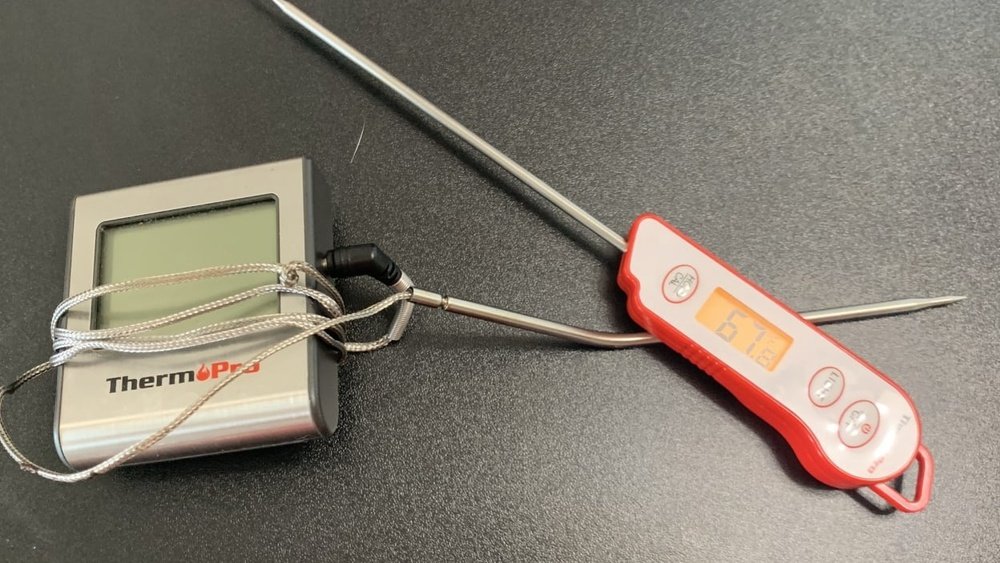
When it comes to cooking meat, getting the temperature just right is key to a perfect meal. But if you’re using a cheap meat thermometer, you might be wondering—can you really trust the reading?
You don’t want to risk undercooking or overcooking your food. You’ll discover how accurate these budget-friendly thermometers really are, what to watch out for, and how to make sure your meat is safe and delicious every time. Keep reading to save money without sacrificing quality!

Why Accuracy Matters
Accuracy in meat thermometers is very important. It helps ensure the meat is cooked just right. Using a thermometer that is not accurate can cause problems. These problems affect both health and the eating experience. Understanding why accuracy matters will help you choose the right tool for your kitchen.
Food Safety Risks
Meat must reach a certain temperature to kill harmful bacteria. An inaccurate thermometer might show a wrong temperature. This can lead to undercooked meat. Undercooked meat can cause food poisoning. Symptoms include stomach pain, nausea, and vomiting. An accurate thermometer helps avoid these risks. It ensures your food is safe to eat every time.
Impact On Taste And Texture
Correct cooking temperature affects how meat tastes and feels. Overcooking meat makes it dry and tough. Undercooking meat leaves it raw and unpleasant. An accurate thermometer helps get the perfect doneness. It keeps meat juicy and tender. This improves your meal and makes eating more enjoyable.
Types Of Meat Thermometers
Meat thermometers come in different types. Each type serves a unique purpose in cooking. Choosing the right one affects how accurately you measure meat temperature. Understanding these types helps you cook meat safely and well.
Some thermometers work better for quick checks. Others stay in the meat while cooking. Knowing the types helps you decide which fits your cooking style and budget.
Digital Vs Analog
Digital thermometers show temperature on a small screen. They give fast and clear readings. Many digital models have backlights for easy reading in dim light.
Analog thermometers have a dial with a needle. They use a metal probe and do not need batteries. Analog types are simple but may take longer to show temperature.
Digital ones tend to be more accurate and easier to read. Analog thermometers are often cheaper but less precise. Both types can work well if used correctly.
Instant-read Vs Leave-in
Instant-read thermometers give a quick temperature reading. You insert the probe and get results in seconds. These are perfect for checking meat during cooking.
Leave-in thermometers stay inside the meat while it cooks. You can monitor temperature without opening the oven or grill. This helps keep the heat steady and meat juicy.
Instant-read thermometers offer speed and convenience. Leave-in types provide constant temperature tracking. Choosing depends on how often you check and your cooking method.
Common Issues With Cheap Thermometers
Cheap meat thermometers often face common issues that affect their accuracy and usefulness. These problems can make it hard to trust the temperature readings. Understanding these issues helps you decide if a cheap thermometer fits your cooking needs.
Calibration Problems
Many inexpensive thermometers come with poor calibration. This means they do not show the correct temperature. Over time, the readings can drift further away from the true temperature. Without proper calibration, your meat might be undercooked or overcooked. Fixing calibration requires special tools most people do not have.
Slow Response Time
Cheap thermometers often take longer to show the correct temperature. This delay can frustrate cooks who want quick results. A slow response means the temperature reading might change as you wait. It can lead to guessing the right cooking time. Faster thermometers help you cook meat more safely and precisely.
Durability Concerns
Low-cost thermometers usually have weaker build quality. They may break easily if dropped or exposed to heat. The probe or digital parts can stop working after a few uses. Durability problems reduce the lifespan of the thermometer. Spending a little more on a sturdy model can save money in the long run.
Testing Accuracy At Home
Testing the accuracy of cheap meat thermometers at home is simple and effective. It helps ensure your food cooks safely and tastes great. You do not need special tools or skills. Just a few common kitchen items can check if your thermometer gives correct readings.
Ice Water Method
Fill a glass with ice and add cold water. Stir it well. Insert the meat thermometer’s tip into the ice water. Make sure the tip does not touch the glass sides or bottom. Wait for the reading to stabilize. A good thermometer should read close to 32°F (0°C). If it is far off, your thermometer may be inaccurate.
Boiling Water Test
Boil water in a pot. Insert the thermometer’s tip into the boiling water. Avoid touching the pot’s sides or bottom. The thermometer should read about 212°F (100°C) at sea level. If the reading is much different, adjust your thermometer or consider a better one. This test helps you check if the thermometer measures high temperatures correctly.
Real User Experiences
Real user experiences provide clear insights into how accurate cheap meat thermometers really are. Many people share honest feedback about their performance during cooking. These stories help reveal the true value of budget-friendly tools.
Users often discuss how well these thermometers measure temperature and how reliable they feel. Some praise their simplicity and quick readings. Others point out limits in precision or durability. These firsthand accounts give a balanced view.
Pros And Cons From Reviews
Many users find cheap meat thermometers easy to use. They often mention fast temperature readings and clear displays. The low price makes them a good choice for casual cooks. Some report decent accuracy for everyday cooking needs.
On the downside, some users notice small temperature differences compared to expensive models. A few mention slow response times or weak build quality. Battery life can be a concern for some cheap devices. Overall, these thermometers work well but may not suit professional chefs.
Unexpected Benefits
Some users share surprising advantages of cheap meat thermometers. They find them handy for checking other foods like soups and baked goods. The compact size makes them easy to store and carry. Many appreciate the simple design that does not confuse beginners.
Others say these thermometers help build confidence in cooking meat safely. They encourage more people to cook at home and try new recipes. The low cost also means less worry about damaging the tool. These extra benefits add value beyond just measuring temperature.
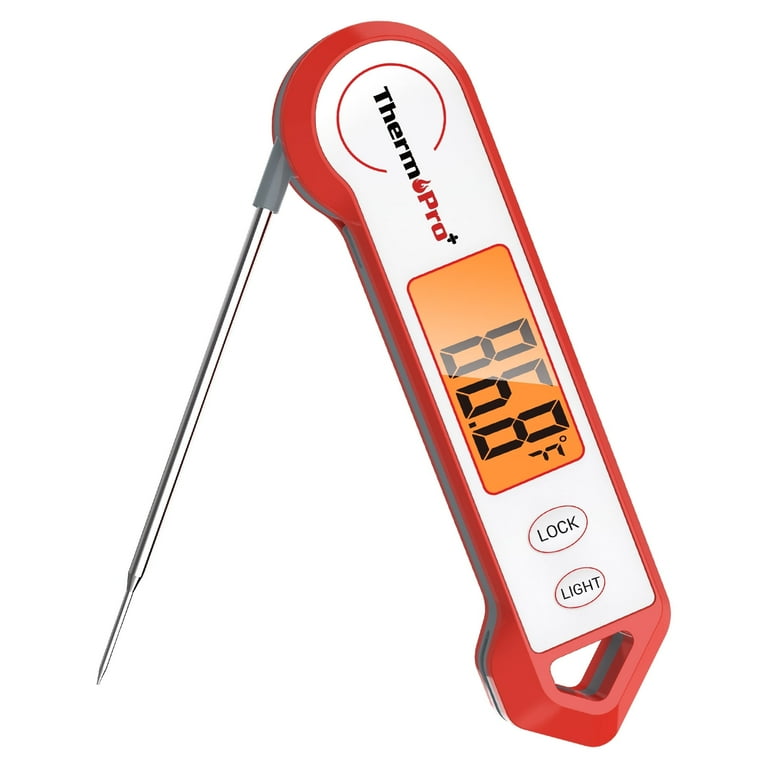
Tips To Improve Accuracy
Cheap meat thermometers often lack perfect accuracy. Small errors can lead to undercooked or overcooked meat. Simple steps can help improve their accuracy. These tips make sure you get a better read on your food’s temperature.
Regular Calibration
Check your thermometer’s accuracy regularly. Use ice water to test it. The temperature should read 32°F (0°C). If it does not, adjust the thermometer if possible. Some models have a calibration nut. If yours does not, note the difference and adjust your reading mentally.
Test in boiling water too. Boiling water should read 212°F (100°C) at sea level. This check shows if your thermometer is off at higher temperatures. Regular calibration keeps your readings reliable over time.
Proper Usage Techniques
Insert the thermometer probe into the thickest part of the meat. Avoid touching bone, fat, or gristle. These parts heat differently and give false readings.
Wait a few seconds for the temperature to stabilize. Moving the probe around can cause wrong numbers. Always clean your thermometer after use. This prevents cross-contamination and keeps the device working well.
When To Upgrade To A Better Thermometer
Knowing when to upgrade your meat thermometer matters for cooking safety and taste. A cheap thermometer can work well at first. But over time, it might lose accuracy or miss key features. Using an old or low-quality device risks undercooked or overcooked meat. Paying attention to signs of inaccuracy and useful features helps decide the right time to buy a better thermometer.
Signs Of Inaccuracy
Check if the thermometer shows different temperatures for the same meat. Inconsistent readings mean it may be faulty. Slow response time is another warning. If it takes too long to show temperature, you might overcook food. Broken or stuck dials also signal inaccuracy. A cheap thermometer that often fails to match oven or grill temperatures needs replacement.
Features Worth Paying For
Look for fast and precise temperature readings. A good thermometer should respond in seconds. Waterproof designs last longer and are easier to clean. Digital displays with backlight help read temperatures clearly. Some models include preset temperature guides for different meats. Wireless or probe thermometers offer convenience and safety. These features improve cooking results and justify the upgrade cost.
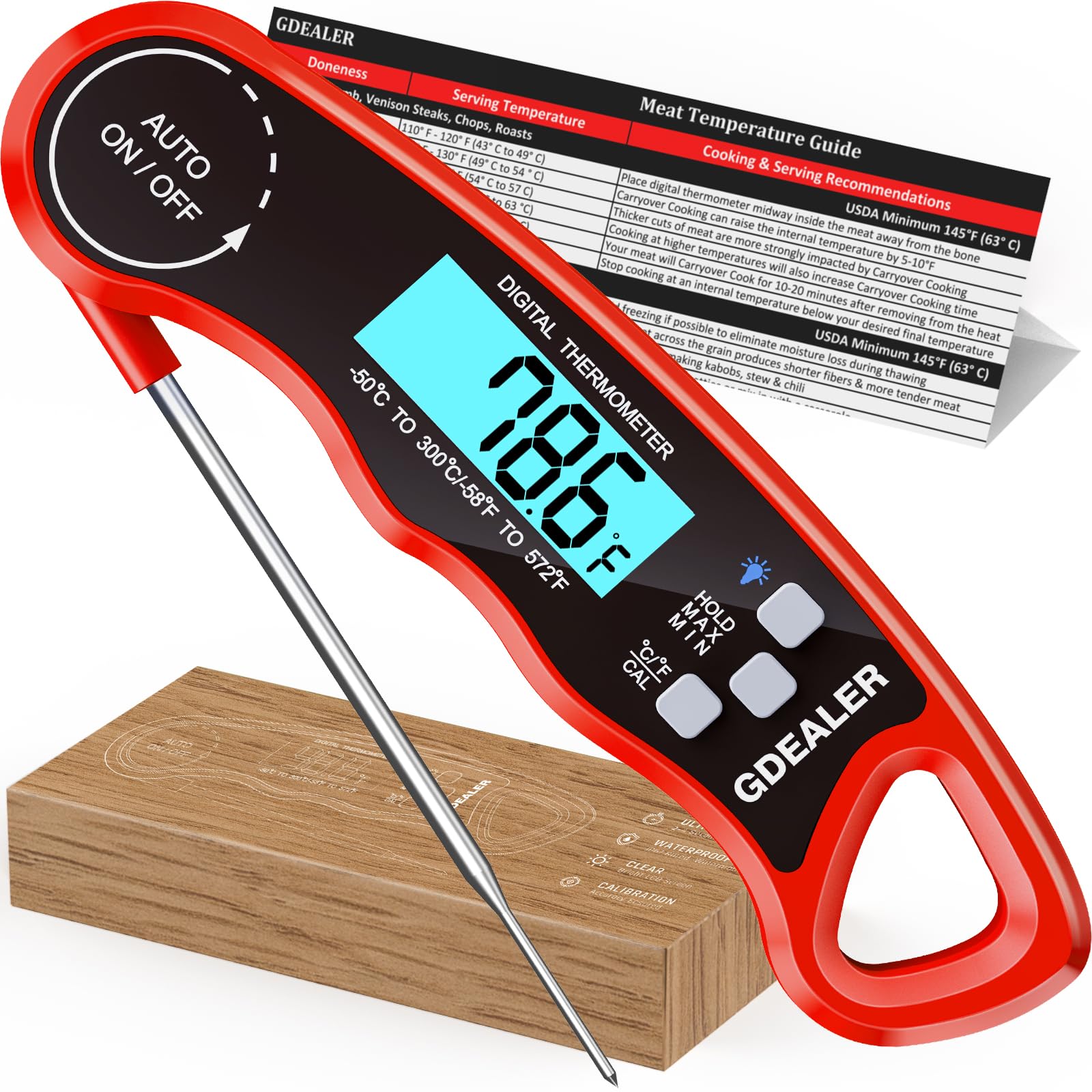
Frequently Asked Questions
Are Cheap Meat Thermometers Reliable For Cooking?
Cheap meat thermometers can be somewhat reliable but often lack precision. They may show temperature variations of 2-5 degrees. For casual cooking, they work fine, but for exact doneness, consider investing in a higher-quality model.
How Accurate Are Budget Meat Thermometers Typically?
Budget meat thermometers generally have an accuracy range of ±2 to ±5 degrees Fahrenheit. This margin can affect cooking results. They are suitable for home use but may not meet professional cooking standards.
Can Cheap Thermometers Cause Food Safety Issues?
Yes, inaccurate readings from cheap thermometers can lead to undercooked meat. Undercooking increases the risk of foodborne illnesses. Always double-check temperatures or use a reliable thermometer for safety.
Do Cheap Meat Thermometers Need Calibration?
Many cheap meat thermometers do not offer calibration options. This limits their long-term accuracy. If calibration is important, choose a model that allows adjustments to maintain precise readings.
Conclusion
Cheap meat thermometers can offer decent accuracy for everyday cooking. They work well if you check their readings carefully. Small errors may happen, but they usually stay within a safe range. For best results, test your thermometer with ice water or boiling water.
This helps you know if it reads right. Using a cheap thermometer still helps prevent undercooked or overcooked meat. Just take your time and trust your senses too. Quality tools matter, but careful use matters more. Choose what fits your budget and cooking needs.

