
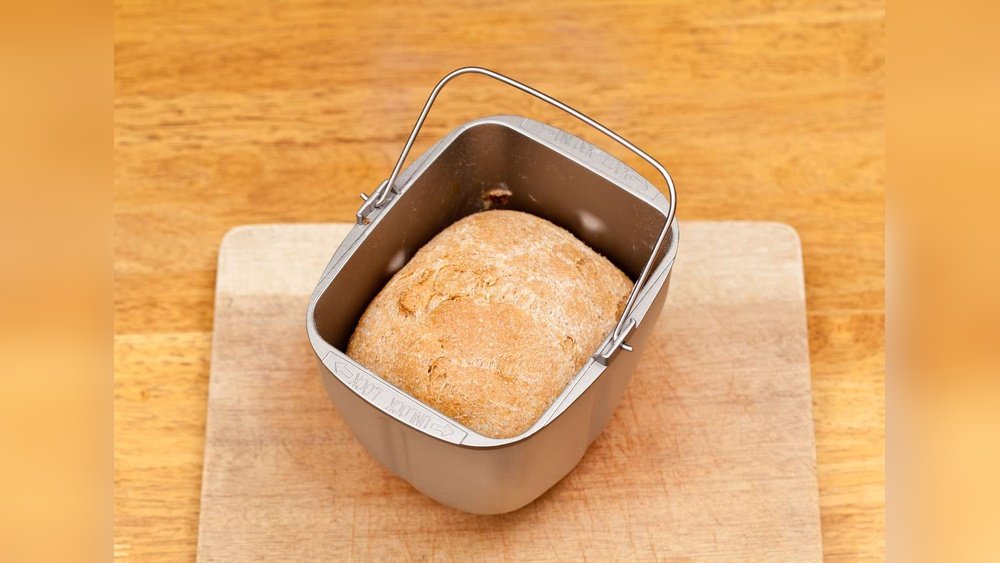
Are you excited to make fresh, homemade bread but unsure how to tweak your favorite recipes for your bread maker? You’re not alone.
Adjusting recipes for a bread machine can feel tricky at first, but once you know the simple tips and tricks, you’ll be baking perfect loaves every time. In this guide, you’ll discover easy ways to adapt ingredients and measurements so your bread turns out just right—soft, fluffy, and full of flavor.
Keep reading, and you’ll soon enjoy the satisfying smell and taste of fresh bread made effortlessly at home.
Choosing The Right Ingredients
Choosing the right ingredients is key to baking good bread in a bread maker. Each ingredient affects the texture and taste. Simple changes can make a big difference. Focus on flour, liquids, and yeast for best results.
Flour Types And Their Effects
Flour type changes the bread’s texture and rise. Bread flour has more protein. It makes bread chewier and taller. All-purpose flour works too but makes softer bread. Whole wheat flour gives a nutty flavor. It also makes bread denser. Mix flours for balance. Try half bread flour and half whole wheat for softer bread with flavor.
Adjusting Liquids For Consistency
Liquids hydrate flour and start gluten development. Water is most common. Milk adds richness and a softer crust. Too much liquid makes dough sticky. Too little makes it dry and crumbly. Watch dough during the first kneading. It should form a soft ball, not stick to the pan. Adjust liquids a little at a time for best texture.
Selecting Yeast Varieties
Yeast makes bread rise by creating gas bubbles. Active dry yeast is common and easy to find. Instant yeast works faster and can mix directly with dry ingredients. Fresh yeast has a strong rise but is less common. Use the right amount of yeast. Too much gives a strong taste. Too little makes bread dense. Store yeast in a cool, dry place for best results.
Measuring Ingredients Accurately
Measuring ingredients accurately is key to good bread baking. Small changes in amounts can affect the bread’s texture and rise. Using the right measurement method helps keep the recipe balanced. This ensures the bread maker performs well and the bread tastes great.
Using Weight Vs. Volume
Weight measurement is more precise than volume. Scales measure ingredients in grams or ounces. This avoids errors caused by packing or shaking ingredients. For example, flour can settle, changing its volume.
Volume uses cups and spoons. It can be less accurate, especially for dry ingredients. Liquids measure more reliably by volume. For bread makers, using a kitchen scale improves consistency.
Tips For Precise Measurement
Use a digital kitchen scale for best results. Zero the scale before adding each ingredient. Level off dry ingredients with a knife for exact amounts. Spoon flour into the cup instead of scooping directly.
Measure liquids at eye level in a clear container. Avoid packing ingredients unless the recipe says so. Keep measuring tools clean and dry. These small steps help achieve perfect dough every time.
Modifying Recipe Quantities
Modifying recipe quantities for a bread maker requires careful attention. Baking is a science, and changing amounts can affect the final bread. Small changes can change the texture, rise, or flavor. Understanding how to adjust quantities helps keep great results.
Adjusting recipes is not just about adding more or less. It means knowing which ingredients change and how they interact. This knowledge makes your bread baking easier and more consistent.
Scaling Recipes Up Or Down
Scaling means increasing or decreasing the recipe size. To scale up, multiply each ingredient by the same number. For example, double everything to make two loaves instead of one.
Scaling down works the same way but in reverse. Use half or a quarter of each ingredient to make smaller bread. Keep the scale accurate for best results.
Be careful with yeast when scaling. Too much yeast can cause fast rising and poor texture. Use less yeast for smaller amounts and more for larger batches.
Maintaining Ingredient Ratios
Ingredient ratios keep the balance in bread recipes. Flour, water, yeast, and salt must stay in the right proportion. Changing one without adjusting others affects dough consistency.
For example, if you add more flour, add more water too. This keeps the dough soft and workable. Salt controls yeast activity, so its amount must be correct.
Always measure ingredients carefully. Using a kitchen scale helps keep ratios exact. This ensures your bread rises well and tastes great every time.
Adjusting For Bread Maker Capacity
Adjusting recipes for your bread maker is key to baking success. Each bread machine has a limit on how much dough it can handle. This means you must change ingredient amounts to fit your machine’s size. Baking with the right quantities prevents overflow or underfilled bread. It also ensures the bread bakes evenly and tastes great.
Understanding Pan Sizes
Bread makers come with different pan sizes. Common sizes include 1-pound, 1.5-pound, and 2-pound pans. The pan size determines how much dough you can use. Knowing your pan size helps you adjust recipes correctly. Check your bread maker’s manual or the pan’s label for size details.
Using a recipe meant for a larger pan in a smaller pan causes overflow. Too much dough can spill and create a mess. Using less dough than the pan size leaves the bread flat and dense. Match the recipe size to your bread maker’s pan for best results.
Adapting Ingredient Amounts
Change ingredient amounts based on your pan size. For example, if a recipe is for a 2-pound pan but your machine is 1.5 pounds, reduce ingredients by about 25%. Use a kitchen scale or measuring cups for accuracy. Pay attention to flour and liquid ratios; they affect dough texture.
Too much liquid makes dough sticky and hard to knead. Too little liquid makes dough dry and crumbly. Yeast amounts may also need slight adjustment. Use less yeast for smaller dough batches to avoid over-rising. Adjust slowly and keep notes for future baking.
Tweaking Kneading And Rising Times
Adjusting kneading and rising times is key for perfect bread in a bread maker. Each bread type needs a little change in these times. The dough texture and the bread’s final taste depend on it. Understanding how to tweak these settings helps create the best loaf every time.
Customizing For Dough Texture
Kneading time affects dough feel. Short kneading leaves dough sticky and rough. Longer kneading makes dough smooth and elastic. Watch the dough during the knead cycle. Stop the machine if the dough looks too wet or dry. Adjust kneading in small steps for better texture.
Rising time changes dough size. Too short means small, dense bread. Too long can make dough collapse. Check if the dough doubles in size. Use this as a guide to set rising time. Different flours and ingredients may need different rising times.
Handling Different Bread Types
White bread needs less kneading and shorter rise. Whole wheat requires more kneading to develop gluten. Rising time for whole wheat is longer to soften the bread.
Sweet breads with sugar and fats need gentler kneading. Rising time may be longer because sugar slows yeast. For gluten-free bread, kneading is minimal. Rising time depends on the yeast and ingredients used.

Incorporating Add-ins And Flavors
Incorporating add-ins and flavors is a fun way to make bread more exciting. These extras change the taste and texture. They also let you create unique bread recipes right at home. Adjusting your recipe for these add-ins helps the bread bake well and taste great.
Adding Nuts, Seeds, And Fruits
Nuts, seeds, and fruits bring crunch and sweetness to bread. Use chopped nuts like walnuts or almonds for texture. Seeds such as sunflower or flax add a nutty flavor. Dried fruits like raisins or cranberries provide a sweet bite.
Keep the amount under 1 cup for a standard loaf. Too many add-ins can stop the dough from rising properly. Add these ingredients during the kneading phase or when your bread maker signals to add extras.
Balancing Moisture And Texture
Add-ins can change the dough’s moisture level. Fruits release water, making dough wetter. Nuts and seeds soak up moisture, making dough drier.
Adjust liquids slightly to balance the dough. Reduce water if using juicy fruits. Increase water if using dry nuts or seeds. The dough should be soft but not sticky.
Troubleshooting Common Issues
Troubleshooting common issues in bread makers helps improve your baking results. Small changes in ingredients or settings can fix most problems. Knowing how to adjust recipes saves time and ingredients. Let’s explore solutions for dense bread, dry bread, overflows, and underbaking.
Fixing Dense Or Dry Bread
Dense bread often means too much flour or not enough liquid. Check measurements carefully. Use a kitchen scale for accuracy. Try adding a little more water or milk next time. Dry bread may result from too much flour or too long baking.
Reduce flour slightly or shorten baking time. Use fresh yeast and check expiration dates. Older yeast can weaken the dough rise. Also, avoid overmixing the dough. It can make the bread tough and dense.
Managing Overflows And Underbaking
Overflow happens when dough rises too much in the pan. Reduce yeast amount by one-quarter to control rise. Avoid adding too much sugar or liquid, which can cause overflow.
Underbaked bread feels wet inside and looks pale. Increase baking time by 5 to 10 minutes. Use the correct setting on your bread maker. Check the bread’s internal temperature; it should reach 190°F (88°C).
Opening the lid during baking may cause underbaking. Keep the lid closed until baking finishes. Adjusting these small details improves your bread’s texture and taste.

Frequently Asked Questions
How Do I Convert Regular Recipes For Bread Makers?
Adjust liquid and flour amounts slightly to fit bread maker pans. Reduce yeast by about 25% to prevent over-rising. Use bread machine settings for best texture. Monitor dough consistency and add small amounts of flour or water as needed during kneading.
Can I Use Any Bread Recipe In A Bread Maker?
Most bread recipes work, but some need adjustments. Liquid and yeast amounts usually differ. Avoid recipes with excessive sugar or fats. Choose recipes designed for bread machines for best results. Experiment with small batches before making large quantities.
How Do I Adjust Ingredient Order For Bread Makers?
Add liquids first, then dry ingredients, and yeast last. Keep yeast away from salt and liquids before kneading starts. This helps proper yeast activation and dough rising. Follow your bread maker’s instructions for ingredient placement. Proper order ensures even mixing and baking.
Should I Change Baking Times For Bread Makers?
No, bread makers have preset baking cycles. Adjusting baking times is unnecessary and may spoil bread. Use recommended settings for crust color and loaf size. Follow your machine’s manual for optimal results. Baking times are calibrated for perfect bread every time.
Conclusion
Adjusting recipes for a bread maker takes some practice but is worth it. Start by changing ingredient amounts slowly. Watch how your bread turns out each time. Note what works and what does not. This helps you bake better bread every time.
Keep your measurements exact and follow the order of ingredients. Small tweaks can make a big difference. Enjoy the process and have fun baking fresh bread at home. Your bread maker can help you create tasty and soft loaves easily.
Try different recipes and find your favorites!

