
Have you ever been excited to enjoy your homemade dried fruits or jerky, only to find some pieces perfectly dried while others remain soggy or overcooked? Uneven drying in your food dehydrator can be frustrating and wasteful.
But what if you could fix this problem and get consistent, delicious results every time? You’ll discover simple, effective tips to avoid uneven drying. Keep reading, and you’ll soon master the art of perfect dehydration for all your favorite snacks.

Causes Of Uneven Drying
Uneven drying is a common problem when using a food dehydrator. It happens when some parts of the food dry faster than others. This can lead to spoiled pieces or food that is not fully dried. Understanding the causes helps avoid these issues and get better results.
Airflow Issues
Proper airflow is essential for even drying. If air cannot move freely, some areas stay moist longer. Blocked vents or poor fan performance reduce airflow. This causes uneven heat distribution and drying.
Overcrowding Trays
Placing too much food on the trays blocks air circulation. Crowded trays stop warm air from reaching all pieces. This slows down drying and causes some parts to remain wet.
Inconsistent Food Sizes
Different sizes dry at different speeds. Large pieces take longer to dry than small ones. Mixing sizes leads to uneven drying. Cutting food into uniform pieces helps solve this problem.
Moisture Content Variations
Foods with different water content dry unevenly. Juicy fruits need more time than dry vegetables. Grouping similar moisture foods on the same tray improves drying consistency.

Choosing The Right Dehydrator
Choosing the right food dehydrator is key to preventing uneven drying. The right model helps dry food evenly, saving time and effort. Understanding a dehydrator’s features can guide you to the best choice for your needs.
Size And Capacity
Pick a size that fits your usual food quantity. A small dehydrator may not handle large batches well. Large models dry more food but use more space. Choose a size that matches your kitchen and drying habits.
Air Circulation Type
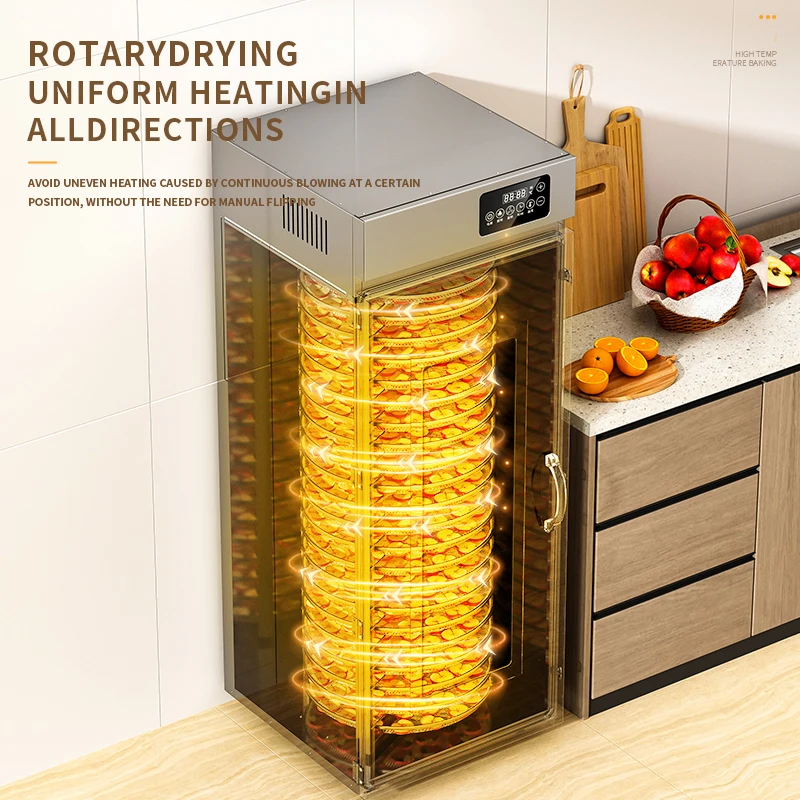
Good air flow ensures even drying. Look for models with horizontal or rear fan circulation. These types push air evenly over trays. Top-down airflow can cause uneven drying on different shelves.
Temperature Controls
Precise temperature settings help dry various foods properly. Choose a dehydrator with adjustable controls. Some foods need low heat, others require higher. Accurate temperature control prevents over or under drying.
Preparing Food For Drying
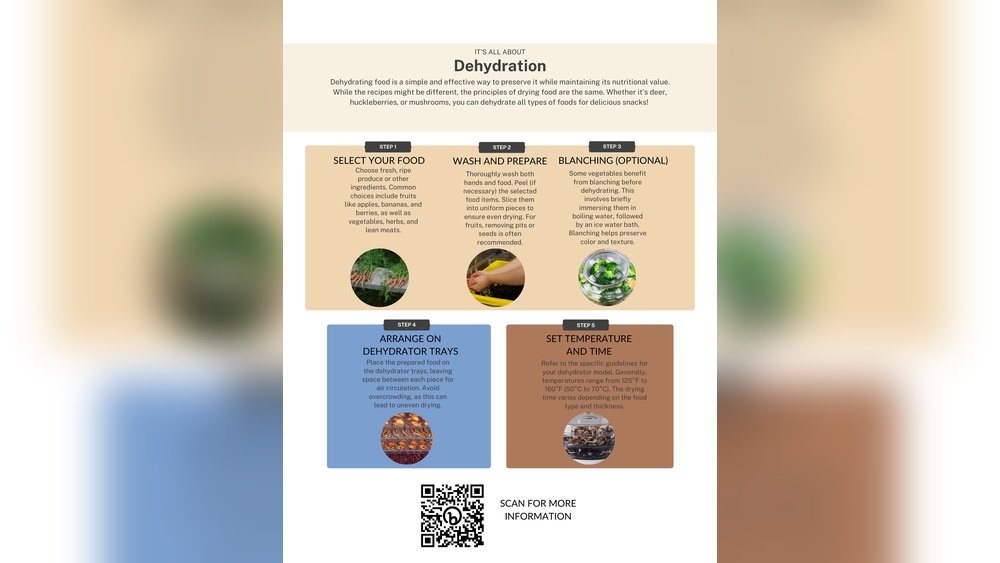
Preparing food properly before drying is key to avoid uneven results. Proper preparation helps food dry evenly and stay safe to eat. It also improves the texture and taste of dried foods. This section covers simple steps you can take before putting food in your dehydrator.
Slicing Evenly
Cut food into slices of the same thickness. Thin, uniform slices dry faster and more evenly. Use a sharp knife or a mandoline for consistent cuts. Thick pieces take longer to dry and may stay moist inside. Avoid irregular shapes to prevent uneven drying.
Blanching And Pretreatment
Some fruits and vegetables need blanching before drying. Blanching stops enzymes that cause spoilage and color change. Dip food in boiling water for a short time, then cool quickly. Pretreatment like soaking in lemon juice or salt water helps prevent browning. These steps keep food safe and looking good after drying.
Removing Excess Moisture
Pat food dry with a clean towel before drying. Excess water slows down the drying process. Moist food can cause uneven drying and spoilage. Removing surface moisture helps the dehydrator work more efficiently. Make sure food is dry but not wet before placing it in the dehydrator.
Loading Trays Correctly
Loading trays correctly is key to getting even drying in a food dehydrator. How you place the food affects air flow and drying speed. Proper loading helps each piece dry at the same rate.
Spacing Between Pieces
Leave space between each piece of food. Crowding traps moisture and slows drying. Air needs room to move freely around every piece. Space pieces about half an inch apart for best results.
Avoiding Overlapping
Do not stack or overlap food on trays. Overlapping blocks air and causes uneven drying. Each piece should lie flat and not touch others. This stops soggy or under-dried spots.
Rotating Trays Regularly
Move trays from top to bottom every few hours. Heat and airflow are not always equal in all spots. Rotating trays helps all food get the same drying conditions. This prevents some trays from drying faster than others.
Setting Optimal Drying Conditions
Setting optimal drying conditions is key to even drying in a food dehydrator. Proper temperature, time, and humidity control help remove moisture uniformly. This avoids soggy or overly dry spots on your food. Understanding these factors ensures better texture, flavor, and preservation.
Temperature Settings For Different Foods
Each food type needs a specific drying temperature. Fruits usually dry best between 135°F and 145°F. Vegetables require slightly higher heat, around 125°F to 135°F. Herbs dry well at lower temperatures near 95°F to 115°F. Using the right temperature prevents overcooking or slow drying.
Recommended Drying Times
Drying times vary by food thickness and water content. Thin slices dry faster than thick pieces. Fruits often take 6 to 12 hours. Vegetables may need 8 to 14 hours. Herbs usually finish in 4 to 8 hours. Check food regularly for the best results.
Monitoring Humidity Levels
Humidity inside the dehydrator affects drying speed. High humidity slows moisture removal. Use a fan or open the door briefly to lower humidity. Some dehydrators have built-in humidity controls. Keeping humidity low helps food dry evenly and prevents mold growth.
Troubleshooting Common Problems
Uneven drying is a common issue in food dehydrators. It can ruin your dried fruits, vegetables, and meats. Fixing these problems improves the quality and taste of your food. This section helps you find and solve common drying problems quickly.
Identifying Uneven Spots
Check your food trays during the drying process. Uneven spots often look wetter or softer. Some areas may dry faster than others. Rotate the trays to see if the problem moves. Mark spots that stay moist longer. Identifying these spots helps target the problem.
Adjusting Tray Placement
Place trays evenly inside the dehydrator. Avoid overcrowding or stacking trays too close. Leave space for air to flow between trays. Swap the position of trays halfway through drying. Top trays may dry faster than bottom ones. Adjust placement to balance heat and airflow.
Cleaning And Maintenance Tips
Clean your dehydrator regularly to avoid blockages. Remove dust and food particles from vents and fans. Dirty parts reduce air circulation and cause uneven drying. Use a soft brush or cloth for cleaning. Check the heating element for damage. Proper maintenance keeps your dehydrator working well.
Storing Dried Foods Properly
Storing dried foods properly keeps them fresh and tasty for a long time. Good storage stops moisture, air, and light from harming the food. This helps keep the flavor, color, and texture just right. Follow these simple steps for best results.
Cooling Before Storage
Let dried foods cool completely before storing. Warm food can create moisture inside containers. Moisture causes mold and spoilage. Cooling helps keep food dry and safe.
Using Airtight Containers
Use airtight containers to keep dried foods fresh. Containers like glass jars or plastic bins work well. Airtight seals stop air from entering. This prevents food from becoming stale or soggy.
Avoiding Moisture And Light Exposure
Store dried foods in a dry, dark place. Moisture and light can damage the food. Avoid places like near windows or sinks. Keep containers away from heat sources too. This extends the shelf life and quality.
Frequently Asked Questions
How Can I Ensure Even Drying In My Food Dehydrator?
Arrange food in a single, even layer without overlap. Rotate trays regularly to promote consistent airflow and drying. Check moisture levels frequently to avoid uneven drying or spoilage.
Why Does My Food Dehydrate Unevenly?
Uneven drying often results from overcrowding, improper tray placement, or inconsistent airflow. Ensure trays are spaced properly and avoid stacking food items to allow hot air circulation.
What Foods Dry Best Together In A Dehydrator?
Group foods with similar moisture content and drying times. This prevents some items from over-drying while others remain moist, ensuring even dehydration for all foods.
How Often Should I Rotate Trays In A Dehydrator?
Rotate trays every 2 to 3 hours for consistent drying. This helps distribute heat evenly and prevents hotspots that cause uneven dehydration.
Conclusion
Uneven drying in a food dehydrator can spoil your snacks. Arrange food in a single, even layer. Check trays often and rotate them during drying. Avoid overcrowding to help air flow well. Keep the dehydrator clean for best results. Follow these simple steps for evenly dried food every time.
Enjoy tasty, well-preserved snacks without frustration. Practice makes perfect—soon, drying will feel easy and fun.

