
If you love jerky, you know how important it is to get it just right—tender, flavorful, and perfectly dried. But with so many dehydrators on the market, how do you pick the one that fits your needs?
Choosing the best dehydrator for jerky can feel overwhelming, especially if you want great results without wasting time or money. You’ll discover simple tips to help you find the perfect dehydrator. By the end, you’ll know exactly what to look for to make your jerky-making easy, efficient, and delicious every time.
Keep reading—you’re closer than ever to becoming a jerky pro!
Types Of Dehydrators
Choosing the best dehydrator for jerky starts with understanding the types available. Different models offer unique features for drying meat. Knowing these types helps pick the right one for your needs.
Dehydrators mainly differ in design and power source. Each type affects how the jerky dries and how easy the machine is to use. Let’s explore the main types.
Stacked Vs. Horizontal Models
Stacked dehydrators have trays stacked vertically. Heat rises from the bottom through all trays. This design saves counter space. It works well for small batches of jerky.
Horizontal models spread trays side by side. Heat and air move evenly across all trays. This gives better air flow and drying consistency. It suits larger batches and thicker meat slices.
Stacked models are usually cheaper and smaller. Horizontal ones cost more but dry meat more evenly. Choose based on space and batch size.
Electric Vs. Solar Options
Electric dehydrators use a heating element and fan. They offer consistent temperature control. This makes drying jerky easy and reliable. Most home users prefer electric models.
Solar dehydrators use sunlight to dry food. They are eco-friendly and free to run. But drying depends on weather and takes longer. Solar models suit outdoor use and off-grid living.
Electric dehydrators work well indoors anytime. Solar options save energy but need sun and patience.
:max_bytes(150000):strip_icc()/142948-docs-best-beef-jerky-DDMFS-4x3-1e55e285782844cd82756628d579a6dd.jpg)
Key Features To Consider
Choosing the best dehydrator for jerky means knowing what features matter most. These features affect how well your jerky dries and how easy the process is. Focus on the key details that make a big difference in your drying experience.
Temperature Control
Temperature control is vital for making jerky. The dehydrator needs to keep steady heat between 130°F and 160°F. This range is safe and dries meat evenly. Look for models with adjustable settings. Precise control helps avoid overcooking or underdrying.
Timer Settings
A timer lets you set drying time and avoid guessing. Jerky drying takes hours, sometimes more than 8. A built-in timer turns off the machine automatically. This saves energy and prevents jerky from becoming too dry. Choose a dehydrator with easy-to-use timer controls.
Tray Size And Capacity
Tray size affects how much jerky you can dry at once. Bigger trays mean more jerky in one batch. Stackable trays help increase capacity without taking much space. Check if trays are removable and dishwasher safe for better cleaning.
Ease Of Cleaning
Cleaning your dehydrator is important for safety and taste. Removable trays and parts make cleaning simple. Smooth surfaces prevent meat residue buildup. Avoid dehydrators with hard-to-reach corners. Easy cleaning saves time and keeps your jerky fresh.
Material And Build Quality
Material and build quality play a big role in choosing the best dehydrator for jerky. The right materials keep your food safe and the machine working well. A strong build helps the dehydrator last longer, even with regular use. Understanding what makes a dehydrator durable and safe helps you pick the best one for your jerky needs.
Durability Factors
Durability means the dehydrator can handle heat and use over time. Look for models with metal or high-quality plastic parts. Metal bodies often resist dents and scratches better. Strong trays and doors prevent breakage. Check the fan and heating element for sturdy design. A durable dehydrator saves money by lasting many years.
Food-safe Materials
Food safety is key when drying jerky. Choose dehydrators with BPA-free plastic or stainless steel trays. These materials do not release harmful chemicals. Avoid cheap plastics that may melt or warp. Stainless steel is easy to clean and does not hold odors. Safe materials protect your health and keep jerky tasting fresh.
Power And Energy Efficiency
Power and energy efficiency are key factors when choosing a dehydrator for jerky. A dehydrator that uses the right amount of power can save money and reduce electricity use. It also affects how quickly and evenly your jerky dries. Understanding power needs helps pick a machine that fits your kitchen and budget.
Wattage Impact
Wattage shows how much electricity a dehydrator uses. Higher wattage means faster drying but uses more energy. Lower wattage may take longer but saves power. Most dehydrators range from 300 to 1000 watts. Choose wattage based on how often you plan to make jerky. If you dry large batches, higher wattage works best. For small amounts, lower wattage is fine.
Energy-saving Tips
Use your dehydrator in a warm room to speed drying. Avoid opening the door often to keep heat inside. Dry full trays to make the most of the energy used. Clean the dehydrator regularly for better airflow and efficiency. Turn off the machine right after drying to save power. These small steps reduce energy use and keep jerky tasty.
User Experience And Convenience
User experience and convenience play a big role in choosing the best dehydrator for jerky. The right machine should be easy to use and not cause hassle. Small details like noise, portability, and storage affect daily use. These factors help you enjoy making jerky without stress.
Noise Levels
Quiet operation is important in a dehydrator. Loud machines can be annoying, especially in small homes. A quiet dehydrator lets you run it any time without disturbance. Check product reviews for noise ratings before buying. Look for models with low-decibel fans.
Portability
Portability matters if you want to move the dehydrator often. Lightweight and compact models are easier to carry. Handles or grips make transport simpler. A portable dehydrator fits well in different kitchen spaces. It also lets you use it outdoors or on trips.
Storage Options
Storage space can be tight in many kitchens. Choose a dehydrator that fits easily in your available space. Some models stack trays or fold parts to save room. Removable trays help clean and store the machine better. Think about where you will keep it after use.
Price Range And Budgeting
Choosing the best dehydrator for jerky starts with setting a clear budget. Dehydrators come in many price ranges. Some models fit small budgets. Others offer advanced features but cost more. Knowing your budget helps narrow down your choices. It also ensures you get the best value for your money.
Affordable Models
Affordable dehydrators usually cost under $100. These models work well for beginners or small batches. They often have fewer trays and simpler controls. Basic temperature settings help dry jerky evenly. Many affordable models use a top or bottom heat source. They are easy to use and clean. These dehydrators save money while still making good jerky.
Premium Features Worth Paying For
Premium dehydrators cost over $100. They offer features that improve drying quality and convenience. Look for adjustable temperature controls for precise drying. Some have digital timers to avoid over-drying. Multiple trays with good airflow help dry larger batches faster. Quiet operation and durable materials add comfort and long life. These features make the extra cost worth it for frequent jerky makers.
Popular Brands And Models
Choosing the best dehydrator for jerky means knowing popular brands and models. These brands have earned trust for quality and durability. They offer different features to suit varied needs. Understanding these options helps pick the right machine for your jerky making.
Top-rated Dehydrators
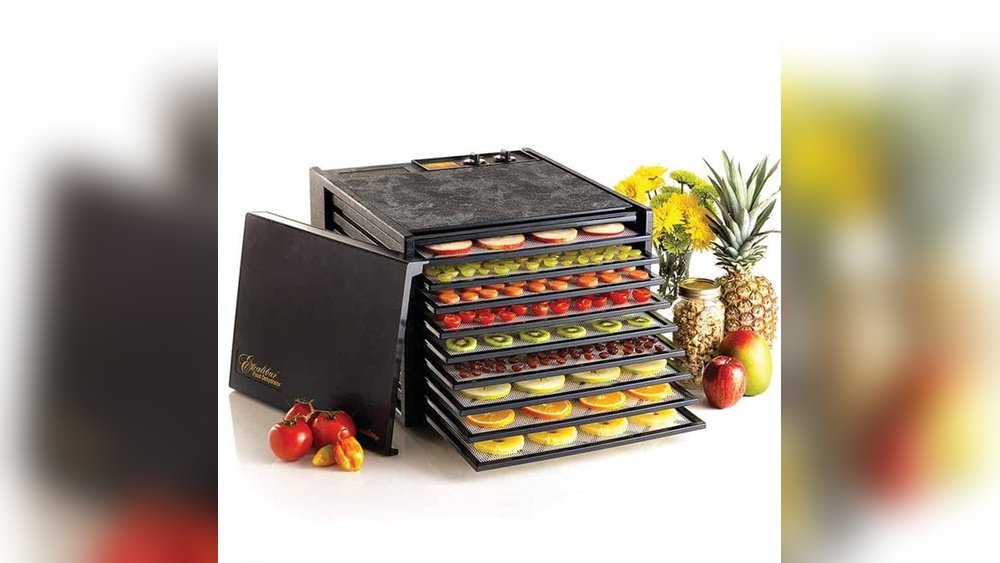
Excalibur is a top brand known for its large trays and even drying. It has models with adjustable temperature settings for precise control. Nesco offers budget-friendly options with good performance. Their dehydrators often include expandable trays to increase capacity. Tribest is praised for quiet operation and energy efficiency. These brands stand out for reliability and ease of use.
Customer Reviews Summary
Customers often mention Excalibur’s strong build and consistent results. Many appreciate how it handles large batches of jerky easily. Nesco models get praise for affordability and simplicity. Some users note they work well for beginners. Tribest units receive positive feedback for quiet performance during long drying times. Common complaints include noise or uneven drying, but these are rare.
Tips For Making Jerky With Your Dehydrator
Making jerky with a dehydrator is simple and fun. The right steps help you get tasty, safe jerky every time. Follow these tips to prepare meat, dry it properly, and store it well. This way, your jerky stays fresh and delicious.
Meat Preparation
Choose lean meat like beef, turkey, or venison. Trim off all fat since fat can spoil quickly. Slice the meat thin, about 1/4 inch thick. Cut against the grain for tender jerky. Marinate the slices for flavor and to tenderize the meat. Use a safe marinade with salt or soy sauce to kill bacteria. Pat the meat dry before placing it in the dehydrator.
Optimal Drying Times
Set your dehydrator to 160°F for safety. Drying times vary by meat type and slice thickness. Generally, jerky takes 4 to 8 hours to dry. Check the jerky after 4 hours to avoid over-drying. The jerky should be dry but still bend without breaking. Ensure no moisture remains inside the slices. Proper drying prevents mold and spoilage.
Storage And Shelf Life
Cool jerky completely before storing. Store jerky in airtight containers or vacuum bags. Keep it in a cool, dark place like a pantry. For longer storage, refrigerate or freeze jerky. Properly stored jerky lasts 1 to 2 months at room temperature. Refrigerated jerky can last up to 6 months. Freezing jerky extends shelf life to one year or more.
Frequently Asked Questions
What Features Matter Most In A Jerky Dehydrator?
Key features include adjustable temperature, timer settings, and spacious trays. These ensure even drying and precise control for perfect jerky texture.
How Much Capacity Do I Need For Jerky Making?
Choose a dehydrator with large, stackable trays if you plan to make jerky in bulk. Smaller models suit occasional use.
Should I Prefer Electric Or Solar Dehydrators?
Electric dehydrators offer consistent heat and convenience. Solar dehydrators are eco-friendly but depend on weather and take longer.
Is Temperature Control Important For Drying Jerky?
Yes, precise temperature control prevents under- or over-drying. Jerky requires around 155°F for safe and effective dehydration.
Conclusion
Choosing the best dehydrator for jerky takes some thought. Consider size, temperature control, and ease of use. A good dehydrator dries meat evenly and safely. Think about how often you will use it. Budget matters, but quality should come first.
Small models suit occasional use. Larger ones fit more meat at once. Trust your needs, not just brand names. A well-chosen dehydrator makes tasty jerky every time. Start drying your own jerky with confidence today.

