
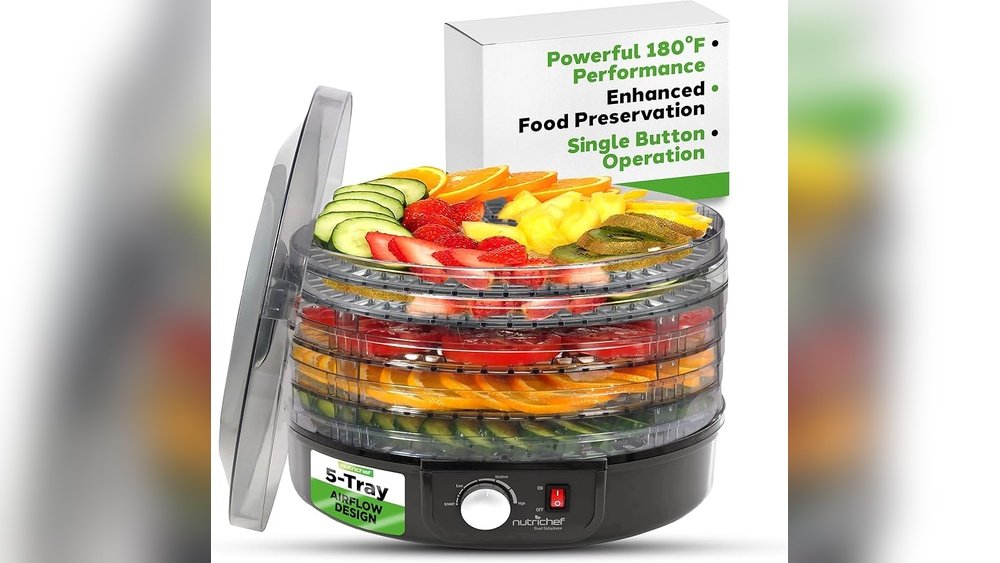
Cleaning your food dehydrator might seem like a chore, but it’s key to keeping your snacks tasty and safe. If you’ve ever wondered, “How do I clean a food dehydrator?” you’re in the right place.
In this post, you’ll discover simple, effective steps that save you time and effort. Imagine your dehydrator working like new every time you use it—no weird smells, no sticky residue, just fresh, delicious dried foods. Keep reading, and you’ll learn how to make cleaning quick and hassle-free.

Why Clean Your Dehydrator
Cleaning your food dehydrator is very important. It keeps your appliance safe and working well. Dirt and food bits can stay inside. This can cause bad smells and health risks. Regular cleaning helps avoid these problems. It also keeps your dehydrator in good shape for a long time.
Preventing Mold And Bacteria
Food pieces left inside can grow mold and bacteria. These can cause sickness. Mold spores spread quickly in warm, moist places. Cleaning stops mold before it starts. Removing food scraps stops bacteria growth. A clean dehydrator keeps your dried food safe to eat.
Maintaining Appliance Performance
Dirt and dust can block air flow inside the dehydrator. This makes it work harder. The drying process becomes slower and less even. Cleaning the trays and fans helps the air move freely. This keeps the dehydrator running well and dries food faster.
Extending Lifespan
Regular cleaning prevents damage from leftover food and dust. Parts stay in better condition longer. The motor and heating elements last more years. A clean dehydrator needs fewer repairs. Taking care of it saves money over time.

Gathering Cleaning Supplies
Cleaning a food dehydrator is easier with the right supplies. Preparing your cleaning tools before starting saves time. It also helps keep the process smooth and effective. Gather everything you need to clean without hassle.
Essential Tools
Collect soft cloths or sponges for wiping trays and surfaces. Use a small brush to reach tight corners. A plastic scraper helps remove stuck food bits gently. Have a basin or large sink ready for soaking trays. Paper towels come in handy for drying parts quickly.
Safe Cleaning Agents
Choose mild dish soap to avoid damaging your dehydrator. White vinegar works well to remove odors and kill germs. Baking soda helps with stubborn stains without harsh chemicals. Avoid bleach or strong cleaners that can harm parts. Always pick gentle, food-safe cleaning products for your appliance.
Disassembling The Dehydrator
Disassembling the dehydrator is the first step in cleaning it properly. Taking it apart helps reach all parts where food or dust can hide. This makes the cleaning process easier and more effective. Always handle each piece carefully to avoid damage.
Removing Trays And Accessories
Start by unplugging the dehydrator. Take out all trays one by one. Remove any racks, lids, or drip trays. Wash trays and accessories with warm, soapy water. Use a soft sponge to avoid scratches. Rinse well and let them dry completely before reassembling.
Handling Electrical Components
Do not immerse the main unit in water. Use a damp cloth to wipe the outside and inside. Avoid moisture near the power cord and control panel. Clean vents gently with a dry brush to clear dust. Ensure all parts are dry before plugging the dehydrator back in.
Cleaning The Trays
Cleaning the trays is an important step to keep your food dehydrator working well. Trays hold the food, so they collect bits and stains. Dirt and residue can affect the taste of dried food. Regular cleaning helps avoid this problem. It also keeps the trays safe and hygienic for every use.
Soaking And Scrubbing
Start by removing the trays from the dehydrator. Fill a sink or large basin with warm water and a few drops of mild dish soap. Let the trays soak for 10 to 15 minutes. This loosens dried food and sticky residue.
Use a soft sponge or brush to scrub each tray gently. Focus on corners and small holes where food can get stuck. Avoid harsh scrubbing to protect the tray’s surface. Rinse thoroughly with clean water. Let the trays air dry completely before placing them back.
Using Vinegar And Baking Soda
For stubborn stains or odors, try vinegar and baking soda. Sprinkle baking soda over the damp trays. Then, spray or pour white vinegar on top. The mix will bubble and help lift tough grime.
Leave this mixture on the trays for 10 minutes. Use a soft brush or cloth to scrub away dirt. Rinse the trays well with warm water. Dry them fully before the next use. This natural method cleans deeply and freshens trays without chemicals.
Wiping The Interior And Exterior
Cleaning a food dehydrator involves careful wiping of both the inside and outside parts. This step keeps the machine fresh and working well. Dirt and food bits can build up, so regular cleaning is important. Use soft cloths and gentle cleaners to avoid damage. Wiping removes dust, grease, and leftover food particles. It also helps stop bad smells from developing.
Avoiding Water Damage
Use only a damp cloth for wiping the dehydrator’s surface. Never pour water directly on the machine. Water can seep into electrical parts and cause damage. Make sure the cloth is not dripping wet. Dry the surface with a dry cloth after wiping. Keep the vents and electrical areas dry at all times. This practice keeps the dehydrator safe and extends its life.
Dealing With Stubborn Stains
For tough stains, use mild soap mixed with water. Apply the solution with a soft cloth or sponge. Avoid harsh chemicals that might harm the machine’s surface. Gently scrub the stained area until it clears. Rinse the cloth and wipe again to remove soap residue. Dry the area thoroughly to stop moisture buildup. Regular care prevents stains from becoming permanent.

Drying And Reassembling
Drying and reassembling a food dehydrator is a key step to keep it clean and ready for your next use. After washing, every part must dry completely to avoid mold or bad smells. Take your time to ensure no moisture remains.
Once dry, putting the trays back correctly helps the machine work well. Each tray has its place. Careful reassembly keeps your food safe and the device running smoothly.
Ensuring Complete Dryness
Dry all parts in a warm, well-ventilated area. Use a clean towel to remove water from tight spots. Avoid storing trays while wet. Moisture trapped inside can cause mold growth and odors. Make sure trays, lid, and base are fully dry before moving on.
Proper Tray Placement
Place trays in the original order. Most dehydrators have grooves or marks to guide placement. Stack trays evenly to allow good air flow. Do not overlap trays or block vents. Correct tray placement helps even drying of your food next time.
Tips For Regular Maintenance
Keeping your food dehydrator clean is key to its good work and long life. Regular care stops food smells and dirt from building up. It also keeps your dried food tasting fresh and safe. Follow easy steps to keep your machine ready for every use.
Cleaning Frequency
Clean your dehydrator after every use. Wipe trays and surfaces with a damp cloth. For a deeper clean, wash trays with warm, soapy water weekly. Dry all parts completely before storing. This stops mold and bacteria growth. A clean machine dries food faster and better.
Preventive Measures
Remove food bits right after drying. Use a soft brush to clean tight spots. Avoid harsh chemicals that can harm the machine. Keep the dehydrator in a dry place when not in use. Cover it to protect from dust. These small steps save time on heavy cleaning later.
Frequently Asked Questions
How Often Should I Clean My Food Dehydrator?
Clean your food dehydrator after every use to prevent bacteria buildup. Regular cleaning ensures better food taste and extends appliance life.
What Materials Are Safe To Clean A Food Dehydrator?
Use mild soap, warm water, and a soft cloth or sponge. Avoid harsh chemicals or abrasive scrubbers to protect the trays and surfaces.
Can I Clean Food Dehydrator Trays In The Dishwasher?
Most plastic and stainless steel trays are dishwasher safe. Always check the manufacturer’s instructions before placing trays in the dishwasher.
How Do I Remove Stubborn Food Residue From Dehydrator Trays?
Soak trays in warm, soapy water for 15-30 minutes. Then, gently scrub with a soft brush or sponge to remove residue.
Conclusion
Cleaning a food dehydrator keeps it working well and safe. Regular care stops old food smells and germs. Use mild soap and soft cloth for cleaning. Avoid harsh chemicals that can damage parts. Let all pieces dry fully before putting them back.
A clean dehydrator makes tasty, healthy snacks every time. Simple steps save time and keep your machine fresh. Start cleaning right after use to avoid buildup. Easy, regular cleaning helps your dehydrator last longer. Keep your dried foods pure and delicious with care.

