
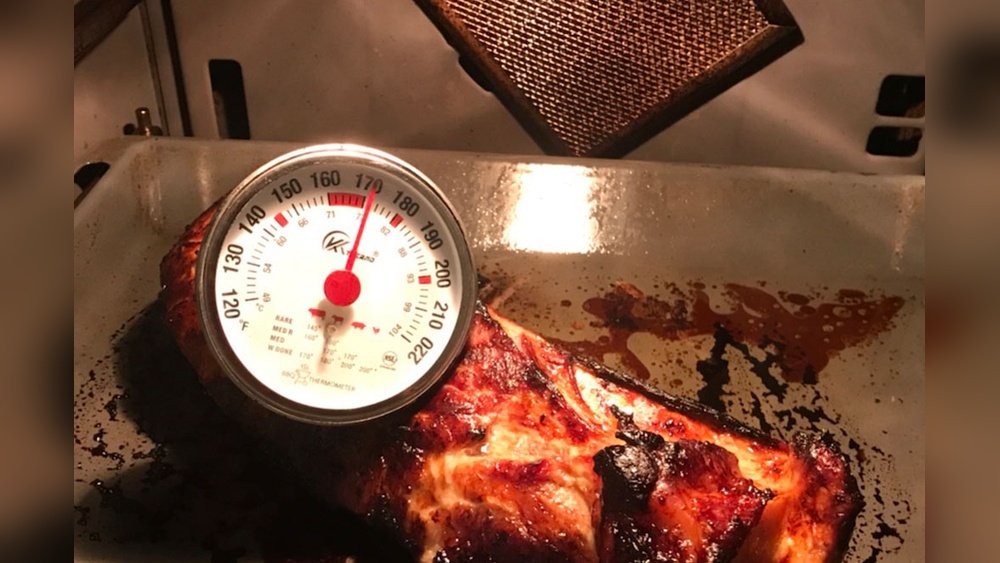
You rely on your meat thermometer to cook your food perfectly every time. But have you ever stopped to think about how clean it really is?
A dirty thermometer can affect your readings and even spread germs. Knowing how to clean your meat thermometer properly is simple, and it can keep your meals safe and tasty. Keep reading to discover easy steps that will help you maintain your thermometer and boost your cooking confidence.
Choosing The Right Thermometer
Choosing the right meat thermometer is key for safe and tasty cooking. A good thermometer gives quick and accurate readings. It helps avoid undercooked or overcooked meat. Knowing what type fits your needs makes a big difference. Consider the materials and features for easy use and cleaning.
Types Of Meat Thermometers
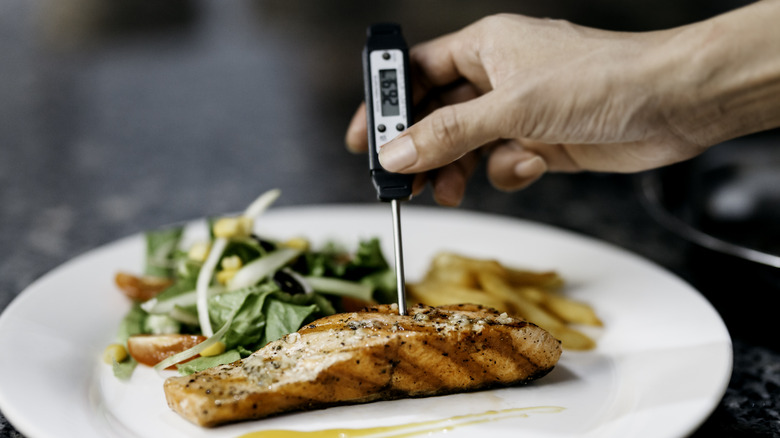
There are several types of meat thermometers. Instant-read thermometers give fast temperature readings. They are perfect for quick checks. Leave-in thermometers stay in the meat during cooking. Oven-safe models work for roasting or grilling. Digital thermometers show the temperature on a screen. Dial thermometers have a needle that points to the temperature.
Materials And Features
Thermometers come in different materials like stainless steel and plastic. Stainless steel is strong and easy to clean. Plastic parts can break but may be lighter. Look for waterproof models for easy washing. A clear display helps read temperatures quickly. Some thermometers have alarms for done meat. Choose one with a probe that resists heat and damage.
Why Clean A Meat Thermometer
Cleaning a meat thermometer is important for safety and performance. A clean thermometer helps keep food safe and ensures accurate readings. Without cleaning, bacteria can spread and readings may become wrong. This section explains why cleaning your meat thermometer matters.
Preventing Cross-contamination
Raw meat has harmful bacteria. These bacteria can transfer to other foods through a dirty thermometer. Cleaning stops this spread. It protects your family from foodborne illness. Always clean your thermometer after each use. It keeps your kitchen safe and healthy.
Maintaining Accuracy
Food residue can affect thermometer readings. Dirt or grease on the probe can give false temperatures. A clean thermometer gives correct results every time. This helps cook meat properly and avoid undercooking or overcooking. Clean your thermometer to trust its accuracy.
Basic Cleaning Steps
Cleaning a meat thermometer is simple but important. Proper cleaning keeps it accurate and safe to use. Follow these basic steps to clean your thermometer after each use. This helps avoid germs and food residue buildup.
Gathering Cleaning Supplies
Start by collecting what you need. Grab warm water, mild dish soap, a soft cloth, and rubbing alcohol. Avoid harsh chemicals or abrasive sponges. These can damage the thermometer.
Removing Food Residue
Rinse the probe under warm water to loosen food bits. Use the soft cloth with soap to gently wipe off any residue. Be careful not to soak the whole device. Focus on the metal probe only.
Sanitizing The Probe
Dip a cotton ball or cloth in rubbing alcohol. Wipe the probe thoroughly to kill bacteria. Let it air dry before storing. This step ensures your thermometer stays clean and safe for the next use.
Deep Cleaning Tips
Deep cleaning a meat thermometer is important for safety and accuracy. Dirt and bacteria can build up after many uses. Cleaning it well helps keep your food safe and your device working right. Use careful methods to clean without damaging the thermometer. Here are some deep cleaning tips to follow.
Using Vinegar Or Alcohol
Vinegar and alcohol kill germs and remove grease effectively. Soak a clean cloth in white vinegar or rubbing alcohol. Wipe the metal probe and handle gently. Avoid soaking the entire thermometer to protect its parts. Let it air dry before storing or using again. These liquids are safe and easy to find at home.
Avoiding Water Damage
Water can harm the thermometer’s electronics. Never submerge the device in water. Use a damp cloth instead of running water. Clean the probe carefully without letting water seep inside. Dry the thermometer with a soft towel right after cleaning. Proper care prevents damage and extends the thermometer’s life.
Cleaning Digital Thermometers
Cleaning digital meat thermometers keeps them accurate and safe to use. Dirt and food particles can harm the sensor and screen. Regular cleaning protects your device and helps it last longer. Always be gentle to avoid damage.
Handling The Display And Battery Area
Do not soak the thermometer in water. Water can damage the screen and battery compartment. Use a soft, damp cloth to wipe the display gently. Avoid pressing hard on the screen. Keep moisture away from the battery area to prevent rust and corrosion.
Safe Cleaning Solutions
Use mild soap mixed with warm water for cleaning. Avoid harsh chemicals or abrasive cleaners. Alcohol wipes work well to sanitize the probe. Clean the metal tip carefully after every use. Dry the thermometer fully before storing it. This prevents bacteria growth and keeps your device safe to use.

Storing Your Thermometer Safely
Storing your meat thermometer correctly keeps it safe and clean for the next use. Proper storage helps protect the sensitive parts and stops germs from spreading. Simple steps can extend the life of your thermometer and keep it ready for accurate readings.
Protecting The Probe
The probe is the most delicate part of your thermometer. Always store it in a protective case or cover. This prevents bending or breaking during storage. Avoid placing heavy items on top of the thermometer. Keep it in a dry place to stop rust or damage. Handle the probe gently to keep it working well.
Avoiding Contamination
Keep the thermometer away from raw meat or other contaminants after cleaning. Store it separately from other kitchen tools. Use a clean container or drawer to avoid germs. Make sure the thermometer is fully dry before putting it away. Clean storage stops bacteria and keeps your food safe.
Signs Your Thermometer Needs Replacement
Knowing when to replace your meat thermometer helps keep your cooking safe. A faulty thermometer can cause undercooked meat. That puts health at risk. Watch for clear signs that your device is no longer reliable. Act quickly to avoid food safety issues.
Inconsistent Readings
One key sign is inconsistent temperature readings. The thermometer may show different numbers for the same piece of meat. This makes it hard to know the true temperature. Inconsistent results often mean the sensor is damaged or worn out. Reliable cooking needs steady, accurate readings every time.
Physical Damage
Check your thermometer for cracks or broken parts. A bent probe or loose display can affect its performance. Water or food residue inside the device also harms it. Physical damage can stop the thermometer from working correctly. Replace it if you see any visible damage or malfunction.

Frequently Asked Questions
How Often Should I Clean My Meat Thermometer?
Clean your meat thermometer after every use. This prevents bacteria buildup and ensures accurate readings. Regular cleaning maintains hygiene and prolongs the tool’s life.
What Is The Best Way To Sanitize A Meat Thermometer?
Use hot, soapy water to wash the probe. Then, wipe it with a food-safe sanitizer or alcohol wipe. Avoid submerging digital parts to prevent damage.
Can I Use A Dishwasher To Clean A Meat Thermometer?
Most meat thermometers are not dishwasher safe. Heat and water pressure can damage the device. Always check manufacturer instructions before using a dishwasher.
How Do I Clean A Digital Meat Thermometer Probe?
Clean the probe with warm soapy water and a soft cloth. Avoid immersing the digital display in water. Dry thoroughly before storage.
Conclusion
Cleaning your meat thermometer keeps it safe and working well. Use warm, soapy water and a soft cloth for cleaning. Avoid soaking the whole device to protect its parts. Dry it fully before storing to stop rust or damage. Regular cleaning helps you cook food safely and accurately.
Simple steps make a big difference in your kitchen. Keep your thermometer clean, and enjoy better cooking results every time. Easy care extends your tool’s life and ensures safe meals.

