
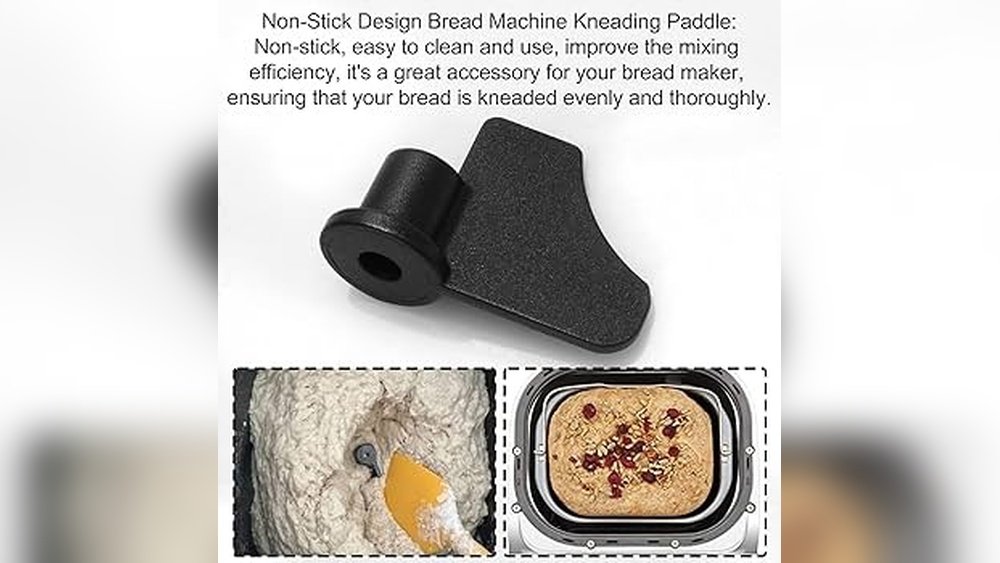
You’ve just finished making your favorite dough, and now comes the tricky part: cleaning the kneading paddle. If you’ve ever struggled with stubborn dough stuck on your paddle or wondered how to get it truly spotless without wasting time, you’re not alone.
Knowing the right way to clean your kneading paddle not only saves you effort but also keeps your kitchen tools in great shape for your next baking session. Keep reading, and you’ll discover simple, effective tips to make cleaning quick and hassle-free every time.

Why Clean The Kneading Paddle
Cleaning the kneading paddle is important for many reasons. It helps keep your bread maker working well. It also stops dough from sticking and builds up over time. A clean paddle means better bread and less hassle.
Preventing Dough Build-up
Dough can stick to the paddle after each use. Leftover dough hardens and becomes difficult to remove. This build-up changes how the paddle works. It can cause uneven mixing and poor dough texture. Cleaning the paddle stops dough from piling up. It keeps the paddle smooth and ready for the next use.
Maintaining Appliance Performance
A dirty paddle can affect the bread maker’s performance. Dough stuck on the paddle adds extra weight. The motor must work harder to turn the paddle. This can cause wear and tear on the machine. Regular cleaning keeps the paddle light and balanced. It helps the bread maker run smoothly and last longer.
Tools You’ll Need
Cleaning the kneading paddle is simple with the right tools. Using proper supplies helps remove dough and prevents buildup. Gather these items before you start to make the process quick and easy.
Basic Cleaning Supplies
- Warm water for rinsing off dough residue
- Mild dish soap to break down grease and dough
- A soft sponge or cloth for gentle scrubbing
- A small brush or toothbrush to reach tight spots
- A clean towel to dry the paddle after washing
Optional Cleaning Aids
- Baking soda paste to remove stubborn stains
- White vinegar for extra cleaning power and deodorizing
- Wood or plastic toothpicks for clearing stuck dough pieces
- Silicone scrubbers that are gentle on the paddle
Step-by-step Cleaning Process
Cleaning the kneading paddle properly keeps your bread maker working well. Dirt and dough can build up on the paddle. This affects the taste and texture of your bread. Follow these simple steps to clean the paddle safely and well. Each step is important to avoid damage and keep the paddle in good shape.
Removing The Paddle Safely
Turn off and unplug your bread maker first. Wait until the machine cools down. Gently pull the paddle straight out from the bread pan. Avoid using force to prevent breaking the paddle. If it is stuck, wiggle it slightly to loosen.
Soaking For Easy Residue Removal
Fill a bowl or sink with warm water. Add a few drops of mild dish soap. Place the kneading paddle in the water. Let it soak for 10 to 15 minutes. This softens stuck dough and makes cleaning easier.
Scrubbing Without Damage
Use a soft sponge or brush for scrubbing. Avoid hard scrubbers or steel wool. Gently clean all sides of the paddle. Pay attention to corners and crevices. Remove all dough and residue without scratching the surface.
Rinsing And Drying
Rinse the paddle under clean running water. Remove all soap and residue completely. Dry the paddle using a clean towel. Let it air dry fully before putting it back. This prevents rust and keeps the paddle ready for the next use.
Dealing With Stubborn Dough
Stubborn dough stuck on your kneading paddle can be tough to clean. It often hardens and clings to every corner. Removing it takes a bit more effort but is possible with the right steps. A clean paddle keeps your machine working well and prevents old dough from spoiling fresh batches.
Using Warm Water And Soap
Start by soaking the paddle in warm water. This softens the stuck dough. Use mild dish soap to help break down grease and residues. Gently scrub with a soft sponge. Avoid harsh scrubbing that might damage the paddle’s surface. Rinse thoroughly to remove all soap traces.
Applying Baking Soda Paste
Baking soda is a natural cleaner. Make a paste with baking soda and water. Apply the paste to the dough spots. Let it sit for 10 to 15 minutes. The paste loosens hardened dough and neutralizes odors. Scrub lightly after soaking. Rinse well to clear all baking soda.
Utilizing Toothbrush For Crevices
Stubborn dough hides in small gaps and crevices. A toothbrush reaches these tight spots. Dip the brush in warm soapy water. Scrub gently around edges and corners. This removes dough stuck in hard-to-reach places. Rinse the paddle fully after brushing. Dry it completely before storing.
Cleaning Tips For Different Paddle Types
Cleaning kneading paddles properly keeps them in good condition. Different paddle materials need different care methods. This section shares tips for cleaning plastic and metal paddles. Following these tips will help your paddle last longer and stay hygienic.
Plastic Kneading Paddles
Plastic paddles need gentle cleaning. Use warm water and mild soap to wash off dough and residue. Avoid harsh scrubbing tools that can scratch the surface. A soft sponge or cloth works best. Rinse thoroughly to remove all soap. Dry the paddle completely with a towel. Do not leave plastic paddles soaking for a long time. Prolonged soaking can weaken the plastic.
Metal Kneading Paddles
Metal paddles are sturdy but still need careful cleaning. Use warm water and dish soap to clean. A soft brush can help remove stuck dough. Avoid steel wool or abrasive pads to protect the metal finish. Dry the paddle immediately after washing to prevent rust. For extra care, occasionally apply a light coating of food-safe oil. This keeps the metal shiny and rust-free.

Preventing Future Build-up
Preventing build-up on your kneading paddle keeps it working well and lasting longer. Regular care stops dough and residue from hardening. This makes cleaning easier and keeps your paddle hygienic. Two simple habits help maintain your paddle in top shape.
Routine Cleaning Habits
Clean the paddle right after use. Rinse it with warm water to remove dough bits. Use a soft brush or sponge to scrub gently. Avoid harsh scrubbing that might damage the surface. Dry the paddle fully before storing. This prevents moisture and mold growth. Repeat this routine after every baking session.
Proper Storage Techniques
Store the paddle in a dry, cool place. Avoid putting it in tight, enclosed spots. Air circulation helps keep it dry and fresh. Keep the paddle separate from other kitchen tools. This avoids scratches and damage. Use a clean container or hang it if possible. Proper storage reduces dust and build-up over time.

Frequently Asked Questions
How Do I Remove Dough From The Kneading Paddle?
To remove dough, soak the paddle in warm water for 10 minutes. This softens the dough, making it easier to wipe off with a sponge or brush.
Can I Wash The Kneading Paddle In A Dishwasher?
Most kneading paddles are dishwasher safe, but check your manual. Hand washing is gentler and prolongs the paddle’s life.
What Cleaning Agents Are Safe For The Kneading Paddle?
Use mild dish soap and warm water. Avoid harsh chemicals or abrasive scrubbers that can damage the paddle’s surface.
How Often Should I Clean The Kneading Paddle?
Clean the paddle immediately after each use to prevent dough buildup and bacteria growth. Regular cleaning keeps it in top condition.
Conclusion
Cleaning the kneading paddle keeps your bread maker working well. Rinse it soon after use to stop dough from sticking. Use warm water and mild soap for best results. Avoid sharp tools that can damage the paddle’s surface. Dry it completely before storing to prevent rust.
Regular care helps your kneading paddle last longer. Easy steps save time and effort. Keep your kitchen tools clean and ready for your next baking session. Simple habits make a big difference in your baking experience.

