
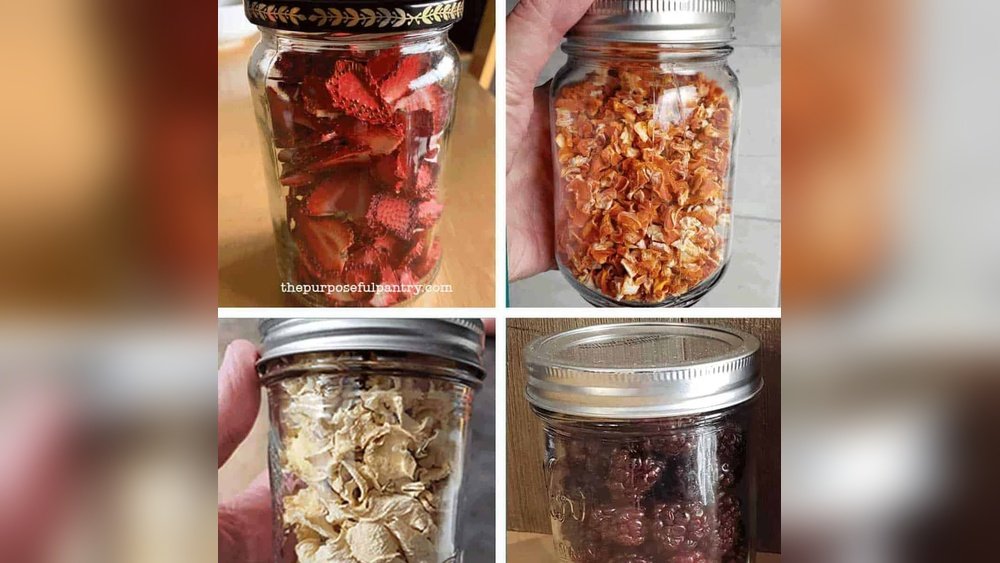
Are you tired of finding mold on your dehydrated food, ruining your hard work and saving efforts? You’re not alone.
Mold can sneak in quietly, turning your nutritious snacks into something unsafe to eat. But what if you could stop it before it starts? You’ll discover simple, practical steps to keep your dehydrated food fresh and mold-free. By following these tips, you’ll protect your food, save money, and enjoy your snacks with confidence.
Keep reading, and learn how to make mold a thing of the past for your dehydrated foods.
Causes Of Mold On Dehydrated Food
Mold can grow on dehydrated food for several reasons. Understanding these causes helps keep food safe and fresh. Mold needs certain conditions to thrive, even on dried food.
Dehydrated food may seem dry, but tiny amounts of moisture can still cause mold. Other factors like storage and contamination also play a role.
Moisture And Humidity Factors
Moisture is the main cause of mold on dehydrated food. Even small amounts of water can help mold grow. High humidity in the air adds moisture to the food. This makes dehydrated food unsafe to eat. Keeping food dry is key to stopping mold.
Storage Conditions
Storing dehydrated food in warm or damp places leads to mold. Air leaks in containers let moisture inside. Not sealing bags or jars properly causes mold growth. Use airtight containers and cool spots for storage. Avoid direct sunlight and heat sources.
Contamination Sources
Mold spores can come from dirty hands, tools, or surfaces. Using unclean drying equipment spreads mold to food. Cross-contamination from other moldy foods is common. Always clean hands and tools before handling food. Keep drying and storage areas clean.
Selecting Quality Produce
Selecting quality produce is the first step to prevent mold on dehydrated food. Fresh and good ingredients dry better and last longer. Poor quality produce can spoil faster and invite mold growth. Choosing the right fruits and vegetables ensures better taste and safety.
Choosing Fresh Ingredients
Fresh ingredients have firm texture and bright color. Avoid items with bruises or soft spots. These signs show damage or decay. Fresh produce holds less moisture, which helps drying. It also reduces the chance of mold growth after dehydration.
Avoiding Overripe Items
Overripe fruits and vegetables are soft and sweet. They contain more moisture and sugars. These factors increase mold risk during storage. Always pick produce that is ripe but still firm. This balance helps the food dry evenly and stay mold-free.
Proper Drying Techniques
Proper drying techniques are essential to prevent mold on dehydrated food. Drying removes moisture that mold needs to grow. Careful drying keeps food safe and lasts longer.
Several factors affect drying quality. Temperature, airflow, and equipment choice all play a role. Using the right methods ensures even drying and stops mold from forming.
Optimal Drying Temperatures
Set the drying temperature correctly. Most fruits dry well between 130°F and 140°F. Vegetables need slightly higher heat, around 125°F to 135°F. Too low a temperature leaves moisture. Too high can cook the food instead of drying it.
Ensuring Even Drying
Spread food pieces in a single layer. Avoid overlapping to let air circulate freely. Turn the food halfway through drying. This helps all parts dry evenly. Uneven drying causes some areas to stay wet, inviting mold.
Using The Right Equipment
Use a dehydrator with good airflow and temperature control. Avoid drying food in closed containers or plastic bags. Use trays that allow air to pass underneath. Proper equipment helps keep drying consistent and prevents mold growth.
Storage Best Practices
Proper storage is key to keeping dehydrated food free from mold. Moisture and air cause mold to grow quickly. Storing food the right way protects it and keeps it fresh longer.
Follow these storage best practices to stop mold and enjoy your dehydrated food safely.
Airtight Containers
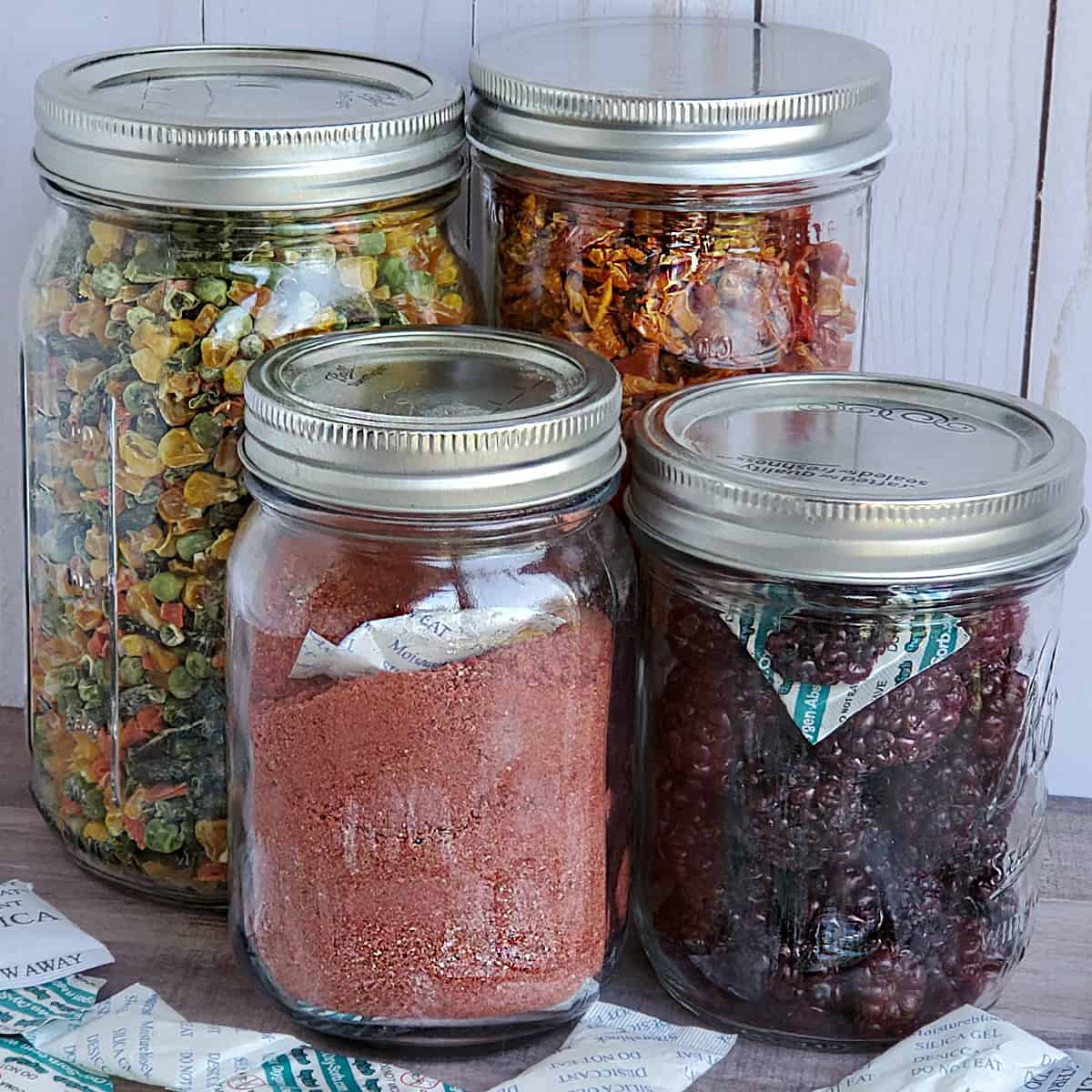
Use airtight containers to block air and moisture. Glass jars with tight lids work well. Plastic containers with secure seals are good too. Avoid containers that let air in. Airtight containers keep food dry and mold-free.
Cool And Dry Environments
Store dehydrated food in a cool place below 70°F. Warmth encourages mold growth. Keep food away from sunlight and heat sources. Dry areas reduce moisture that molds need to grow. A pantry or cupboard is ideal for storage.
Vacuum Sealing Benefits
Vacuum sealing removes air around the food. This cuts off oxygen mold needs to thrive. It also locks in freshness and flavor. Vacuum-sealed bags save space and protect food longer. Use a vacuum sealer for best results with dehydrated foods.
Preventing Cross-contamination
Preventing cross-contamination is key to stopping mold on dehydrated food. Mold spores spread easily from dirty tools or surfaces. Keeping everything clean helps keep food safe and fresh longer.
Clean Handling Tools
Use clean tools every time you handle dehydrated food. Wash knives, spoons, and trays with hot, soapy water. Dry tools fully before use to stop mold growth. Avoid using the same tools on fresh and dried food without cleaning.
Sanitizing Storage Areas
Store dehydrated food in clean, dry places only. Wipe shelves and containers with a mild sanitizer regularly. Let storage areas dry completely before putting food back. Clean areas reduce mold spores and keep food fresh.
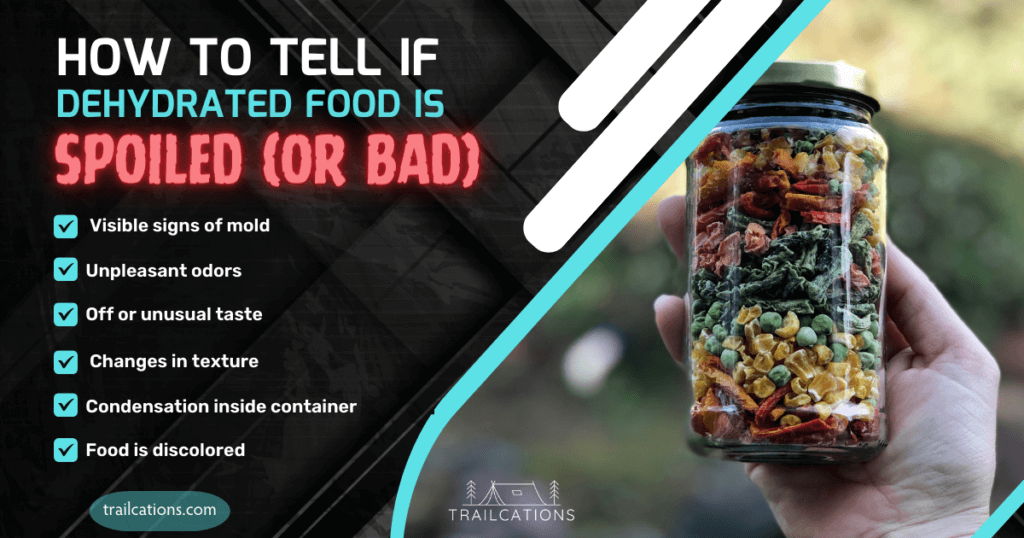
Signs Of Mold And Spoilage
Mold and spoilage can ruin dehydrated food quickly. Spotting the signs early helps keep food safe. Knowing what to watch for protects your health and saves money. Here are the main signs to check on your dehydrated food.
Visual Indicators
Mold often shows as fuzzy spots on food. These spots may be white, green, black, or blue. Discoloration or dark patches also signal spoilage. Look closely for any unusual colors or growths. Clear packaging helps see these changes easily.
Odor Changes
Fresh dehydrated food has a mild or neutral smell. A sour, musty, or sharp odor means spoilage. Mold gives off a damp, earthy smell. Trust your nose. Bad smells often come before visible mold appears.
Texture Alterations
Dry food should feel crisp or firm. If it becomes sticky, slimy, or soft, it may be spoiled. Mold can make food powdery or fuzzy to touch. Texture changes often mean moisture got inside the packaging.
Additional Preservation Tips
Preventing mold on dehydrated food needs more than just drying. You can use extra methods to keep your food safe and fresh longer. These tips work well with drying to stop moisture and mold growth.
Using Desiccants
Desiccants absorb moisture from the air inside storage containers. Small packets of silica gel are common desiccants. Place them with your dehydrated food to keep it dry. They help lower humidity and stop mold spores from growing. Remember to replace desiccants once they become saturated.
Freezing Dehydrated Food
Freezing slows down mold and bacteria growth. Store dehydrated food in airtight bags before freezing. This adds an extra layer of protection against moisture. Frozen dehydrated food lasts much longer. It keeps food fresh without changing taste or texture.
Regular Inspection
Check your dehydrated food often for any signs of mold or moisture. Look for changes in color, smell, or texture. Early detection helps you remove spoiled food quickly. This prevents mold from spreading to other items. Regular inspection keeps your food safe to eat.

Frequently Asked Questions
How Can I Keep Dehydrated Food Mold-free?
Store dehydrated food in airtight containers with moisture absorbers. Keep it in a cool, dry place. Avoid exposure to humidity and air to prevent mold growth.
What Is The Best Storage Method For Dehydrated Food?
Use vacuum-sealed bags or glass jars with tight lids. Store in a dark, cool environment. This reduces moisture and air, minimizing mold risk.
How Does Moisture Cause Mold On Dehydrated Food?
Moisture creates a damp environment that promotes mold growth. Dehydrated food must stay dry to remain safe and mold-free. Always check for humidity in storage areas.
Can Refrigeration Prevent Mold On Dehydrated Food?
Yes, refrigeration slows mold growth by keeping food cold. However, ensure food is sealed tightly to avoid moisture absorption inside the fridge.
Conclusion
Preventing mold on dehydrated food needs care and attention. Store food in dry, cool places with good air flow. Use airtight containers to keep moisture out. Check your food often for any signs of mold. Dry food fully before storing to stop mold growth.
Clean your drying tools and storage containers regularly. These simple steps help keep your food safe and fresh longer. Enjoy your dehydrated food without worry.

