
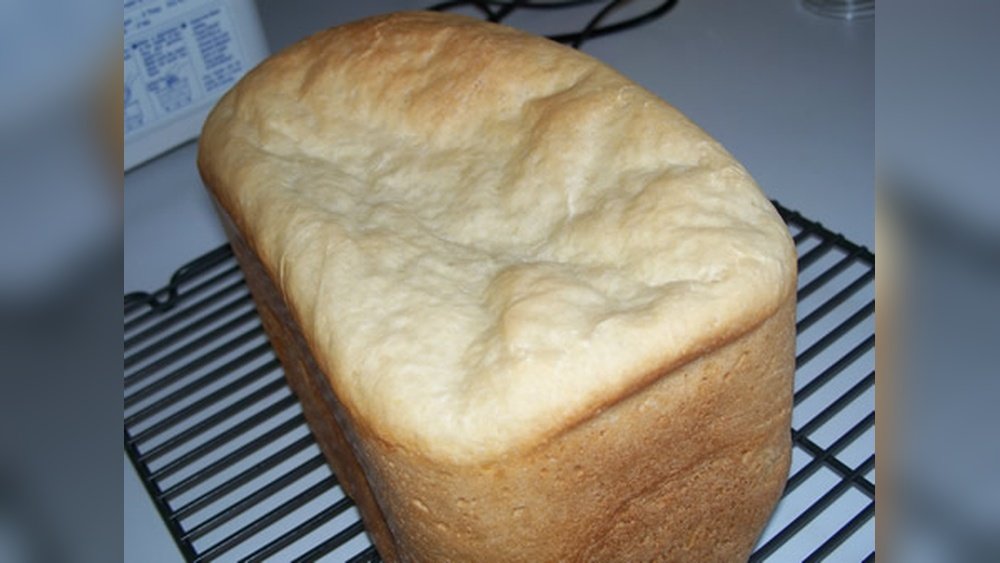
Have you ever taken a bite of your homemade bread only to find it has collapsed or turned out dense and flat? It’s frustrating when your hard work doesn’t pay off the way you hoped.
But don’t worry—there are simple steps you can take to keep your bread light, fluffy, and perfectly risen every time. You’ll discover easy-to-follow tips that will help you prevent your bread from collapsing and enjoy the delicious results you deserve.
Keep reading, and soon your baking will rise to a whole new level.
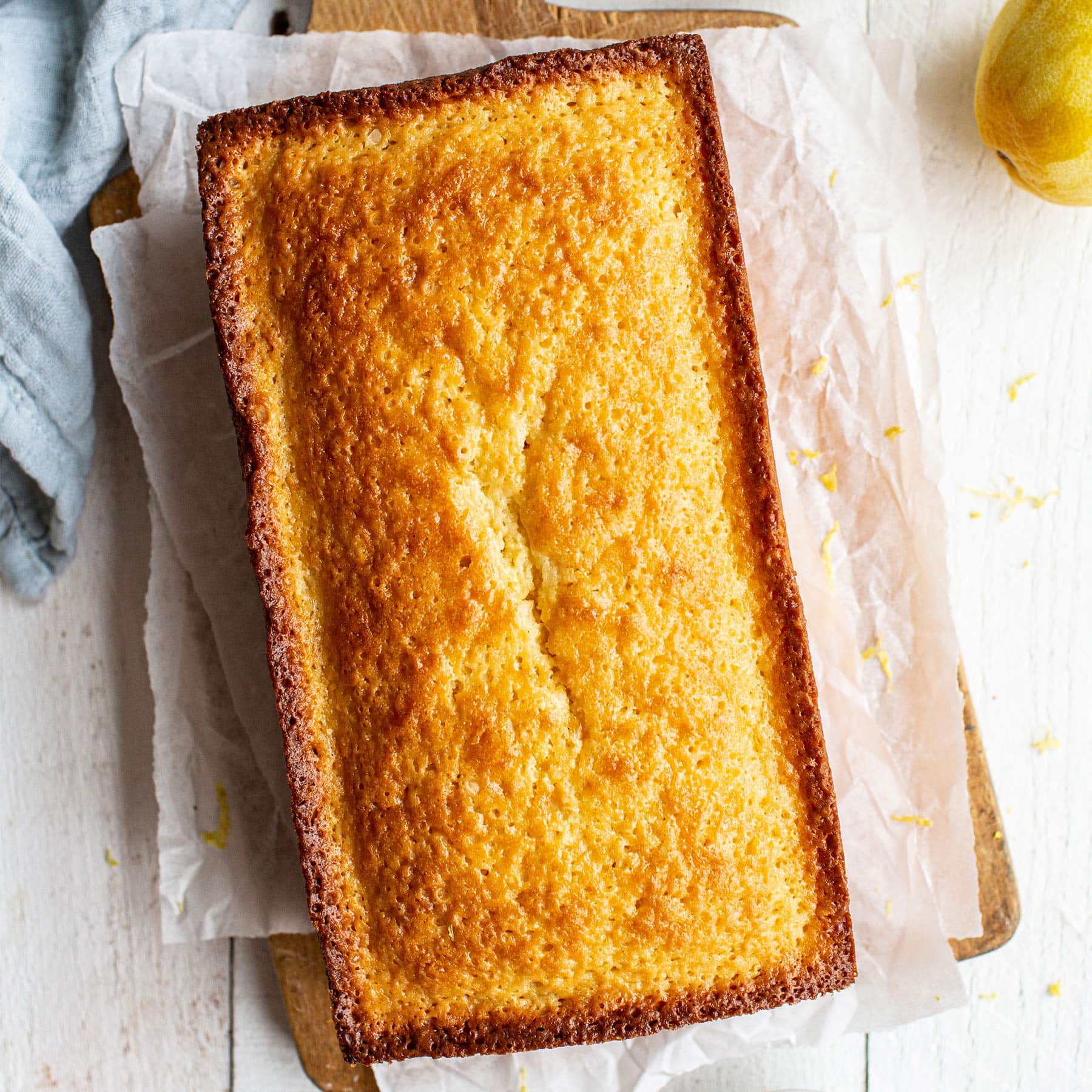
Causes Of Bread Collapse
Bread collapse can be frustrating. Understanding its causes helps you bake better. Bread may fall due to several key reasons. These include overproofing, wrong oven temperature, weak dough, and too much moisture. Each factor affects the bread’s texture and shape.
Overproofing Effects
Overproofing happens when dough rises too long. The yeast uses up all the food. The dough weakens and can’t hold its shape. This causes bread to collapse after baking. Watch the dough closely to avoid this problem.
Incorrect Oven Temperature
Oven temperature affects how bread bakes. Too low heat makes bread rise slowly. The crust stays soft and won’t support the bread. High heat can burn the crust but leave the inside undercooked. Use an oven thermometer for accurate temperature.
Weak Dough Structure
Dough needs strong gluten to rise well. Weak gluten means bread won’t hold gas inside. The dough becomes floppy and collapses easily. Knead the dough enough to develop gluten. Use strong bread flour for better structure.
Excess Moisture Issues
Too much water in dough causes problems. Wet dough can spread out and lose shape. It may also take longer to bake. This leads to a soggy, collapsed loaf. Measure water carefully and adjust for flour type.
Choosing The Right Ingredients
Choosing the right ingredients is key to stopping bread from collapsing. Each component plays a role in the bread’s structure and rise. Picking the proper flour, yeast, salt, and sugar helps create a strong dough. Strong dough holds gas better and bakes into a loaf that stays tall and fluffy.
Flour Types And Protein Content
Flour type affects how much the dough can stretch and hold air. Bread flour has more protein than all-purpose flour. Protein forms gluten, which gives dough its strength. More gluten means stronger dough that traps gas well. Use bread flour for taller, less collapsed bread.
Yeast Selection
Yeast creates gas that makes bread rise. Active dry yeast and instant yeast are common. Instant yeast works faster but both can give good results. Use fresh yeast for steady rising. Old yeast can cause weak rise and collapse. Measure yeast carefully to avoid too much gas or no rise.
Role Of Salt And Sugar
Salt controls yeast activity and strengthens gluten. Too little salt makes dough weak and prone to collapse. Too much salt kills yeast and stops rising. Sugar feeds yeast and helps browning. Use sugar in moderation to balance yeast activity. Proper salt and sugar levels keep dough stable and strong.
Mastering Dough Preparation
Mastering dough preparation is key to preventing bread from collapsing. The dough must have the right texture and strength. This creates a strong structure that holds air bubbles during baking. Proper preparation helps the bread rise evenly and keep its shape.
Proper Kneading Techniques
Kneading develops gluten in the dough. Gluten forms a network that traps gas. This makes the bread rise well and stay firm. Use firm, even pressure while kneading. Knead until the dough feels smooth and elastic. Avoid under-kneading, which causes weak structure. Over-kneading can make dough tough and hard to rise.
Hydration Balance
Dough needs the right water amount. Too much water makes dough too soft. It cannot hold air well and may collapse. Too little water makes dough dry and tight. This slows rising and causes dense bread. Aim for a sticky but manageable dough. Adjust water based on flour type and humidity.
Controlling Dough Temperature
Dough temperature affects yeast activity. Warm dough helps yeast grow and produce gas. Cold dough slows yeast, delaying rise. Keep dough between 75°F and 80°F (24°C to 27°C). Use warm water and a warm place for rising. Avoid hot temperatures that kill yeast or weaken gluten.

Proofing Tips To Avoid Collapse
Proofing is a key step in bread baking. It helps the dough rise and develop flavor. Proper proofing stops the bread from collapsing after baking. Follow these tips to proof your dough perfectly.
Optimal Proofing Time
Proofing takes time but not too long. Dough needs enough time to rise fully. Under-proofed dough shrinks in the oven. Over-proofed dough loses strength and collapses. Watch the dough closely during proofing. Usually, it takes one to two hours. Adjust time based on room temperature and dough type.
Ideal Proofing Environment
Dough likes warm, moist places for proofing. A dry or cold spot slows yeast activity. Use a bowl covered with a damp cloth. Keep the dough in a warm corner of the kitchen. Avoid hot spots that can kill yeast. Aim for about 75°F (24°C) for best results.
Testing Dough Readiness
Check if the dough is ready before baking. Gently press your finger into the dough. It should leave a small dent that fills slowly. If the dough springs back quickly, it needs more time. If the dent stays, it may be over-proofed. This simple test helps avoid collapse.
Baking Strategies For Stable Bread
Baking stable bread takes more than just following a recipe. Careful baking strategies make a big difference. These tips help bread keep its shape and texture after baking.
Understanding oven settings, steam use, and cooling methods can stop bread from collapsing. Each step affects how the bread holds up in the oven and after.
Correct Oven Settings
Set the oven to the right temperature before baking. Too hot, and the bread crust forms too fast, trapping steam inside. Too cool, and the bread won’t rise well.
Preheat your oven fully. Use an oven thermometer to check real heat. Follow the recipe’s temperature and baking time closely for best results.
Using Steam Effectively
Steam helps the bread rise and develop a crispy crust. Add steam in the first few minutes of baking. Use a pan of hot water or spray water inside the oven.
Too much steam can make the crust soft. Too little steam can cause a dry crust and cracks. Balance is key for a strong, stable loaf.
Avoiding Rapid Cooling
Cool bread slowly to keep its shape. Sudden cold air can make the bread collapse or become soggy. Remove bread from the pan, but let it cool on a rack.
Do not cover the bread while cooling. Let air flow around the loaf. This helps the crust stay firm and prevents moisture buildup inside.
Troubleshooting Common Problems
Troubleshooting common bread problems can help save your loaf. Baking bread is a science and art. Small mistakes can cause the bread to collapse or become dense. Knowing how to spot issues and fix them makes baking easier. This section covers common problems and simple solutions.
Follow these tips to improve your bread texture and rise. Baking is about practice and learning from each loaf.
Identifying Overproofed Bread
Overproofed bread has risen too much before baking. The dough looks very soft and swollen. It may feel weak and collapse when touched. Overproofed dough loses strength and cannot hold its shape. The bread may have large holes inside and a flat top. To avoid this, watch the dough closely during the final rise. Bake as soon as the dough passes the poke test.
Fixing Dense Or Gummy Texture
Dense or gummy bread means it did not bake properly. This can happen if the dough is too wet or underbaked. Check the oven temperature and baking time. Use a thermometer to confirm the bread’s internal temperature reaches 190°F to 200°F. Too little kneading can also cause dense bread. Knead the dough until smooth and elastic to develop gluten. Proper cooling on a wire rack prevents sogginess.
Adjusting Recipes For Altitude
Baking at high altitudes changes how bread rises and bakes. Lower air pressure makes dough rise faster and can cause collapse. Reduce yeast amount and shorten rising times. Increase oven temperature slightly to set the crust faster. Add a bit more flour for stronger dough structure. Watch dough carefully and adjust based on how it behaves. Small changes can improve bread quality at high altitudes.

Frequently Asked Questions
Why Does My Bread Collapse After Baking?
Bread collapses due to underbaking, weak gluten, or over-proofing. Ensure proper kneading, proofing time, and baking temperature to prevent collapse.
How Can I Avoid Over-proofing Bread Dough?
Watch dough rise closely and avoid doubling it twice. Use a timer and poke test to check readiness before baking.
What Role Does Gluten Play In Bread Structure?
Gluten forms a stretchy network that traps gas. Strong gluten supports bread rise and prevents it from collapsing after baking.
Does Oven Temperature Affect Bread Collapsing?
Yes, baking at too low a temperature can cause collapse. Preheat the oven and bake at the recommended temperature for best results.
Conclusion
Preventing bread from collapsing takes attention and care. Use the right amount of flour and water. Avoid opening the oven door too soon. Let the bread cool completely before cutting. Watch your dough rise but don’t let it overproof. These small steps make a big difference.
Keep practicing, and your bread will turn out perfect every time. Baking bread is simple with patience and good habits. Enjoy the process and the tasty results.

