
Are you wondering how to keep your dehydrated food fresh and tasty for as long as possible? Proper storage is the secret to making sure your dried fruits, veggies, and meals stay safe and delicious.
If you don’t store them right, you could lose all that hard work and money. You’ll discover simple, effective ways to store your dehydrated food so it lasts longer and stays full of flavor. Keep reading—you’ll learn easy tips that anyone can follow to protect your food and enjoy it whenever you want.

Choosing The Right Containers
Choosing the right containers is key to storing dehydrated food safely. The right container keeps moisture, air, and pests away. It helps keep food fresh for a long time. Different containers offer different benefits. Understanding these options helps you pick the best one for your needs.
Glass Jars And Airtight Lids
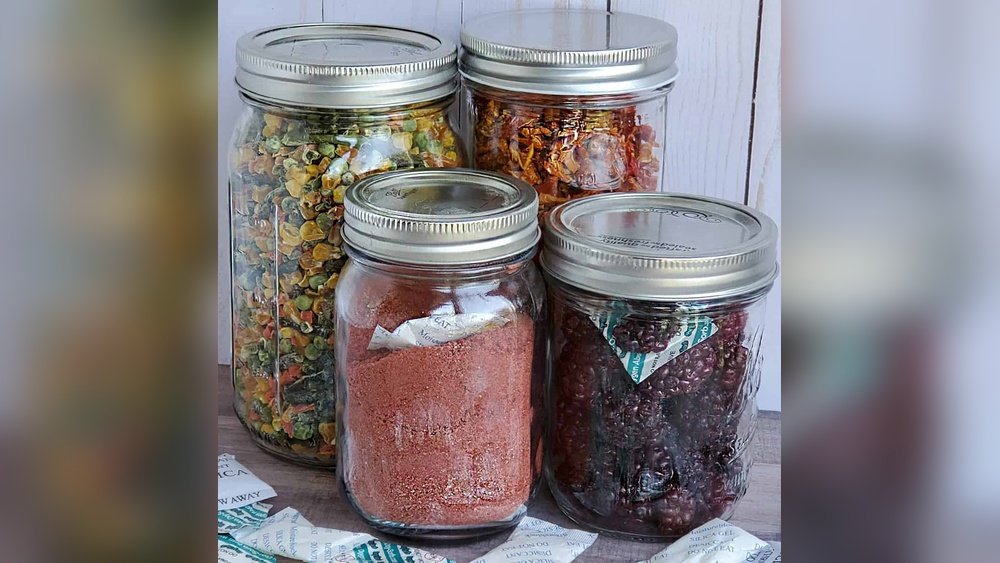
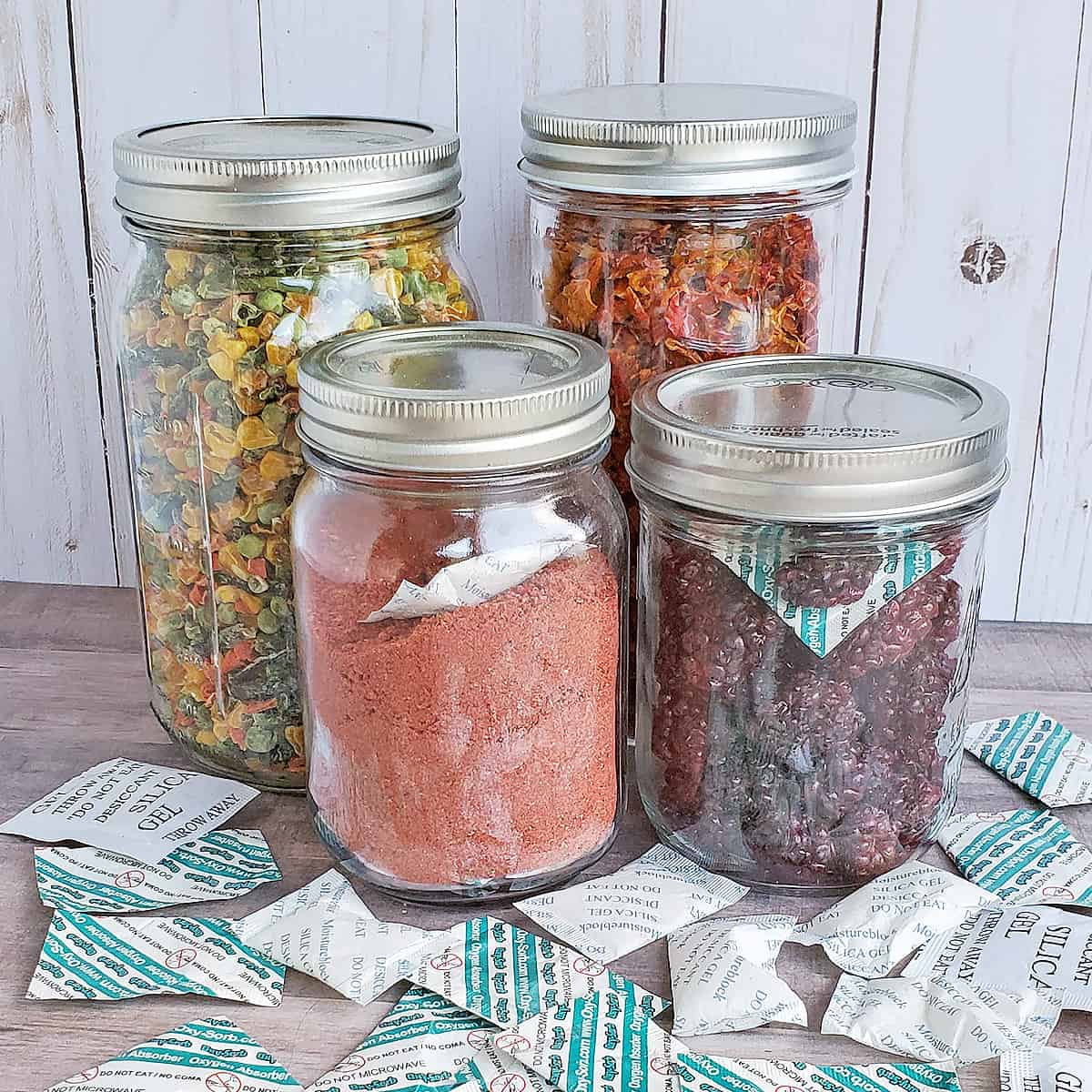
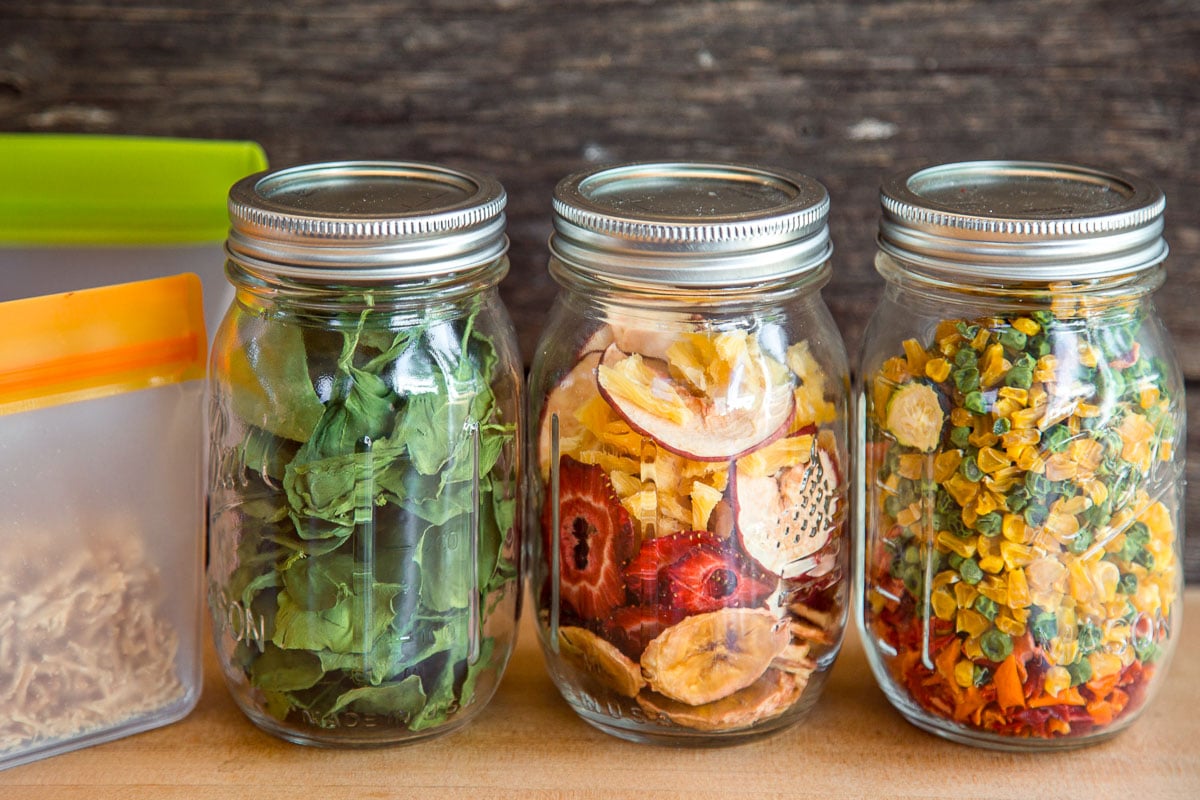
Glass jars protect food from air and moisture. They do not absorb smells or stains. Airtight lids seal the jar tightly. This stops air from spoiling the food. Glass jars are easy to clean and reuse. They are perfect for small amounts of dehydrated food. Clear glass lets you see the contents inside. Store jars in a cool, dark place for best results.
Vacuum-sealed Bags
Vacuum-sealed bags remove air around the food. This slows down food spoilage and insect damage. These bags are lightweight and save space. They keep food fresh for a longer time. Sealing machines are needed to remove air properly. Vacuum bags work well for bulk storage. Make sure the bags are strong and puncture-resistant. Store bags in a cool, dry area away from sunlight.
Mylar Bags With Oxygen Absorbers
Mylar bags block light, air, and moisture very well. Oxygen absorbers inside the bags remove extra oxygen. This stops bacteria and mold from growing. Mylar bags are good for long-term storage. They come in many sizes to fit your needs. Seal bags tightly with a heat sealer. Keep the bags away from heat and sunlight. These bags help keep dehydrated food fresh for years.
Optimal Storage Conditions
Storing dehydrated food properly helps keep it fresh and safe to eat. The right conditions slow down spoilage and protect flavor. Focus on three key factors: temperature, moisture, and humidity. These control how long your food lasts.
Cool And Dark Places
Keep dehydrated food in cool spots below 70°F (21°C). Heat speeds up food breakdown and reduces shelf life. Dark places prevent light from damaging vitamins and colors. A pantry or cupboard away from sunlight works well.
Avoiding Moisture And Heat
Moisture ruins dehydrated food fast. Use airtight containers to block water and air. Avoid storing food near ovens, stoves, or heaters. Heat causes condensation inside containers, leading to mold growth. Dry and cool is best.
Controlling Humidity Levels
Humidity above 60% risks food spoilage. Use moisture absorbers like silica gel packs inside storage containers. Check containers regularly for signs of dampness. Keep the room ventilated to lower humidity naturally.
Packaging Techniques
Packaging techniques play a key role in keeping dehydrated food fresh and safe. Proper packaging stops moisture, air, and pests from spoiling your food. It also helps keep the flavor and nutrients intact for a longer time.
Proper Sealing Methods
Seal your dehydrated food tightly to block air and moisture. Use vacuum sealers or heat seal bags for best results. Make sure the bags or containers close fully with no gaps. Double sealing can add extra protection.
Using Oxygen Absorbers Effectively
Oxygen absorbers remove oxygen from the package to slow down spoilage. Place the right size absorber inside your sealed container or bag. Avoid touching absorbers with wet hands. They work best in airtight packaging.
Layering And Portioning
Divide food into smaller portions before packaging. Use layers of parchment paper or plastic sheets between food types. This prevents sticking and makes it easy to grab just what you need. Portioning also helps reduce waste and keeps food fresh longer.
Labeling And Rotation
Labeling and rotation are key to storing dehydrated food properly. They keep food fresh and safe to eat. Clear labels help you know what’s inside each container. Rotation means using older food first, so nothing goes to waste.
Date Marking For Freshness
Write the date you dehydrated the food on each package. Use a permanent marker or label stickers. This way, you can track how long the food has been stored. It helps you avoid eating food that is too old or stale.
First In, First Out System
Place the oldest dehydrated food in front of newer items. This system makes sure you use older food first. It reduces the risk of spoilage. Always add new food to the back of the shelf or container.
Tracking Inventory
Keep a list of all your dehydrated foods and their dates. Update it each time you add or use food. This tracking helps you plan meals and avoid running out. You will save money and reduce food waste.
Long-term Storage Tips
Storing dehydrated food for a long time needs care. Proper storage keeps food safe and tasty. Follow simple steps to extend shelf life. Avoid moisture, air, and light as much as possible. Use the right containers and check food often.
Freezing Dehydrated Foods
Freezing is a good way to store dehydrated food. It stops moisture and bacteria growth. Use airtight bags or containers made for freezing. Label with the date before freezing. Take out only what you need to avoid thawing and refreezing.
Regular Quality Checks
Check your stored food every few months. Look for signs of moisture or mold. Smell the food to detect any bad odors. If food feels soft or sticky, it may have absorbed moisture. Replace damaged packaging to keep food fresh longer.
Reviving Dehydrated Food
To bring back flavor and texture, soak food in water. Use warm water for fruits and vegetables. For meats, simmer gently in broth or water. Avoid over-soaking to keep food from becoming mushy. This process helps food taste better and cook evenly.
Frequently Asked Questions
How Long Does Dehydrated Food Last When Stored Properly?
Dehydrated food can last 1 to 2 years if stored in airtight containers. Cool, dark, and dry environments extend shelf life. Proper storage prevents moisture and pests, preserving food quality and nutrition.
What Is The Best Container For Storing Dehydrated Food?
Use airtight glass jars, vacuum-sealed bags, or Mylar bags with oxygen absorbers. These containers block air, moisture, and light, keeping dehydrated food fresh longer. Avoid plastic bags without seals for long-term storage.
Should Dehydrated Food Be Stored In A Cool Or Warm Place?
Store dehydrated food in a cool, dry place below 70°F (21°C). Warm temperatures can degrade nutrients and flavor. Avoid direct sunlight, heat sources, and humidity to maintain food quality.
Can I Store Dehydrated Food In The Refrigerator Or Freezer?
Yes, refrigerating or freezing dehydrated food prolongs shelf life and maintains quality. Use airtight containers to prevent moisture absorption. Thaw completely before use to avoid spoilage or texture changes.
Conclusion
Storing dehydrated food keeps it fresh and tasty for longer. Use airtight containers to block moisture and air. Keep containers in a cool, dark, and dry place. Label each container with the date of storage. Check food regularly for any signs of spoilage.
Proper storage saves money and reduces waste. Enjoy your dehydrated food anytime without worry. Simple steps make a big difference in food quality. Ready to store your food right?

