
Have you ever wondered how a bread maker turns simple ingredients into warm, fresh bread without any hassle? If you love the idea of homemade bread but don’t want to spend hours kneading dough or watching the oven, a bread maker could be your new best friend.
Understanding how this clever machine works will not only make you appreciate your daily loaf more but also help you get the best results every time. Keep reading, and you’ll discover the secrets behind your bread maker’s magic and how to make it work perfectly for you.
Bread Maker Components
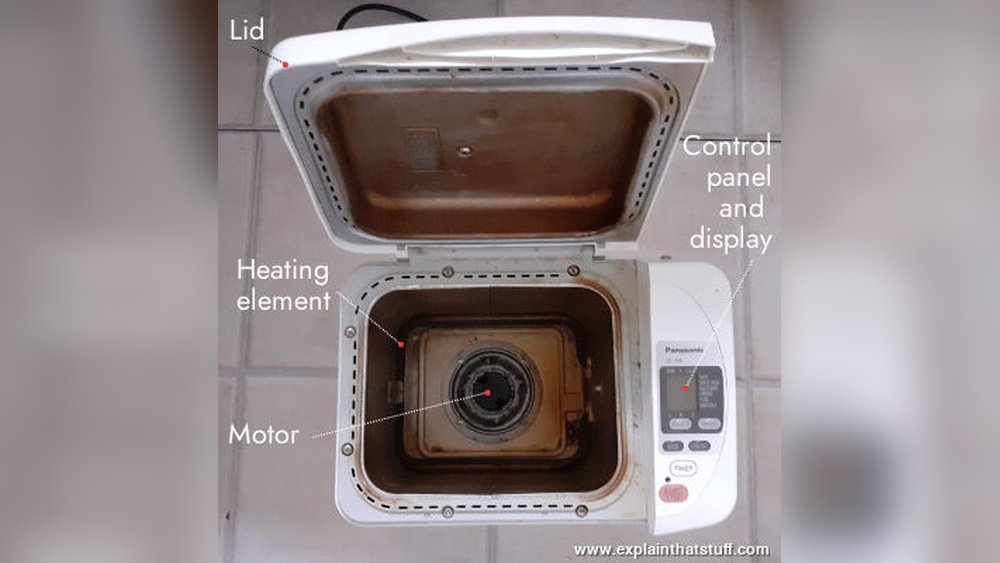
A bread maker has several key parts that work together to bake fresh bread. Each part plays a special role in the baking process. Understanding these parts helps you see how the machine turns simple ingredients into delicious bread.
Mixing Paddle
The mixing paddle stirs and kneads the dough inside the bread pan. It moves the ingredients well to form a smooth dough. This paddle works quietly and efficiently during the mixing cycle.
Heating Element
The heating element warms the bread pan to bake the dough. It controls the temperature to ensure the bread cooks evenly. This part also helps keep the bread warm after baking.
Control Panel
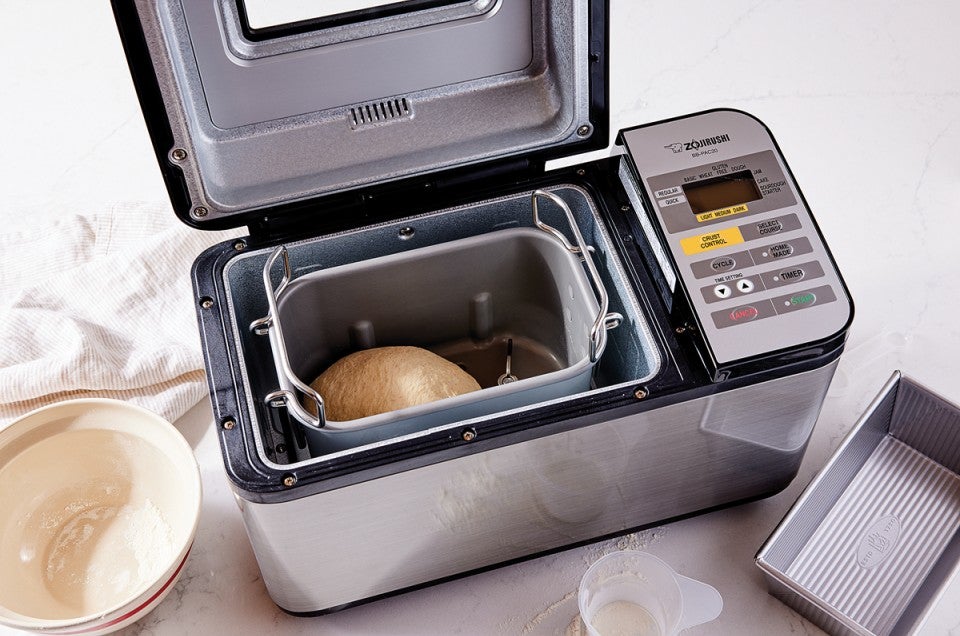
The control panel lets you choose settings like loaf size and crust type. It has buttons and a display to guide you through the baking process. The panel also shows the timer and baking progress.
Bread Pan
The bread pan holds all the ingredients while mixing and baking. It is usually non-stick for easy bread removal. The pan fits inside the bread maker and can be taken out for cleaning.

Step-by-step Baking Process
The step-by-step baking process in a bread maker is simple and automatic. It handles all the hard work for you. Just add the ingredients, and the machine takes care of the rest. Understanding each stage helps you appreciate how your bread comes to life.
Ingredient Mixing
The bread maker starts by mixing flour, water, yeast, and other ingredients. It blends them evenly to form a smooth dough. Proper mixing ensures the dough has the right texture and consistency.
Kneading Dough
Next, the machine kneads the dough. This process develops gluten, giving bread its structure. The kneading also makes the dough elastic and stretchy. It usually takes 20 to 30 minutes.
First Rise
After kneading, the dough rests inside the machine. This is called the first rise or fermentation. The yeast produces gas, causing the dough to expand. This step makes the bread light and fluffy.
Second Rise
The dough rises again after shaping. This second rise improves the texture and flavor. The bread becomes softer and more tender during this stage. It prepares the dough for baking.
Baking Cycle
The bread maker heats the dough to bake it perfectly. The baking cycle forms a golden crust on the bread. It cooks the inside fully, making it soft and warm. The machine cools down before you remove the bread.
Different Bread Settings
Bread makers come with different settings for various types of bread. These settings change how the machine mixes, rises, and bakes the dough. Each setting suits a specific kind of bread, making it easy to bake fresh bread at home. Understanding these settings helps you choose the right one for your recipe.
Basic Bread
The basic bread setting is the most common. It works well with white bread or simple recipes. The machine mixes the ingredients, lets the dough rise twice, then bakes it. This setting takes around three to four hours. It produces a soft crust and light texture.
Whole Wheat
The whole wheat setting adjusts for heavier flour. Whole wheat dough is denser and needs longer kneading. This setting gives extra time for rising to make the bread fluffy. The baking time is also a bit longer. The result is a hearty loaf with a rich taste.
Gluten-free
The gluten-free setting is for those with gluten intolerance. Gluten-free flours need gentle mixing and shorter rising times. This setting avoids overworking the dough. It bakes at a lower temperature to prevent dryness. The bread is soft and tender, with good shape.
Quick Bake
The quick bake setting is for fast bread. It reduces rise time and shortens baking. This is good for when you want fresh bread quickly. The texture is slightly denser than regular bread. It usually takes less than two hours from start to finish.
Benefits Of Using A Bread Maker
Using a bread maker offers many benefits for home bakers. It saves time and effort while giving delicious results. Bread makers simplify the baking process and make fresh bread easy to enjoy.
Convenience
Bread makers mix, knead, rise, and bake all by themselves. Set the ingredients, press a button, and wait. No need to watch or stir the dough. Perfect for busy mornings or lazy afternoons.
Consistency
Bread makers produce the same quality bread every time. They control temperature and timing precisely. This means no more guesswork or failed batches. Enjoy fresh bread that tastes great every day.
Customization
You can adjust ingredients to fit your taste or diet. Add nuts, seeds, or herbs easily. Choose different settings for crust color and bread type. Make bread just the way you like it.
Cost-effectiveness
Making bread at home saves money over buying from stores. Ingredients like flour and yeast are cheap. Fresh homemade bread costs less and has no preservatives. A bread maker is a smart investment for saving.
Tips For Perfect Bread
Making bread at home with a bread maker is simple and fun. Small changes can make your bread taste better and look great. Follow these tips for perfect bread every time. They help you use your bread maker well and get fresh, soft bread.
Choosing Ingredients
Use fresh ingredients for the best bread. Fresh flour and yeast give better rise and flavor. Use good quality salt and sugar. Avoid expired yeast. Different flours change the texture. Try bread flour for chewy bread. Whole wheat adds a nutty taste. Always check ingredient freshness before use.
Measuring Accurately
Exact measurements matter a lot. Use a kitchen scale or measuring cups. Too much flour makes bread dense. Too little flour makes it sticky. Measure liquids carefully too. Follow the recipe’s order. This helps the dough mix well. Accurate measuring prevents baking errors.
Adjusting Settings
Choose the right setting on your bread maker. Select crust color: light, medium, or dark. Choose loaf size based on recipe. Some machines have gluten-free or whole grain options. Use the timer to bake fresh bread anytime. Adjust settings for different recipes and tastes. Experiment to find what works best.
Maintenance And Cleaning
Clean your bread maker after every use. Remove the bread pan and kneading blade carefully. Wash them with warm, soapy water. Wipe the inside with a damp cloth. Never immerse the machine in water. Regular cleaning keeps the machine working well. It also stops old smells and crumbs.

Frequently Asked Questions
How Does A Bread Maker Mix Ingredients?
A bread maker uses a built-in paddle to mix flour, water, yeast, and other ingredients evenly. This ensures consistent dough texture and proper gluten development for better bread quality.
What Are The Main Functions Of A Bread Maker?
A bread maker kneads dough, allows it to rise, and bakes bread automatically. It simplifies bread-making and saves time with preset programs for different bread types.
Can I Customize Bread Settings In A Bread Maker?
Yes, most bread makers offer customizable settings like crust color, loaf size, and baking time. This flexibility lets you tailor bread to your taste and preferences.
How Long Does A Bread Maker Take To Bake Bread?
Bread makers typically take 2 to 4 hours to complete a baking cycle. Time varies based on bread type, loaf size, and selected settings or programs.
Conclusion
A bread maker mixes, kneads, rises, and bakes dough automatically. It saves time and effort in making fresh bread at home. You can choose different settings for various bread types. Watching the machine work feels satisfying and fun. Using a bread maker makes baking easy for everyone.
It brings fresh bread right to your kitchen without hassle. Simple steps lead to tasty results every time. Bread making becomes less of a chore and more of a joy.

