
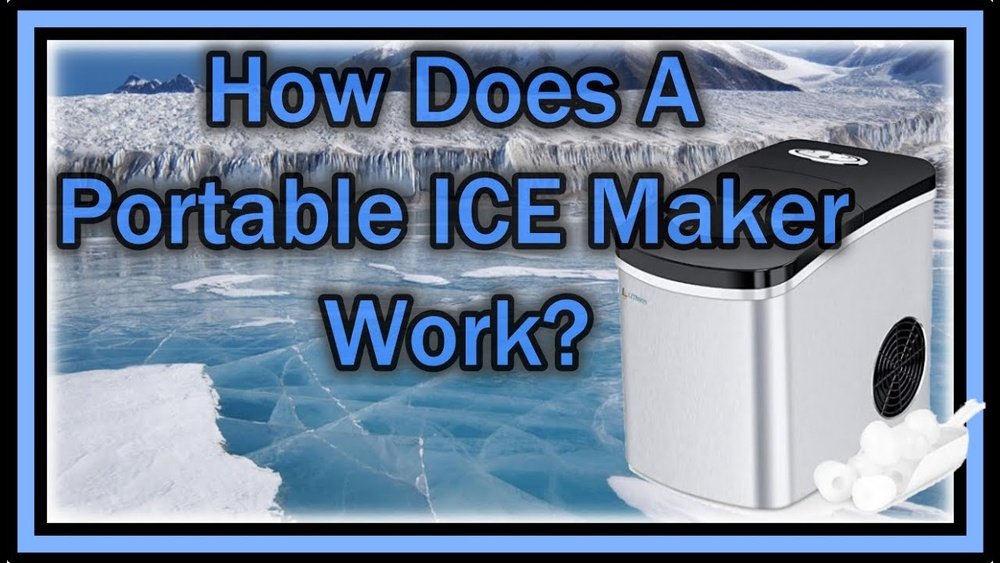
Have you ever wondered how a countertop ice maker can deliver fresh, cold ice right when you need it? Whether you’re hosting friends, cooling down drinks, or just want ice on demand, understanding how this handy appliance works can make your life easier.
You’ll discover the simple magic behind countertop ice makers and why they’re becoming a must-have for every kitchen. Ready to unlock the secret to quick, convenient ice? Let’s dive in!
Types Of Countertop Ice Makers
Countertop ice makers come in different types. Each type works in a unique way. Knowing the types helps you choose the right one for your needs. This guide covers the main types of countertop ice makers.
Compressor-based Models
Compressor-based ice makers use a small compressor to cool water. They work like a mini refrigerator. These models make ice fast and in large amounts. They handle heat better, so they work well in warm rooms. These are common in many homes and businesses.
Thermoelectric Models
Thermoelectric ice makers use a cooling plate and a heat sink. They are quieter than compressor models. These ice makers use less power but make ice slower. They work best in cooler environments. Ideal for small spaces and light ice needs.
Portable Vs Built-in
Portable ice makers sit on counters and plug into outlets. They are easy to move and store. Great for parties or small kitchens. Built-in models install under counters or inside cabinets. They save space and look neat. Both types come in compressor or thermoelectric options.
Key Components Inside
Understanding the key parts inside a countertop ice maker helps to see how it works. Each component plays a specific role in making ice fast and easy. These parts work together smoothly to deliver fresh ice cubes.
Water Reservoir
The water reservoir holds the water before freezing. It is a small tank inside the machine. The user fills this with clean water to start the ice-making process. The reservoir controls the water flow to the next stage.
Cooling Mechanism
The cooling mechanism chills the water until it freezes. It uses a compressor or thermoelectric system. This part removes heat from the water in the ice mold. The cooling system keeps the temperature low to form ice quickly.
Ice Mold And Ejection System
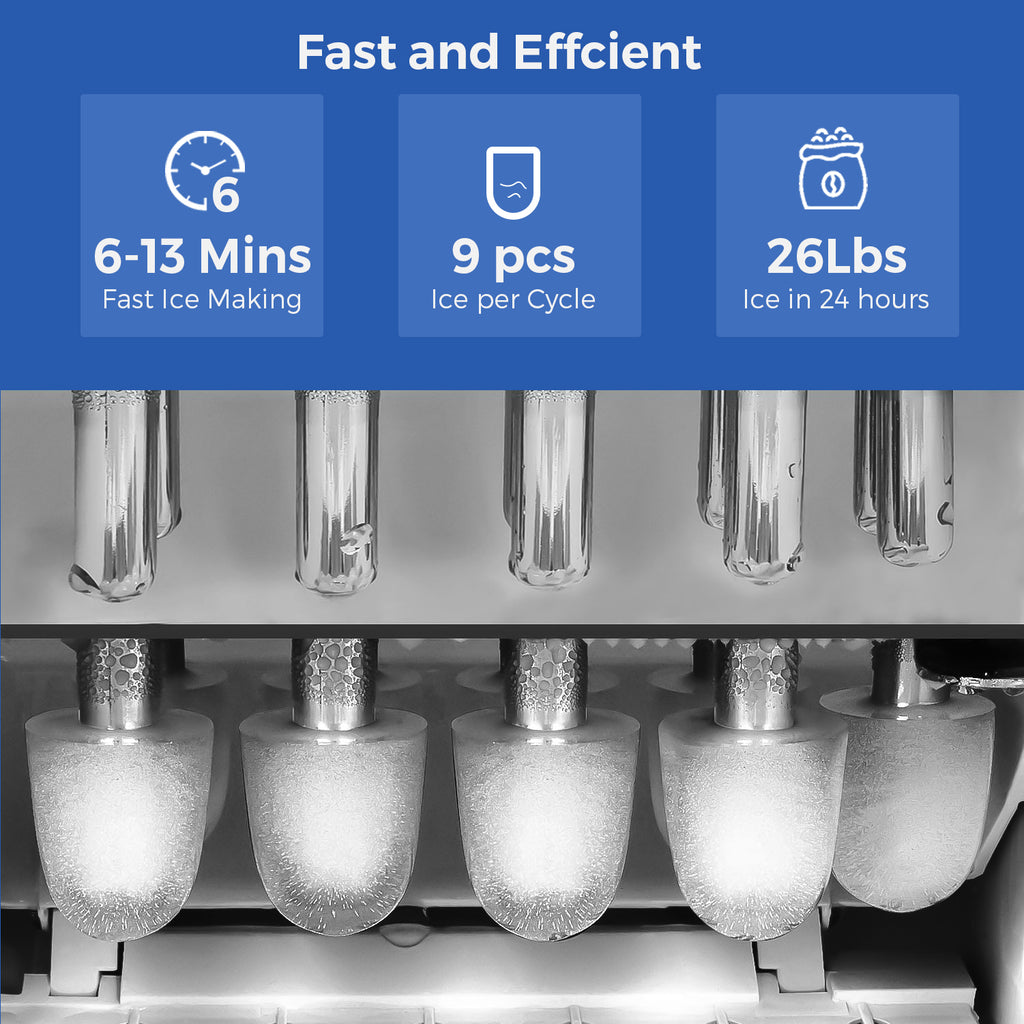
The ice mold shapes the water into cubes. Once frozen, the ejection system pushes the ice out. A small heating element loosens the ice from the mold. The ice then drops into the storage bin ready to use.
Step-by-step Ice Making Process
The step-by-step ice making process in a countertop ice maker is simple yet efficient. It uses a smart system to turn water into ice quickly. Each stage works smoothly to produce clear, solid ice cubes. This process happens inside a compact machine that fits on your kitchen counter.
Water Filling And Cooling
The machine starts by filling a small tray with water. It uses a pump or gravity to move water into this tray. The water is then cooled to prepare it for freezing. This cooling helps the ice form faster and clearer. The temperature inside the tray drops close to freezing point.
Freezing Cycle
Next, the freezing cycle begins. The cold plate below the tray chills the water quickly. Ice crystals start to form from the edges inward. The machine controls the freezing time to make perfect cubes. This step usually takes a few minutes depending on the model.
Ice Harvesting And Storage
Once frozen, the ice maker begins harvesting. It warms the tray slightly to loosen the ice cubes. A small arm or ejector pushes the cubes out of the tray. The ice drops into a storage bin inside the machine. This bin keeps the ice ready for use until you need it.

Factors Affecting Ice Production
Several factors influence how much ice a countertop ice maker produces. Understanding these helps you get the best performance from your machine. Ice production depends on water quality, temperature, the room’s warmth, and the machine’s capacity and settings.
Water Quality And Temperature
Clean water makes clearer, better ice. Hard water can cause mineral build-up inside the machine. This slows ice production and reduces ice quality. Using filtered or distilled water improves ice taste and speed.
Water temperature also matters. Cold water freezes faster than warm water. Starting with chilled water helps the machine produce ice more quickly and efficiently.
Ambient Temperature
The room temperature affects how fast the ice maker works. High temperatures make the machine work harder. This can slow down ice production and increase energy use. Cooler room temperatures help the ice maker run smoothly and make ice faster.
Machine Capacity And Settings
Each ice maker has a limit on how much ice it can produce. Larger machines make more ice in less time. Check your model’s capacity to match your needs.
Settings like ice size and cycle time also affect production. Smaller ice cubes freeze faster. Adjust settings based on how much ice you need and how quickly you want it.
Maintenance Tips For Optimal Performance
Keeping a countertop ice maker in good shape helps it work well for years. Regular maintenance avoids problems and keeps ice clean and fresh. Simple care steps improve ice quality and machine life. Follow these easy tips to maintain your ice maker.
Regular Cleaning
Clean the ice maker every week. Use a soft cloth and mild soap. Wipe the outside and inside surfaces gently. Remove old ice to stop bad smells. Clean the ice basket and water reservoir too. This prevents mold and bacteria growth.
Descaling And Filter Replacement
Mineral buildup can block water flow. Descale the machine monthly with a vinegar solution or a descaling product. Rinse well after descaling. Replace water filters as the manufacturer suggests. Clean filters keep water pure and ice clear.
Troubleshooting Common Issues
Check for water supply problems if the ice maker stops. Ensure the water tank is full and connected. If ice is small or misshaped, clean the machine and check the temperature. Listen for strange noises; these may need professional help. Regular checks catch problems early.

Energy Efficiency And Cost Considerations
Understanding energy efficiency and cost is important for countertop ice makers. These factors affect your electricity bill and environmental impact. Choosing the right model can save money and reduce waste.
Countertop ice makers use electricity to freeze water quickly. Knowing how much power they consume helps estimate running costs. Some models use less energy without losing performance.
Power Consumption
Countertop ice makers usually use between 100 to 200 watts. This is less than many kitchen appliances. Some models have energy-saving modes to reduce power use. Checking the energy rating helps find efficient machines. Lower power means less electricity used each hour.
Operating Costs
The cost depends on how often you use the ice maker. Running it daily will add to your electric bill. On average, it costs a few cents per hour to operate. Using ice only when needed lowers total expenses. Maintenance also affects costs. Cleaning the machine regularly keeps it efficient.
Eco-friendly Features
Some ice makers have eco-friendly features. These reduce water and energy waste during ice production. Automatic shut-off prevents overuse of power. Recyclable parts and non-toxic materials make machines greener. Choosing these models helps protect the environment. Simple habits like turning off the machine save resources.
Choosing The Right Countertop Ice Maker
Choosing the right countertop ice maker is key for your kitchen or office. The right choice depends on your daily ice needs, space, and budget. A good ice maker fits well, works fast, and makes quality ice. Consider these factors to find the best match for your lifestyle.
Size And Capacity Needs
Think about how much ice you need each day. Small machines make about 20 pounds of ice per day. Larger models can produce over 30 pounds. Check the size to ensure it fits on your counter. Also, see how much ice the bin can hold. A bigger bin means less refilling.
Speed And Ice Quality
Speed matters if you need ice quickly. Some machines make ice in 6 to 10 minutes. Others take longer. Ice quality is about shape and clarity. Clear, solid cubes last longer and chill drinks better. Choose a model that makes the type of ice you prefer.
Budget And Brand Options
Countertop ice makers come in many price ranges. Basic models cost less but may have fewer features. High-end brands offer faster production and durable parts. Pick a brand with good reviews and reliable customer support. Balance cost with features that suit your needs.
Frequently Asked Questions
How Does A Countertop Ice Maker Produce Ice Quickly?
Countertop ice makers use a refrigeration system to freeze water rapidly. Water flows into a mold, freezes, then ejects ice cubes automatically. This cycle repeats continuously, producing ice in minutes, ideal for quick ice needs without a built-in freezer.
What Types Of Ice Do Countertop Ice Makers Make?
Most countertop ice makers produce nugget or bullet-shaped ice. Nugget ice is soft and chewable, while bullet ice is denser and clear. The ice type depends on the machine’s design and mold shape, catering to different beverage preferences.
How Often Should You Clean A Countertop Ice Maker?
Clean your countertop ice maker every 1-3 months to ensure hygiene. Regular cleaning prevents mineral buildup and bacteria growth. Follow manufacturer instructions using vinegar or specialized cleaners to maintain ice quality and machine performance.
Can Countertop Ice Makers Work Without A Water Connection?
Yes, most countertop ice makers have a water reservoir, so no plumbing is needed. You manually fill the tank with water, and the machine produces ice independently. This makes them portable and easy to use anywhere.
Conclusion
A countertop ice maker cools water quickly to create ice cubes. It uses a small freezer plate and a motor to freeze water fast. The machine senses when ice is ready and then drops it into a bin. This process repeats automatically, giving you fresh ice anytime.
Small and easy to use, it fits well in kitchens or offices. Understanding how it works helps you choose the best one. Ice making becomes simple and quick with these handy devices. Perfect for parties, drinks, or daily use.

