

Have you ever wondered how a digital meat thermometer knows exactly when your food is perfectly cooked? If you’ve struggled with undercooked or overcooked meals, understanding how this handy tool works can change the way you cook forever.
You’ll discover the simple science behind digital meat thermometers and learn how to use them to get juicy, safe, and delicious results every time. Keep reading—you’re about to unlock the secret to cooking meat like a pro.
Basics Of Digital Meat Thermometers
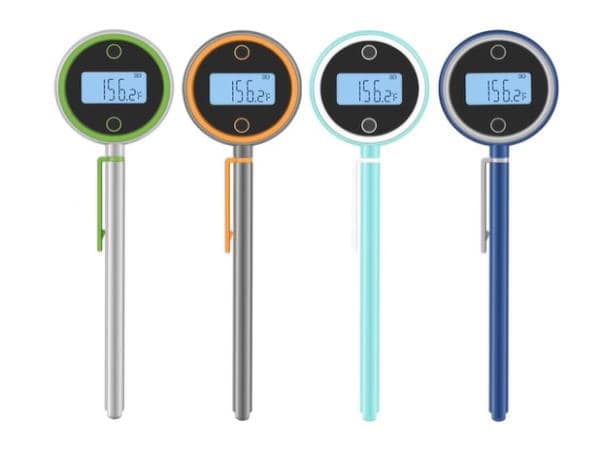
Digital meat thermometers help check the temperature of cooked meat. They give quick and accurate readings. This ensures meat is safe to eat and not overcooked. Understanding how these thermometers work starts with their basic parts and design.
Each part plays a key role in measuring temperature. Knowing the types of sensors used also helps explain how the device reads heat. Let’s explore these basics to see how digital meat thermometers do their job.
Components And Design
A digital meat thermometer has a probe, display, and circuitry inside. The probe goes into the meat to measure temperature. It is usually made of metal to feel heat quickly.
The display shows the temperature in numbers. It is easy to read and often backlit. Inside, a small circuit processes the signal from the probe. It converts heat into a digital number.
The design is compact for easy use in kitchens. Some models include buttons to switch between Celsius and Fahrenheit. Others have alarms that beep at set temperatures.
Types Of Sensors Used
Most digital meat thermometers use either thermocouples or thermistors. Thermocouples work by joining two metals. They produce a small voltage that changes with temperature.
Thermistors are made from special materials. Their resistance changes as temperature changes. The thermometer measures this resistance to find the temperature.
Both sensors give fast and accurate readings. They help cooks know exactly when meat is done. Each sensor type has strengths depending on the thermometer’s design.

How Sensors Detect Temperature
Digital meat thermometers rely on sensors to measure temperature accurately. These sensors change their electrical properties as the temperature shifts. The thermometer reads these changes and converts them into a temperature display. Two common types of sensors are thermocouples and thermistors. Each works differently but both provide fast, precise readings.
Thermocouple Technology
Thermocouples consist of two different metal wires joined at one end. This junction produces a small voltage when heated. The voltage changes with temperature, allowing the thermometer to measure heat. Thermocouples respond quickly and work well in high temperatures. Their simple design makes them common in many digital meat thermometers.
Thermistor Functionality
Thermistors are made from special materials that change resistance with temperature. As the temperature rises, the resistance changes predictably. The thermometer measures this resistance change to find the temperature. Thermistors are very sensitive and provide accurate readings at lower temperatures. Their precision helps ensure perfectly cooked meat every time.
Signal Conversion And Display
Digital meat thermometers quickly show the temperature of your food. The process starts with sensing heat and ends with a clear number on the screen. This section explains how the thermometer changes signals and shows the temperature.
Analog To Digital Conversion
The thermometer’s sensor feels heat and creates an analog signal. This signal is a small electric current that changes with temperature. The device uses a converter to change this analog signal to a digital one. Digital signals are easier to read and process inside the thermometer.
The converter works by measuring the voltage from the sensor. It then turns this voltage into a number the thermometer can use. This step is very fast and happens many times every second. It ensures the temperature reading is accurate and up to date.
Interpreting Temperature Readings
Once the signal becomes digital, the thermometer reads this number. It matches the number to a temperature value using built-in calculations. These calculations depend on the type of sensor inside the thermometer.
The thermometer then shows the temperature on its screen. This display is easy to read. It often shows degrees in Celsius or Fahrenheit. Some models also offer alerts when food reaches a set temperature.
Accuracy And Calibration
Accuracy and calibration are key to using a digital meat thermometer well. A precise reading ensures your meat is cooked safely and tastes great. Calibration keeps the thermometer reliable over time. Without it, the temperature reading may be wrong. This section explains what affects precision and how to calibrate your device.
Factors Affecting Precision
Several things can affect the accuracy of a digital meat thermometer. The probe’s position in the meat matters. Insert it into the thickest part, away from bone or fat. The thermometer’s response time also plays a role. Some models take longer to show the correct temperature.
Battery level impacts accuracy too. Low battery power can cause wrong readings. Environmental factors like extreme heat or cold can affect sensors. Dirt or grease on the probe may also lower precision. Keeping your thermometer clean and well-maintained helps avoid errors.
How To Calibrate Your Thermometer
Calibration adjusts your thermometer to ensure it reads temperatures correctly. One simple method uses ice water. Fill a glass with crushed ice and cold water. Stir and let it sit for a minute. Insert the probe into the ice water without touching the sides.
The thermometer should read 32°F (0°C). If it does not, adjust the device according to the manual. Some models have a calibration button. For others, you may need to turn a screw or reset the device. Regular calibration keeps your readings accurate and trustworthy.
Advantages Over Traditional Thermometers
Digital meat thermometers offer clear advantages over traditional models. They bring ease and accuracy to cooking. These tools help you cook meat perfectly every time. Below are key benefits that make digital thermometers a smart choice.
Speed And Convenience
Digital thermometers give fast temperature readings. Most results appear within seconds. No need to wait long or guess. Their clear digital display is easy to read. Some models even beep when the meat is done. This saves time and effort in the kitchen.
Enhanced Safety Features
Many digital thermometers include safety alerts. They warn if the meat is undercooked. Some have automatic shut-off to save battery life. This reduces the risk of foodborne illness. The probe is often designed to stay cool. This protects your hands from burns during use.
Tips For Effective Use
Using a digital meat thermometer correctly ensures safe and tasty meals. Simple tips can improve accuracy and extend the tool’s life. Follow these guidelines to get the best results every time you cook.
Proper Insertion Techniques
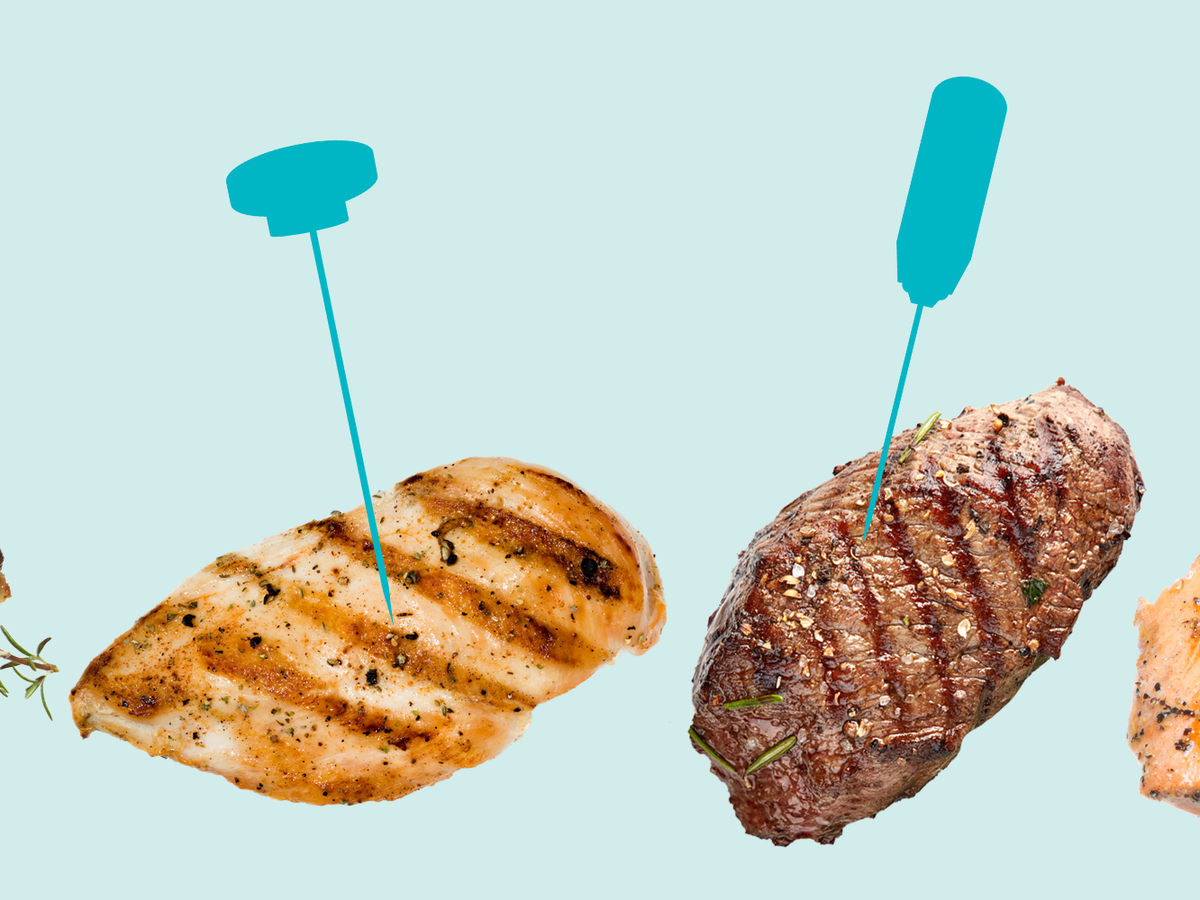
Insert the thermometer’s probe into the thickest part of the meat. Avoid bones, fat, or gristle, as they can give false readings. Push the probe deep enough to reach the center, but not through the other side. Hold the meat steady for a few seconds to get a stable reading. Wait until the temperature stops changing before checking the display. Always clean the probe before and after use to prevent contamination.
Maintenance And Care
Keep the thermometer clean and dry after each use. Wipe the probe with warm, soapy water and dry it well. Avoid submerging the entire device in water. Store the thermometer in a safe place to avoid damage. Replace batteries regularly to ensure accurate readings. Check the user manual for specific care tips. Proper care keeps the thermometer working well for many meals.
Frequently Asked Questions
How Does A Digital Meat Thermometer Measure Temperature?
A digital meat thermometer uses a sensor probe that detects heat inside the meat. The sensor converts heat into an electrical signal, which the device displays as a temperature reading on its screen.
What Types Of Sensors Are Used In Digital Thermometers?
Most digital meat thermometers use thermocouples or thermistors. Thermocouples are fast and accurate, while thermistors offer precise readings at lower temperatures.
Can Digital Meat Thermometers Provide Instant Temperature Readings?
Yes, digital thermometers provide quick and accurate readings within seconds. This speed helps prevent overcooking or undercooking meat effectively.
How Accurate Are Digital Meat Thermometers?
Digital meat thermometers are highly accurate, usually within ±1°F or ±0. 5°C. Proper calibration and probe placement ensure reliable temperature measurements.
Conclusion
A digital meat thermometer helps cook meat safely and perfectly. It measures temperature quickly and shows clear readings. You can avoid undercooked or overcooked meals easily. Using one saves time and reduces guesswork. It works by sensing heat inside the meat.
This tool is useful for all cooks, beginners or experts. Try it to improve your cooking results today.

