
Have you ever wondered how a food dehydrator turns fresh fruits, vegetables, or meats into tasty, long-lasting snacks? Understanding how a food dehydrator works can change the way you preserve your food and save money.
Imagine having your favorite snacks ready anytime, without worrying about spoilage. You’ll discover the simple science behind food dehydration and how it helps lock in flavor and nutrients. Keep reading to learn how this handy kitchen tool can make your life easier and your snacks healthier.
Basics Of Food Dehydration
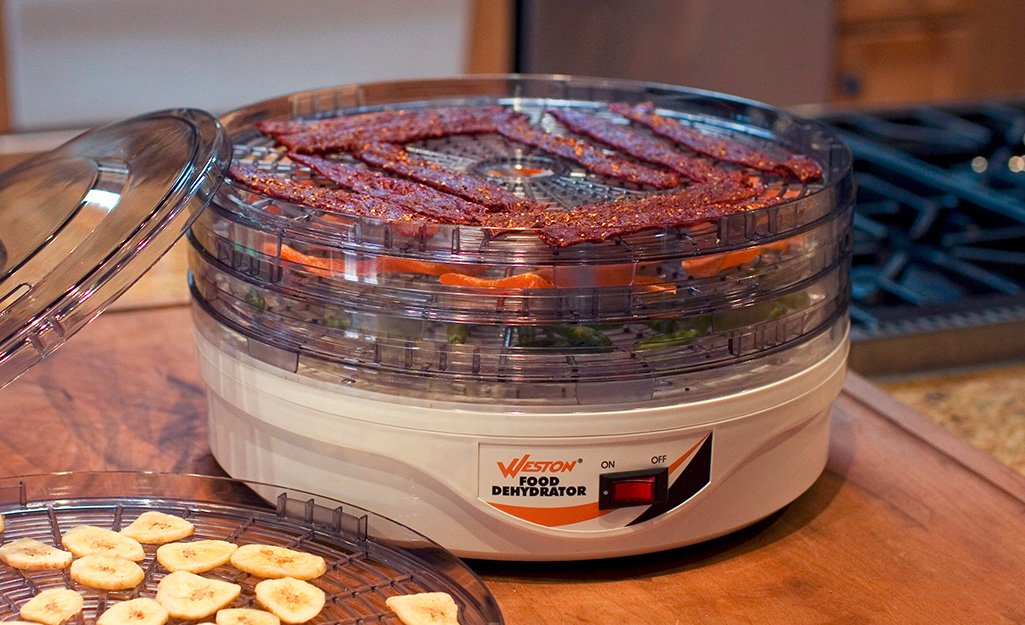
Food dehydration is a simple way to preserve fruits, vegetables, and meats. It removes moisture from food. This stops bacteria and mold from growing. Drying food makes it last longer without refrigeration. It also keeps the flavors and nutrients intact.
Understanding the basics helps in using a food dehydrator properly. It involves drying food evenly and safely. The process is gentle and does not cook the food. This keeps the food’s texture and taste close to fresh.
What Happens During Dehydration
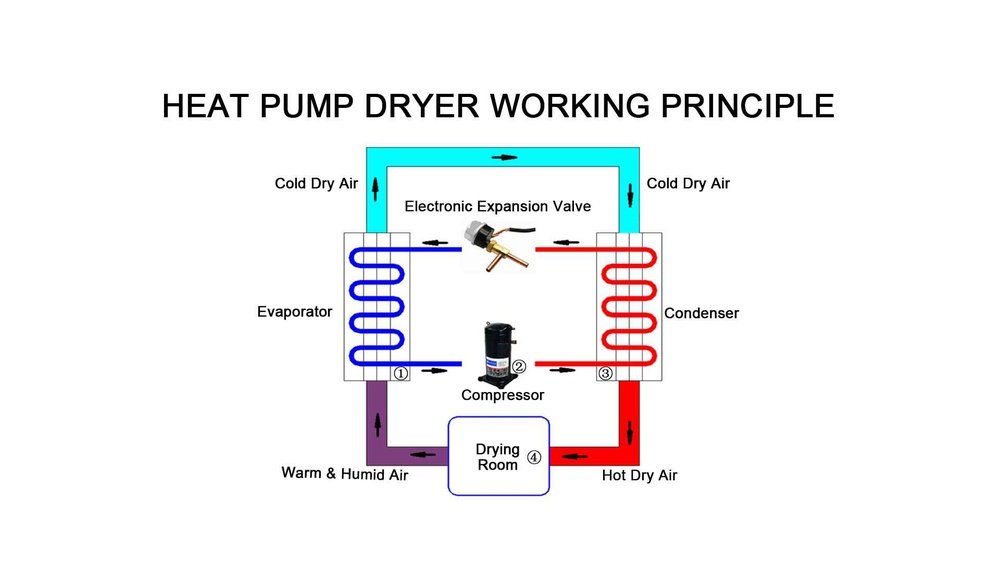
During dehydration, heat and air work together to dry food. Warm air flows over the food’s surface. This heat causes water inside the food to evaporate. The moisture escapes as vapor into the air.
Removing water stops bacteria and mold growth. Without moisture, food will not spoil easily. The drying process also shrinks the food. It becomes lighter and more compact.
Types Of Food Suitable For Drying
Many foods dry well in a dehydrator. Fruits like apples, bananas, and berries are popular choices. Vegetables such as tomatoes, peppers, and carrots also dry nicely. Herbs like basil and thyme dry quickly.
Meats can be dried too. Thin slices of beef or turkey make jerky. Foods with high water content work best. Foods with too much fat or sugar may not dry well.
Key Components Of A Dehydrator
Understanding the key components of a food dehydrator helps explain how it dries food efficiently. Each part works together to remove moisture safely and evenly.
The main parts include the heating element, a fan with air circulation, and temperature controls. These components keep the drying process steady and effective.
Heating Element
The heating element generates warm air inside the dehydrator. It raises the temperature to a level that removes moisture from food. The heat is gentle enough to preserve nutrients and flavors.
Fan And Air Circulation
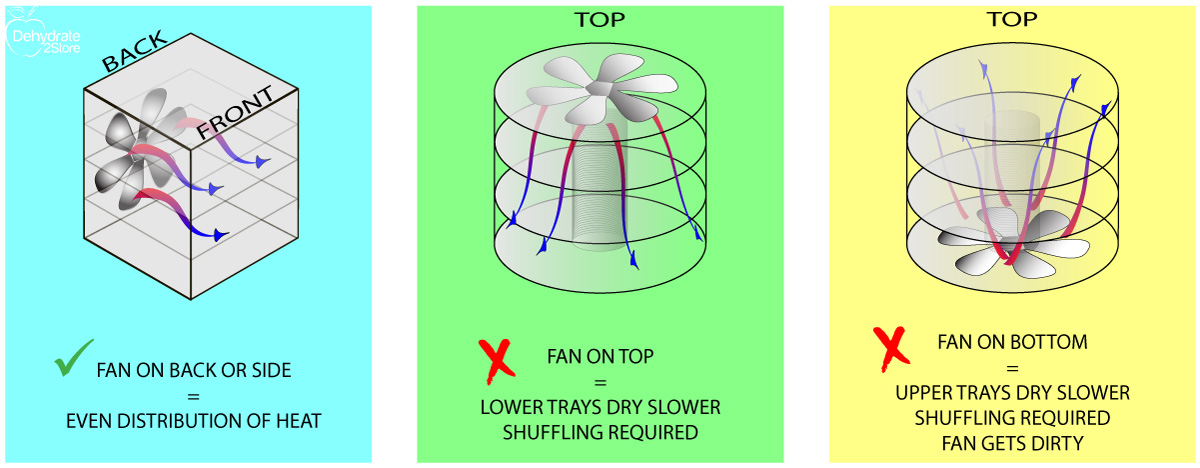
The fan moves warm air around the food trays. Proper air circulation helps dry food evenly on all sides. It also prevents mold by removing moist air quickly.
Temperature Controls
Temperature controls let you set the right heat for different foods. Some foods need low heat, others need higher temperatures. This control ensures safe and efficient drying every time.
Step-by-step Drying Process
The step-by-step drying process explains how a food dehydrator removes moisture. This process helps preserve food for longer periods. It also keeps flavors and nutrients intact. Understanding each step makes drying easier and more effective.
Preparing Food For Drying
Start by washing all fruits, vegetables, or meats. Cut food into thin, even slices. This helps food dry quickly and evenly. Remove seeds or pits to avoid spoilage. Blanch vegetables if needed to keep color and texture. Pat food dry to remove surface water before placing it in the dehydrator.
Setting Time And Temperature
Check the food type for recommended drying temperature. Most foods dry well between 125°F and 160°F. Set the dehydrator to the right temperature. Adjust drying time based on thickness and moisture content. Thinner slices need less time. Thicker pieces require longer drying periods. Use the manual or recipe as a guide.
Monitoring And Adjusting
Check food regularly during the drying process. Rotate trays to ensure even drying. Look for changes in texture and color. Food should be dry but still flexible or crisp, depending on type. If food feels sticky or soft, continue drying. Adjust temperature or time if needed for best results.
Benefits Of Using A Food Dehydrator
Using a food dehydrator offers many benefits that help keep food fresh and tasty. It is a simple way to store fruits, vegetables, and meats without losing quality. This process saves money and reduces the need for preservatives.
Here are some key benefits of using a food dehydrator in your kitchen.
Preserving Nutrients And Flavor
Dehydrating food removes moisture but keeps most vitamins and minerals. The low heat used helps keep nutrients intact. This method also keeps the natural flavor strong. Dried foods taste rich and fresh without added chemicals.
Extending Shelf Life
Removing moisture stops bacteria and mold from growing. This makes food last much longer. Dried food can be stored for months or even years. It is a great way to keep seasonal fruits and vegetables available all year.
Reducing Food Waste
Dehydrating helps save food that might spoil fast. Extra fruits and veggies can be dried instead of thrown away. This lowers waste and helps you save money. It also makes healthy snacks easy to carry and eat anywhere.
Tips For Optimal Drying
Using a food dehydrator correctly helps keep food tasty and safe. Good drying saves time and energy. It also keeps nutrients in the food. Follow these tips for the best drying results.
Choosing The Right Slices
Cut food into even pieces for quick drying. Thin slices dry faster and more evenly. Thick pieces stay wet inside and may spoil. Use a sharp knife or slicer for clean cuts. Remove seeds and pits before drying. This helps food dry completely and last longer.
Avoiding Common Mistakes
Do not overload the dehydrator trays. Air must flow around each piece. Avoid drying food at too high temperature. It can cook food instead of drying. Keep the dehydrator door closed during drying. Opening it lets moisture back in. Check food regularly to stop drying at the right time.
Storing Dehydrated Food
Store dried food in airtight containers. Use glass jars or vacuum bags to keep moisture out. Keep containers in a cool, dark place. Avoid places with heat or sunlight. Label containers with the drying date. Use food within six months for best taste. Proper storage keeps food fresh and safe to eat.

Frequently Asked Questions
How Does A Food Dehydrator Remove Moisture?
A food dehydrator uses low heat and a fan to remove moisture. It circulates warm air evenly around food. This process evaporates water, preserving the food’s nutrients and flavor while preventing spoilage.
What Foods Can Be Dried In A Dehydrator?
You can dry fruits, vegetables, herbs, and meats. Popular choices include apples, tomatoes, basil, and beef jerky. Dehydrated foods last longer and retain most of their nutrients.
How Long Does Food Dehydration Usually Take?
Dehydration time varies by food type and thickness. It typically ranges from 4 to 12 hours. Thinner slices dry faster, while thicker pieces need more time to remove moisture completely.
Is A Food Dehydrator Energy Efficient?
Yes, food dehydrators use low wattage compared to ovens. They consume minimal electricity, making them energy-efficient. Using a dehydrator saves energy and keeps your kitchen cooler.
Conclusion
A food dehydrator removes moisture from food to keep it fresh. It uses warm air and low heat to dry fruits, vegetables, and meats. This process stops bacteria and mold growth, helping food last longer. Dehydrated foods are lighter and easier to store.
You can enjoy healthy snacks anytime. Understanding how a food dehydrator works helps you use it well. It saves money and reduces food waste. Simple, effective, and practical—drying food is a smart choice for many. Give it a try and enjoy the benefits of dried food.

