
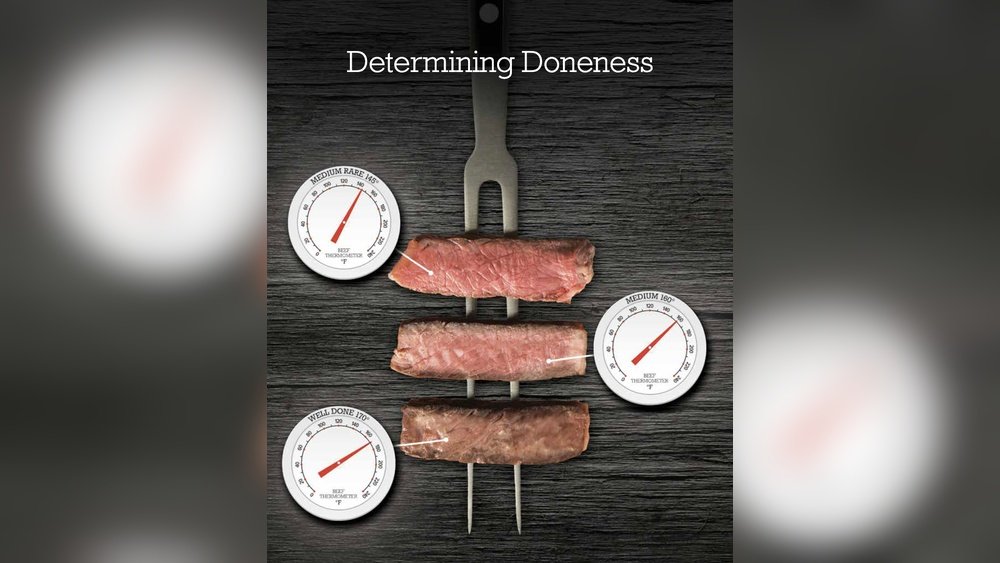
Have you ever wondered how long your meat thermometer will actually last? You rely on it to cook your meals perfectly and keep your family safe, but like any tool, it won’t last forever.
Knowing when to replace your meat thermometer can save you from undercooked dinners or food safety risks. You’ll discover the signs that your thermometer is wearing out, how to extend its life, and when it’s time to get a new one.
Keep reading to make sure your cooking stays spot-on every time.

Types Of Meat Thermometers
Meat thermometers come in several types. Each type serves a different purpose in the kitchen. Choosing the right one helps ensure your meat is cooked perfectly and safely. Understanding these types makes it easier to pick the best thermometer for your needs.
Digital Thermometers
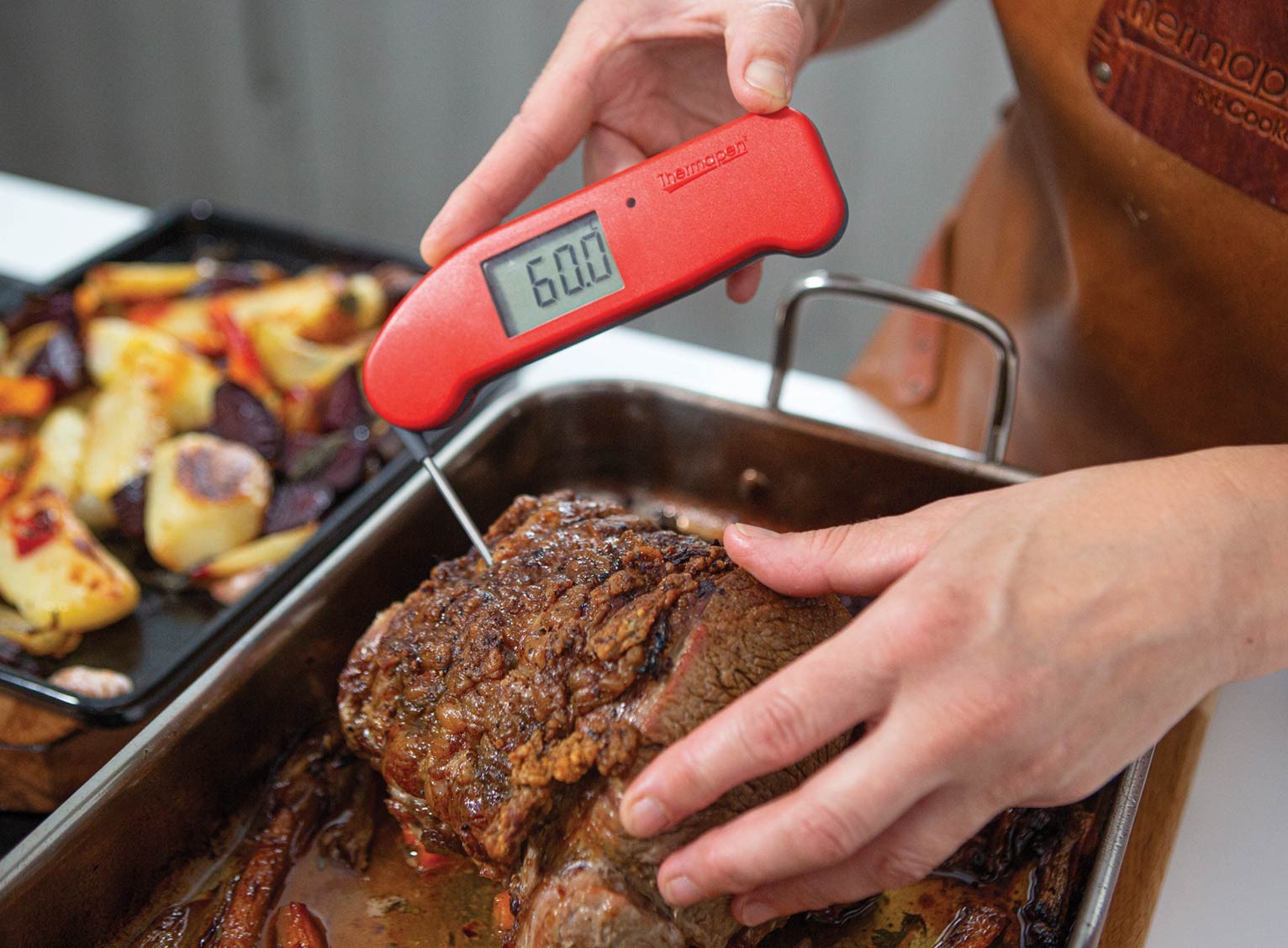
Digital thermometers show the temperature on a screen. They are fast and easy to read. Most have a probe that you insert into the meat. Some models come with a backlight for use in low light. They usually give accurate results within seconds.
Dial Thermometers
Dial thermometers have a round dial with a needle. The needle points to the temperature inside the meat. They do not need batteries to work. These thermometers take longer to show the temperature. They are simple and often more affordable.
Instant-read Thermometers
Instant-read thermometers give a quick temperature reading. They are great for checking meat during cooking. You insert the probe and get a result in a few seconds. Both digital and dial versions can be instant-read. These thermometers help avoid overcooking or undercooking.
Wireless Thermometers
Wireless thermometers connect to your phone or device. They let you monitor meat temperature remotely. Some models alert you when meat is done. These are useful for grilling or roasting. Wireless thermometers add convenience and control to cooking.
Factors Affecting Thermometer Lifespan
The lifespan of a meat thermometer depends on several key factors. Each factor plays a role in how long the device stays accurate and functional. Understanding these factors helps in choosing the right thermometer and maintaining it properly.
Build Quality And Materials
Thermometers made with sturdy materials last longer. Stainless steel probes resist rust and damage. Plastic parts should be thick and durable. Cheap materials can break or wear out fast. Solid construction protects the device from drops and heat.
Frequency Of Use
Using a thermometer daily can wear it out quicker. Frequent exposure to heat and moisture affects its parts. Occasional use helps it stay accurate longer. Heavy use demands more care and timely replacement.
Care And Maintenance
Cleaning a thermometer after each use prevents buildup and damage. Avoid soaking electronic parts in water. Store it in a dry, safe place. Regular checks catch problems early. Proper care extends the thermometer’s life.
Battery Life And Replacement
Digital thermometers rely on batteries to work. Battery quality affects how long the device functions. Replace batteries as soon as the display dims. Some models allow easy battery swaps. Dead batteries can cause inaccurate readings or failure.
Signs Your Meat Thermometer Needs Replacement
Meat thermometers are essential tools for safe cooking. Knowing when to replace them keeps your food safe and tasty. Some signs show your meat thermometer may no longer work well.
Watch for these signs to decide if it is time for a new one.
Inconsistent Temperature Readings
One clear sign is if the thermometer gives different temperatures for the same meat. This inconsistency means it cannot measure heat correctly. You cannot trust it to tell when food is fully cooked. A good thermometer should give steady, accurate results every time.
Physical Damage
Cracks, broken probes, or damaged screens affect thermometer function. Physical damage can cause wrong readings or make the device unsafe to use. A bent or damaged probe can also hurt your meat, causing leaks or contamination. Replace the thermometer if you see any of these damages.
Slow Response Time
A slow thermometer takes too long to show the temperature. This delay makes cooking harder and less precise. Fast readings help you check food quickly and keep it safe. If your thermometer feels slow, it might be time to get a new one.
Battery Issues
Many digital thermometers rely on batteries. If the battery drains quickly or the device turns off unexpectedly, it disrupts use. Sometimes, battery replacement fixes the issue. If problems continue, a new thermometer is a better choice. Reliable power is key for accurate readings.

Extending The Life Of Your Thermometer
Extending the life of your meat thermometer saves money and ensures accurate readings. Proper care keeps it working well for years. Small actions make a big difference. Handle your thermometer gently and treat it with care every time you use it.
Proper Cleaning Techniques
Clean your thermometer after each use. Use warm water and mild soap. Avoid harsh chemicals that can damage sensors. Wipe the probe gently with a soft cloth. Never submerge digital parts in water. Dry it completely before storing.
Safe Storage Practices
Store your thermometer in a dry, cool place. Avoid leaving it near heat sources. Use a protective case if available. Keep it away from heavy items that can bend the probe. Proper storage prevents damage and extends its life.
Regular Calibration
Check your thermometer’s accuracy often. Calibrate it according to the manufacturer’s instructions. Use ice water or boiling water tests. Calibration keeps readings reliable. It helps catch errors before cooking important meals.
Battery Care Tips
Replace batteries as soon as they weaken. Remove batteries if you won’t use the thermometer for long. Use the correct battery type. Clean battery contacts to avoid corrosion. Good battery care prevents power issues and extends device life.
When To Upgrade To A New Thermometer
Knowing when to upgrade your meat thermometer helps maintain great cooking results. Over time, thermometers can lose accuracy or miss new features. Choosing the right moment to replace your tool ensures food safety and better taste.
Advancements In Technology
New meat thermometers have better sensors and faster readings. Some models connect to phones for easy monitoring. These updates improve cooking control and convenience. Older thermometers might lack these useful upgrades.
Changing Cooking Needs
Your cooking style can change over time. You might try new recipes or different meats. A new thermometer can fit these new needs better. For example, some work well with grilling or smoking.
Improved Accuracy And Features
Accuracy is key for perfect cooking. Over time, a thermometer may give wrong readings. New models offer better precision and extra features. Features like timers, alarms, and backlit displays help cook food just right.
Frequently Asked Questions
How Long Do Digital Meat Thermometers Last?
Digital meat thermometers typically last 2 to 5 years with proper care. Battery life and usage frequency affect their longevity. Regular calibration and cleaning can extend their functional lifespan, ensuring accurate temperature readings for safe cooking.
When Should You Replace A Meat Thermometer?
Replace your meat thermometer if it shows inaccurate readings or physical damage. Faulty sensors or cracked probes reduce reliability. If calibration fails or battery issues persist, it’s time to invest in a new, precise thermometer.
Can Mechanical Meat Thermometers Last Longer Than Digital Ones?
Mechanical meat thermometers often last longer than digital types due to fewer electronic parts. They can function well for 10 years or more with minimal maintenance. However, they may lack the precision and features of digital models.
How Does Usage Affect A Meat Thermometer’s Lifespan?
Frequent use, high heat exposure, and improper cleaning can shorten a meat thermometer’s life. Avoid immersing digital parts in water and handle probes gently. Proper storage and maintenance help maintain accuracy and extend device durability.
Conclusion
Meat thermometers usually last several years with proper care. Regular cleaning helps keep them accurate and safe to use. Replace the batteries when the display gets dim or slow. Avoid dropping or bending the probe to prevent damage. Check the accuracy by testing in boiling water sometimes.
A reliable meat thermometer ensures your food cooks perfectly every time. Keep these tips in mind to extend your thermometer’s life. Your cooking will be safer and tastier with a well-maintained tool.

