
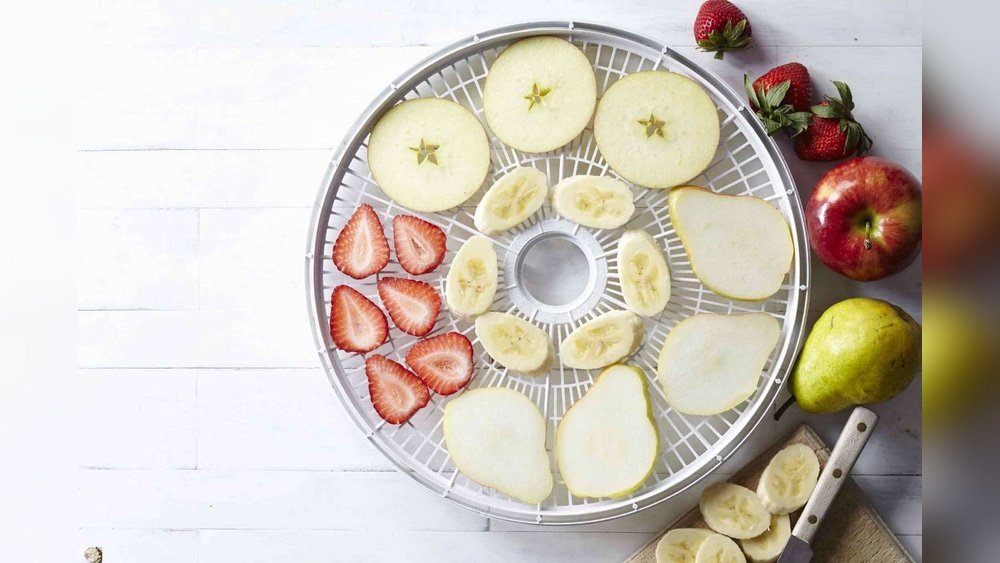
Are you wondering how long your food dehydrator will last before it needs replacing? You’ve invested time and money into this handy kitchen tool, so knowing its lifespan can help you get the most out of it.
Imagine avoiding unexpected breakdowns and keeping your dried snacks fresh without interruption. You’ll discover the key factors that affect your dehydrator’s durability and learn simple tips to extend its life. Keep reading to make sure your food dehydrator stays reliable for years to come.
:max_bytes(150000):strip_icc()/use-a-food-dehydrator-dry-herbs-1762397_final-ce393b98f4224efdbc3ae871b6606065.png)
Typical Lifespan Of Food Dehydrators
Food dehydrators are useful kitchen tools for preserving fruits, vegetables, and meats. Understanding how long they last helps you plan your purchase wisely. The typical lifespan of food dehydrators varies based on brand, quality, and usage. Knowing what to expect can save money and avoid frustration.
Average Years Of Use
Most food dehydrators last between 5 and 10 years. Basic models often last around 5 years with regular use. Higher-end models can last up to 10 years or more. Proper care and maintenance can extend this lifespan. Some users report using their dehydrators for over a decade.
Factors Influencing Durability
Material quality plays a big role in how long a dehydrator lasts. Plastic parts may wear out faster than metal ones. The heating element’s strength and design also affect durability. Frequent use can cause wear and tear quicker. Cleaning regularly prevents buildup that might damage parts. Storing the dehydrator properly protects it from dust and moisture.
Types Of Food Dehydrators
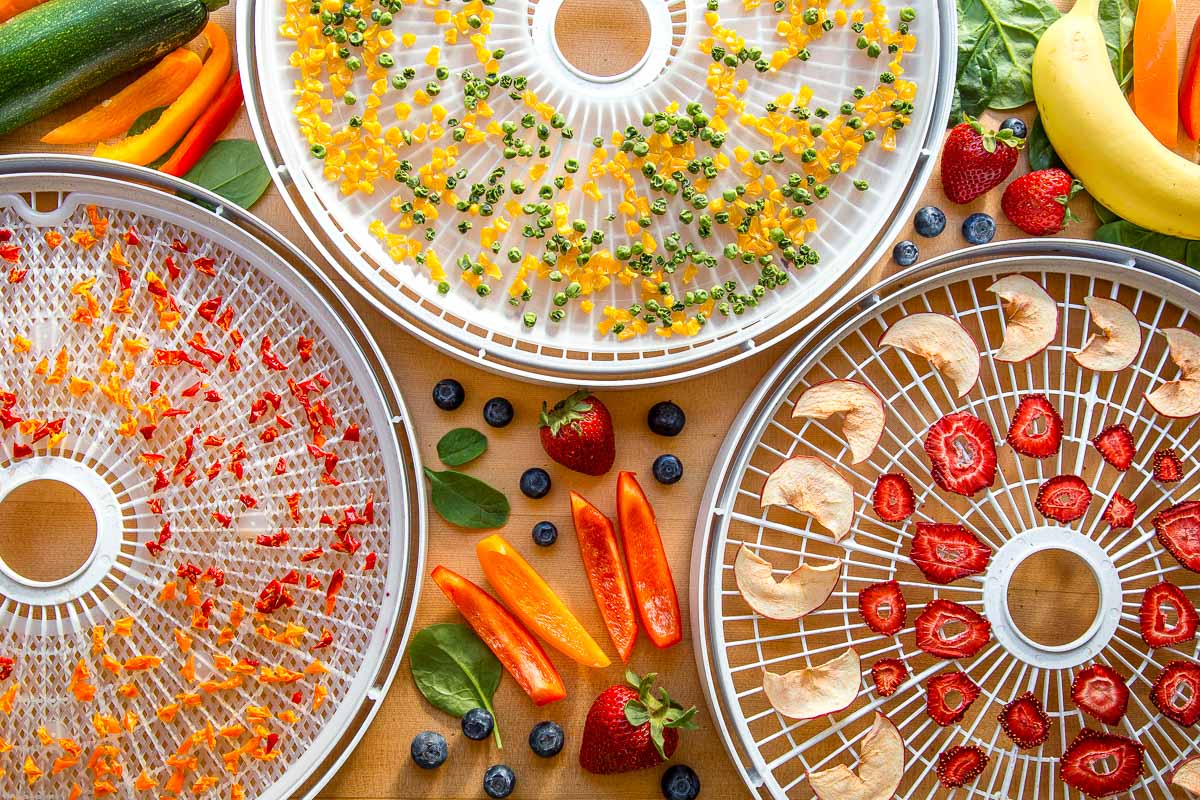
Food dehydrators come in different types. Each type has unique features and uses. Knowing these types helps you choose the best one. It also affects how long the dehydrator lasts. Here are the main types of food dehydrators.
Electric Dehydrators
Electric dehydrators are common and easy to use. They have built-in fans and heaters. These help dry food evenly and quickly. Most electric models last 5 to 10 years. Regular cleaning and care can extend their life. They work well indoors and in any weather.
Solar Dehydrators
Solar dehydrators use the sun’s heat to dry food. They are eco-friendly and cost nothing to run. Their lifespan depends on the materials used. Properly built solar dehydrators can last 7 to 15 years. They need good sunlight and outdoor space. Not as fast as electric ones, but very natural.
Air Drying Methods
Air drying is the oldest method of food drying. It uses natural air circulation and no power. This method works best in dry, warm climates. It can take several days to dry food. Air drying tools last a very long time. They require patience but no electricity or special devices.
Material And Build Quality
The material and build quality of a food dehydrator play a major role in its lifespan. Strong materials resist wear and tear better. They also handle heat and moisture without breaking down. A well-built dehydrator lasts longer and works more efficiently.
Different materials affect the durability and performance of the device. Understanding these differences helps choose a dehydrator that lasts.
Plastic Vs. Stainless Steel
Plastic dehydrators are lighter and often less expensive. They are easier to move and store. But plastic can crack or warp over time. Heat and moisture may weaken plastic parts faster.
Stainless steel dehydrators are heavier and cost more. They resist rust, stains, and heat damage well. Stainless steel units tend to stay sturdy for years. This material also looks cleaner and more modern.
Impact On Longevity
Stainless steel models generally last longer than plastic ones. Their strong build resists damage from daily use. Plastic parts might fail sooner due to bending or cracking.
Good construction matters too. Tight seals and solid trays keep food safe. Loose parts or cheap fasteners can break quickly. Choose a dehydrator with quality materials and solid design for longer life.
Maintenance Tips For Longer Life
Keeping your food dehydrator in good shape helps it last longer. Simple care steps make a big difference. Regular maintenance keeps your appliance working well and safe to use.
Here are some easy tips to help your dehydrator stay strong for years. Follow these simple habits to protect your investment and enjoy dried foods anytime.
Cleaning Practices
Clean your dehydrator after each use. Remove trays and wash them with warm, soapy water. Wipe the interior and exterior with a damp cloth.
Never use harsh chemicals or abrasive tools. They can damage the surfaces. Let all parts dry completely before putting them back.
Proper Storage
Store your dehydrator in a cool, dry place. Avoid spots with high humidity or direct sunlight. Keep it covered to protect from dust.
Make sure the appliance is unplugged and fully dry before storage. This prevents mold and electrical issues. Proper storage extends the appliance’s life.
Routine Inspections
Check your dehydrator regularly for signs of wear. Look for cracks, loose parts, or damaged cords. Early detection helps avoid bigger problems.
Test the fan and heating element often. If something sounds or works oddly, address it quickly. Routine checks keep your dehydrator safe and efficient.
Signs Your Dehydrator Needs Replacement
Knowing when to replace your food dehydrator saves time and avoids ruined food. Some signs clearly show your appliance may be past its prime. Watch for changes in how it works and looks. These clues help you decide if it is time for a new one.
Performance Issues
Food takes longer to dry than before. The dehydrator does not reach the set temperature. Food dries unevenly or stays moist in some areas. The fan or heating element makes strange noises. These problems suggest the dehydrator is losing efficiency.
Physical Damage
Cracks or warping appear on trays or the body. The door or lid does not close properly. Buttons or dials become loose or stop working. Visible damage can affect safety and drying quality. It may be safer to replace the unit.
Energy Inefficiency
Electric bills rise without heavier use of the machine. The dehydrator runs longer for the same results. The motor or heating element uses more power than before. Older models often waste energy and cost more to run. This can be a sign to upgrade to a newer model.
Extending Your Dehydrator’s Lifespan
Extending your food dehydrator’s lifespan saves money and ensures better performance. Proper care keeps your machine working well for years. Small steps can make a big difference. Follow simple tips to protect your investment.
Usage Best Practices
Always clean the dehydrator after each use. Remove food particles and wipe surfaces with a damp cloth. Avoid using harsh chemicals that might damage parts. Use the correct temperature settings for different foods. Overheating can wear out heating elements faster. Let the dehydrator cool down before storing it. Store in a dry, cool place to prevent rust and mold.
Repair Vs. Replacement
Check small problems early. Loose parts or strange noises can be fixed easily. Replacing worn-out trays or fans extends the machine’s life. Large electrical or motor issues might need professional repair. Consider repair costs versus buying a new unit. Repairs save money if costs are low. Replace if the machine breaks down often or costs too much to fix.
Warranty And Brand Reliability
Warranty and brand reliability play a big role in how long a food dehydrator lasts. A good warranty shows the manufacturer’s confidence in their product. It also protects you from unexpected repairs or defects. Brand reliability means the company makes quality products that last over time. Both factors help you choose a dehydrator that offers peace of mind and good value.
Choosing Reputable Brands
Reputable brands have a history of making durable food dehydrators. They use better parts and designs. These brands often get positive reviews from users. Choosing a known brand reduces the risk of buying a poor product. Trusted brands also offer customer support and spare parts. This helps fix issues faster and keeps your dehydrator working longer.
Warranty Coverage Impact
Warranty coverage varies by brand and model. Some offer one year, others three or more. A longer warranty usually means higher quality. It covers defects and sometimes accidental damage. Warranty helps save money on repairs or replacements. Read the warranty terms carefully. Know what is covered and what is not. A strong warranty adds value and shows brand trust.
Frequently Asked Questions
How Long Does A Food Dehydrator Typically Last?
A food dehydrator usually lasts between 5 to 10 years. Proper maintenance and usage can extend its lifespan. High-quality models often last longer than budget options.
What Factors Affect A Food Dehydrator’s Lifespan?
Key factors include build quality, frequency of use, and maintenance. Regular cleaning and avoiding overuse help prolong its durability. Environmental conditions also impact its longevity.
Can Proper Care Extend A Dehydrator’s Lifespan?
Yes, regular cleaning, proper storage, and timely repairs extend a dehydrator’s life. Avoiding moisture damage and following manufacturer guidelines preserve its performance over time.
When Should I Replace My Food Dehydrator?
Replace it if it shows consistent malfunctions, heating issues, or physical damage. If repair costs exceed its value, investing in a new model is wise.
Conclusion
A food dehydrator can last many years with good care. Regular cleaning and proper use help it work well longer. Avoid overloading the trays to keep the machine safe. Parts may wear out, but many models allow easy repairs. Choosing a durable brand also makes a difference.
Remember, a well-kept dehydrator saves money and food waste. Enjoy your dried fruits, vegetables, and snacks for a long time. Taking simple steps extends your appliance’s life. Small efforts lead to big benefits. Keep your dehydrator ready for tasty treats anytime.

