

Have you ever stopped to wonder how long your refrigerator will keep running smoothly? Your fridge is one of the most important appliances in your home, working nonstop to keep your food fresh and safe.
But like any machine, it won’t last forever. Knowing how long a refrigerator typically lasts can help you avoid unexpected breakdowns and costly repairs. You’ll discover the lifespan of refrigerators, signs your fridge might be nearing the end, and simple tips to extend its life.
Keep reading to make sure you’re ready when it’s time for a replacement—or better yet, to keep your current fridge going strong for years to come.
Average Refrigerator Lifespan
Refrigerators are essential in every home. Knowing their average lifespan helps you plan for replacement. Most refrigerators last many years but can vary by type and use. Understanding how long they last saves money and prevents surprises.
Let’s explore the typical lifespan of different types and what affects their durability.
Typical Lifespan By Type
Top-freezer refrigerators usually last about 14 to 17 years. They are simple and reliable. Side-by-side models often last 10 to 15 years. These have more features that may wear out faster. French door refrigerators typically last 10 to 12 years. They are stylish but complex. Compact or mini-fridges last about 8 to 10 years. They are smaller and used less intensively.
Factors Affecting Durability
Usage is a key factor. Heavy use can shorten a refrigerator’s life. Proper maintenance helps it last longer. Cleaning coils and seals prevents damage. Temperature settings matter too. Very cold or warm settings stress the machine. Location affects lifespan as well. Placing it in a hot or humid place can cause problems. Quality of parts also matters. Higher quality models usually last longer. Repairs and replacements keep the fridge running well.
Signs Of Aging Refrigerators
Refrigerators do not last forever. Over time, they show signs of wear. These signs tell you that your fridge is aging. Recognizing these signs helps you avoid food spoilage and high energy bills. Early detection can save money and stress.
Common Performance Issues
An aging refrigerator often struggles to keep food cold. You might notice warm spots inside. Strange noises like buzzing or clicking are common. The fridge may run constantly, raising your energy bill. Ice buildup in the freezer can appear. Doors may not seal properly, causing cold air to escape. Lights inside might flicker or stop working. These problems show the fridge is losing efficiency.
When To Consider Replacement
Consider replacing your fridge if problems persist. Repair costs that are high compared to the fridge’s value are a red flag. If the fridge is over 10-15 years old, replacement makes sense. Frequent breakdowns waste time and money. Poor cooling can cause food to spoil faster. New models use less energy and keep food fresher. Choosing a new refrigerator can improve your kitchen’s performance and save money long-term.
Maintenance Tips To Extend Life
Keeping a refrigerator running well for many years takes some effort. Small steps in maintenance can prevent big problems later. Taking care of your fridge helps it use less energy and keeps food fresh longer. Simple habits and regular cleaning make a big difference in how long your fridge lasts.
Cleaning And Care Practices
Dust and dirt can block the fridge’s coils. Clean the coils twice a year using a vacuum or brush. Wipe inside and outside with a soft cloth and mild soap. Avoid harsh cleaners that can damage surfaces. Check door seals often for cracks or dirt. Clean seals with warm water to keep them sticky and tight.
Proper Usage Habits
Do not overload the fridge. Air needs space to circulate and cool food evenly. Keep the temperature between 37°F and 40°F for the fridge. Set the freezer at 0°F. Avoid opening the door too often or leaving it open too long. Place hot food outside to cool before putting it in. This saves energy and helps the fridge work less hard.
:strip_icc()/KG_Posavad_03_preview-6a4e3c3892f2449490195381f642df21.jpg)
Energy Efficiency And Longevity
Energy efficiency plays a key role in how long a refrigerator lasts. A fridge that uses power wisely tends to stay reliable for many years. It also helps save money on electricity bills. Choosing the right model affects both your costs and the appliance’s lifespan.
Older refrigerators often use more energy. This can wear out parts faster. Newer models use improved technology to reduce energy use. This lowers stress on the machine and can extend its life. Understanding energy use helps you make better choices for your home.
Impact Of Energy Consumption
Energy consumption directly affects a refrigerator’s durability. High energy use means the fridge works harder. This can cause parts to fail sooner. Efficient fridges run cooler and with less effort. This reduces wear and tear on components. Lower energy use also means fewer repair needs over time.
Upgrading To Efficient Models
Replacing an old fridge with an energy-efficient model can save money. These models have better insulation and smarter compressors. They keep food cold using less power. Upgrading may cost more upfront but lowers electricity bills. Efficient refrigerators also tend to last longer because they operate smoothly.
Repair Vs. Replacement Decisions
Deciding between repairing or replacing a refrigerator can be tricky. The choice depends on many factors like cost, age, and the problem’s severity. Knowing when to fix or buy new helps save money and avoid trouble later.
Cost Analysis Of Repairs
First, check the repair cost. Small repairs may cost less than buying a new fridge. Large repairs like compressor replacement can be expensive. Compare repair costs with the price of a new refrigerator. If the repair cost is more than half of a new fridge, replacement might be better.
Evaluating Repair Viability
Consider the refrigerator’s age. Older models may break down more often. Repairs on old fridges might only last a short time. Check the warranty and parts availability. Some parts may no longer be available for older models. Frequent repairs increase overall costs. New models often use less energy and save money on bills.
Storage And Installation Tips
Proper storage and installation play a big role in how long a refrigerator lasts. Placing it in the right spot and protecting it from harsh conditions helps keep it working well. Simple steps can prevent damage and save you money on repairs.
Optimal Placement
Choose a flat, stable floor for your fridge. Uneven surfaces can cause parts to wear out fast. Keep the fridge away from direct sunlight. Heat from the sun makes the fridge work harder. Leave space around the fridge for air to flow. This helps cool the compressor and stops overheating.
Avoiding Environmental Stress
Keep the fridge away from heat sources like ovens and heaters. High temperatures strain the cooling system. Avoid placing the fridge in damp areas. Moisture can cause rust and electrical problems. Make sure the room temperature stays moderate. Extreme cold or heat can reduce the fridge’s life. Regularly clean the coils at the back. Dust build-up makes the fridge less efficient.
Warranty And Service Plans
Warranty and service plans play a key role in how long a refrigerator lasts. They protect you from unexpected repair costs. Understanding these plans helps you choose the right one. It also helps you get the most from your purchase.
Understanding Coverage Options
Most refrigerators come with a limited warranty. It usually covers parts and labor for one year. Some brands offer extended warranties for longer coverage. These plans may cover specific parts like compressors. Read the fine print to know what is included. Some plans exclude damages caused by accidents or misuse. Knowing the coverage helps avoid surprises later. Compare plans before buying to find the best fit.
Maximizing Service Benefits
Register your refrigerator right after purchase. This step activates your warranty and service plan. Keep all receipts and warranty documents safe. Use authorized service providers for repairs. This keeps your warranty valid. Schedule regular maintenance to catch small issues early. Some plans offer free check-ups or discounts. Taking these steps helps your refrigerator last longer. It saves money on costly repairs too.
Frequently Asked Questions
How Long Do Refrigerators Typically Last?
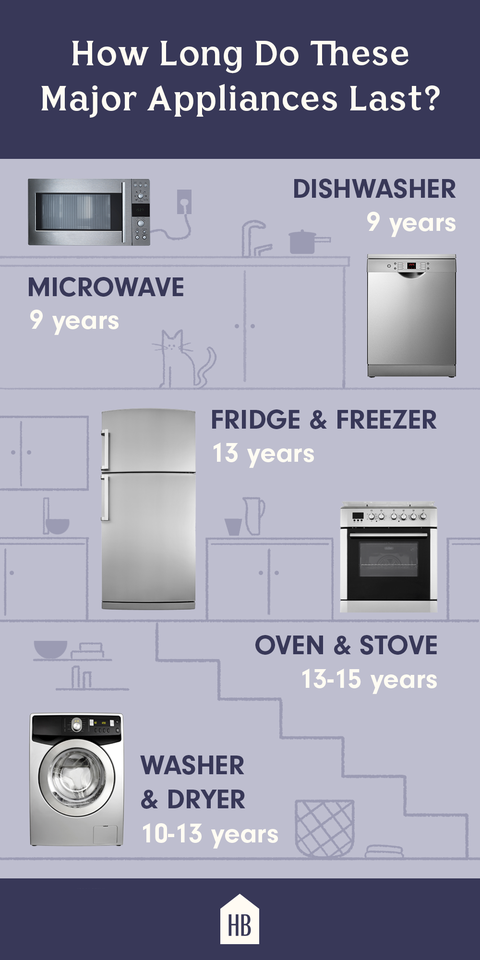
Refrigerators usually last between 10 to 20 years. Proper maintenance can extend their lifespan. Older models may consume more energy and require frequent repairs.
What Factors Affect A Refrigerator’s Lifespan?
Usage frequency, maintenance, brand quality, and model type affect lifespan. Consistent cleaning and timely repairs increase durability. Environmental conditions like temperature also influence performance.
When Should I Replace My Refrigerator?
Replace it if repair costs exceed 50% of its value. Frequent breakdowns or poor cooling are signs. Upgrading to energy-efficient models saves money long-term.
How Can I Extend My Refrigerator’s Life?
Clean coils regularly, avoid overloading, and maintain proper temperature. Check door seals for leaks and schedule annual inspections. These steps improve efficiency and longevity.
Conclusion
A refrigerator usually lasts about 10 to 20 years. Regular cleaning and care help it run longer. Signs like strange noises or poor cooling mean it may need fixing. Replacing parts can extend its life. Choosing the right model saves money over time.
Think about energy use to lower bills. Knowing how long your fridge lasts helps you plan ahead. Keep it working well with simple steps. A good fridge makes daily life easier. Take care, and it will serve you well.

