
Have you ever wondered how long it really takes to cook a perfect crepe on a crepe maker? You might think it’s just a quick flip, but there’s more to it than that.
Getting the timing right can make all the difference between a crepe that’s golden and delicious or one that’s uneven and sticky. You’ll discover the exact cooking time you need, plus simple tips to master your crepe maker and impress everyone at the table.
Keep reading, and you’ll be flipping flawless crepes in no time!
Crepe Maker Basics
Understanding the basics of a crepe maker helps you cook perfect crepes every time. This tool is designed to cook thin batter evenly and quickly. It is simple to use but knowing its features improves your results.
Crepe makers vary in style and function. Each type suits different needs and skill levels. Learning about these types and their temperature settings makes cooking easier and more consistent.
Types Of Crepe Makers
There are two main types of crepe makers. Electric crepe makers have a flat, non-stick surface and a built-in heating element. They heat up fast and maintain even heat. Stovetop crepe pans are used on a stove burner. They are lighter and easier to store but require more skill to control heat.
Some crepe makers have adjustable temperature controls. Others have fixed temperatures. Choose one that fits your cooking style and space.
Temperature Settings
Proper temperature is key to cooking crepes perfectly. Most electric crepe makers offer a range from low to high heat. A medium heat setting, around 350°F (175°C), works well for most batters.
Too hot, and crepes burn quickly. Too low, and they cook unevenly and stick to the surface. Allow the crepe maker to preheat fully before adding batter. This helps in cooking thin, golden crepes with soft centers.

Ideal Cooking Time
Knowing the ideal cooking time for a crepe on a crepe maker is important. It helps you get the perfect texture and taste. Cook it too little, and the crepe may be doughy. Cook it too long, and it may become dry or burnt. Finding the right timing creates thin, soft, and golden crepes every time.
Average Time Per Side
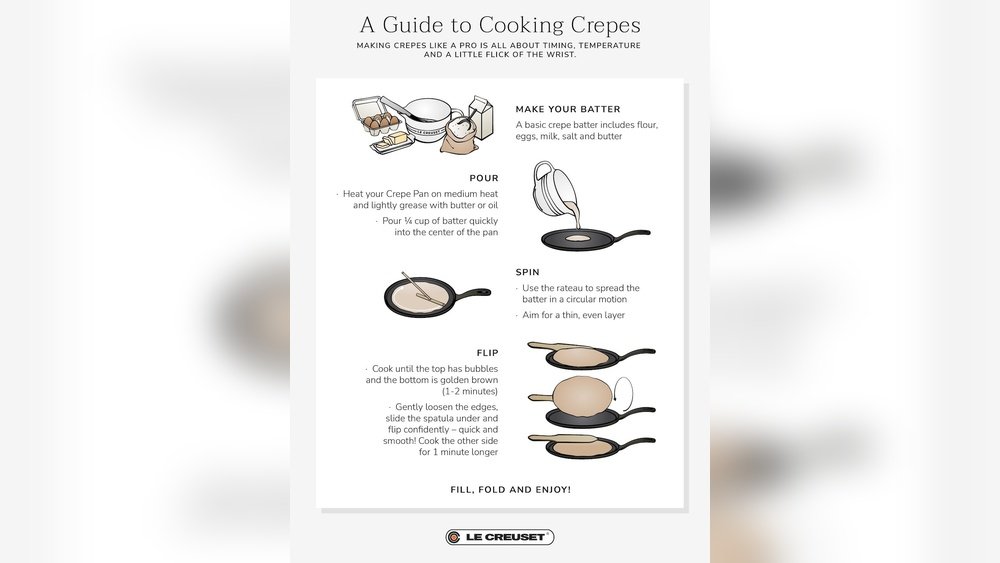
Usually, cooking a crepe takes about 1 to 2 minutes per side. The first side needs a bit more time, around 90 seconds. This allows the batter to set and develop light brown spots. Flip the crepe carefully and cook the other side for 30 to 60 seconds. This side cooks faster since the batter is mostly set.
Factors Affecting Cooking Time
The cooking time can change based on several factors. The heat level of the crepe maker is very important. High heat cooks crepes faster but risks burning them. Lower heat cooks more evenly but takes longer. The batter thickness also matters. Thicker batter needs more time to cook through. Thinner batter cooks faster and creates a delicate crepe. The type of crepe maker and its surface material affect heat distribution. Non-stick surfaces may need less time. Finally, room temperature and humidity can change cooking speed slightly.
Preparing The Batter
Preparing the batter is the first step to making perfect crepes. The batter needs to be smooth and thin to spread easily on the crepe maker. A well-prepared batter cooks evenly and produces delicate crepes.
Consistency Tips
The batter should be thin but not watery. Aim for a texture like heavy cream. If the batter is too thick, add a little milk or water. Too thin batter will tear easily when cooking. Use a whisk or blender to remove lumps. Smooth batter helps crepes cook fast and evenly.
Resting The Batter
Resting the batter improves texture and flavor. Let it sit for at least 30 minutes in the fridge. This time allows the flour to absorb the liquid fully. Rested batter spreads better on the crepe maker. It also reduces bubbles for a smooth surface. Patience here means better crepes later.
Cooking Steps
Cooking crepes on a crepe maker is simple and fun. Follow clear steps to get perfect crepes every time. Timing is important in each step to avoid undercooked or burnt crepes. Here is a basic guide to the cooking process.
Heating The Crepe Maker
Turn on your crepe maker and set it to medium heat. Let it warm up for about 3 to 5 minutes. The surface should feel hot but not smoking. A properly heated crepe maker helps cook the batter evenly. You can test by sprinkling a few drops of water. They should sizzle and evaporate quickly.
Pouring The Batter
Use a ladle or measuring cup to pour the batter onto the hot surface. Pour enough to cover the cooking area thinly and evenly. Tilt the crepe maker or use a spreader to spread the batter. This step should take about 10 to 15 seconds. The batter starts cooking immediately, so work fast but gently.
Flipping The Crepe
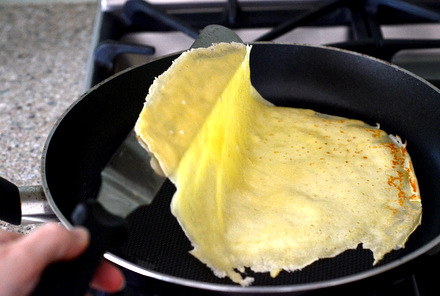
Wait about 30 to 45 seconds before flipping the crepe. Look for the edges to lift slightly and the surface to appear dry. Use a thin spatula to lift and flip the crepe carefully. Cook the other side for 10 to 20 seconds. The crepe should be golden and lightly browned on both sides.
Troubleshooting Cooking Issues
Troubleshooting cooking issues on a crepe maker helps improve your crepe results. Small problems can cause big differences in taste and texture. Fixing these issues saves time and ingredients. The following tips address common problems with crepe cooking.
Crepe Sticking To Surface
Crepes stick when the surface is not hot enough. A cold or uneven crepe maker causes sticking. Use a light coat of oil or butter on the surface. Avoid adding too much oil to prevent greasy crepes. Clean the surface after each crepe to remove residue. Non-stick surfaces still need some oil for smooth cooking.
Uneven Cooking
Uneven cooking happens if the crepe maker heats inconsistently. Check if the heat spreads evenly across the surface. Avoid pouring too much batter; it takes longer to cook and cooks unevenly. Use a batter spreader to create a thin, even layer. Flip the crepe at the right time to avoid undercooked spots. Keep the temperature medium to get uniform browning.
Batter Too Thick Or Thin
Thick batter makes crepes heavy and hard to spread. Thin batter runs off the crepe maker and cooks too fast. Add water or milk to thin thick batter gradually. Add a little flour to thin batter for better texture. The right batter consistency feels like heavy cream. Stir batter well to remove lumps before cooking.
Tips For Perfect Crepes
Perfect crepes need the right steps and care. Small details can change the taste and look. Follow simple tips to get thin, soft, and tasty crepes every time. These tips help you cook quickly and easily on your crepe maker.
Using The Right Tools
A good crepe maker makes a big difference. Choose one with a smooth, flat surface. Use a wooden or silicone spreader to spread batter thinly. A non-stick surface helps crepes flip without sticking. Use a thin spatula to lift crepes gently. These tools save time and avoid tearing.
Maintaining Consistent Heat
Heat control is key for perfect crepes. Preheat the crepe maker to medium heat before cooking. Too hot burns crepes; too cool makes them thick and uneven. Keep the temperature steady throughout cooking. Check the heat often and adjust if needed. Consistent heat cooks crepes evenly and fast.
:max_bytes(150000):strip_icc()/sea-product-le-creuset-toughened-nonstick-pro-crepe-pan-taylor-murray-10-29cebf39ded7443da54349489175819c.jpeg)
Frequently Asked Questions
How Long To Cook A Crepe On A Crepe Maker?
Cooking a crepe on a crepe maker typically takes 1 to 2 minutes. Flip the crepe once the edges lift and the surface looks set.
What Temperature Is Best For Crepe Makers?
Set the crepe maker to medium-high heat, around 375°F (190°C), for even cooking and a perfect golden color.
How Do I Know When To Flip A Crepe?
Flip the crepe when the edges start to lift, and the top surface is no longer wet or shiny.
Can Cooking Time Vary By Batter Thickness?
Yes, thicker batter takes slightly longer to cook, while thinner batter cooks faster. Adjust time accordingly to avoid burning.
Conclusion
Cooking a crepe on a crepe maker takes just a few minutes. Usually, one side cooks for about one to two minutes. Then flip it and cook the other side quickly. The key is to watch the edges for a light brown color.
Thin batter spreads fast and cooks faster too. Practice helps you find the perfect timing. Soon, making crepes will feel easy and fun. Enjoy your fresh crepes with any filling you like. Simple steps lead to delicious results every time.

