
Have you ever wondered how long it really takes to dehydrate your favorite foods? Whether you’re preparing snacks for a hiking trip or looking to preserve fresh produce, knowing the exact time can save you effort and frustration.
You’ll discover clear answers that help you plan better and get perfect results every time. Keep reading, and you’ll find out how to make your food last longer without losing flavor or nutrients.
Factors Affecting Dehydration Time
Dehydrating food takes different amounts of time. Several factors decide how long it will take to dry your food properly. Understanding these factors helps you get the best results. Drying time varies widely based on the food and method used.
Type Of Food
Different foods dry at different speeds. Fruits like apples and bananas dry faster than meat or thick vegetables. Foods with dense textures take longer to remove moisture. Knowing the type of food helps estimate drying time better.
Slice Thickness
Thin slices dry quicker than thick pieces. Thicker slices hold more moisture inside, needing more time. Cutting food evenly helps it dry at the same rate. Thin pieces also prevent uneven drying and spoilage.
Moisture Content
Foods with high water content take longer to dry. Water-rich fruits like watermelon need more time than dry nuts. The wetter the food, the more hours it needs in the dehydrator or oven. Check moisture before starting to set the right drying time.
Drying Method
Different drying methods affect the drying speed. Electric dehydrators dry food steadily and evenly. Oven drying is faster but may dry unevenly. Sun drying depends on weather and can take days. Choose the method that fits your time and food type.
Dehydration Times For Common Foods
Dehydrating food helps preserve it for a long time. Different foods need different drying times. Knowing these times saves energy and keeps food tasty.
Fruits
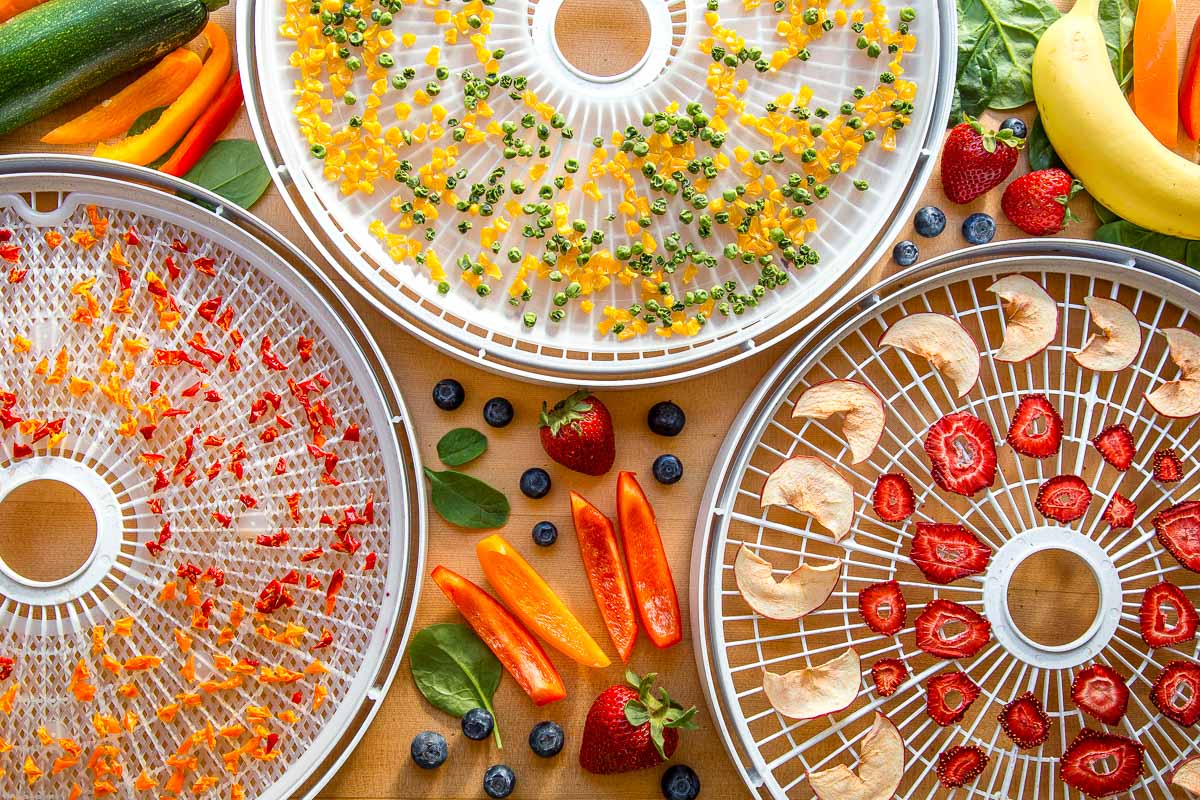
Fruits dry faster because they have more sugar and less water. Apple slices take about 6 to 12 hours. Bananas need around 8 to 10 hours. Berries dry quickly, often within 6 to 8 hours. Keep fruit pieces small for faster drying.
Vegetables
Vegetables need more time due to higher water content. Carrots usually take 8 to 12 hours. Green beans dry in about 6 to 10 hours. Peppers need 8 to 12 hours. Slice vegetables thinly to speed up drying.
Herbs
Herbs dry the fastest because they are thin and soft. Basil and oregano take about 2 to 4 hours. Parsley dries in 4 to 6 hours. Dry herbs at low heat for best flavor.
Meats
Meats take the longest to dry because they are thick and dense. Beef jerky needs 6 to 12 hours. Chicken strips dry in 8 to 10 hours. Cut meat thinly and evenly for best results.
Best Drying Techniques
Drying food is a great way to preserve it for a long time. Choosing the right drying method affects the taste, texture, and drying time. Different foods need different techniques for the best results. Here are some common and effective ways to dry food at home.
Using A Food Dehydrator
A food dehydrator is a popular tool for drying fruits, vegetables, and meats. It uses low heat and a fan to remove moisture evenly. This method is fast and keeps nutrients intact. Most dehydrators have adjustable temperature settings. Drying can take from 4 to 12 hours, depending on the food type.
Oven Drying
Oven drying is a simple option if you do not have a dehydrator. Set the oven to the lowest temperature, usually around 140°F (60°C). Keep the door slightly open to let moisture escape. Place food on baking sheets in a single layer. Drying time varies from 4 to 10 hours. Check food regularly to avoid burning.
Sun Drying
Sun drying is a natural and cost-free method. It works best in hot, dry climates with plenty of sunlight. Lay food on trays or screens in direct sunlight. Cover with a fine mesh to protect from insects. Turn food often for even drying. This method takes several days and depends on weather conditions.
Air Drying
Air drying uses natural airflow to remove moisture. Hang herbs, peppers, or thin slices of fruit in a well-ventilated area. Avoid humid or damp places. Air drying can take several days to weeks. It is gentle and preserves flavor well but needs patience and space.
Tips For Faster Dehydration
Speeding up the dehydration process saves time and energy. Simple changes can make drying faster and more efficient. Here are key tips to help foods dry quicker without losing quality.
Proper Slicing
Cut food into even, thin pieces. Thin slices dry faster and more evenly. Avoid thick or uneven cuts that trap moisture. Use a sharp knife or mandoline for consistent slices.
Pre-treatment Methods
Some foods dry faster with pre-treatment. Soaking in lemon juice or blanching prevents browning. This also helps remove excess water before drying. Pre-treat fruits and vegetables to speed up dehydration time.
Optimal Temperature Settings
Set the dehydrator to the right temperature. Too low slows drying; too high may cook food. Most foods dry well between 125°F and 140°F (52°C–60°C). Adjust temperature based on the food type for best results.
Maintaining Airflow
Good airflow removes moisture quickly. Avoid overcrowding trays in the dehydrator. Leave space between pieces for air to circulate. Clean the dehydrator vents regularly to keep air flowing smoothly.
Signs Food Is Fully Dehydrated
Knowing when food is fully dehydrated is key for safe storage and good taste. Proper dehydration removes most moisture. This stops bacteria and mold growth. Too little drying can cause spoilage. Too much drying wastes time and energy. Use clear signs to check food dryness. These signs help avoid guesswork.
Texture Checks
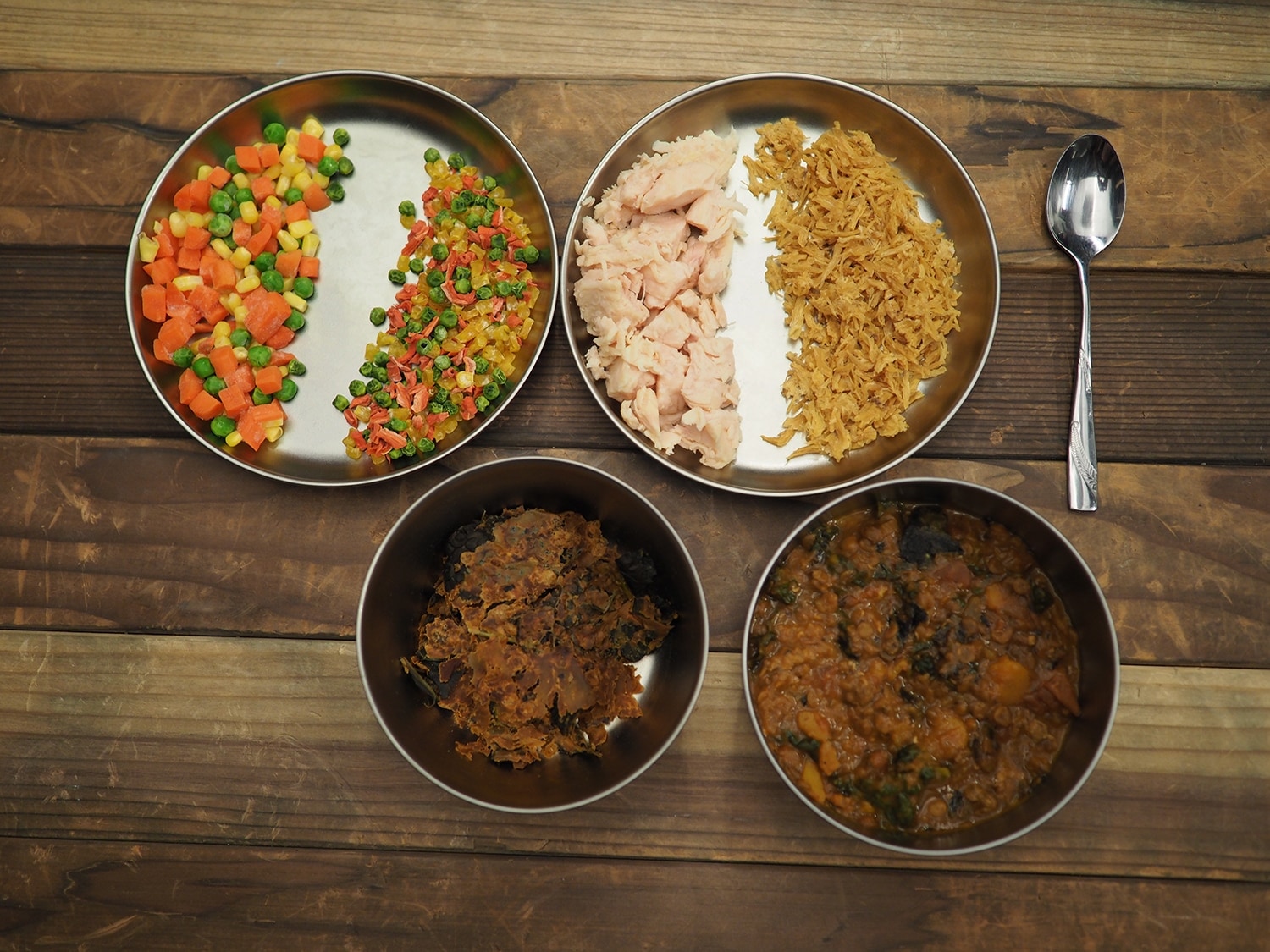
Feel the food’s surface. It should be dry and firm. Fruits like apples become leathery but not sticky. Vegetables turn brittle or crisp. Meat jerky should bend but not snap. Soft or spongy spots mean more drying is needed.
Weight Reduction
Weigh food before and after drying. Most foods lose 80% to 95% of their weight. Significant weight drop shows moisture is gone. Small weight loss means food still holds water. Tracking weight helps know when to stop.
Storage Tests
Store dried food in a sealed container. Check after 24 hours for condensation inside. Moisture drops signal incomplete drying. Properly dried food stays dry with no water drops. This test confirms safe, long-lasting storage.
Common Mistakes To Avoid
Dehydrating food is a simple process, but many people make common mistakes. These errors can affect drying time and food quality. Avoiding these mistakes helps you get the best results every time.
Overloading The Dehydrator
Putting too much food in the dehydrator blocks air flow. This slows down drying and can cause uneven results. Leave space between pieces for air to circulate well.
Inconsistent Sizing
Cutting food in different sizes causes uneven drying. Smaller pieces dry too fast, while bigger ones stay wet. Try to slice food in equal sizes for even drying.
Ignoring Humidity Levels
High humidity slows the drying process. It can cause food to stay moist and spoil. Dry food on low-humidity days or use a dehumidifier for better results.
Storing Dehydrated Foods
Storing dehydrated foods properly keeps them fresh and tasty for a long time. After drying, moisture must stay out. Air, light, and heat can spoil the food quickly. Good storage helps keep flavors and nutrients intact. It also prevents bugs and mold from growing.
Packaging Options
Choose airtight containers to keep moisture away. Glass jars with tight lids work well. Vacuum-sealed bags remove air and extend shelf life. Mylar bags with oxygen absorbers are good for long storage. Store in cool, dark places to protect from heat and light. Avoid plastic bags without seals; they allow air and moisture in.
Shelf Life Expectations
Dehydrated fruits last about 6 to 12 months. Vegetables keep fresh for 8 to 12 months. Herbs can last up to 3 years if stored well. Meat jerky stays good for 1 to 2 months. Check food regularly for any signs of spoilage. Smell, texture, or color changes mean it is time to discard.
Rehydration Tips
Use warm water to soak dehydrated foods for faster rehydration. Fruits take about 30 minutes to soften. Vegetables may need 20 to 45 minutes, depending on size. Drain excess water before cooking or eating. Avoid boiling water; it can make food mushy. Experiment with soaking times to get the best texture.

Frequently Asked Questions
How Long Does It Take To Dehydrate Fruits?
Dehydrating fruits typically takes 6 to 12 hours. The exact time depends on fruit type, thickness, and drying temperature. Thin slices dry faster, while thicker pieces need more time. Maintaining 135°F (57°C) helps preserve nutrients and flavor during dehydration.
What Affects Dehydration Time For Vegetables?
Vegetable dehydration time varies due to moisture content, slice thickness, and drying method. Leafy greens dry quickly in 4 to 6 hours. Dense vegetables like carrots take 8 to 12 hours. Even airflow and steady temperature speed up drying.
Can You Speed Up Food Dehydration Time?
Yes, increasing temperature and slicing food thinly speeds dehydration. Using a dehydrator with good airflow also helps. Avoid too high heat to prevent nutrient loss or cooking food instead of drying.
Is Dehydration Time Different For Meats?
Meat dehydration usually takes 4 to 10 hours. Factors include cut thickness and marination. Proper temperature (around 160°F/71°C) ensures safety and effective drying. Jerky requires longer drying than thinly sliced snack meats.
Conclusion
Dehydrating food takes time, but it depends on many things. Different foods need different drying times. Temperature, thickness, and moisture all matter. Using the right method helps speed up the process. Patience leads to tasty, long-lasting snacks. Try drying small batches first to learn the timing.
Keep checking your food to avoid over-drying. With practice, you will get better at guessing the time. Enjoy healthy, homemade dried foods anytime you want.

