
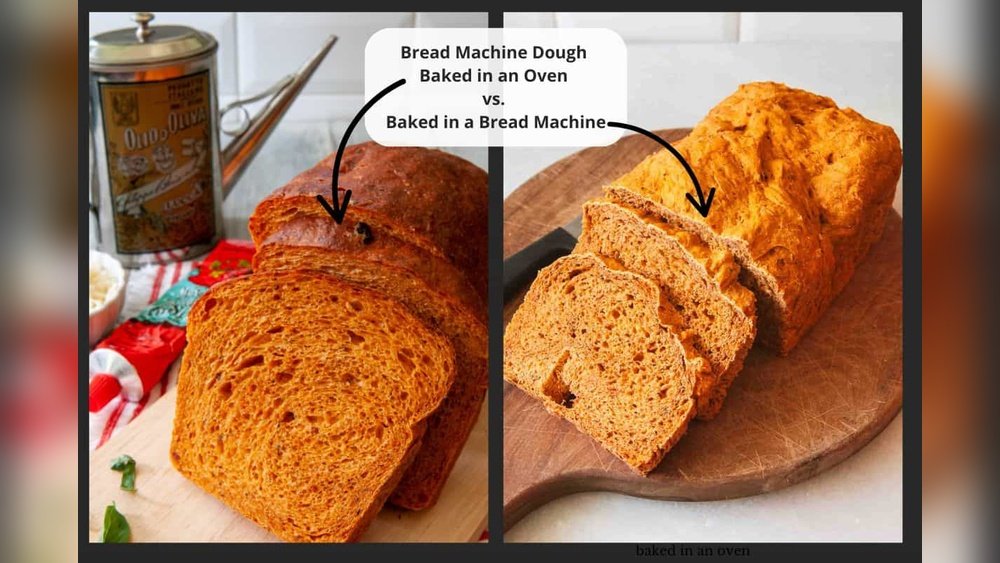
Have you ever wondered how long it takes to make bread in a bread maker? If you’re eager to enjoy fresh, warm bread but want to plan your time wisely, this question is key.
Knowing the exact timing helps you fit bread-making into your busy day without surprises. You’ll discover the typical baking times, what affects them, and tips to get the best results. Keep reading to find out how your bread maker can deliver delicious homemade bread right when you want it.
Bread Maker Basics
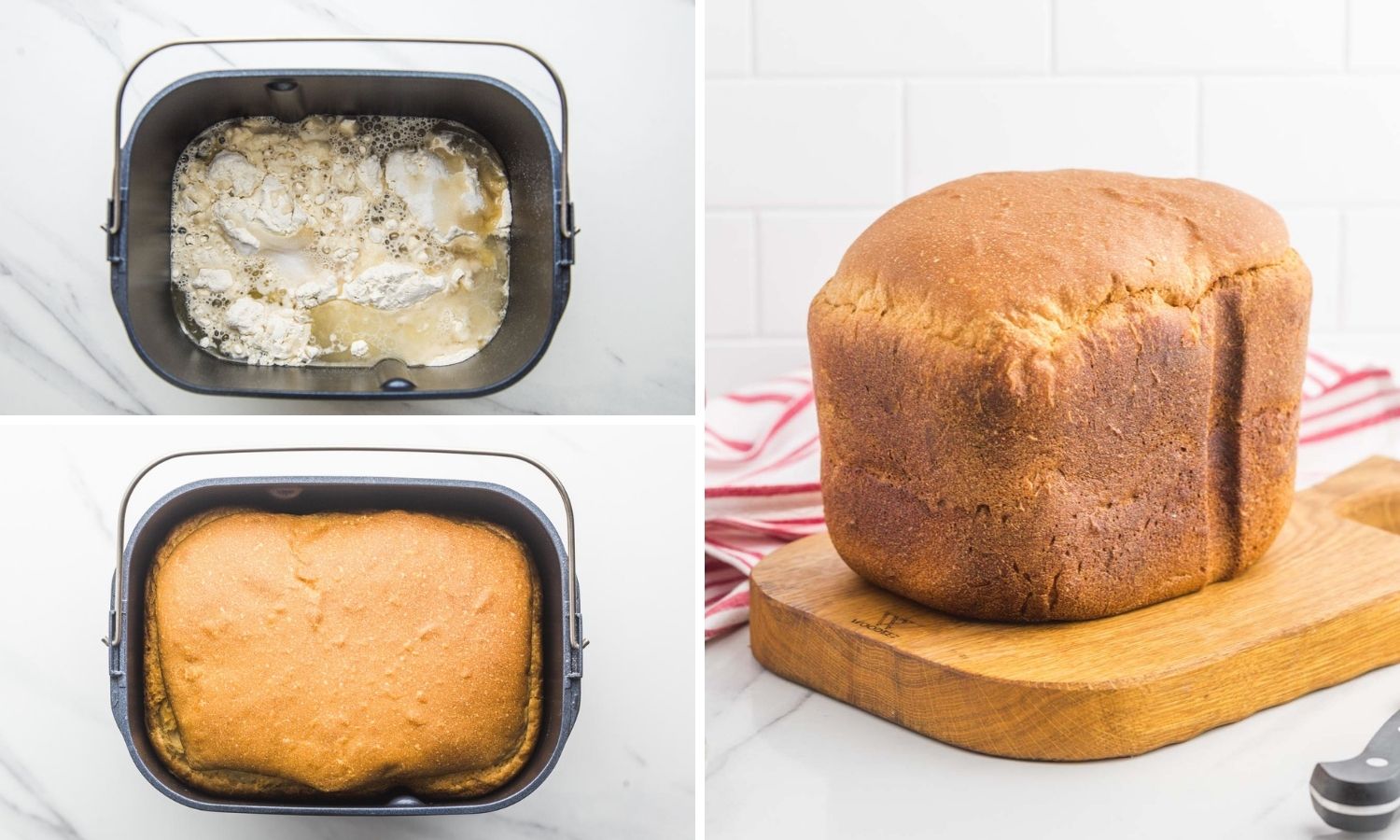
Bread makers make baking bread easy and fun. They save time and reduce mess. Understanding the basics helps you use your machine well. This section explains key parts and common settings.
Key Components
Most bread makers have a baking pan where ingredients mix and bake. A kneading blade mixes and kneads dough. The machine has a heating element to bake bread evenly. A control panel lets you choose settings and start the machine. A viewing window shows the bread as it bakes.
Common Settings
Bread makers offer settings for different bread types. Basic settings include white, whole wheat, and gluten-free bread. Some have dough-only or bake-only modes. Crust color options let you pick light, medium, or dark crust. Timers delay baking to fit your schedule.
Typical Bread Making Times
Bread makers have changed how people bake bread at home. They save time and effort. Understanding typical bread making times helps plan your baking better. Different bread types need different durations. This section explains the usual times for common bread maker settings.
Standard Loaf Duration
Most bread makers take about 3 to 4 hours for a standard loaf. This time includes mixing, kneading, rising, and baking. The exact time depends on the machine and recipe. A larger loaf might take longer to bake fully. This duration gives bread a soft inside and a golden crust.
Quick Bread Options
Quick bread settings finish in around 1 to 2 hours. These cycles use faster yeast or less rising time. The bread is ready faster but may be less fluffy. Perfect for busy days or when you want fresh bread fast. Quick breads still taste good and have a nice texture.
Gluten-free Cycles
Gluten-free bread needs special care. Most gluten-free cycles take about 2.5 to 3.5 hours. The bread maker mixes and bakes with gentle kneading. Gluten-free doughs rise differently, so times vary. This cycle helps create soft, tasty gluten-free loaves.
Factors Affecting Bread Time
Bread makers offer a simple way to bake fresh bread at home. The time it takes to make bread can change. Several factors influence the baking time. Understanding these helps you plan better. It also ensures your bread turns out just right.
Ingredient Variations
Different ingredients change how fast bread bakes. Whole wheat flour takes longer than white flour. Adding nuts or seeds can increase baking time. Sugars and fats also affect the bread’s rise and texture. Always measure ingredients carefully for best results.
Loaf Size Impact
Bread makers allow you to choose loaf size. Larger loaves take more time to bake fully. Smaller loaves bake faster and might be done sooner. Check your machine’s settings for size options. Adjust baking time based on the loaf size you select.
Crust Preferences
Bread makers usually offer crust color settings. Light crust takes less time to bake. Dark crust requires longer baking to get crisp. Medium crust falls between light and dark. Choose your preferred crust type to control baking time.
Speeding Up The Process
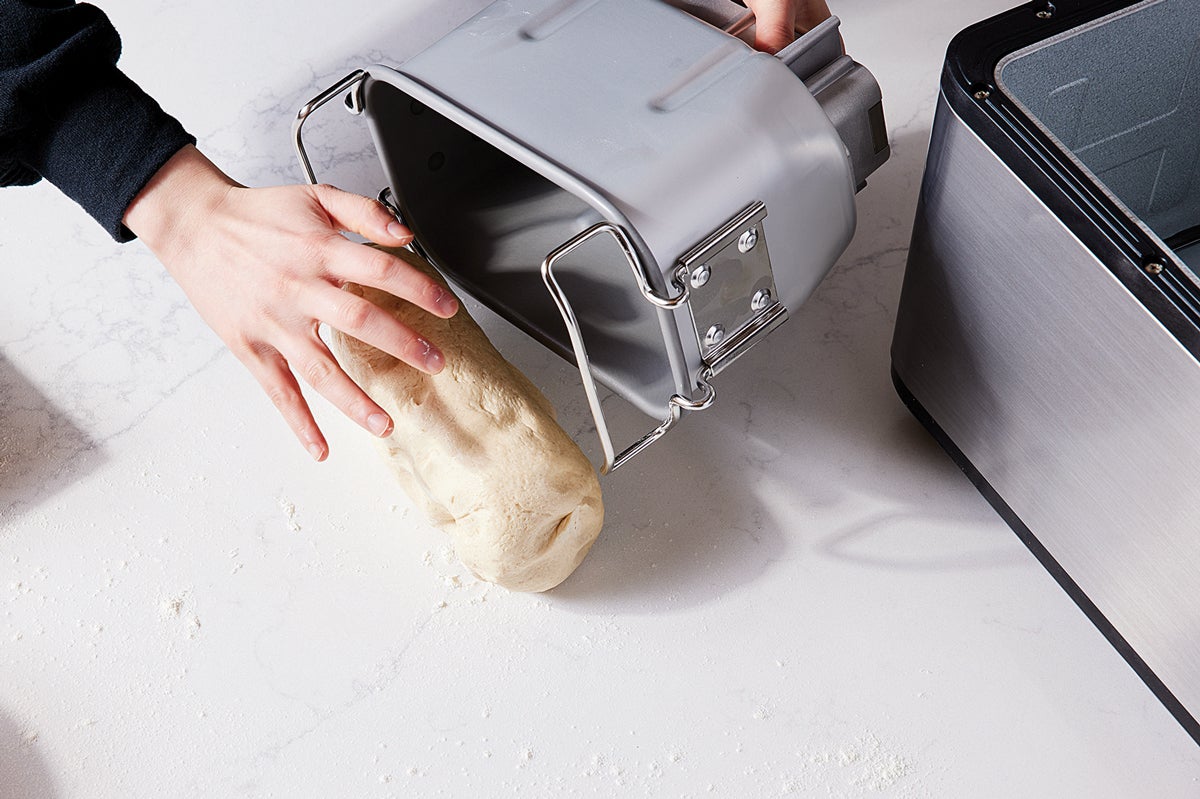
Making bread in a bread maker can take several hours. Waiting might feel long, especially when you want fresh bread fast. There are ways to speed up the process. Small changes can cut down the time without losing quality. These tips help you enjoy warm bread sooner.
Using Quick Recipes
Quick recipes use fast-rising yeast. This type of yeast works faster than regular yeast. The dough rises in less time. Some quick recipes finish baking in about an hour. These recipes usually skip the long rising steps. The bread still tastes good and has a soft texture.
Prepping Ingredients Ahead
Measuring and preparing ingredients before starting saves time. Have flour, yeast, salt, and water ready to go. You can mix dry ingredients in advance. Some people store pre-measured mixes in containers. This way, you only add water and start the machine. The process becomes smoother and quicker.
Troubleshooting Time Issues
Sometimes, bread makers take longer than expected to finish baking. This can be frustrating if you want fresh bread quickly. Understanding why the process is slow helps fix the problem. Small changes can speed up baking and improve your bread quality.
Why Bread Takes Too Long
Bread may take longer due to the chosen program. Some cycles include extra steps like rising or resting. These add time but improve bread texture and flavor.
Using cold ingredients can slow yeast activity. Yeast works best at warm temperatures. Cold dough rises slowly and delays baking.
Adding too much flour or liquid affects dough consistency. Thick dough needs more time to mix and rise. This can extend the total bake time.
Power outages or interruptions can pause the machine. The bread maker restarts and adds time to finish the cycle.
Adjusting Settings For Faster Results
Select a quick or express bake program. These cycles reduce rising time and bake faster. The bread might be less fluffy but ready sooner.
Use warm water and room temperature ingredients. This helps yeast activate quickly for faster rising.
Measure ingredients carefully to keep dough balanced. Proper dough consistency helps speed up mixing and baking.
Try smaller loaf sizes. Smaller dough takes less time to cook fully in the machine.
Frequently Asked Questions
How Long Does A Basic Bread Cycle Take?
A basic bread cycle usually takes 3 to 4 hours. This includes mixing, kneading, rising, and baking. Exact time varies by model and bread type.
Can I Speed Up Bread Making In A Bread Maker?
Some machines offer a quick bake option. This reduces time to about 1. 5 hours. However, faster cycles may affect bread texture and flavor.
What Affects Bread Maker Baking Time?
Factors include bread type, loaf size, and machine settings. Larger loaves take longer. Whole grain breads need more rising time than white bread.
Is Preheating Necessary For Bread Makers?
Most bread makers do not require preheating. The machine heats automatically during the process. Preheating can cause uneven baking and is generally not recommended.
Conclusion
Making bread in a bread maker takes time, but it is simple. Most machines bake bread in about 3 to 4 hours. Some settings are faster, while others take longer for better texture. Patience brings fresh, warm bread right at home.
Knowing the time helps you plan your day well. Enjoy baking with ease and tasty results every time. Your bread maker does the hard work; you get delicious bread. Give it a try and enjoy homemade bread soon.

