
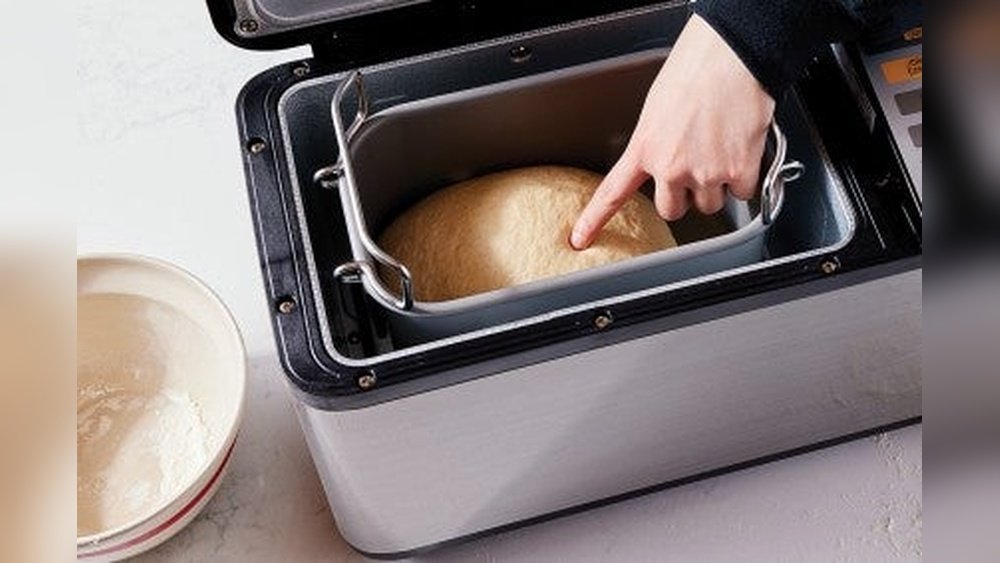
Are you curious about how much electricity your bread maker actually uses? Whether you bake fresh bread every day or just once in a while, knowing the energy cost can help you save money and make smarter choices.
Understanding your bread maker’s power consumption isn’t as tricky as it sounds. In fact, by the end of this article, you’ll have clear answers that can help you manage your electricity bills better and bake with confidence. Let’s dive in and uncover the facts about your bread maker’s energy use.

Bread Maker Power Consumption
Bread makers need electricity to work. The power they use varies by model and baking stage. Knowing about their power use helps manage energy bills better. It also helps choose the right bread maker for your needs.
Let’s explore how much electricity bread makers use during baking. This can help you understand their energy impact at home.
Average Wattage Of Bread Makers
Most bread makers use between 500 and 1200 watts. Smaller models often use less power. Larger or faster machines need more watts. The wattage shows how much electricity the machine uses at once. Higher wattage means more energy use, but often faster baking.
Energy Use During Different Baking Stages
Bread making has stages like mixing, rising, and baking. Each stage uses different amounts of energy. Mixing uses less power, about 100 to 200 watts. Rising uses very little power, as the machine only keeps bread warm. Baking uses the most power, often near the machine’s maximum wattage. Understanding these stages helps track overall energy use.

Factors Influencing Electricity Use
Several factors affect how much electricity a bread maker uses. These factors can change the total energy consumption during baking. Understanding them helps control electricity costs and use the appliance efficiently.
Bread Maker Size And Capacity
Larger bread makers often use more electricity. They need more power to heat and bake bigger loaves. Small machines use less energy but make smaller bread. Choose a size that fits your baking needs to save electricity.
Program Settings And Baking Modes
Different baking programs use different amounts of electricity. Some modes take longer to complete, using more power. For example, whole wheat or gluten-free settings may run longer. Quick bake modes use less time and energy.
Frequency And Duration Of Use
Using the bread maker often increases total electricity use. Longer baking times also raise energy consumption. Running the machine only when needed helps reduce electricity bills. Shorter and fewer baking sessions save energy.
Calculating Your Bread Maker’s Energy Cost
Calculating the energy cost of your bread maker helps control your electricity bills. Knowing the cost encourages smarter appliance use. This section explains how to find the energy used and its dollar value.
Estimating Kilowatt-hours Used
Bread makers use electricity measured in watts. Check your bread maker’s label for wattage. Most models use between 500 to 1200 watts.
To find kilowatt-hours, multiply the wattage by the hours used. For example, a 700-watt bread maker running for 2 hours uses 1.4 kWh (700 watts × 2 hours ÷ 1000).
This number shows how much electricity your bread maker consumes per baking cycle. Use this to compare with your electricity bill.
Converting Usage To Dollar Amounts
Find your local electricity rate on your bill. Rates are usually cents per kilowatt-hour.
Multiply the kilowatt-hours used by the rate. For example, 1.4 kWh × $0.12 equals $0.17.
This means each bread baking costs about 17 cents in electricity. Adjust calculations based on your bread maker’s wattage and local rates.
:max_bytes(150000):strip_icc()/ses-tier-3-primary-best-bread-machines-nsimpson-3351-e24c64fa567e419a822fa17440ff1c53.jpeg)
Energy-saving Tips For Bread Makers
Saving energy with your bread maker helps lower electricity bills. It also supports a greener lifestyle. Small changes can make a big difference in power use. Simple steps improve efficiency and reduce waste. Focus on choosing the right model, using it smartly, and keeping it in good shape.
Choosing Energy-efficient Models
Pick bread makers with lower wattage ratings. Check for energy-saving features before buying. Models with good insulation keep heat longer. This cuts down on electricity use. Read product labels and reviews for energy info. A model that bakes faster uses less power.
Optimizing Baking Cycles
Select shorter baking cycles for smaller loaves. Avoid using the delay timer often, as it uses extra energy. Combine tasks by baking several loaves at once, if possible. Use the crust setting wisely—lighter crusts use less heat. Turn off the machine immediately after baking ends.
Maintaining Your Bread Maker
Clean the bread maker regularly to keep it efficient. Remove crumbs and residue from heating elements. Check the seal on the lid for tightness. Replace worn parts to avoid energy leaks. Well-maintained machines heat evenly and finish quicker. This saves electricity and extends the machine’s life.
Comparing Bread Makers To Other Kitchen Appliances
Comparing bread makers to other kitchen appliances helps us understand their energy use. Bread makers work differently than ovens and toaster ovens. This affects how much electricity they use. Knowing these differences can help you save power and money in your kitchen.
Energy Use Compared To Ovens
Ovens use a lot of electricity because they heat a large space. They need to stay hot for a long time to bake bread. Bread makers use less energy because they heat a smaller area. The heating element is inside the bread pan only. This focused heating means less wasted electricity. Bread makers usually run for 2 to 4 hours. Ovens bake bread in about 30 to 60 minutes but use more power per minute.
Efficiency Compared To Toaster Ovens
Toaster ovens use less power than full-size ovens. They heat smaller spaces, like bread makers. But toaster ovens do not mix or knead dough. This means you need extra energy from other appliances. Bread makers combine mixing, kneading, rising, and baking. This all-in-one process can be more efficient overall. They use electricity steadily during the entire bread-making cycle. Toaster ovens use power mainly during baking, but you need other tools for the rest of the process.
Frequently Asked Questions
How Much Power Does A Bread Maker Consume?
A typical bread maker uses between 500 to 800 watts of power. Usage depends on the model and baking cycle length. Longer cycles consume more electricity. Overall, bread makers are energy-efficient compared to ovens.
Does Bread Maker Electricity Use Affect Utility Bills?
Bread makers use low electricity compared to ovens, so their impact on bills is minimal. Baking one loaf daily may raise your bill by only a few cents. Efficient use keeps costs low.
How Long Does A Bread Maker Run Per Cycle?
A bread maker cycle usually lasts between 2 to 4 hours. The exact time depends on the bread type and settings used. Longer cycles use more electricity but yield better bread quality.
Can Using A Bread Maker Save Energy?
Yes, bread makers save energy by baking smaller batches quickly. They use less power than conventional ovens. This makes them a cost-effective choice for homemade bread.
Conclusion
A bread maker uses a moderate amount of electricity. It depends on the model and baking time. Most machines use about 500 to 700 watts. Running it for one to three hours uses less power than an oven. This helps save energy while baking fresh bread at home.
Knowing this helps you plan your electricity use better. Baking bread can be both easy and energy-friendly. So, enjoy fresh bread without worrying much about your electricity bill.

