
Have you ever wondered how much energy your refrigerator uses every day? It’s one of the biggest electricity users in your home, but most people don’t realize just how much it can add to your bills.
Knowing the facts about your fridge’s energy use can help you save money and reduce waste without giving up the convenience of fresh food. You’ll discover simple ways to understand and manage your refrigerator’s energy consumption—so you can take control of your power bills and make smarter choices for your home.
Keep reading to find out how much energy your fridge really uses and what you can do about it.
Energy Consumption Basics
Understanding how much energy a refrigerator uses helps you manage your electricity bill. Refrigerators run all day and night. They keep food fresh by staying cold. This constant use means they consume a good amount of power. Knowing the basics of energy consumption can guide you in choosing and using your fridge wisely.
Energy use depends on the fridge’s size, model, and settings. It also varies by how often you open the door or place warm food inside. Learning about energy ratings and power use helps you find an efficient fridge that fits your needs.
Typical Refrigerator Power Use
Most refrigerators use between 100 and 800 watts of power. Small fridges use less energy, around 100 to 250 watts. Large or older models may use closer to 800 watts. On average, a refrigerator uses about 150 to 300 watts while running. The compressor cycles on and off to keep the temperature steady.
Factors Affecting Energy Use
Size and type of fridge affect power use. A bigger fridge needs more energy to cool. Older fridges use more electricity than newer models. Door openings let warm air inside, making the fridge work harder. Temperature settings matter too. Setting the fridge too cold wastes energy. The fridge’s location also plays a role. Placing it near heat sources increases energy use.
Energy Ratings Explained
Energy ratings show how efficient a fridge is. Labels like ENERGY STAR help identify low-energy models. The ratings compare power use per year. A higher rating means less electricity used. Look for fridges with good energy ratings to save money. These fridges use advanced technology to reduce power consumption.
)
Types Of Refrigerators
Refrigerators come in many types, each with different features and energy use. Choosing the right type helps save energy and money. Understanding these types can guide you to pick a fridge that fits your needs and budget.
Top-freezer Models
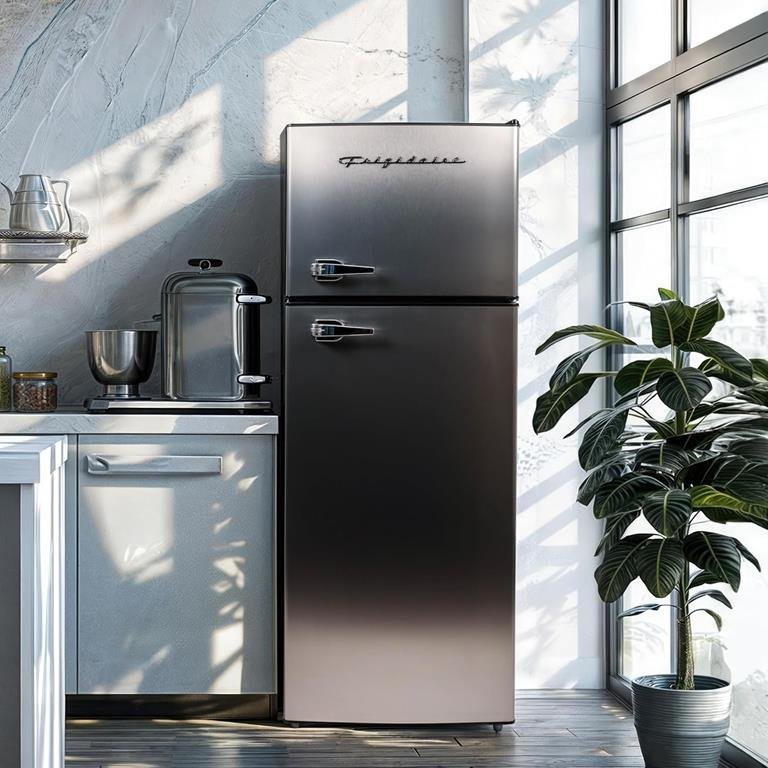
Top-freezer refrigerators have the freezer on top and the fridge below. They use less energy than many other types. These models are simple and cost less to buy. Their design keeps the fridge cool efficiently.
Side-by-side Units
Side-by-side refrigerators have the fridge and freezer next to each other. They offer easy access to both compartments. These fridges use more energy than top-freezer types. They include features like water and ice dispensers.
French Door Refrigerators
French door refrigerators have two doors on top and a freezer drawer below. They provide wide shelves and easy access. These models tend to use more energy but offer more space. They are popular in large kitchens.
Mini And Compact Fridges
Mini fridges are small and fit in tight spaces. They use less energy due to their size. These are great for dorms, offices, or small apartments. Compact fridges are simple but less spacious.
Calculating Energy Costs
Calculating the energy costs of a refrigerator helps you understand your electricity use. It shows how much money your fridge adds to the power bill. This knowledge helps you control energy use and save money.
Estimating Daily And Monthly Usage
First, find the fridge’s power consumption in watts. Check the label or manual for this number. Multiply watts by hours the fridge runs daily. For example, a 150-watt fridge running 8 hours uses 1200 watt-hours per day. Convert this to kilowatt-hours by dividing by 1000. That equals 1.2 kWh daily. Multiply daily kWh by 30 to get monthly use. So, 1.2 kWh times 30 days equals 36 kWh monthly.
Converting Energy Use To Dollars
Next, multiply monthly kilowatt-hours by your electricity cost. Electricity rates are shown in cents or dollars per kWh. If your rate is $0.12 per kWh, multiply 36 kWh by $0.12. This equals $4.32 per month to run the fridge. This simple math shows the fridge’s cost on your bill. Knowing this helps you manage energy spending.
Impact Of Local Electricity Rates
Electricity prices vary by location. Rates may be low in some states, higher in others. Your fridge’s cost depends on these local rates. Higher rates mean higher monthly costs, even with the same energy use. Check your electricity bill to see your rate. This helps make an accurate cost estimate. Understanding rates helps plan your household budget better.
Energy-saving Tips
Saving energy with your refrigerator helps cut electricity bills and protect the planet. Small changes in how you use and care for your fridge can lower energy use. These tips make your refrigerator work smarter, not harder. Follow these simple steps to reduce power consumption without losing freshness.
Optimal Temperature Settings
Set your fridge temperature between 37°F and 40°F (3°C to 4°C). The freezer should stay at 0°F (-18°C). Cooler than needed wastes energy. Warmer temperatures risk food spoilage. Correct settings balance energy use and food safety well.
Proper Maintenance Practices
Clean fridge coils every six months. Dust and dirt make the fridge work harder. Check door seals to keep cold air inside. Replace damaged seals quickly. Defrost frost buildup to keep airflow free. Proper care keeps your fridge efficient and reliable.
Reducing Door Opening Frequency
Open the fridge door less often and for shorter times. Every time the door opens, cold air escapes. This forces the fridge to use more energy. Plan meals and snacks to avoid long door openings. Keep the fridge organized for quick access.
Upgrading To Energy-efficient Models
Older refrigerators use more power than new models. Modern fridges have better insulation and compressors. Look for ENERGY STAR certified models for lower energy use. New models save money over time despite upfront costs. Choose the right size for your household needs.
Smart Technology And Refrigerators
Smart technology has changed how refrigerators use energy. These innovations help save power and lower bills. They give users control and information about their fridge’s energy use. Smart refrigerators adjust settings and work with other home devices. This makes them more efficient than older models.
Energy Monitoring Features
Smart refrigerators often include energy monitoring tools. These tools show how much electricity the fridge uses. Users can see this data on a smartphone app or screen. It helps people understand their energy habits. They can change fridge settings to save power.
Smart Thermostat Controls
Smart thermostats in refrigerators adjust temperature automatically. They keep food fresh while using less energy. These thermostats learn from daily use and outside temperature. The fridge runs only when needed, avoiding waste. This feature helps lower energy consumption.
Integration With Home Energy Systems
Many smart refrigerators connect with home energy systems. They work with solar panels or smart meters. This connection allows better energy management throughout the house. The fridge can run during off-peak hours or when solar power is available. This integration reduces overall energy costs.

Environmental Impact
Refrigerators use energy every day to keep food cold. This energy use affects the environment. Understanding this impact helps us make better choices for the planet. Small changes in how we use and buy refrigerators can reduce harm to nature.
Carbon Footprint Of Refrigerators
Refrigerators produce carbon emissions from electricity use. The more energy a fridge uses, the larger its carbon footprint. Older models often consume more power and release more carbon. Using energy-efficient fridges lowers greenhouse gas emissions. This helps slow down climate change.
Recycling And Disposal Options
Old refrigerators contain harmful chemicals and materials. Proper recycling stops these toxins from polluting soil and water. Many places offer special programs for fridge disposal. Recycling recovers valuable parts and reduces waste. It is important to never throw fridges in regular trash.
Choosing Eco-friendly Appliances
Eco-friendly refrigerators use less electricity and are better for the environment. Look for ENERGY STAR labels or similar certifications. These fridges save money and reduce energy use. Choosing a fridge with natural refrigerants also helps lower environmental damage. Small efforts in buying can lead to big benefits.

Frequently Asked Questions
How Much Electricity Does A Refrigerator Use Monthly?
A typical refrigerator uses between 100 to 800 kWh annually. Monthly consumption ranges from about 8 to 67 kWh, depending on size and efficiency. Energy-efficient models consume less power, saving on your electricity bill.
What Factors Affect Refrigerator Energy Consumption?
Energy use depends on size, age, model, and usage habits. Larger and older refrigerators generally use more electricity. Frequent door opening and high internal temperatures also increase energy consumption.
How Can I Reduce My Refrigerator’s Energy Usage?
Keep the fridge full but not overcrowded to maintain cold air. Set the temperature between 37-40°F (3-4°C). Regularly clean coils and avoid placing it near heat sources. Use energy-saving models for the best efficiency.
Do Energy-efficient Refrigerators Save Money Long-term?
Yes, energy-efficient refrigerators use less electricity and lower utility bills. Though their upfront cost is higher, savings accumulate over time. Look for ENERGY STAR certified models for proven energy savings.
Conclusion
Refrigerators use different amounts of energy based on size and type. Keeping the door closed helps save power. Regular cleaning of coils makes the fridge work better. Choosing an energy-efficient model can lower your electricity bill. Small changes add up to big savings over time.
Understanding your fridge’s energy use helps you make smart choices. Save energy, save money, and help the planet too. Simple steps make a big difference every day.

