
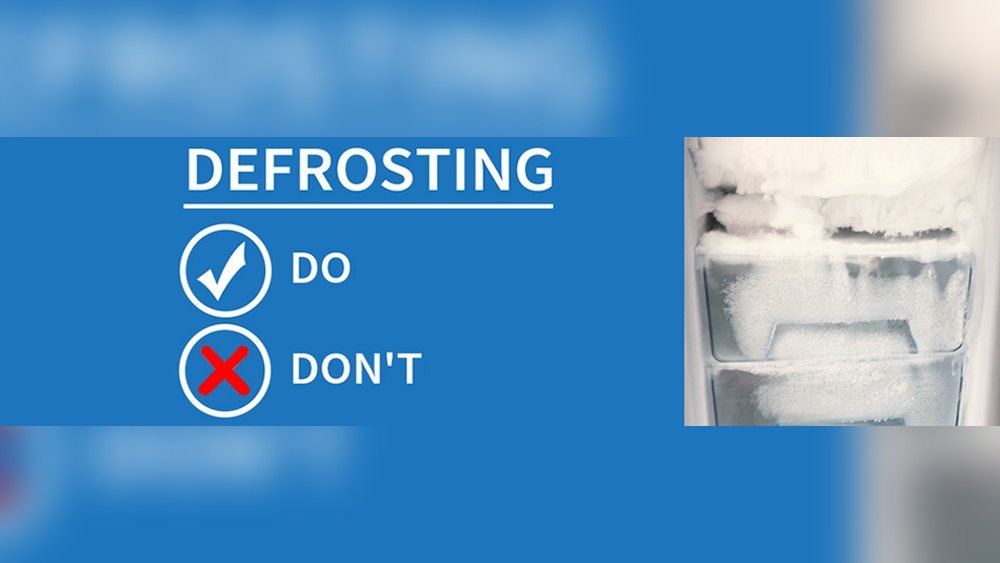
Is your refrigerator working harder than it should? If ice keeps building up inside, it’s time to think about defrosting.
But how often should you defrost a refrigerator to keep it running smoothly and save energy? Knowing the right schedule can protect your food, lower your bills, and extend your fridge’s life. Keep reading to find simple tips that make defrosting easy and effective for you.
Why Defrosting Matters
Defrosting your refrigerator is an important task. It keeps your fridge working well and your food safe. Frost can build up inside your fridge over time. This frost can cause problems that affect how your fridge works.
Knowing why defrosting matters helps you keep your fridge in good shape. It also saves energy and prevents food spoilage. Let’s explore the main reasons defrosting is necessary.
Impact On Efficiency
Frost buildup makes your fridge work harder. The cooling system uses more energy to keep food cold. This extra work raises your electricity bills. A defrosted fridge runs smoothly and uses less power. It also lasts longer because the parts don’t strain as much.
Preventing Frost Buildup
Frost forms when moisture in the air freezes inside the fridge. This frost takes up space and blocks air flow. It can stop the fridge from cooling evenly. Regular defrosting removes frost and keeps the fridge clean. This helps your fridge keep a steady temperature all the time.
Food Safety Concerns
Too much frost can cause temperature changes inside the fridge. These changes make food spoil faster. Spoiled food can cause illness. Defrosting helps keep the temperature steady. This protects your food and keeps it fresh longer.
Signs You Need To Defrost
Knowing when to defrost your refrigerator saves energy and keeps food fresh. Signs appear before frost becomes a big problem. Spotting these early helps avoid bigger issues.
Visible Ice Accumulation
Ice buildup inside the fridge is a clear sign. Check freezer walls and shelves. Thick ice layers reduce space and block air flow. This forces the fridge to work harder. A thin frost layer is normal. Thick ice means it’s time to defrost.
Unusual Noise Or Smell
Strange sounds can signal frost problems. The fridge might hum or buzz louder than usual. Smells can also change if moisture traps food odors. Ice can block vents causing these issues. Notice these changes? Defrost your fridge soon.
Longer Cooling Times
The fridge takes longer to cool food when ice blocks air flow. Food may spoil faster. Check the temperature inside. If it feels warmer than normal, ice buildup might be the cause. Defrosting helps restore quick cooling.
Recommended Defrosting Frequency
Ice buildup should be removed every 6 months or when it is thicker than 1/4 inch. Regular defrosting keeps your fridge working well and saves energy. Check the freezer often to know when it needs defrosting.
Manual Vs. Frost-free Models
Manual refrigerators need defrosting regularly. Ice builds up on the walls and shelves. This ice reduces cooling efficiency and takes space. Experts suggest defrosting every 3 to 6 months for these models. The exact time depends on ice thickness.
Frost-free models do not need regular defrosting. They use a system to melt ice automatically. This keeps the freezer ice-free most of the time. You may only need to defrost if the system fails or ice forms unusually.
Household Usage Factors
The frequency of defrosting changes with usage. Opening the door often lets warm air inside. This causes more frost to form faster. Large families or busy kitchens may need defrosting more often.
Placing hot or warm food inside also speeds up frost buildup. Keep food covered and cooled before storing. Check your fridge every few weeks for ice. Defrost as soon as you see thick frost.
Climate And Environment Effects
Cold and dry environments slow frost buildup. In these places, defrosting can be less frequent. Warm and humid climates cause frost to form quickly. High humidity levels mean more moisture inside the fridge.
Places with high humidity may require defrosting every 1 to 3 months. Monitor your fridge’s ice and adjust defrosting time. Proper sealing of the fridge door helps reduce frost formation.
Step-by-step Defrosting Process
Defrosting your refrigerator keeps it working well and saves energy. Follow these simple steps for a smooth defrosting process. Each step helps remove ice safely and clean the fridge inside.
Preparing Your Refrigerator
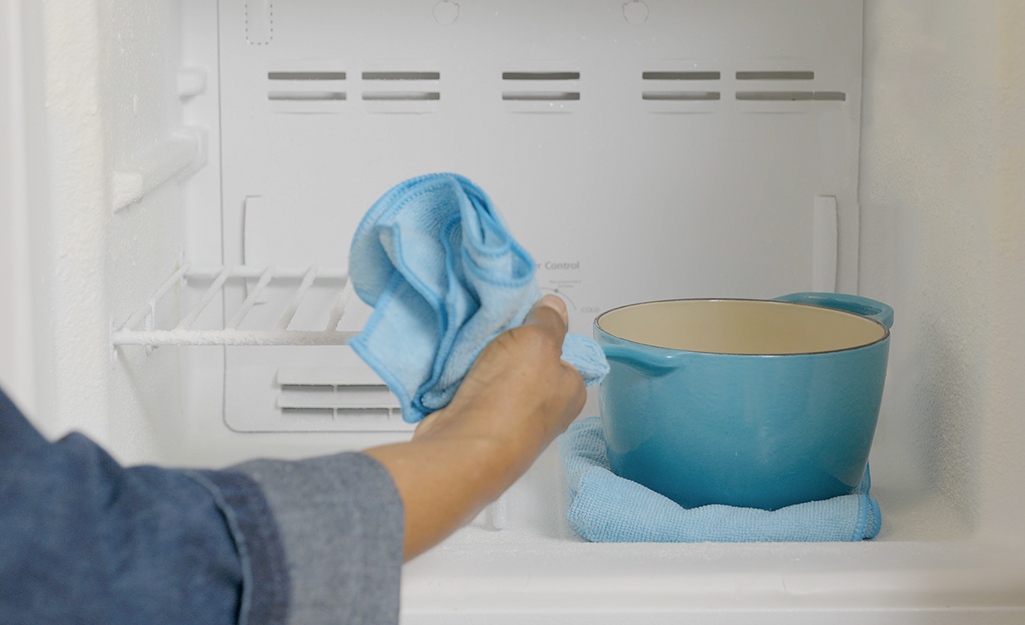
First, unplug the refrigerator to stop power. Remove all food and store them in a cooler. Take out shelves and drawers to clean separately. Place towels around the base to catch water from melting ice.
Safe Ice Removal Techniques
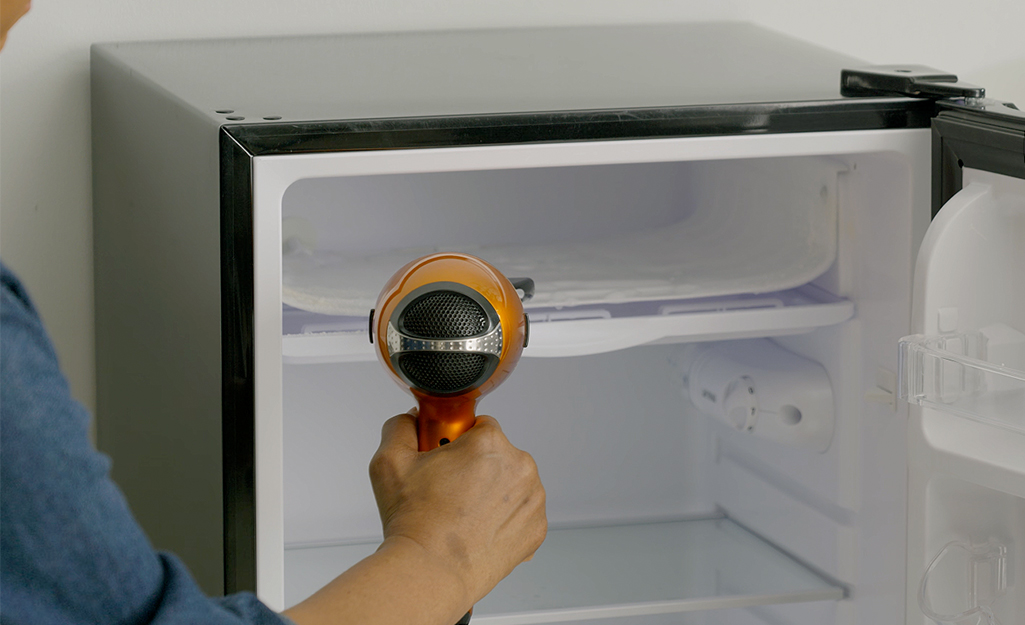
Never use sharp tools to chip ice. Let the ice melt naturally for safety. Use a plastic spatula or soft cloth to gently remove loose ice. Wipe away water often to avoid puddles and slips.
Cleaning And Drying
Clean inside with warm, soapy water after ice melts. Use a sponge or cloth to scrub all surfaces. Dry the interior completely to stop mold or smells. Replace shelves and drawers before plugging the fridge back in.
Maintenance Tips To Reduce Defrosting
Proper maintenance helps reduce how often you need to defrost your refrigerator. Simple habits keep frost buildup low. This saves time and energy. Follow these tips to keep your fridge running smoothly and frost-free longer.
Proper Door Sealing
Check the door seals regularly. Make sure they are clean and not cracked. A tight seal stops warm air from entering. This reduces frost inside your fridge. Replace seals if they are worn out or damaged.
Avoiding Frequent Door Openings
Open the fridge door only when necessary. Each time you open it, warm air enters. This causes moisture and frost to form. Plan ahead to reduce how often the door opens. Keep items organized for quick access.
Temperature Settings
Set the refrigerator temperature between 37°F and 40°F (3°C to 4°C). Too cold causes frost to build up faster. Too warm makes food spoil. Keep the freezer at 0°F (-18°C) for best results. Adjust settings if you notice frost forming early.

When To Seek Professional Help
Knowing when to call a professional for your refrigerator is important. Some frost issues need expert care. This saves time and avoids damage. Early help can keep your fridge working well longer. Let’s see the signs that mean it’s time to get help.
Persistent Frost Problems
Frost builds up again fast after defrosting? This is a clear sign of a bigger problem. It might be a door seal issue or poor airflow. These problems cause frost to return quickly. A technician can find and fix these hidden issues.
Malfunctioning Components
Strange noises, warm spots, or a fridge that runs too long need checking. These signs show parts like the thermostat or defrost heater may fail. Professionals have tools to test and replace faulty parts safely. Fixing these parts stops frost from forming again.
Regular Servicing Benefits
Scheduling regular fridge checks helps avoid frost build-up. Professionals clean coils and check seals during service. This keeps your fridge efficient and frost-free. Regular care also extends your fridge’s life. It reduces energy bills and repair costs.
Frequently Asked Questions
How Often Should I Defrost A Manual Defrost Fridge?
Manual defrost fridges should be defrosted every 3 to 6 months. This prevents ice buildup, ensuring efficient cooling and energy savings.
What Are Signs My Refrigerator Needs Defrosting?
Look for thick ice layers, poor cooling, or unusual noises. These signs indicate ice buildup that requires defrosting to restore performance.
Can I Defrost My Fridge Too Often?
Defrosting too often is unnecessary and time-consuming. Only defrost when ice buildup exceeds 1/4 inch to maintain efficiency and avoid waste.
How Long Does Defrosting A Refrigerator Usually Take?
Defrosting typically takes 30 minutes to 2 hours. Time varies by ice thickness and fridge size; plan accordingly to minimize inconvenience.
Conclusion
Regular defrosting keeps your fridge running well. Ice buildup wastes energy and space. Clear frost helps your fridge cool better. Aim to defrost every six months or sooner. Check your fridge’s manual for specific advice. Small effort saves money and food quality.
A clean, frost-free fridge lasts longer. Keep your food fresh and safe. Simple steps make a big difference. Stay on top of defrosting for best results.

