
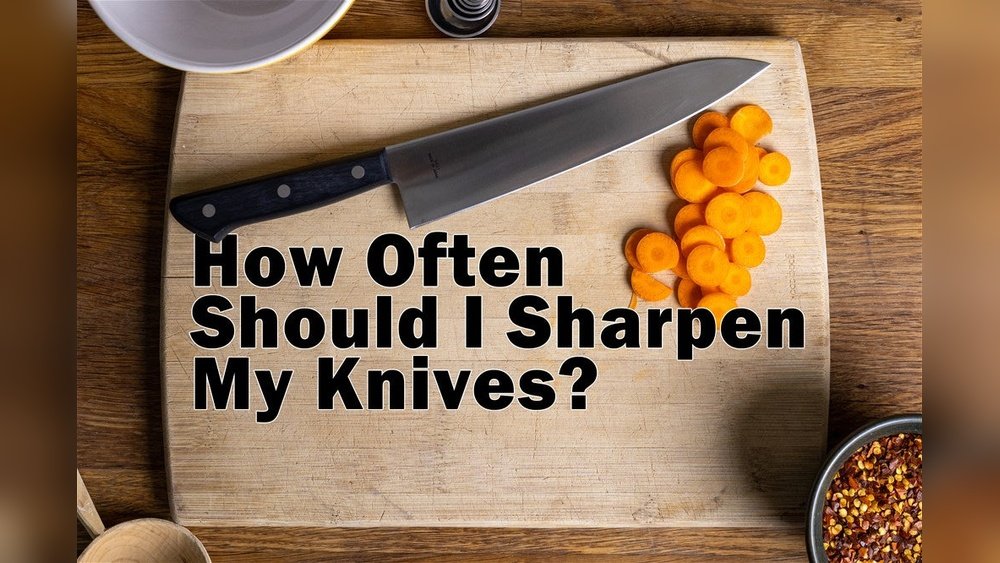
Have you ever struggled to slice through vegetables or meat with your chef knife? A dull blade can turn cooking from a joy into a chore.
But how often should you sharpen your chef knife to keep it performing at its best? Knowing the right timing can save you time, effort, and even money. You’ll discover simple tips to keep your knife sharp and ready for any meal.
Keep reading to find out how to make your chef knife work like new every time you pick it up.

Signs Your Knife Needs Sharpening
Knowing when to sharpen your chef knife saves time and effort in the kitchen. Sharp knives cut smoothly and safely. Dull knives cause frustration and accidents. Watch for clear signs that your knife needs sharpening soon.
Dullness And Cutting Challenges
Does your knife struggle to slice through tomatoes or bread? A dull blade feels like it drags or squashes food. You may press harder to cut. These are clear signs your knife has lost its edge. Sharp knives slice cleanly without extra force.
Visual Inspection Of The Blade
Look closely at your knife’s edge. Tiny chips or nicks appear on dull blades. The edge may look rounded or blunt instead of sharp. Shiny spots on the edge show worn metal. A smooth, straight edge means it is sharp and ready to use.
Performance In Everyday Tasks
Notice how your knife performs daily. Does it tear lettuce instead of cleanly cutting? Does it slip off herbs instead of slicing through? These small struggles add up and slow down cooking. A sharp knife cuts smoothly and saves time.
Factors Affecting Sharpening Frequency
Sharpening a chef knife is not a one-size-fits-all task. Several factors decide how often a knife needs sharpening. Knowing these helps keep your knife sharp and safe. It also extends the knife’s life and improves your cutting experience.
Knife Usage And Cutting Style
How often you use your knife affects its sharpness. Frequent chopping or slicing dulls the blade faster. Cutting hard items like bones or frozen food wears the edge quickly. Gentle slicing of soft vegetables causes less dulling. Your cutting style also matters. Pressing hard or twisting the blade can dull it sooner.
Blade Material And Quality
Different blade materials hold edges differently. High-carbon steel blades stay sharp longer than stainless steel. Some knives have coatings that protect the blade. Cheaper knives may need sharpening more often. Good quality knives keep a sharp edge with less effort. Knowing your knife’s material helps plan sharpening timing.
Maintenance And Storage Practices
Proper care keeps a knife sharper longer. Regular honing straightens the blade edge between sharpenings. Washing knives by hand prevents damage from dishwashers. Drying knives immediately stops rust and corrosion. Storing knives safely in blocks or magnetic strips protects the blade. Poor storage or care causes faster dulling and damage.
Recommended Sharpening Intervals
Knowing the right time to sharpen your chef knife keeps it effective and safe. Sharpening intervals depend on many things. These include how often you use the knife and the type of knife you own. Proper maintenance helps the blade stay sharp and last longer.
Understanding recommended sharpening intervals helps you keep your knife in top shape. This section breaks down how often to sharpen based on your cooking style and knife type.
Home Cooks Vs Professional Chefs
Home cooks usually sharpen their knives less often. Sharpening every 6 to 12 months works for most. Professional chefs use knives daily and need sharper blades. They sharpen knives every few weeks or even days. Regular sharpening keeps their knives ready for fast work.
Different Types Of Chef Knives
High-quality steel knives hold their edge longer. These need less frequent sharpening, about every 6 months. Cheaper knives dull faster and need sharpening every 3 to 4 months. Some knives need special care and tools for sharpening. Knowing your knife type guides your sharpening schedule.
Adjusting Frequency Based On Use
Knives used daily need more frequent sharpening. Cutting hard foods or bones dulls blades faster. Knives used for light tasks last longer without sharpening. Pay attention to how your knife feels when cutting. Dull blades slip and make cutting harder. Adjust sharpening based on how your knife performs.

Sharpening Techniques And Tools
Maintaining a sharp chef knife requires the right tools and methods. Sharpening techniques vary in complexity and result. Choosing the best option depends on skill level and time. Understanding different sharpening tools helps keep knives in top shape. Below are common tools and methods used for sharpening chef knives.
Whetstones And Their Grit Levels
Whetstones are flat stones used for sharpening blades. They come in different grit levels to smooth or sharpen edges. Coarse grits remove chips and reshape the blade quickly. Medium grits refine the edge for better sharpness. Fine grits polish the edge to a razor finish. Using the right grit depends on how dull the knife is. Whetstones require water or oil to reduce friction during use. They need practice to use correctly but offer precise control.
Manual Vs Electric Sharpeners
Manual sharpeners are handheld devices with abrasive surfaces. They guide the knife at a fixed angle for simple sharpening. Electric sharpeners use motorized wheels to grind the blade faster. They often have slots for different grit levels. Manual sharpeners are budget-friendly and portable. Electric sharpeners save time and effort but cost more. Both types can sharpen knives well when used properly. Safety is important to avoid cutting yourself during sharpening.
Honing Rods For Regular Maintenance
Honing rods do not sharpen but straighten the blade edge. They realign tiny bends that form with regular use. Using a honing rod keeps the knife cutting smoothly longer. It should be done before or after each use. Honing rods come in steel, ceramic, or diamond-coated types. Steel rods are common and affordable for home kitchens. Ceramic and diamond rods provide extra polishing power. Regular honing reduces how often full sharpening is needed.
Tips To Extend Knife Sharpness
Keeping your chef knife sharp saves time and effort in the kitchen. Sharp knives cut food easily and reduce accidents. Proper care helps keep the blade in good shape longer. Small daily habits make a big difference.
Follow these tips to extend your knife’s sharpness. They protect the blade and keep it working well.
Proper Cutting Surfaces
Always cut on soft surfaces like wood or plastic. Hard surfaces like glass or stone dull knives fast. Use cutting boards that do not damage the blade edge. Replace boards when they become deeply scratched or worn out.
Safe Cleaning And Drying
Wash knives by hand with mild soap and warm water. Avoid dishwashers; they can damage the blade and handle. Dry knives immediately to prevent rust and corrosion. Store knives dry to keep the metal strong.
Storage Solutions To Prevent Damage
Store knives in a knife block, magnetic strip, or sheath. Avoid tossing knives in drawers where blades can get nicked. Keep blades separated to prevent dulling and accidents. Proper storage keeps the edge sharp and safe.
When To Seek Professional Sharpening
Knowing when to seek professional sharpening is key for keeping your chef knife in top shape. Some problems need expert tools and skills. This helps avoid damage and keeps your knife cutting well for longer.
Signs Of Blade Damage
Look for chips or cracks on the blade edge. These can make cutting unsafe and less effective. If your knife feels dull even after home sharpening, it may need expert care. Uneven edges or bent tips also show the need for professional sharpening.
Benefits Of Expert Sharpening
Experts use special tools to restore your knife’s sharpness precisely. They fix deep chips and reshape the blade without taking too much metal off. A sharp knife means safer, faster, and cleaner cuts. Professional sharpening extends your knife’s life and keeps it working well.
Finding A Reliable Service
Choose a sharpening service with good reviews and experience. Ask about their tools and sharpening methods. A trustworthy service protects your knife’s quality and shape. Check if they offer quick turnaround and fair prices. Proper care from experts is worth the investment.
Frequently Asked Questions
How Often Should A Chef Knife Be Sharpened?
A chef knife should be sharpened every 1 to 3 months. Frequency depends on usage and cutting surface. Regular honing between sharpenings helps maintain the edge longer and improves cutting performance.
How Do I Know When My Chef Knife Needs Sharpening?
If your knife struggles to cut cleanly or slips on food, it likely needs sharpening. A simple paper test can also reveal dullness: a sharp knife cuts paper smoothly without tearing.
Can Honing Replace Sharpening For Chef Knives?
Honing realigns the blade’s edge but doesn’t sharpen it. It should be done frequently, like before or after use. Sharpening removes metal to restore the edge and is needed less often.
What Is The Best Method To Sharpen A Chef Knife?
Using a whetstone or professional sharpening service offers the best results. Whetstones provide control and precision, while services ensure a consistent sharp edge for your chef knife.
Conclusion
Sharpen your chef knife regularly to keep it working well. How often depends on use and blade quality. Frequent cooking needs more sharpening than occasional use. Keep an eye on how the knife cuts. Dull blades make chopping harder and less safe.
A sharp knife saves time and effort in the kitchen. Regular care extends your knife’s life. Remember, a well-sharpened knife makes cooking more enjoyable. Simple maintenance keeps your tool ready for every meal. Don’t wait until the blade feels dull—sharpen before then.

