
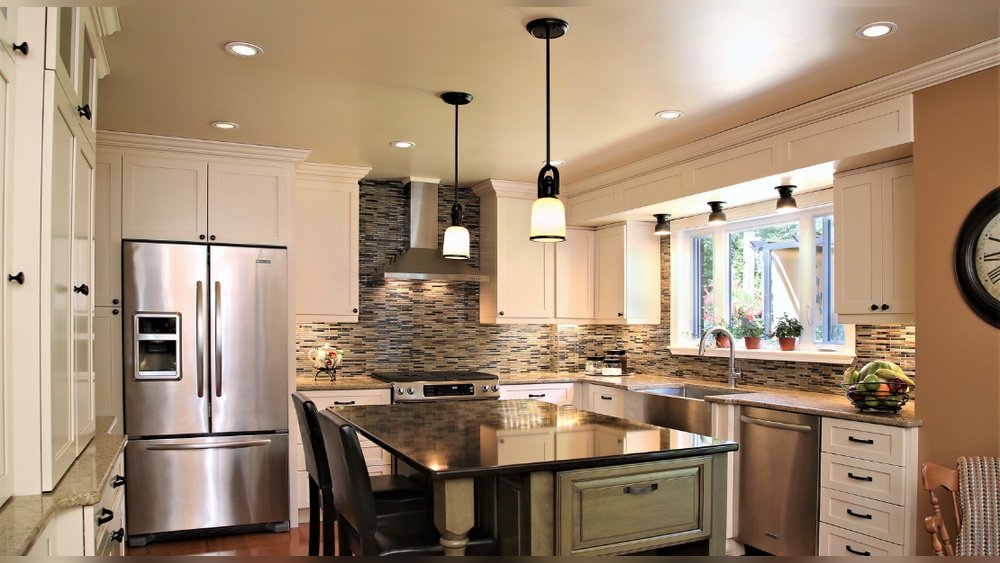
Are you struggling to find the perfect refrigerator for your small kitchen? Choosing the right fridge can feel overwhelming when space is limited.
You want something that fits just right, keeps your food fresh, and looks great without crowding your kitchen. But how do you make sure you pick the best one for your needs? This guide will help you discover simple, practical tips to choose a refrigerator that maximizes space and works perfectly for you.
Keep reading, and you’ll soon feel confident about making the smartest choice for your kitchen.
Assess Kitchen Space
Assessing your kitchen space is the first step to choose the right refrigerator. Small kitchens need careful planning to fit appliances without crowding. Knowing the space helps pick a fridge that fits well and works efficiently.
Measure Available Area
Start by measuring the spot where the fridge will go. Measure width, height, and depth. Write down these numbers to compare with fridge sizes. Leave some room for easy installation and movement.
Consider Door Clearance
Check how much space the fridge door needs to open fully. Doors that hit walls or cabinets can cause problems. Measure the clearance needed on the side and front. Make sure the door opens easily without blocking walkways.
Check Ventilation Needs
Good airflow around the fridge helps it run well. Look for space on the back and sides for ventilation. Some models need more space than others. Follow the manufacturer’s guidelines to avoid overheating and save energy.
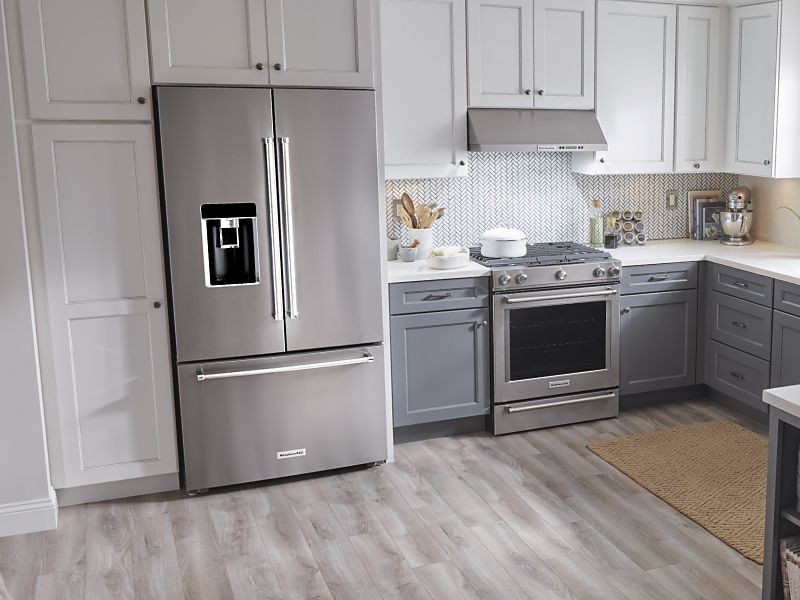
Pick The Right Size
Choosing the right size for your refrigerator is key in a small kitchen. A fridge that fits well saves space and keeps your kitchen comfortable. It also helps in organizing your food better. Picking the right size means knowing what capacity fits your lifestyle and kitchen layout.
Understand Capacity Options
Refrigerators come in many sizes, from compact to full-size models. Capacity is usually measured in cubic feet. Small fridges range from 4 to 10 cubic feet. Medium ones go up to 18 cubic feet. Large refrigerators can be 20 cubic feet or more. Knowing these sizes helps you avoid buying a fridge that is too big or too small.
Compact fridges work well for one or two people. Medium sizes fit small families. Large fridges suit bigger households but may not fit well in small kitchens. Choose a size that matches your kitchen space and daily food needs.
Match Size With Household Needs
Think about how many people live in your home. A single person or couple needs less fridge space. Small families need a medium-sized fridge. Large families require more capacity for food storage. Also, consider your cooking habits. Do you buy fresh food often or store many leftovers? This affects how much space you need.
Measure your kitchen space carefully. Check the width, height, and depth where the fridge will go. Leave room for the door to open fully. A fridge that fits well keeps your kitchen tidy and easy to move in. Matching size with household needs helps in saving energy and money too.
Select Suitable Styles
Choosing the right style of refrigerator can save space and make your small kitchen more functional. Different styles fit different needs and kitchen layouts. Think about how much storage you need and how you want the fridge to open.
Some styles offer more freezer space. Others focus on compact size. Understanding these options helps you pick the best fridge for your kitchen.
Top Freezer Models
Top freezer refrigerators have the freezer compartment above the fridge. They are usually affordable and use less space. This style fits well in narrow kitchens. The freezer door opens upward, saving floor space. These models often have simple designs and good storage for frozen foods.
Bottom Freezer Choices
Bottom freezer refrigerators place the freezer at the bottom. This style keeps fresh food at eye level. It reduces bending to reach everyday items. Drawers or doors open smoothly for easy access. These models work well in kitchens with limited upper cabinet space. They often offer more freezer space than top freezer types.
Compact And Mini Fridges
Compact and mini refrigerators are perfect for very small kitchens. These fridges fit under counters or in tight corners. They come in many colors and finishes. While smaller, they still keep food fresh and drinks cold. Ideal for single users or small families. They use less electricity and are easy to move if needed.
Focus On Energy Efficiency
Energy efficiency plays a big role in choosing a refrigerator for a small kitchen. A fridge that uses less energy saves money on bills. It also helps protect the environment by reducing power use. Small kitchens need appliances that work well without wasting energy.
Choosing an energy-efficient fridge means thinking about its power use and features. This focus helps you find a fridge that fits your kitchen and saves energy every day.
Look For Energy Star Ratings
Energy Star labels show that a fridge meets strict energy-saving rules. These fridges use less electricity than standard models. Choosing one with this rating means lower energy bills. It also means the fridge is better for the planet. Always check for this label when buying a small kitchen fridge.
Benefits Of Low Power Consumption
A fridge with low power use cuts down monthly electricity costs. It runs quietly, which suits small spaces. Less energy use means less heat, keeping your kitchen cooler. This kind of fridge lasts longer because it works more efficiently. Saving energy helps your wallet and the environment in many ways.
Prioritize Storage Features
Choosing the right refrigerator for a small kitchen means focusing on storage features. These features help maximize space and keep food organized. A well-designed fridge can make a small kitchen feel less crowded and more efficient.
Adjustable Shelves And Drawers
Adjustable shelves let you change the space inside the fridge. Move them up or down to fit tall bottles or big containers. Drawers that slide out easily make it simple to reach your food. You can organize fruits, vegetables, and meats neatly in these drawers.
Door Storage Options
Door storage adds extra space for small items. Look for shelves that hold jars, bottles, and cans securely. Some fridges have deep door bins for large bottles. This saves shelf space inside and keeps things within reach.
Special Compartments
Special compartments help keep food fresh longer. Some fridges have humidity-controlled drawers for fruits and veggies. Meat and cheese compartments keep these items at the right temperature. These areas improve food quality and reduce waste.
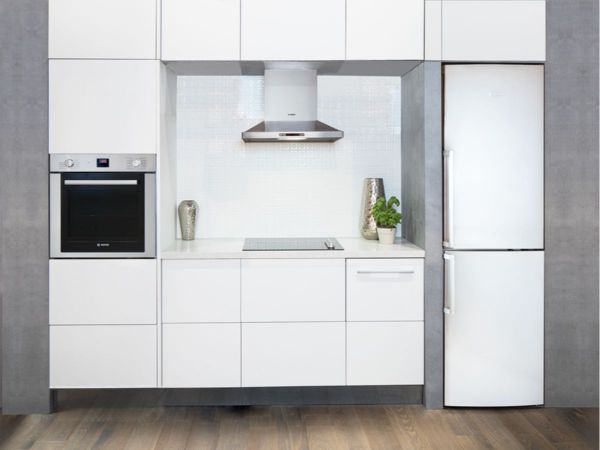
Consider Noise Levels
Noise levels matter a lot when choosing a refrigerator for a small kitchen. Small spaces make sounds feel louder and more annoying. A noisy fridge can disturb your peace and make the kitchen less comfortable.
Picking a quiet model helps keep the kitchen calm. It makes cooking and talking easier. Consider noise before buying to avoid surprises later.
Check Decibel Ratings
Decibel ratings show how loud a refrigerator is. The lower the number, the quieter the fridge. Most fridges run between 32 and 47 decibels.
Look for models below 40 decibels for a quiet kitchen. Check the product details or user reviews for noise information.
Importance In Small Spaces
Small kitchens have less space for sound to spread. Noise bounces off walls and feels louder. A noisy fridge can disturb other activities in the home.
Choosing a quiet fridge keeps the space peaceful. It helps reduce stress and creates a better kitchen environment.
Choose Finishes And Colors
Choosing the right finishes and colors for your refrigerator helps create a balanced look in a small kitchen. The refrigerator often stands out, so its style should blend well with the rest of the space. Thoughtful color and finish choices can make the kitchen feel bigger and brighter.
Match With Kitchen Decor
Pick a refrigerator color that fits your kitchen’s style. Neutral colors like white, black, or stainless steel suit most kitchens. Light colors can make a small kitchen look larger. Dark colors add contrast but may make the space feel smaller. Consider the cabinet colors, wall paint, and countertop shades. Aim for harmony to keep the kitchen looking neat and clean.
Fingerprint Resistant Surfaces
Small kitchens need appliances that stay clean with little effort. Choose refrigerators with fingerprint-resistant finishes. These surfaces hide smudges and marks better than shiny ones. They keep your fridge looking new for longer. This feature saves time on cleaning and helps maintain a tidy kitchen. Look for matte or textured finishes for this benefit.
Set A Budget
Setting a budget is the first step in choosing a refrigerator for a small kitchen. It helps narrow down choices and avoid overspending. A clear budget guides you to models that fit your needs and price range. This saves time and stress during shopping. Understanding your budget also helps balance what features you want and what you can afford.
Balance Features And Cost
List the features you need in your refrigerator. Focus on basics like size, shelving, and energy use. Avoid paying for extras that are not essential. Small kitchens need compact, efficient models. Compare prices of refrigerators with similar features. Choose one that offers the best value for your budget. This balance ensures you get useful features without overspending.
Consider Long-term Savings
Energy-efficient refrigerators cost less to run each month. Look for models with good energy ratings. They may cost more upfront but save money over time. Consider maintenance costs too. A reliable refrigerator reduces repair bills. Think about how long you plan to keep the fridge. Investing a bit more now can lead to savings later.
Read Reviews And Brands
Choosing the right refrigerator for a small kitchen requires careful thought. Reading reviews and checking brands helps make a smart choice. Reviews show real user experiences. Brands with good reputations often provide better quality and service.
Check Reliability
Reliable refrigerators last longer and save money. Look for brands known for durability and performance. Reviews reveal how often appliances break or need repairs. A reliable fridge means fewer problems and less stress in a small kitchen.
Customer Feedback Insights
Customer reviews share useful details about daily use. They describe noise levels, energy consumption, and space efficiency. Honest feedback can highlight hidden issues or benefits. Pay attention to common comments to understand the fridge’s real value.
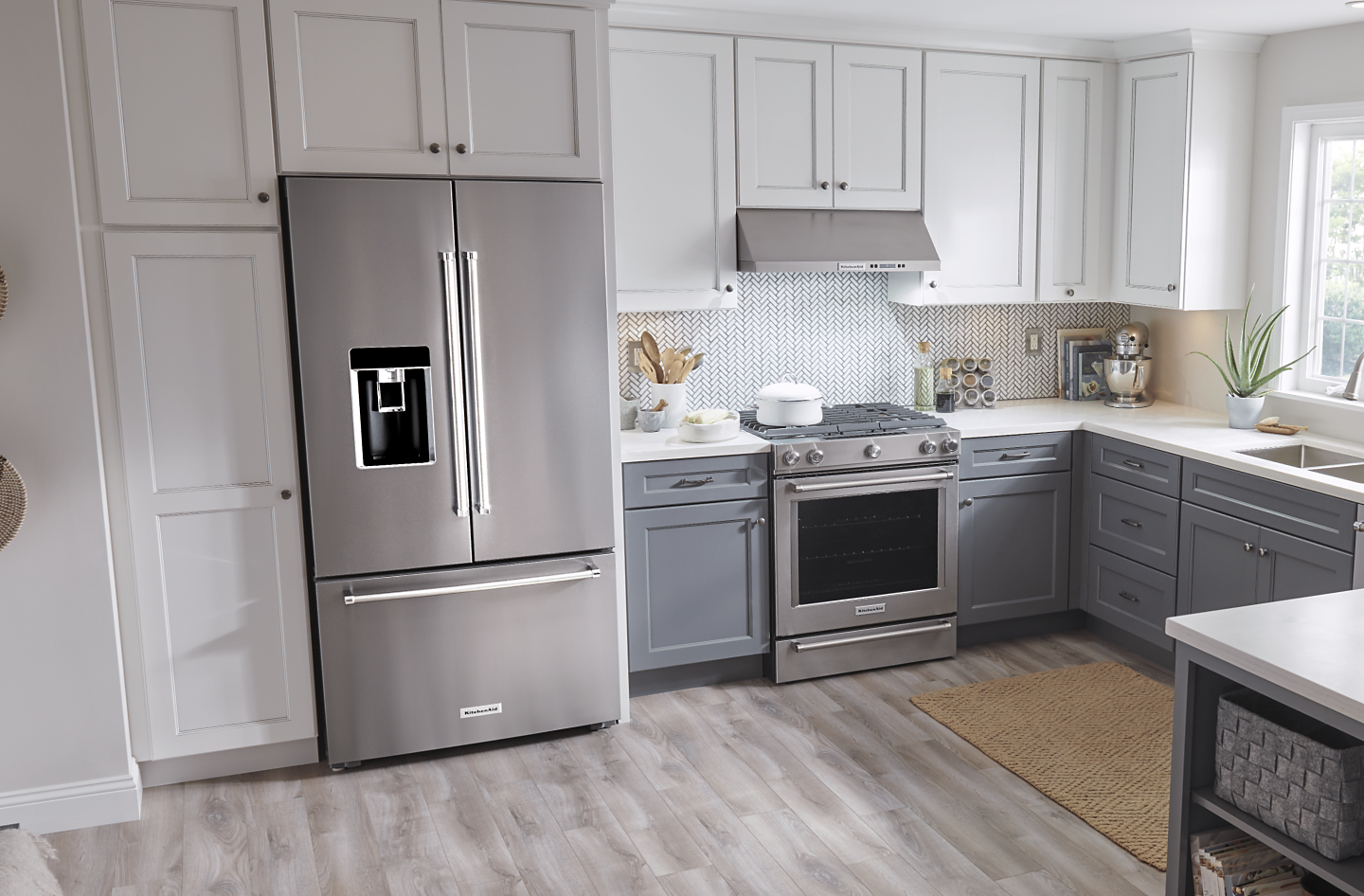
Frequently Asked Questions
What Size Fridge Fits Best In A Small Kitchen?
Measure your available space carefully before choosing a fridge. Compact models between 10 to 18 cubic feet suit small kitchens best. Ensure enough clearance for door opening and ventilation to avoid overcrowding.
Which Fridge Style Is Ideal For Limited Kitchen Space?
Top freezer and mini fridges work well in small kitchens. They offer efficient storage without taking up much floor space. French door models may be too wide for tight areas.
How To Maximize Storage In A Small Refrigerator?
Use adjustable shelves and door bins to organize items efficiently. Opt for a fridge with clear drawers to easily locate food. Regularly declutter to keep space optimized.
Are Energy-efficient Refrigerators Better For Small Kitchens?
Yes, energy-efficient fridges reduce electricity bills and generate less heat. Look for ENERGY STAR-rated models which use advanced insulation and compressors. This benefits compact kitchens with limited ventilation.
Conclusion
Choosing the right refrigerator for a small kitchen saves space and energy. Think about size, style, and features that fit your needs. Measure your kitchen area carefully before buying. Small fridges with smart storage keep things organized and easy to reach.
Energy-efficient models help cut electricity bills. Simple choices make cooking and storing food easier every day. A well-chosen fridge keeps your kitchen neat and your food fresh. Take time to compare options and pick what works best. Your small kitchen deserves a fridge that fits just right.

