
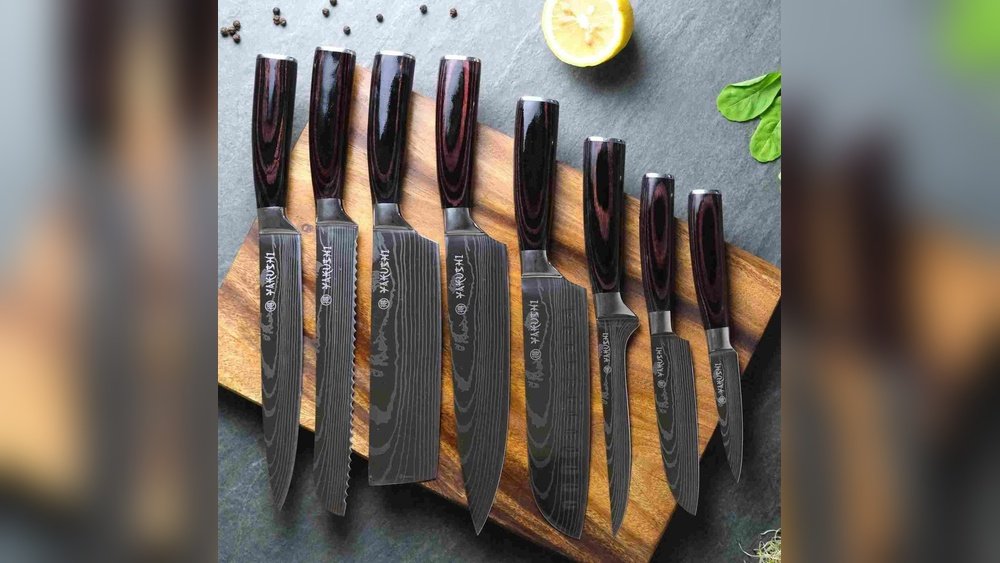
Choosing the right chef knife can change the way you cook every day. Imagine slicing through vegetables with ease, chopping meat like a pro, and feeling confident in your kitchen skills.
But with so many options out there, how do you find the best chef knife for your home cooking? This guide will help you understand what to look for, so you can pick a knife that feels just right for you.
Keep reading, and you’ll discover simple tips to make your cooking faster, safer, and more enjoyable.
Blade Material
Choosing the right blade material is key to picking the best chef knife. The blade affects sharpness, durability, and maintenance. Different materials suit different cooking styles and needs. Understanding the types helps you decide the best fit for your kitchen.
Stainless Steel Benefits
Stainless steel blades resist rust and stains well. They need less care compared to other materials. These blades keep a sharp edge for a long time. They work well for everyday home cooking. Easy to clean and maintain, stainless steel is a popular choice.
Carbon Steel Features
Carbon steel blades sharpen easily and hold a very sharp edge. They cut through food with precision. These blades require more care to prevent rust. They develop a natural patina that protects the blade. Ideal for cooks who want a sharp, responsive knife.
Ceramic Blades
Ceramic blades stay sharp for a long time without sharpening. They are very light and easy to handle. These blades resist rust and acid from food. They can chip or break if dropped. Best for light tasks like slicing fruits and vegetables.
Blade Size And Shape
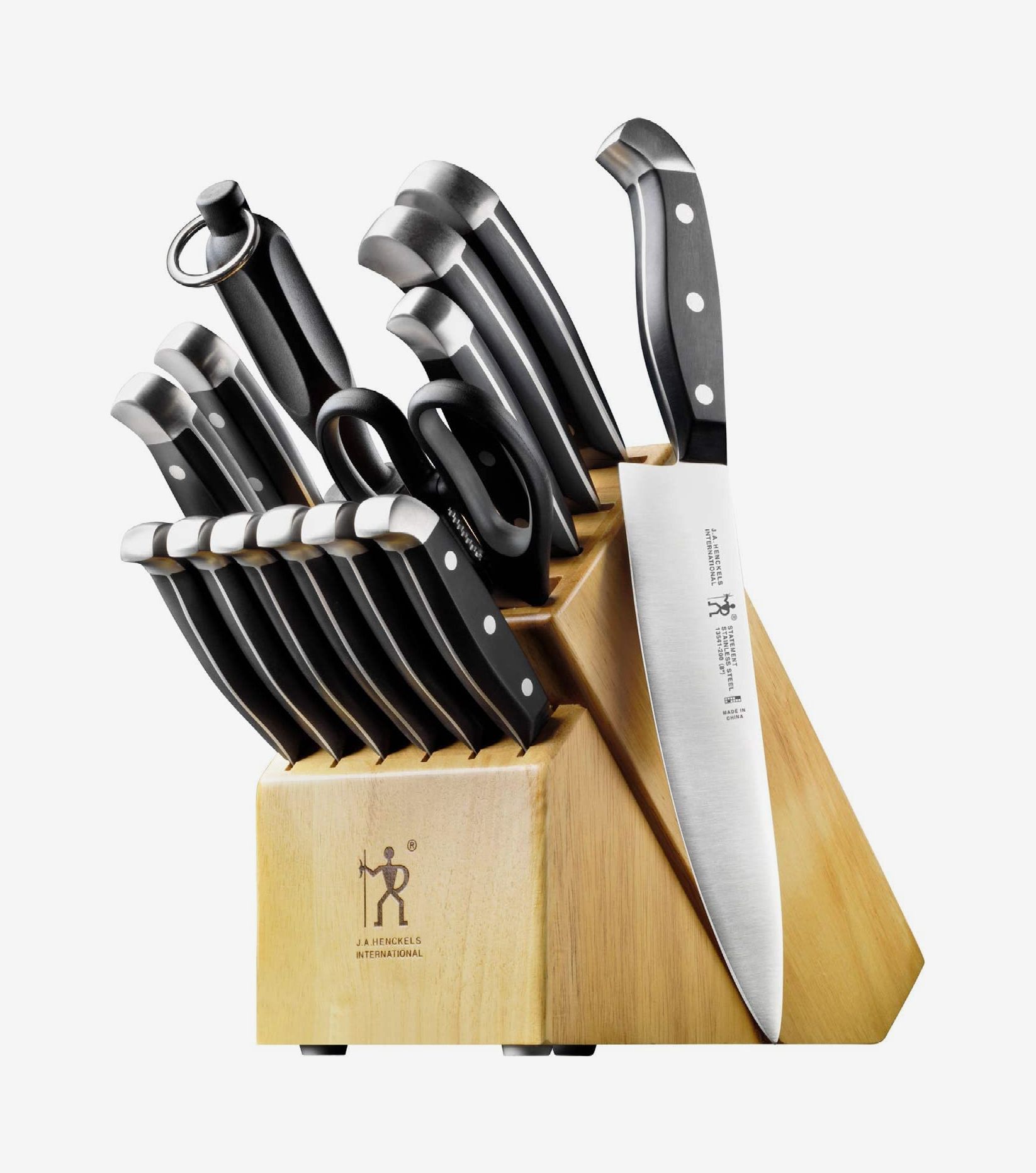
The blade size and shape play a big role in how a chef knife performs. Choosing the right blade helps with cutting, chopping, and slicing tasks. It also makes cooking easier and safer. Different sizes and shapes fit different needs and preferences.
Understanding blade size and shape helps pick the best knife for home cooking. The right blade matches the food and cutting style you use most.
Popular Lengths
Chef knife blades usually range from 6 to 12 inches. Six to eight inches is common for home cooks. Shorter blades offer better control and are easier to handle. Longer blades cover more surface and cut large foods fast. Choose a length that feels comfortable in your hand.
Blade Profiles
Blade profiles describe the shape of the blade edge. A curved edge helps with rocking motions for chopping herbs or vegetables. A straight edge is good for clean cuts and slicing meats. Some blades combine both curves and straight lines. Pick a profile that suits your chopping style and tasks.
Choosing Based On Tasks
Different tasks need different blade sizes and shapes. Small blades work well for peeling or trimming. Medium blades handle most kitchen tasks. Large blades are good for cutting big vegetables or meat. Match the blade to the food you cut most often. This makes cooking faster and safer.
Handle Design
The handle design of a chef knife plays a key role in its comfort and safety. A good handle feels natural in your hand and lets you work for longer without pain. It also helps you keep control while chopping, slicing, or dicing. Choosing the right handle means thinking about the material, shape, and how to care for it.
Materials Used
Knife handles come in many materials. Wood offers a warm, classic feel but needs care to avoid damage. Plastic handles are light and easy to clean. Metal handles look modern and last long but may feel cold or slippery. Some handles mix materials for better grip and durability. Think about what feels best for your hand and your kitchen habits.
Ergonomics And Grip
Ergonomics means the handle fits your hand well. Look for handles that match your grip style, whether palm, claw, or pinch grip. Textured or contoured handles help prevent slipping, especially when wet. The balance between the handle and blade affects control. A well-balanced knife reduces fatigue and improves precision. Test how the knife feels before buying.
Maintenance Tips
Keep your handle clean and dry to extend its life. Wooden handles need oiling to stop cracking. Avoid soaking any handle in water for long periods. Plastic and metal handles require less care but still need drying after use. Regular checks for cracks or loose parts help keep your knife safe and reliable. Proper care keeps your knife working well.
Weight And Balance
Weight and balance are key factors in choosing the best chef knife for your kitchen. They affect how the knife feels and works while cutting. A well-balanced knife feels natural and comfortable in your hand. The right weight helps you control the blade easily. Both elements impact your cooking experience and efficiency.
Heavy Vs Light Knives
Heavy knives offer power and stability. They can cut through tough ingredients with less effort. Some cooks prefer heavy knives for chopping tasks. Light knives are easier to handle and cause less fatigue. They work well for delicate slicing and fine cuts. Choose a weight that fits your strength and cooking style.
Finding The Right Balance
Balance means how weight is spread between the blade and handle. A balanced knife does not feel too heavy on one side. It moves smoothly and feels steady in your hand. Test the knife by holding it at the handle’s end. The knife should feel evenly weighted and easy to control.
Impact On Cutting Precision
Weight and balance directly affect cutting accuracy. A well-balanced knife allows precise and clean cuts. Heavy knives can help with strong, straight cuts but may reduce finesse. Light knives provide better control for detailed tasks. Choose a knife that matches the type of cutting you do most.
Knife Construction
Choosing the right chef knife starts with understanding its construction. The way a knife is built affects its strength, balance, and cutting ability. Good construction means the knife feels comfortable and lasts longer. Two key points in knife construction are how the blade is made and how the handle is attached. These factors influence your cooking experience every day.
Forged Vs Stamped
Forged knives come from a single piece of steel. The metal is heated and shaped under pressure. This process makes the blade strong and heavy. Forged knives often have a thicker spine and a smooth, balanced feel. They usually hold their sharp edge longer.
Stamped knives are cut from a large sheet of steel. They are lighter and more flexible. These knives are cheaper to make and buy. They may not be as durable or balanced as forged knives. Stamped knives suit casual cooks who want an affordable option.
Tang Types Explained
The tang is the part of the blade that extends into the handle. It gives the knife its stability and balance. There are three main tang types: full, partial, and hidden.
A full tang runs the entire length of the handle. It provides excellent balance and strength. Most professional chefs prefer full tang knives. Partial tangs go only partway into the handle. They are lighter but less sturdy. Hidden tangs are concealed inside the handle. These knives can feel less balanced and weaker.
Sharpness And Edge Retention
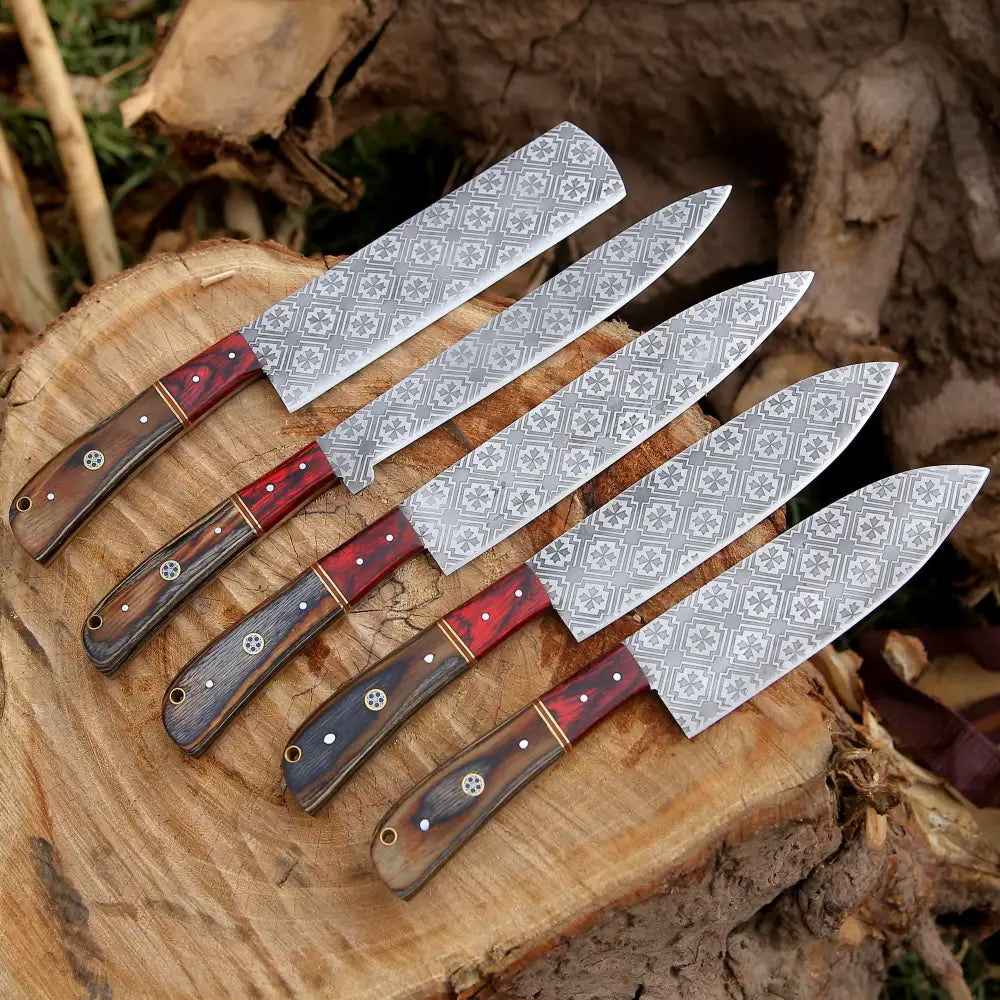
Sharpness and edge retention are key factors in choosing a chef knife. A sharp blade cuts cleanly and safely through ingredients. Edge retention means the knife stays sharp longer, saving time on sharpening. Both affect how well the knife performs in daily cooking tasks.
Importance Of Sharpness
A sharp knife makes cutting easier and safer. It reduces the effort needed to slice vegetables or meat. Sharp blades prevent slipping, lowering the chance of accidents. Dull knives crush food instead of cutting it cleanly. This affects the texture and taste of meals.
How To Test Sharpness
Try slicing a tomato without applying force. A sharp blade cuts through the skin smoothly. Another test is to slice paper; a sharp knife cuts clean edges. You can also gently feel the blade edge with your finger’s side. Sharp knives have a fine, smooth edge.
Maintaining The Edge
Regular honing keeps the blade aligned and sharp. Use a honing rod before or after each use. Avoid cutting on hard surfaces like glass or stone. Hand wash and dry the knife immediately after use. Sharpen the blade with a whetstone or professional service when needed.
Budget And Brand
Choosing the right chef knife depends a lot on budget and brand. These two factors help find a knife that fits your needs and lasts long. Knowing price ranges, trusted brands, and warranty details makes buying easier.
Price Ranges
Chef knives come in many price ranges. Budget knives start around $20 and offer basic quality. Mid-range knives cost between $50 and $100, balancing price and performance. High-end knives can be $150 or more, made with premium materials and craftsmanship. Decide what feels right for your kitchen and how often you cook.
Reliable Brands
Choose brands known for quality and durability. Brands like Victorinox, Wüsthof, and Global have earned trust. These brands use good steel and design knives for comfort. Avoid unknown brands with poor reviews. Reliable brands usually give better cutting experience and last longer.
Warranty And Customer Support
Check the warranty before buying. A good warranty shows the brand stands behind its product. Most quality knives offer a lifetime or several years warranty. Good customer support helps with repairs or replacements. This adds value and confidence in your purchase.

Care And Maintenance
Taking good care of your chef knife keeps it sharp and safe to use. Proper care helps the knife last for many years. Simple habits make a big difference in performance and durability.
Cleaning Techniques
Clean your knife right after use. Wash it by hand with warm water and mild soap. Avoid soaking the knife or using a dishwasher. Dry it immediately with a soft cloth. This prevents rust and damage to the blade.
Proper Storage
Store the knife in a safe place. Use a knife block, magnetic strip, or blade guard. Avoid tossing it in a drawer with other utensils. Proper storage protects the blade and prevents accidents.
Sharpening Tools
Keep your knife sharp for better cutting and safety. Use a sharpening stone, honing rod, or electric sharpener. Sharpen regularly but not too often. A sharp knife makes cooking easier and more enjoyable.
Frequently Asked Questions
What Size Chef Knife Is Best For Home Cooking?
An 8-inch chef knife is ideal for most home cooks. It balances control and versatility for chopping, slicing, and dicing tasks.
How To Choose A Chef Knife Material?
Look for high-carbon stainless steel. It offers sharpness, durability, rust resistance, and easy maintenance for home use.
Should I Buy A Full Tang Chef Knife?
Yes, full tang knives provide better balance and durability. They reduce the risk of handle breakage during cooking.
How To Maintain A Chef Knife’s Sharpness?
Regularly hone your knife with a steel rod. Sharpen it professionally or with a whetstone every few months.
Conclusion
Choosing the best chef knife for home cooking is a smart step. Think about blade size, weight, and handle comfort. A sharp, well-balanced knife makes cooking easier and safer. Test different knives to find what feels right. Good care keeps your knife sharp and lasting longer.
The right knife helps you prepare meals with confidence. Simple tools can make a big difference in your kitchen. Take your time and enjoy cooking with the best knife for you.

