
Cooking meat to the perfect temperature can be tricky. You don’t want it undercooked or dry and overdone.
That’s where a good meat thermometer comes in. But with so many options out there, how do you pick the right one for your kitchen? This guide will help you understand what to look for, so you can cook your meals safely and deliciously every time.
Keep reading to find the best meat thermometer that fits your needs and makes your cooking easier and more enjoyable.
Types Of Meat Thermometers
Choosing the right meat thermometer starts with knowing the types available. Each type works best for different cooking needs. Understanding these can help you pick one that fits your kitchen and style.
Instant-read Thermometers
Instant-read thermometers give a quick temperature reading. They are small and easy to use. You insert the probe into the meat and get the temperature in seconds. These are great for checking steaks, burgers, or chicken. They do not stay in the meat during cooking.
Leave-in Probe Thermometers
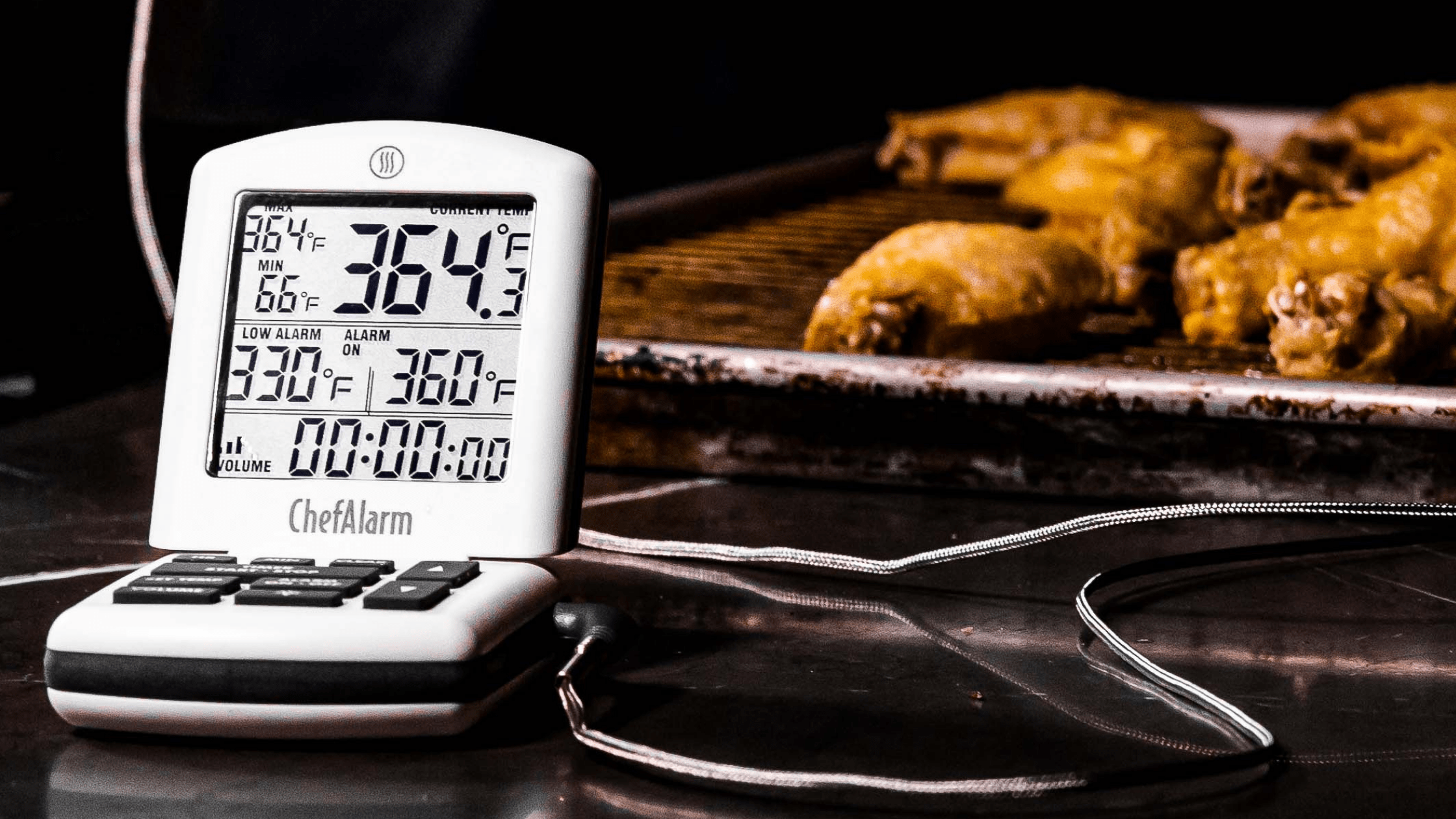
Leave-in probe thermometers stay in the meat while it cooks. They have a long probe and often come with a digital display outside the oven. This lets you monitor the temperature without opening the oven door. They are perfect for large cuts like roasts or whole turkeys. These help cook meat evenly and safely.
Digital Vs Analog Models
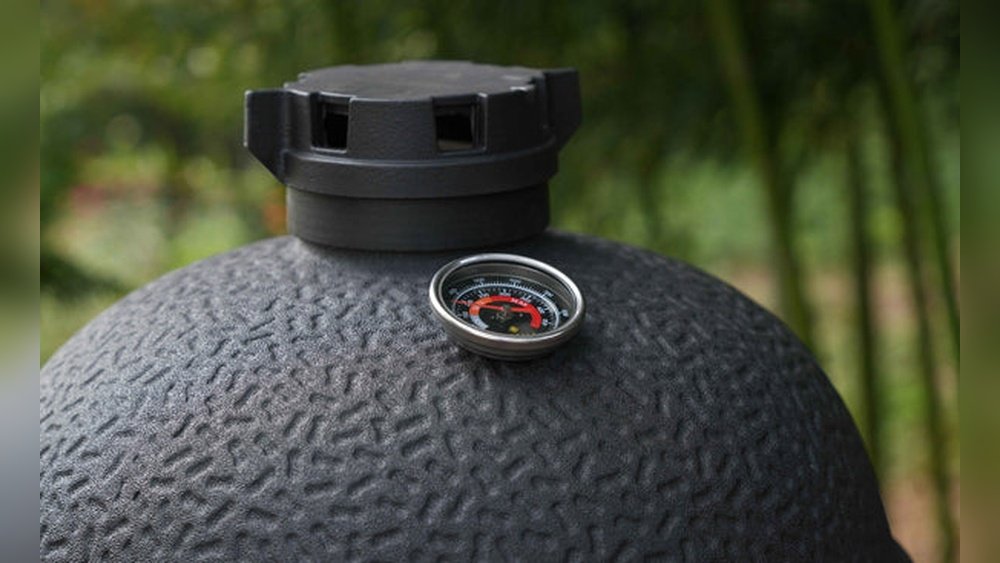
Digital thermometers use sensors and show temperature on a screen. They are usually more accurate and faster. Many have extra features like timers or alerts. Analog models use a dial and a needle to show temperature. They do not need batteries but may be slower and less precise. Both types can work well; it depends on what you prefer.
Key Features To Consider
Choosing the right meat thermometer means checking some important features. These features help you get perfect cooking results every time. Understanding what to look for saves time and avoids guesswork. Each feature plays a key role in how well the thermometer works in your kitchen.
Accuracy And Speed
Accuracy is the most important feature in a meat thermometer. It tells the true temperature of your food. A fast thermometer gives quick readings, so you do not wait long. Accuracy and speed together help you cook meat safely and perfectly.
Temperature Range
Check the thermometer’s temperature range before buying. It must cover the temperatures you cook at. Some thermometers only work for certain types of meat or cooking methods. A wide range means more flexibility for grilling, roasting, or frying.
Display And Readability
The display must be clear and easy to read. Large numbers and backlighting help in low light or busy kitchens. Some thermometers have digital screens, which are easier to read than analog ones. A good display reduces mistakes and speeds up cooking.
Durability And Build Quality
Look for a thermometer made from strong materials. It should resist heat, drops, and moisture. A durable thermometer lasts longer and works well in different kitchen conditions. Good build quality means fewer problems and better value for money.
Ease Of Use And Maintenance
Choosing a meat thermometer that is easy to use and maintain saves time and effort in the kitchen. Simple controls and clear displays help take quick temperature readings. Proper maintenance keeps the thermometer accurate and ready for every cooking session. Understanding key features like calibration, cleaning, and battery life helps pick the best tool for home use.
Calibration Options
Calibration ensures the thermometer shows the correct temperature. Some models have automatic calibration, which adjusts the reading by itself. Others need manual calibration using ice water or boiling water tests. A thermometer with easy calibration keeps accuracy high. This feature helps avoid overcooked or undercooked meat.
Cleaning And Care
Cleaning a meat thermometer must be simple and safe. Look for models with waterproof probes or removable parts. These features make washing easier and prevent damage. Avoid thermometers with hard-to-clean crevices where food can hide. Regular cleaning stops bacteria growth and keeps the device working well.
Battery Life
Long battery life means fewer interruptions during cooking. Choose a thermometer with batteries that last for many uses. Some models show low battery warnings to prevent surprises. Rechargeable options save money and reduce waste. Reliable battery life ensures the thermometer works whenever needed.
:max_bytes(150000):strip_icc()/sea-meat-thermometers-test-thermoworks-bluedot-rkilgore-21-2618893fe72946c3b29e2385df83a6c1.jpeg)
Additional Functionalities
Choosing a meat thermometer means more than just checking temperature. Extra features can make cooking easier and more precise. These additional functionalities help you cook meat safely and perfectly every time. They give better control and save time.
Wireless Connectivity
Wireless meat thermometers connect to your phone or tablet. This lets you check the temperature from a distance. You don’t need to stay near the grill or oven. Some apps show real-time updates and graphs. This feature is great for multitasking during cooking.
Preset Temperature Settings
Many thermometers have preset temperature options for different meats. You can select the right setting for beef, chicken, or pork. The thermometer alerts you when the meat reaches the safe cooking temperature. This reduces guesswork and prevents overcooking or undercooking.
Alerts And Timers
Alerts notify you when the meat hits the right temperature. Timers help track cooking duration. Some devices beep or vibrate to catch your attention. These tools prevent overcooked meat and burnt meals. They add convenience and confidence to your cooking process.
Budget And Value
Choosing the right meat thermometer means balancing cost and quality. You want a tool that fits your budget but lasts long. Understanding price, warranty, and value helps make a smart choice. This section breaks down the key points to consider for budget and value.
Price Ranges
Meat thermometers come in many price ranges. Basic models start at low prices and cover simple needs. Mid-range thermometers offer extra features like faster readings and better accuracy. High-end models include wireless options and digital displays. Decide what features you want before picking a price range.
Warranty And Support
A good warranty shows the maker trusts their product. Check how long the warranty lasts and what it covers. Some companies offer free replacements or repairs. Customer support is important for any questions or problems. Choose a brand known for good service and easy help.
Long-term Investment
Think about how often you will use the thermometer. Spending a bit more can save money over time. Durable, accurate thermometers reduce food waste and cooking mistakes. A reliable tool makes cooking safer and easier. Choose a thermometer that balances cost with lasting value.
Top Brands And Models
Choosing the right meat thermometer means knowing the top brands and models. Some brands are well-known for accuracy and durability. Others offer easy-to-read displays and fast readings. Exploring popular choices helps find a tool that fits your cooking style. Understanding the pros and cons of each brand can guide you to the best purchase.
Popular Choices For Home Use
ThermoWorks is a favorite for many home cooks. Their Thermapen model gives quick, precise readings. It has a clear digital screen and a rotating display. Another popular brand is Weber. Their thermometers often come with grilling features. They suit those who cook outdoors often. Lavatools offers affordable options like the Javelin model. It balances price and performance well. Taylor is known for simple, reliable thermometers. Their products are easy for beginners to use. Each brand has models that fit different budgets and needs.
Pros And Cons Of Leading Brands
ThermoWorks thermometers are fast and highly accurate. They cost more but last for years. Weber models are great for grilling and have sturdy builds. Some users find the designs bulky. Lavatools thermometers are budget-friendly and accurate. The build quality may not be as strong as premium brands. Taylor offers easy-to-use thermometers at low prices. They might lack advanced features found in others. Choosing depends on what matters most—speed, price, or features.
Tips For Accurate Temperature Reading
Getting an accurate temperature reading is key to cooking meat safely and perfectly. A good meat thermometer gives you the right temperature every time. Follow simple tips to avoid errors and get precise results. These tips help prevent undercooked or overcooked meat.
Proper Placement In Meat
Insert the thermometer into the thickest part of the meat. Avoid touching bone, fat, or gristle. These parts give false readings. For whole poultry, place the probe in the inner thigh area, close to the breast. For steaks or chops, insert the probe sideways into the center. Keep the thermometer steady until the reading stops changing.
Avoiding Common Mistakes
Do not leave the thermometer in the oven unless it is designed for that. Remove the thermometer too soon, and the reading will be off. Wait a few seconds for the temperature to stabilize. Calibrate your thermometer regularly to keep it accurate. Clean the probe after each use to prevent contamination. Avoid using a cheap, low-quality thermometer that may give wrong readings.
:max_bytes(150000):strip_icc()/__opt__aboutcom__coeus__resources__content_migration__serious_eats__seriouseats.com__images__2016__10__20161008-meat-temp-5-e10885b8363b44bf825df1d9ae43a702.jpg)
Frequently Asked Questions
What Type Of Meat Thermometer Is Best For Home Use?
Digital instant-read thermometers are best for home use. They provide quick, accurate readings and are easy to use. They help ensure food safety and perfect cooking results every time.
How Accurate Should A Meat Thermometer Be?
A meat thermometer should have an accuracy of ±1°F. This precision ensures your meat is cooked safely and to your desired doneness. Reliable accuracy prevents undercooking or overcooking.
Are Wireless Meat Thermometers Worth Buying?
Yes, wireless thermometers offer convenience and freedom. They let you monitor cooking remotely via smartphone apps. This helps prevent overcooking and improves multitasking in the kitchen.
What Features Matter Most In A Meat Thermometer?
Key features include fast read time, clear display, and temperature alarms. Waterproof and easy-to-clean designs add value. These features improve usability and ensure consistent cooking results.
Conclusion
Choosing the right meat thermometer makes cooking easier and safer. Think about what types of meat you cook most often. Check the thermometer’s accuracy and ease of use. Consider how fast it gives a reading and its durability. Digital thermometers often work well for home cooks.
Remember, a good thermometer helps you avoid undercooked or overcooked meals. It also saves time and reduces guesswork. Pick one that fits your needs and budget. Cooking with confidence starts with the right tools. Enjoy better meals with the perfect thermometer by your side.

