

Is your refrigerator starting to look messy or smell a bit off? Cleaning your fridge might seem like a chore, but it’s easier than you think—and the benefits are huge.
A clean refrigerator keeps your food fresh longer, saves you money, and even helps you avoid health risks. You’ll discover simple, step-by-step ways to clean your fridge quickly and effectively. By the time you finish reading, you’ll have a sparkling, organized fridge that makes your kitchen feel fresh and inviting.
Ready to transform your fridge? Let’s get started!

Gather Cleaning Supplies
Gathering the right cleaning supplies is the first step to a spotless refrigerator. Having everything ready makes the process smooth and quick. It helps avoid interruptions while cleaning.
Focus on tools and safe cleaning agents. These ensure a thorough and safe clean. Start with basic items found at home or local stores.
Essential Tools And Materials
Use a soft sponge or cloth to wipe surfaces gently. Avoid rough materials that can scratch the fridge.
A bucket or bowl holds water and cleaning solution. Microfiber cloths are perfect for drying and polishing.
Have a small brush or old toothbrush for tight spots. Paper towels help with quick cleanups and spills.
Gloves protect your hands from harsh agents and cold temperatures. A trash bag is useful for discarding old food and debris.
Safe Cleaning Agents
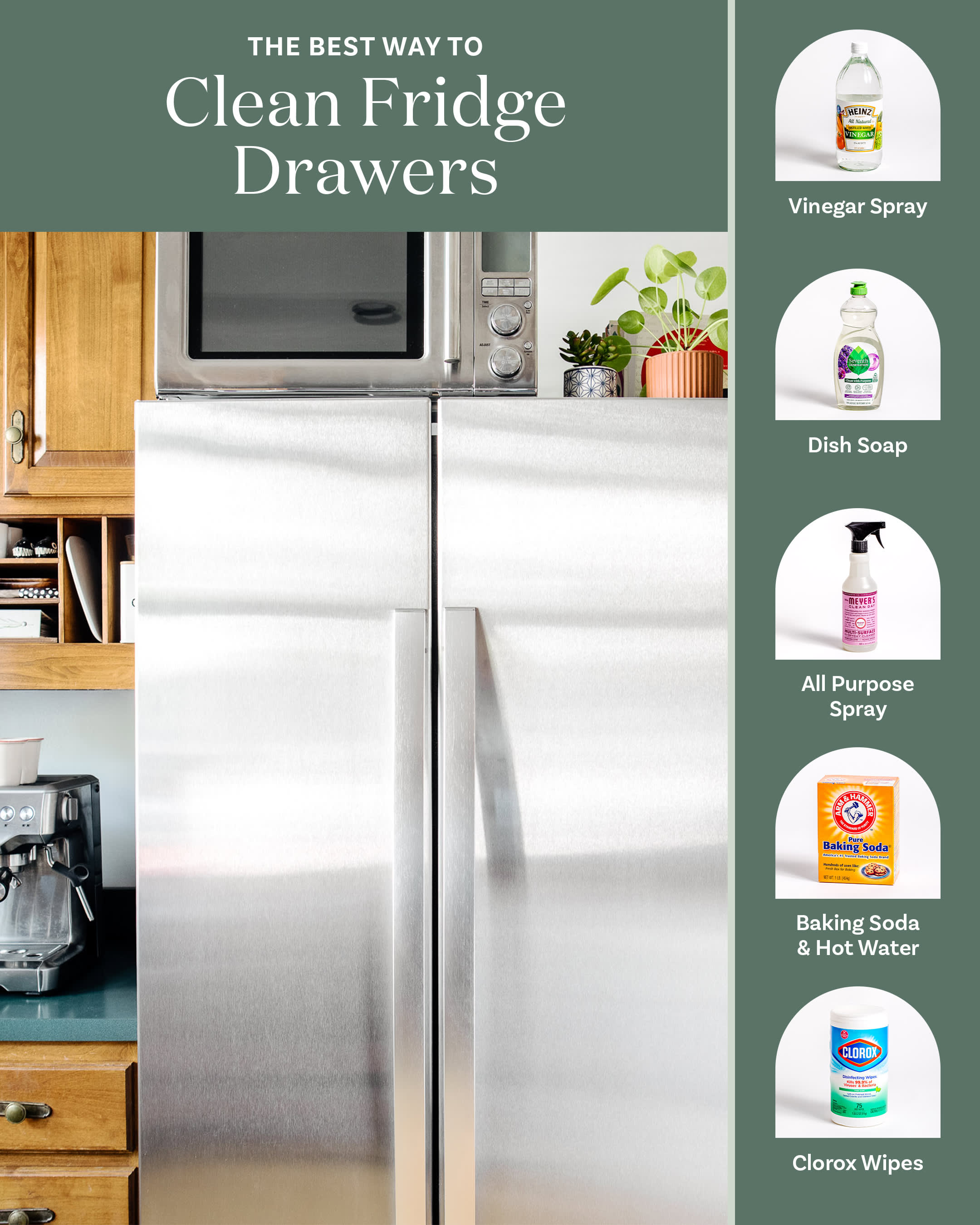
Choose mild, non-toxic cleaners for safety and effectiveness. A mix of warm water and dish soap works well.
White vinegar is a natural disinfectant and deodorizer. Baking soda removes odors and stains without harsh chemicals.
Avoid bleach or ammonia, which can damage surfaces and cause strong fumes. Stick to gentle solutions safe for food areas.
Test any cleaner on a small fridge area first. This prevents damage or discoloration before full use.
Prepare The Fridge
Preparing your refrigerator is the first step to a thorough cleaning. It makes the process easier and more effective. This stage involves two main tasks: unplugging and emptying the fridge, and disposing of expired items.
Unplug And Empty Contents
Start by unplugging the fridge from the power outlet. This step ensures safety and saves energy. Next, remove all food, drinks, and containers. Take out shelves and drawers if possible. Place items in a cooler to keep them fresh during cleaning. This clears space and helps you reach every corner.
Dispose Of Expired Items
Check every item for expiration dates. Toss anything that is old or spoiled. This prevents bad smells and contamination. Also, throw away open packages that are no longer good. Keep only fresh and safe food in the fridge. This step improves hygiene and keeps your fridge organized.
Remove And Clean Shelves
Cleaning your refrigerator shelves is key to keeping your fridge fresh and safe. Dirt and spills can hide in corners and cracks. Removing shelves makes cleaning easier and more thorough. It helps remove stains and stops bad smells from building up. Follow simple steps to take out and wash shelves properly.
Taking Out Removable Parts
First, open the fridge door fully. Check which shelves and drawers can be removed. Most shelves slide or lift out easily. Gently pull the shelf toward you. If stuck, try lifting it slightly before pulling. Place the shelves on a clean surface. Avoid forcing any parts to prevent damage. Remove all removable shelves and drawers for cleaning.
Washing And Drying Shelves
Fill a sink or basin with warm water and mild soap. Use a soft sponge or cloth to clean all sides of the shelves. Pay special attention to corners and edges. Avoid harsh scrubbers that can scratch surfaces. Rinse shelves well with clean water. Dry shelves completely with a soft towel. Leaving them wet can cause mold or odors. Once dry, return the shelves to their original place in the fridge.
Clean Interior Surfaces
Cleaning the interior surfaces of your refrigerator keeps it fresh and hygienic. Dirt and spills can build up quickly. This can cause bad odors and attract bacteria. Regular cleaning helps prevent these problems. Focus on wiping walls, shelves, and compartments thoroughly. Use gentle cleaning methods to protect the fridge’s surfaces.
Wiping Walls And Compartments
Start by removing all food items. Take out shelves and drawers carefully. Use a soft cloth or sponge with warm, soapy water. Wipe the walls, shelves, and compartments gently. Pay attention to corners and edges where dirt hides. Rinse the cloth often to avoid spreading grime. Dry all surfaces with a clean towel to stop moisture.
Dealing With Stubborn Stains
Some stains do not come off easily. For tough spots, mix baking soda with water to make a paste. Apply the paste to stains and let it sit for 10 minutes. Gently scrub with a soft brush or cloth. Avoid harsh chemicals that can damage the fridge. Wipe away residue with a damp cloth. Repeat if needed until stains disappear.
Clean Door Seals And Exterior
Cleaning the door seals and exterior of your refrigerator is important. It helps keep the fridge working well and looking nice. Dirt and spills can build up on the seals and outside. This can cause bad smells and reduce the fridge’s efficiency.
Regular cleaning stops mold and grime from growing. It also keeps the door seals soft and flexible. Clean seals make sure the door closes tightly. A tight seal keeps cold air inside and saves energy.
Maintaining Door Gaskets
Door gaskets are the rubber strips around the fridge door. Clean them with warm, soapy water and a soft cloth. Wipe away crumbs and sticky spots. Avoid using harsh chemicals that can damage the rubber.
Check for cracks or tears in the gaskets. Replace them if they look worn out. Dry the gaskets well after cleaning. This helps prevent mold and keeps the seal strong.
Polishing The Outside
Wipe the outside of your fridge with a damp cloth. Use mild detergent to remove stains and fingerprints. For stainless steel fridges, use a special stainless cleaner or olive oil.
Rub gently in the direction of the metal grain. This keeps the surface shiny and scratch-free. Dry the surface with a clean towel to avoid water spots. Regular polishing keeps your fridge looking new and neat.

Organize And Restock
Organizing and restocking your refrigerator keeps food fresh and easy to find. It helps reduce waste and saves time during meal prep. After cleaning, take a moment to arrange items thoughtfully. A neat fridge improves airflow and keeps food at the right temperature.
Arranging Items For Freshness
Place raw meat and seafood on the bottom shelf to avoid drips. Store dairy products on the middle shelves where the temperature is steady. Keep fruits and vegetables in separate crispers to maintain their freshness. Use clear containers to see food easily and prevent spoilage. Arrange older items at the front to use them first.
Tips For Efficient Storage
Group similar foods together for quick access. Avoid overpacking; air must circulate to keep food cold. Label leftovers with dates to track freshness. Use stackable containers to save space. Store bottles in the door shelves as these areas are warmer. Regularly check and remove expired items to keep your fridge clean.
Regular Maintenance Tips
Keeping your refrigerator clean is key to food safety and freshness. Regular maintenance helps avoid bad smells and sticky messes. It also saves time during deep cleaning sessions. Simple habits make a big difference in fridge care. Follow these tips to keep your appliance fresh and tidy all year.
Scheduling Cleanings
Set a cleaning schedule for your fridge. Clean it every two weeks to remove spills and crumbs. Mark your calendar or set reminders on your phone. Quick wipe-downs keep dirt and bacteria away. A clean fridge means healthier food and less waste.
Preventing Odors And Spills
Keep food sealed tightly in containers. Use airtight boxes or bags to stop smells from spreading. Clean spills right after they happen. Use mild soap and warm water for wiping. Place a small box of baking soda inside to absorb odors. Change the baking soda every three months for best results.
Frequently Asked Questions
How Often Should I Clean My Refrigerator?
You should clean your refrigerator every 3 to 4 months. Regular cleaning prevents odors, bacteria, and mold buildup. Wiping spills immediately helps maintain freshness. Deep cleaning ensures food safety and appliance efficiency.
What Is The Best Cleaner For Refrigerator Shelves?
A mixture of warm water and mild dish soap is the best cleaner. Avoid harsh chemicals to prevent damage. This solution effectively removes grime and kills bacteria safely. Always rinse and dry shelves thoroughly afterward.
How Do I Remove Bad Odors From My Refrigerator?
To remove bad odors, place an open box of baking soda inside. Baking soda absorbs unpleasant smells naturally. You can also clean shelves with vinegar solution for extra freshness. Regular cleaning helps prevent odor buildup.
Can I Use Vinegar To Clean My Refrigerator?
Yes, vinegar is safe and effective for cleaning refrigerators. It disinfects surfaces and removes stains without harsh chemicals. Mix equal parts vinegar and water for a natural cleaning solution. Always rinse with water and dry after cleaning.
Conclusion
Cleaning a refrigerator keeps food fresh and safe to eat. Regular cleaning stops bad smells and germs. Use simple tools like cloth, soap, and water. Take time to organize shelves and throw out old items. Clean spills right away to avoid stains.
A clean fridge saves energy and money. Make cleaning a habit every few months. Enjoy a fresh, tidy kitchen space easily.

