
Is your refrigerator making strange noises or not cooling properly? Your compressor might be the culprit.
When the compressor acts up, it can disrupt the entire cooling system, leaving your food at risk. But don’t worry—you don’t have to call a technician just yet. You’ll discover simple, effective ways to identify and fix common refrigerator compressor issues.
By following these easy steps, you can save time, money, and avoid the hassle of spoiled groceries. Keep reading to take control of your fridge and get it running smoothly again.

Signs Of Compressor Problems
Knowing the signs of compressor problems helps you act fast. The compressor is the heart of your refrigerator. It pumps refrigerant and keeps food cold. When it has issues, the whole fridge suffers.
Spotting early signs can save repair costs. Watch your fridge closely. Notice any changes in sound, temperature, or operation. These clues tell you if the compressor needs attention.
Unusual Noises
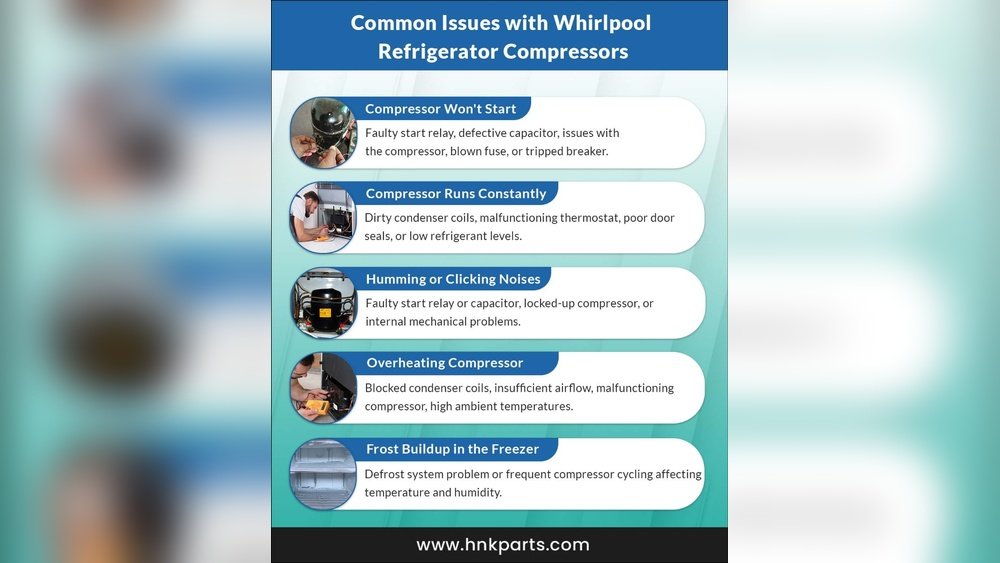
Strange sounds from your fridge often point to compressor problems. Buzzing, clicking, or humming noises are not normal. Loud or constant noises could mean the compressor motor is failing. These sounds show the compressor is struggling to work.
Overheating
Feel the back of your fridge. If it is very hot, the compressor might be overheating. Overheating happens when the compressor works too hard or is clogged. This issue can cause permanent damage if ignored. Keep the area clean and check the compressor temperature regularly.
Frequent Cycling
The compressor should run smoothly, not start and stop often. Frequent cycling means the compressor switches on and off too much. This wastes energy and stresses the compressor. It often happens due to a stuck relay or low refrigerant levels. Watch for this sign to prevent bigger problems.
Poor Cooling Performance
Your fridge should keep food cold all the time. Poor cooling is a clear sign of compressor trouble. Warm spots or inconsistent temperatures mean the compressor is not working well. This can cause food spoilage and waste. Check the compressor and refrigerant to fix cooling issues fast.
Common Causes Of Compressor Failure
The compressor is the heart of a refrigerator. It pumps refrigerant and keeps your fridge cool. When the compressor fails, the fridge stops working properly. Understanding why compressors fail helps you fix problems faster. Common causes include electrical issues, refrigerant leaks, mechanical wear, and clogged condenser coils.
Electrical Issues
Electrical problems are a top reason for compressor failure. Faulty wiring or a blown fuse can stop the compressor from running. A bad start relay or capacitor may also prevent the compressor from starting. These parts control the compressor’s power and need to work well.
Refrigerant Leaks
Refrigerant leaks reduce the cooling power of the compressor. Low refrigerant causes the compressor to overwork and heat up. Over time, this damages the compressor motor. Finding and fixing leaks is key to protecting the compressor.
Mechanical Wear
The compressor has moving parts that wear out with use. Bearings and pistons can become damaged or noisy. Old compressors may fail due to this wear. Regular maintenance helps spot wear before it causes total failure.
Clogged Condenser Coils
Dirty or clogged condenser coils block heat release. This makes the compressor work harder and run hotter. Overheating shortens the compressor’s lifespan. Cleaning the coils regularly keeps the compressor cool and efficient.
Safety Precautions Before Repairs
Repairing a refrigerator compressor needs care and caution. Safety comes first to avoid injuries and damage. Before starting any work, follow some important safety steps. These steps protect you and your appliance during the repair process.
Unplugging The Refrigerator
Always unplug the refrigerator before any repair. This stops the flow of electricity and prevents shocks. Never work on the compressor while the appliance is connected to power. Double-check the plug is out of the socket to be sure.
Using Proper Tools
Use the right tools for compressor repairs. Avoid makeshift or damaged tools that can slip or break. Proper tools help you work safely and finish the job faster. Keep tools clean and organized for easy access.
Handling Refrigerants Safely
Refrigerants can be harmful if not handled correctly. Avoid releasing them into the air. Use gloves and goggles to protect your skin and eyes. If you suspect a leak, call a professional for safe removal and repair.
Step-by-step Compressor Troubleshooting
Troubleshooting a refrigerator compressor helps find the cause of cooling problems. This step-by-step guide shows simple checks anyone can do. It avoids guesswork and saves repair costs.
Each step focuses on one key part of the compressor system. Follow these checks carefully to spot common issues fast. Basic tools like a multimeter make testing easier.
Checking The Power Supply
Start by making sure the compressor gets power. Unplug the fridge first for safety. Use a multimeter to test the outlet voltage. It should read close to 120 volts.
Next, check the compressor’s power wires. Look for loose or burnt connections. Tighten or replace damaged wires before testing further.
Testing The Start Relay
The start relay helps the compressor begin running. Remove it from the compressor carefully. Shake it gently; a rattling sound means it may be bad.
Use a multimeter to check for continuity in the relay. No continuity means the relay needs replacing.
Measuring Compressor Resistance
Check the compressor windings for damage using a multimeter. Set it to ohms and test the terminals. Low or no resistance signals a faulty compressor.
Compare readings with the fridge manual values. Large differences show the compressor is likely bad.
Inspecting The Overload Protector
The overload protector guards the compressor from overheating. Find it attached to the compressor body. Look for signs of burning or damage.
Test it with a multimeter for continuity. A broken protector will stop the compressor from running. Replace it if it fails the test.
Repair Techniques For Compressor Issues
Repairing a refrigerator compressor can save you money and extend your appliance’s life. Understanding basic repair techniques helps you fix common issues. Some problems need simple fixes, while others require more work. This section covers key repair methods that you can try at home or discuss with a technician.
Replacing Faulty Relays And Overloads
Relays and overloads help start the compressor safely. If the compressor does not run, these parts might be faulty. Test them using a multimeter for continuity. Replace any damaged relay or overload with the exact model. This often restores compressor function without major repairs.
Sealing Refrigerant Leaks
Refrigerant leaks reduce cooling and strain the compressor. Use soapy water to find leaks around pipes and joints. Small leaks can be sealed with special refrigerant sealants. Larger leaks require professional help to recharge the system safely. Sealing leaks protects the compressor from damage.
Cleaning Condenser Coils
Dirty condenser coils cause the compressor to overheat. Dust and debris block airflow and reduce efficiency. Clean coils gently with a brush or vacuum cleaner. Regular cleaning keeps the compressor cool and running smoothly. This simple step prevents many compressor problems.
When To Replace The Compressor
Sometimes the compressor fails beyond repair. Signs include loud noises, frequent cycling, or no cooling. Replacement is costly but necessary for a working refrigerator. Consult a professional to diagnose compressor failure. Choose replacement only if repair costs exceed appliance value.
Preventive Maintenance Tips
Preventive maintenance helps avoid refrigerator compressor problems. Small efforts can stop big issues. It saves money and extends appliance life.
Regular Cleaning
Clean the coils at least twice a year. Dust and dirt block airflow. This makes the compressor work harder. Use a brush or vacuum for cleaning. Keep the area around the fridge free of dust.
Monitoring Temperature Settings
Set the fridge temperature between 37°F and 40°F. The freezer should stay at 0°F. Wrong settings strain the compressor. Check the temperature regularly. Adjust settings if food freezes or spoils quickly.
Ensuring Proper Ventilation
Leave space around the refrigerator for air to flow. Avoid pushing it against walls or cabinets. Good ventilation cools the compressor. Overheating causes damage and shortens its life. Follow the manufacturer’s spacing guidelines carefully.
When To Call A Professional
Knowing when to call a professional can save your refrigerator from more damage. Some compressor problems need expert skills and tools. Trying to fix these issues alone can be risky and costly.
Complex Electrical Repairs
Refrigerator compressors have many electrical parts. Problems like wiring faults or motor issues need a trained technician. Handling electricity without proper knowledge can cause shocks or fires. Professionals use special tools to find and fix these problems safely.
Refrigerant Handling
Compressors work with refrigerants to cool your fridge. These chemicals require careful handling and special equipment. A licensed technician must manage refrigerant leaks or refills. Incorrect handling can harm the environment and your health.
Compressor Replacement
Sometimes, the compressor is too damaged to repair. Replacing it is a complex job. It involves removing old parts and installing new ones correctly. Only experienced professionals can do this job to ensure your refrigerator works well again.

Frequently Asked Questions
What Causes A Refrigerator Compressor To Stop Working?
A refrigerator compressor can fail due to electrical issues, overheating, or a refrigerant leak. Dirt buildup and worn-out components also cause malfunctions. Regular maintenance helps prevent these problems and ensures efficient cooling performance.
How Can I Tell If My Compressor Is Faulty?
Signs of a faulty compressor include unusual noises, warm refrigerator interior, and frequent cycling on and off. If the fridge fails to cool properly despite power supply, the compressor may need inspection or replacement.
Can I Fix A Refrigerator Compressor Myself?
Minor issues like cleaning coils or checking electrical connections can be DIY tasks. However, compressor repairs often require professional tools and expertise. For safety and effectiveness, consider hiring a certified technician.
How Long Does A Refrigerator Compressor Usually Last?
A refrigerator compressor typically lasts 10 to 15 years with proper maintenance. Factors like usage frequency and environment can impact its lifespan. Regular servicing extends compressor life and prevents costly breakdowns.
Conclusion
Fixing refrigerator compressor issues can save you time and money. Start by checking power and cleaning coils. Listen for unusual sounds and check the thermostat settings. Small problems often have simple solutions. Regular maintenance helps keep your fridge running well.
When problems persist, calling a professional is wise. Stay patient and follow steps carefully. Your fridge will cool efficiently again soon. Keep these tips handy for future reference.

