
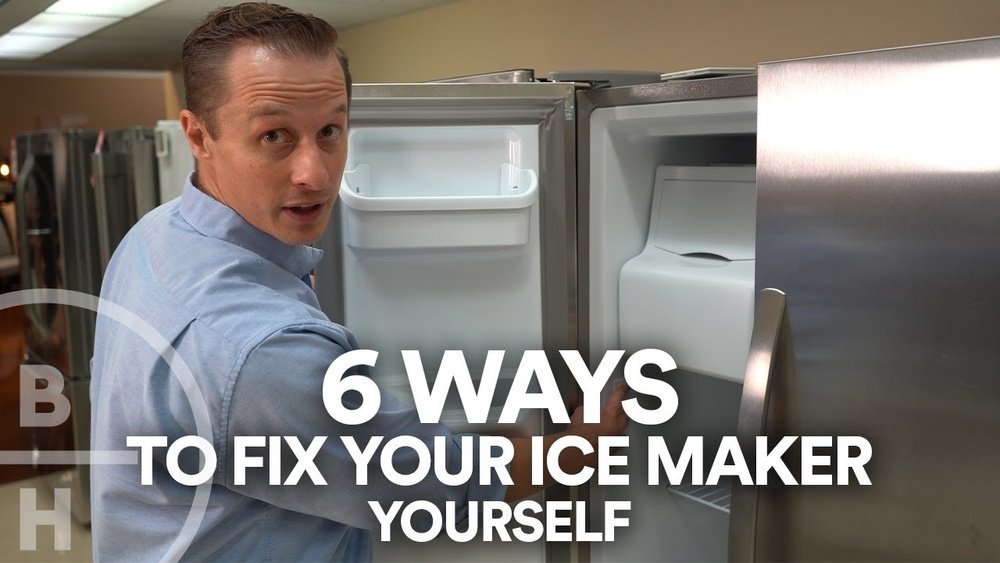
Is your refrigerator ice maker not working when you need it most? It’s frustrating to open the freezer and find no ice, especially on a hot day or when guests arrive.
You might be wondering why it stopped making ice and how you can fix it quickly without calling a repair service. You’ll discover simple, effective steps to get your ice maker back to perfect working order. Keep reading, because by the end, you’ll have the confidence to solve the problem yourself and enjoy fresh ice anytime you want.
Common Ice Maker Issues
Ice makers in refrigerators often face issues that stop them from working properly. These common problems can affect how much ice you get, the size of the ice cubes, or even cause leaks. Understanding these issues helps to fix the ice maker quickly and avoid wasting water or electricity.
Most ice maker problems fall into a few clear categories. Each has its own causes and solutions. Knowing these can save time and money on repairs.
No Ice Production
No ice production means the ice maker does not make any ice. This can happen if the water supply is off or blocked. Sometimes, the ice maker is turned off by mistake. A frozen water line or a faulty motor can also stop ice production.
Slow Ice Formation
Slow ice formation means the ice cubes take too long to form. This often happens if the freezer temperature is too high. The ice maker needs to be cold enough to freeze water quickly. A dirty or clogged water filter can slow the water flow and delay ice making.
Ice Maker Leaking Water
Water leaking from the ice maker can cause puddles inside or outside the fridge. This leak may come from a cracked water line or a loose connection. The ice maker’s fill valve might be broken. Sometimes, the ice tray is full, but the water keeps flowing, causing spills.
Ice Cubes Are Small Or Misshapen
Small or misshapen ice cubes mean the ice maker is not working correctly. This can result from low water pressure or a clogged water filter. The ice mold might be dirty or damaged. Incorrect freezer temperature can also change the shape and size of the ice cubes.

Basic Troubleshooting Steps
Basic troubleshooting steps help solve common ice maker problems fast. Start with simple checks before calling for repairs. These steps save time and money. Follow each step carefully to find the issue. Many times, a small fix gets the ice maker working again.
Check Power Supply
Ensure the refrigerator is plugged in securely. Check if the power outlet works by testing another device. Look for tripped circuit breakers in your home panel. A power cut stops the ice maker from running. Confirm the ice maker’s power switch is on.
Inspect Water Supply Line
Look at the water line connected to the fridge. Check for kinks or bends that block water flow. Make sure the water valve is open fully. Clean the water filter if it is clogged. No water means no ice production.
Examine Ice Maker Switch
Find the ice maker switch inside the freezer or on the control panel. Confirm it is switched on and not stuck. A turned off switch stops ice making. Flip the switch off and on to reset it. This can clear minor electrical glitches.
Reset The Ice Maker
Locate the reset button on your ice maker unit. Press and hold it for about 10 seconds. Wait for the ice maker to restart. Resetting clears errors in the system. This often restores normal ice production quickly.
Cleaning And Maintenance Tips
Cleaning and maintaining your refrigerator ice maker can solve many common problems. Dirt, ice buildup, or old filters often stop it from working well. Simple care keeps your ice maker running smoothly and makes ice taste fresh. Follow these easy steps to fix and prevent issues.
Clean Ice Maker Components
Turn off the ice maker before cleaning. Remove the ice bin and wash it with warm, soapy water. Wipe down the ice maker parts with a soft cloth. Clean the ice mold carefully to remove any debris. Dry all parts fully before putting them back. Regular cleaning stops clogs and keeps ice fresh.
Defrost The Freezer
Ice buildup in the freezer can block the ice maker. Unplug the fridge and empty the freezer. Let the ice melt naturally or use a bowl of hot water inside. Do not use sharp objects to chip ice. Clean the freezer floor and walls after defrosting. Turn the fridge back on and wait for it to cool. This clears blockages and improves ice production.
Replace Water Filter
A dirty or old water filter slows water flow to the ice maker. Check your refrigerator’s manual for filter type and location. Remove the old filter carefully and insert a new one. Flush water through the new filter before use. Change the filter every six months or as recommended. Clean water helps make clear and tasty ice.
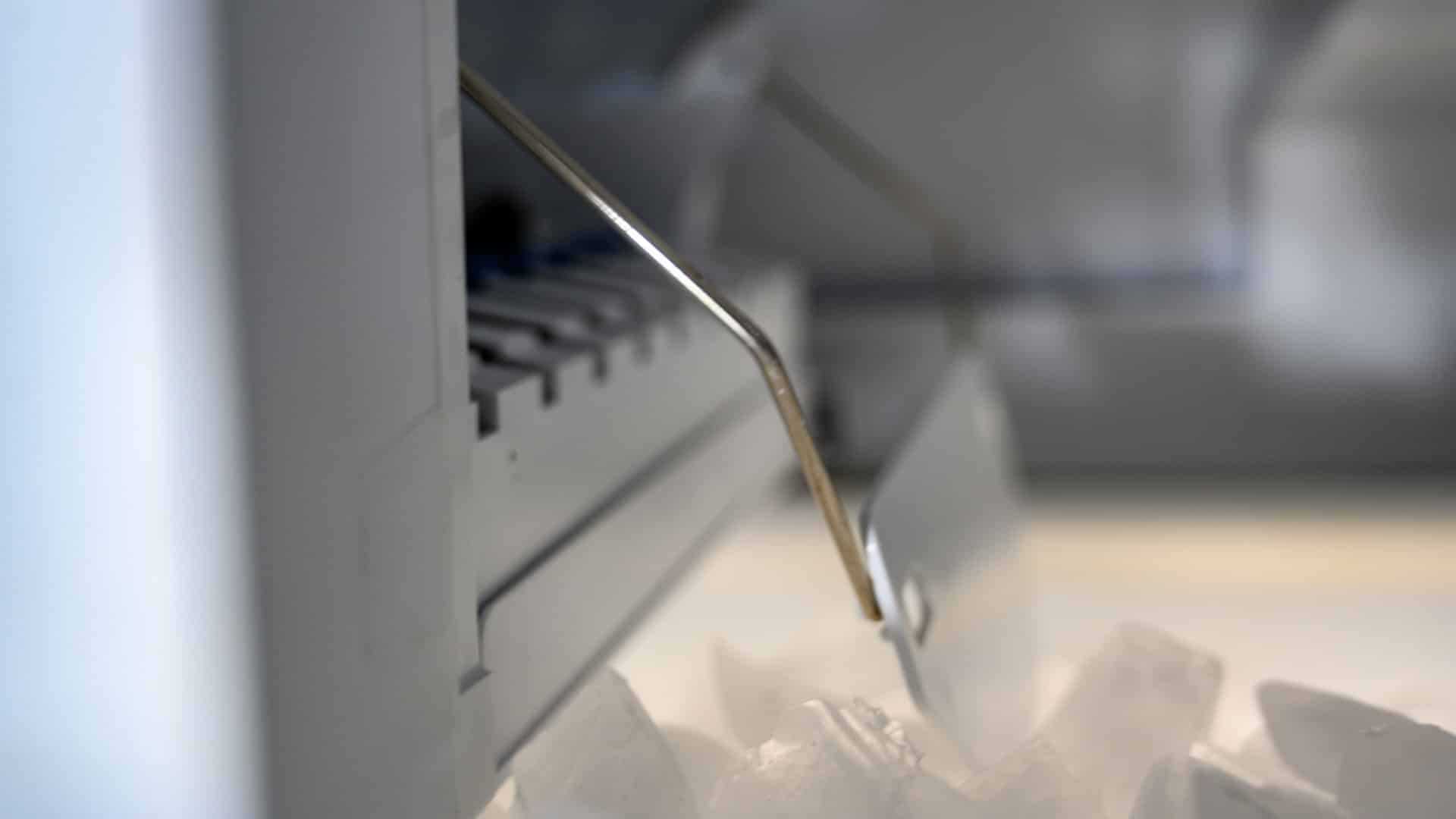
Repairing Common Problems
Repairing common problems with your refrigerator ice maker can save time and money. Many issues are simple and fixable at home. Understanding these fixes helps keep your ice maker working well. Below are easy steps for common repairs.
Fixing Frozen Water Line
A frozen water line blocks water from reaching the ice maker. Check the water supply tube inside the freezer. If it looks frozen, turn off the fridge for a few hours. Let the ice melt naturally. Use a hairdryer on low heat to gently warm the tube. Avoid high heat to prevent damage. Once thawed, restart the refrigerator and check for ice production.
Replacing Faulty Ice Maker Module
The ice maker module controls the ice making process. If it fails, no ice will form. Test the module by listening for clicking sounds during the ice cycle. No noise might mean a faulty module. Unplug the fridge before removing the module. Replace it with a compatible part from the manufacturer. Install the new module carefully and plug the fridge back in. The ice maker should start working again.
Adjusting Temperature Settings
Incorrect temperature stops ice production. The freezer must be cold enough for ice to form. Set the freezer temperature between 0°F and 5°F (-18°C to -15°C). Check the thermostat dial or digital control. Wait 24 hours after adjusting to see results. If the temperature is too warm, the ice maker may stop working. Proper temperature keeps your ice fresh and ready.
When To Call A Professional
Sometimes, fixing a refrigerator ice maker needs expert help. Small problems can be easy to solve. But some issues need a professional’s tools and skills. Knowing when to call a repair expert saves time and avoids more damage.
Persistent Ice Maker Failures
Ice maker stops working again and again? Simple fixes might not work now. Persistent failures can mean deep problems inside. A professional can find hidden issues fast. They have experience with many ice maker models. This helps them fix the problem right.
Complex Electrical Issues
Ice makers use electrical parts to work properly. Sometimes, wires or sensors fail. These problems need careful handling. Electricity can be dangerous without the right tools. A trained technician knows how to test and fix electrical faults safely. Do not try fixing electrical parts alone.
Parts Replacement Guidance
Old or broken parts might need replacement. Choosing the right parts is important. Professionals can identify the exact parts needed. They also know how to install them correctly. This keeps the ice maker running longer. A wrong part can cause more problems later.

Frequently Asked Questions
Why Is My Refrigerator Ice Maker Not Making Ice?
Your ice maker might not be making ice due to a clogged water line, frozen water inlet valve, or a faulty motor. Check for blockages, ensure the water supply is connected, and reset the ice maker to fix these common issues.
How Do I Reset My Refrigerator Ice Maker?
To reset, locate the reset button or switch on the ice maker. Press and hold it for about 10 seconds, then release. This can reboot the system and resolve minor faults causing the ice maker to stop working.
Can A Frozen Water Line Cause Ice Maker Failure?
Yes, a frozen water line can block water flow to the ice maker. Defrost the freezer or use warm water to thaw the line. This often restores normal ice production without needing professional repair.
How Often Should I Clean The Ice Maker?
Clean the ice maker every 3-6 months to prevent buildup and clogs. Use a mild detergent and warm water to wipe the components. Regular cleaning helps maintain ice quality and prevents mechanical problems.
Conclusion
Fixing your refrigerator ice maker can be simple with the right steps. Check the water supply, clean the ice maker, and inspect the freezer temperature first. Small problems often cause big issues. Don’t ignore warning signs like no ice or slow production.
Regular care helps keep ice makers working well. Follow these tips to save time and avoid costly repairs. Your ice maker can work like new again. Stay patient and methodical for the best results.

