
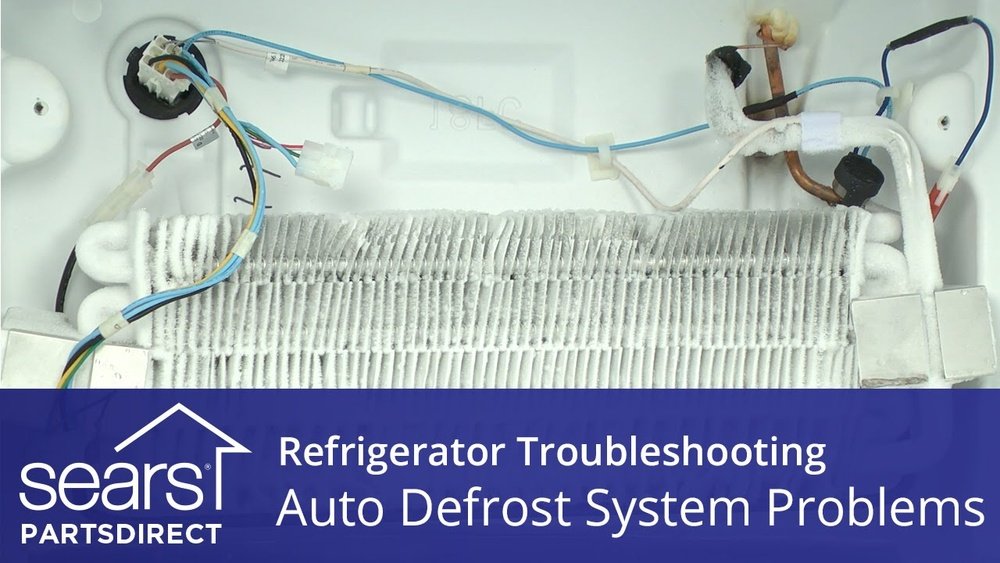
Is your refrigerator not defrosting properly? This problem can quickly turn into a big hassle, leaving your food spoiled and your kitchen a mess.
But don’t worry—you don’t have to call a repairman right away or buy a new fridge. You’ll learn simple and effective steps to fix your refrigerator’s defrosting issue. By the time you finish reading, you’ll know exactly what to check and how to solve the problem.
Keep reading to save your fridge and your food!
Common Signs Of Defrosting Issues
Noticing problems with your refrigerator’s defrosting system early can save you from bigger repairs. Defrosting issues cause several clear signs. Spotting these signs helps you act fast and protect your food. Below are common signs to watch for in your fridge.
Frost Buildup In Freezer
Thick frost or ice layers inside the freezer show defrost failure. Frost blocks cold air and makes your freezer less efficient. Ice buildup can trap food and reduce space. Regular frost means the defrost system is not working well.
Unusual Noises
Strange sounds like buzzing or clicking can point to defrost problems. These noises might come from the defrost timer or heater. Noises often increase as frost builds up inside the fridge walls. Listen carefully for any odd sounds near the freezer.
Temperature Fluctuations
Food getting too warm or too cold is a sign of defrost trouble. Temperature swings happen because frost blocks cold air flow. Your fridge may run too long or stop working properly. Keep an eye on temperature changes inside your fridge and freezer.
Water Leaks
Water pooling near or under the fridge can mean defrost issues. Melting frost may drip and cause leaks if the drain is blocked. Water leaks also create slippery floors and can damage flooring. Check for water spots around your refrigerator often.

Causes Of Defrosting Problems
Refrigerators not defrosting properly cause ice buildup inside. This stops your fridge from working well. Several parts can cause this issue. Knowing the common causes helps fix the problem fast. Below are the main reasons your refrigerator might not defrost.
Faulty Defrost Timer
The defrost timer controls when the fridge enters defrost mode. A broken timer stops the cycle from starting. Without it, ice builds up on the freezer coils. This leads to poor cooling and frost problems.
Malfunctioning Defrost Heater
The defrost heater melts the frost on the coils. If it stops working, frost stays frozen. This blocks airflow inside the fridge. The freezer becomes too cold, and the fridge warms up.
Broken Defrost Thermostat
The defrost thermostat senses temperature during defrosting. It turns the heater on and off to prevent overheating. A broken thermostat can stop the heater or run it too long. Both cause frost or damage.
Clogged Drain Line
The drain line removes water from melted frost. A clog blocks water from draining out. Water pools inside the fridge, causing leaks and ice buildup. Cleaning the drain line often fixes this issue.
Door Seal Issues
Damaged door seals let warm air enter the fridge. Warm air causes excess frost and ice buildup. Check seals for cracks or gaps. Replacing bad seals keeps cold air inside and prevents frost.
Tools Needed For Repairs
Fixing a refrigerator that won’t defrost needs the right tools. Having these tools ready makes the repair easier and faster. You don’t need many tools, but the right ones help you work safely and well. Below are the basic tools needed to start your repair.
Screwdrivers And Multimeter
Screwdrivers are essential to open panels and remove screws. Use both flathead and Phillips types to fit different screws. A multimeter helps check electrical parts for proper function. It measures voltage, resistance, and continuity in wires and components.
Hairdryer Or Heat Gun
A hairdryer or heat gun melts ice buildup in the freezer. They help speed up the defrost process without turning off the fridge for long. Use low heat to avoid damage. Keep the heat source moving to melt ice evenly.
Cleaning Supplies
Cleaning supplies remove dirt and debris from fridge parts. Use a soft cloth, mild detergent, and warm water. Avoid harsh chemicals that can damage surfaces. Clean coils and vents to improve fridge performance.
Replacement Parts
Replacement parts depend on the problem found. Common parts include defrost heaters, thermostats, and sensors. Buy parts that match your fridge model. Proper parts ensure the repair lasts and the fridge works well.

Step-by-step Fixes
Fixing a refrigerator that won’t defrost requires a clear plan. Follow these simple steps carefully. Each step targets a common cause of defrost failure. Work through them one by one. This method helps find and solve the problem fast.
Resetting The Defrost Timer
The defrost timer controls when the fridge defrosts. Locate the timer inside the fridge or at the back. Turn the dial slowly until the fridge clicks. This forces the defrost cycle to start. Wait 30 minutes and check if frost melts. Resetting the timer can fix stuck defrost cycles.
Testing And Replacing The Heater
The defrost heater melts ice buildup on coils. Use a multimeter to test its electrical resistance. No reading means the heater is broken. Replace the heater with a new one matching your model. A working heater stops ice from blocking air flow.
Checking The Thermostat
The defrost thermostat tells the heater when to turn on. Remove it from the freezer section. Test it with a multimeter for continuity at cold temperatures. No continuity means a faulty thermostat. Replace it to ensure proper defrost timing.
Clearing The Drain Line
Water from melting ice drains through a line. Blocked drain lines cause water to freeze again. Find the drain hole and pipe at the fridge bottom. Use warm water or a pipe cleaner to clear any blockage. A clear drain line prevents ice buildup.
Inspecting And Replacing Door Seals
Worn door seals let warm air inside the fridge. This causes frost to form quickly. Check seals for cracks, tears, or gaps. Clean them with warm soapy water. Replace seals if damaged to keep cold air sealed tightly.
Preventive Measures
Preventing a refrigerator from not defrosting starts with simple daily habits. These habits keep your fridge running smoothly. They also stop ice buildup before it becomes a problem. Small efforts save time and money on repairs.
Regular Cleaning Tips
Clean the fridge coils at least twice a year. Dust and dirt block airflow and cause ice buildup. Wipe the door seals with warm water often. Dirty seals let warm air inside, causing frost. Remove old food to prevent spills and odors. Clean inside shelves and drawers regularly to keep air flowing.
Proper Food Storage
Store food in airtight containers to reduce moisture. Avoid packing the fridge too full. Crowding stops air circulation, leading to frost. Leave space between items for cold air to move. Cool leftovers before placing them in the fridge to reduce humidity inside.
Routine Maintenance Checks
Check the defrost timer and heater every few months. Test the door seals for tightness and replace if damaged. Inspect the drain hole to ensure it is not blocked. A clogged drain causes water to freeze. Listen for unusual noises from the fridge motor or fan. Early detection helps avoid bigger issues.

When To Call A Professional
Knowing when to call a professional is important for fixing a refrigerator that won’t defrost. Some problems need expert tools and skills. Trying to fix these can cause more damage or risks. Understanding the signs helps save time and money.
Complex Electrical Issues
Electrical problems inside the fridge can be hard to spot. Faulty defrost timers, heaters, or control boards need special tools. Handling electricity without training can be dangerous. A professional technician has the right equipment and knowledge to fix these safely.
Frequent Recurring Problems
If the fridge stops defrosting often, a quick fix may not work. Recurring problems can mean deeper issues inside the system. A professional can diagnose the root cause and offer a lasting solution. This prevents wasting money on repeated repairs.
Warranty And Safety Concerns
Many refrigerators come with warranties that require professional repairs. Fixing the fridge yourself can void the warranty. Also, improper repairs can cause leaks or electrical hazards. Calling a certified technician ensures the work is safe and keeps your warranty valid.
Frequently Asked Questions
Why Is My Refrigerator Not Defrosting Properly?
A refrigerator may not defrost due to a faulty defrost timer, heater, or thermostat. Ice buildup blocks normal defrosting. Regular maintenance helps prevent this issue.
How Do I Reset The Defrost Timer In My Fridge?
Locate the defrost timer inside the fridge control panel. Turn it slowly clockwise until the compressor shuts off. This manual reset can restart the defrost cycle.
Can A Clogged Drain Cause Fridge Defrost Issues?
Yes, a clogged drain blocks melted water from exiting. This causes water buildup and ice formation. Clearing the drain tube often fixes defrost problems.
When Should I Call A Professional For Defrost Problems?
If basic troubleshooting fails or parts need replacement, contact a technician. Professional help ensures safe and accurate fridge repair. Avoid DIY risks with electrical components.
Conclusion
Fixing a refrigerator that won’t defrost can save money and food. Start by checking the defrost timer and heater. Clean the coils and ensure the door seals are tight. Small issues often cause big problems. Regular maintenance helps keep your fridge working well.
Don’t ignore frost build-up—it signals a problem. Taking quick action prevents food spoilage and costly repairs. Simple steps can restore your fridge’s cold power. Stay patient and follow each step carefully. Your fridge will run smoothly again soon.

