

Is your refrigerator using more energy than it should? You might be surprised how small changes can save you money and keep your fridge running smoothly.
Imagine cutting down your electricity bills while making your food last longer and stay fresher. You’ll discover simple, practical tips that anyone can use to boost refrigerator efficiency. Keep reading—you’ll learn easy ways to protect your food, save energy, and extend the life of your fridge without spending a fortune.
Optimize Temperature Settings
Optimizing the temperature settings of your refrigerator is key to saving energy and keeping food fresh. Proper settings reduce the workload on your appliance. This helps it run efficiently and lowers electricity bills. Small changes in temperature can make a big difference in performance.
Ideal Temperature For Fridge And Freezer
The ideal temperature for a fridge is between 37°F and 40°F (3°C to 4°C). This range keeps food fresh and safe without using too much energy. For freezers, the best setting is 0°F (-18°C). This temperature preserves frozen food well and keeps the appliance efficient.
Setting your fridge too cold wastes energy. Setting it too warm risks food spoilage. Checking the temperature with a thermometer can help maintain the right level. Many modern fridges have digital controls for easy adjustment.
Adjusting Settings Seasonally
Seasonal changes affect how your refrigerator works. Warmer months make it work harder to stay cool. Lower the fridge temperature slightly in summer to keep food fresh. During colder months, raise it a bit to save energy.
Keep an eye on temperature settings as seasons change. Adjusting settings can prevent overcooling or warming inside the fridge. This balance improves efficiency and food safety all year round.
Keep Door Seals Tight
Keeping your refrigerator door seals tight helps save energy and keeps food fresh. Good seals stop cold air from leaking out. This reduces the fridge’s work and lowers electricity bills. Regular checks and care keep the seals in top shape. Small fixes can make a big difference in efficiency.
Checking For Air Leaks
Start by closing the fridge door on a piece of paper. Try to pull the paper out gently. If it slides out easily, the seal may be loose. Look for cracks, gaps, or dirt on the seal. Clean the seals with warm, soapy water to remove grime. Check the door frame for damage or warping too. Repeat this test on all sides for a full check.
Replacing Worn Seals
Old seals lose their grip and let air escape. Replace seals if you find tears or cracks. Buy a new seal made for your fridge model. Remove the old seal by pulling it gently from the door. Clean the area before placing the new seal. Fit the new seal tightly and evenly around the door. Test the seal again with the paper method. Good seals keep cold air in and save energy.
Organize Contents Efficiently
Organizing the refrigerator contents well helps it work better and saves energy. A tidy fridge cools food evenly and keeps it fresh longer. Small changes in how you arrange items make a big difference in efficiency.
Proper organization reduces cold air loss. It also prevents the fridge from working too hard to keep food cool. Clear shelves and smart placement help the fridge run smoothly every day.
Avoid Overcrowding
Do not fill the fridge too full. Overcrowding blocks cool air from moving around. Food needs space to stay cold and fresh. Leave gaps between items for better air flow.
Too many items force the fridge to use more energy. It works harder to cool all the food. Keep only what you need inside. Remove old or expired items regularly.
Allow Air Circulation
Good air circulation inside the fridge keeps the temperature even. Arrange food so air can flow freely. Use clear containers to see contents without opening doors often.
Place large items at the back and smaller ones in front. Do not block vents with tall bottles or boxes. Clean vents and shelves to avoid dust and dirt build-up.
Clean Coils Regularly
Cleaning your refrigerator coils regularly helps it run better and use less energy. Dust and dirt on coils make the fridge work harder. This raises your electricity bill and can shorten the appliance’s life. Simple cleaning keeps your fridge cool and efficient.
Locating Condenser Coils
Find the coils before cleaning. They are usually at the back or bottom of the fridge. Some models have coils hidden behind a panel. Check your fridge manual if you cannot see them. Knowing the coil location makes cleaning easier and safer.
Safe Cleaning Methods
Unplug the fridge before cleaning the coils. Use a coil brush or a vacuum cleaner with a brush attachment. Gently remove dust and debris from the coils. Avoid using water or harsh chemicals, as they can damage parts. Clean coils every six months for best results.
Limit Door Opening
Opening the refrigerator door less often helps keep it cool. Every time the door opens, cold air escapes. This makes the fridge work harder to get back to the right temperature. Limiting door opening can save energy and keep food fresh longer.
Plan Before Opening
Think about what you need before opening the fridge. Check your list or remember the items you want. This way, you spend less time with the door open. Quickly grab everything at once to reduce cold air loss. Planning saves energy and keeps your fridge efficient.
Use Quick Access Storage
Keep frequently used items in easy-to-reach spots. Place snacks, drinks, and condiments in the door or top shelves. This avoids searching and opening the fridge for too long. Quick access storage helps you close the door faster. It makes your fridge work less and saves power.
Proper Placement Of Refrigerator
Proper placement of your refrigerator plays a big role in its efficiency. Where you put it affects how hard it works to keep food cold. A good spot helps save energy and lowers electricity bills.
Choose a place that supports the fridge’s cooling system. Avoid spots that make it work too much. This helps the fridge last longer and keep food fresh.
Avoid Heat Sources
Keep the refrigerator away from heat sources like ovens and direct sunlight. Heat makes the fridge work harder to stay cool. This wastes energy and can shorten its life.
Place the fridge in a cool area of the kitchen. Avoid spots near stoves, dishwashers, or heating vents. Cooler surroundings help the fridge run efficiently.
Ensure Adequate Ventilation
Give the refrigerator enough space for air to flow around it. Proper ventilation stops heat from building up behind or beneath the fridge.
Leave a few inches of space between the fridge and walls. Check the manual for the recommended clearance. Good airflow improves cooling and reduces energy use.
Defrost When Necessary
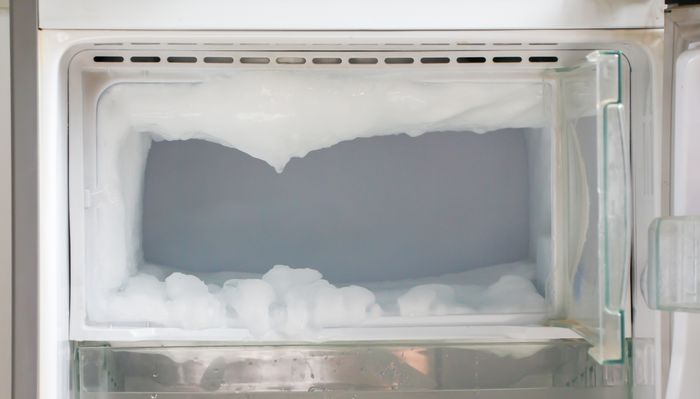
Frost buildup in your refrigerator can lower its efficiency. It makes the appliance work harder, uses more electricity, and may shorten its life. Defrosting your fridge at the right time keeps it running smoothly. It helps maintain a consistent temperature and saves energy.
Manual Defrost Tips
Turn off the fridge before defrosting. Remove all food items and store them in a cool place. Place towels around the fridge base to catch water. Leave the door open to speed up melting. Use a plastic scraper to gently remove ice. Avoid sharp tools to prevent damage. Clean the fridge interior after defrosting. Dry all surfaces before turning it back on. Regular defrosting prevents thick ice layers. Check the freezer monthly for frost build-up.
Benefits Of Frost-free Models
Frost-free refrigerators prevent ice from building up. They use a fan to circulate cold air evenly. This keeps temperature steady and food fresh longer. You save time by not defrosting manually. Energy use stays more consistent and efficient. These models often have better storage space. They reduce odor and freezer burn risks. Frost-free technology adds convenience to daily use. Ideal for busy homes and small kitchens.

Use Energy-saving Features
Using energy-saving features helps reduce electricity use and saves money. Many modern refrigerators come with settings designed to use less power. These features keep your fridge efficient without extra effort.
Activating these options can lower energy bills and help the environment. Learning how to use these settings can make your fridge work smarter.
Activate Eco Modes
Eco modes limit the fridge’s power use while keeping food cold. This mode adjusts temperature and compressor cycles. It uses less electricity during times when the fridge is less busy.
Turning on eco mode is easy and often done with a single button. This feature keeps your fridge running efficiently without affecting food safety.
Utilize Smart Controls
Smart controls allow precise temperature settings and monitor energy use. Some fridges connect to apps on your phone. These apps send alerts if the door stays open or if temperatures rise.
Using smart controls helps avoid wasting energy and prevents food spoilage. It gives better control over your fridge’s performance and energy consumption.
Maintain Regular Servicing
Maintaining regular servicing is key to keeping your refrigerator running efficiently. It helps prevent bigger problems and saves energy. Regular checks ensure all parts work well and catch issues early. This keeps your fridge cool without extra effort or cost.
Professional Inspection
Hire a technician to inspect your refrigerator regularly. Professionals check important parts like coils and fans. They can spot wear and dirt that reduce efficiency. A clean, well-tuned fridge uses less electricity and runs smoothly. Scheduling yearly inspections can extend your fridge’s life.
Addressing Minor Repairs Early
Fix small problems as soon as you notice them. A loose door seal or noisy motor might seem minor. Ignoring these can lead to bigger, expensive repairs later. Early repairs keep the fridge working at its best. This saves money and prevents wasted energy.
Frequently Asked Questions
How Often Should I Clean Refrigerator Coils?
Clean refrigerator coils at least twice a year. Dust buildup reduces efficiency and makes the fridge work harder. Use a vacuum or coil brush to remove dirt. Regular cleaning helps maintain optimal cooling and lowers energy consumption.
What Temperature Keeps A Refrigerator Most Efficient?
Set your refrigerator temperature between 37°F and 40°F (3°C to 4°C). This range keeps food fresh and prevents overcooling. Avoid setting it too cold, which wastes energy. Proper temperature control improves efficiency and prolongs appliance lifespan.
Does Overfilling The Fridge Reduce Efficiency?
Yes, overfilling blocks air circulation inside the fridge. Proper airflow is essential for even cooling and energy efficiency. Keep enough space between items to allow cold air to circulate freely. This prevents the compressor from overworking.
How Does Door Seal Condition Affect Efficiency?
A damaged or dirty door seal lets cold air escape. This forces the fridge to use more energy to maintain temperature. Regularly check and clean the seal. Replace it if cracked or worn to ensure airtight closure.
Conclusion
Keeping your refrigerator clean and well-maintained saves energy. Check door seals to stop cold air from escaping. Keep the fridge temperature between 37-40°F for best results. Avoid overcrowding; air needs space to flow inside. Defrost the freezer regularly to prevent ice build-up.
These simple steps help your fridge work better and last longer. Small changes can lower your electricity bill. Start today to keep food fresh and save money.

