
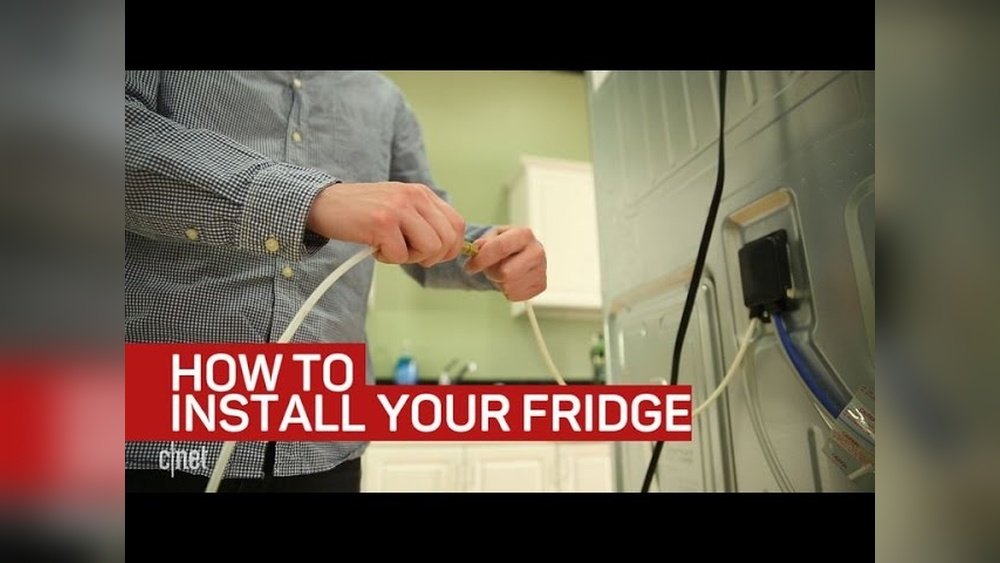
Are you ready to give your kitchen a fresh upgrade? Installing a refrigerator might seem tricky, but with the right steps, you can do it yourself quickly and safely.
Imagine having your new fridge running smoothly, keeping your food fresh without any hassle. In this guide, you’ll discover simple, clear instructions that anyone can follow. By the end, you’ll feel confident and proud of your new setup. Keep reading to unlock the secrets to installing your refrigerator like a pro!
Choosing The Right Refrigerator
Choosing the right refrigerator is an important first step in the installation process. The right fridge fits your space, meets your needs, and saves energy. This guide helps you pick the best one for your home.
Types Of Refrigerators
Refrigerators come in many styles. Top freezer models are classic and affordable. Bottom freezer models keep fresh food at eye level. Side-by-side fridges offer easy access to both compartments. French door designs provide wide shelves and more space. Choose a style that fits your lifestyle and kitchen layout.
Measuring Space And Door Clearance
Measure the space where the fridge will go. Include width, height, and depth. Check the door clearance to ensure it opens fully. Leave extra space for air circulation around the fridge. Proper measurements prevent installation problems and help the fridge work well.
Energy Efficiency Ratings
Look for refrigerators with good energy ratings. Energy-efficient models use less electricity and lower bills. Check the Energy Star label for trusted efficiency. Choosing a fridge with high ratings helps the environment and saves money long-term.
Preparing For Installation
Preparing for a refrigerator installation is an important step. It ensures the process goes smoothly and safely. Proper preparation helps avoid damage and saves time. Follow these simple steps before starting the installation.
Gathering Necessary Tools
Collect all tools needed for the job first. Common tools include a screwdriver, level, wrench, and measuring tape. Having tools ready prevents interruptions during installation. Check the refrigerator manual for any special tools required.
Clearing The Installation Area
Clear the space where the refrigerator will sit. Remove boxes, furniture, and any obstacles. Clean the floor to avoid slips or dirt entering the fridge. Ensure there is enough room to move the appliance easily.
Checking Electrical Requirements
Verify the power outlet matches the refrigerator plug type. The outlet should be grounded for safety. Check the voltage and amperage needed for your model. Avoid using extension cords or adapters to reduce fire risk.
Unpacking And Inspecting
Unpacking and inspecting your new refrigerator is the first step after delivery. This stage is important to ensure the appliance is in perfect condition. Taking time here can save you trouble later. Follow these simple steps to check everything carefully.
Removing Packaging Materials
Start by clearing all outer packaging. Remove tape, plastic wrap, and cardboard pieces. Be gentle to avoid scratching the surface. Check corners and edges for hidden packing materials. Keep packaging until inspection is complete. You might need it if you find damage.
Inspecting For Damage
Look closely at the fridge for dents or scratches. Check the doors and handles for any cracks. Inspect the interior for broken shelves or parts. Report any damage to the seller right away. Taking photos can help with claims. Do not skip this step.
Reading The Manufacturer’s Manual
Find the manual inside the fridge or packaging. Read instructions on installation and use carefully. Manuals contain important safety tips and warranty info. Follow the guidelines to avoid mistakes. Keep the manual for future reference.

Positioning The Refrigerator
Positioning the refrigerator correctly is key for its performance and safety. A well-placed fridge stays cool, works efficiently, and lasts longer. It also keeps your kitchen organized and accessible.
Moving The Unit Safely
Start by clearing the path to the installation spot. Fridges are heavy and bulky. Use a dolly or get help to move it. Lift with your legs, not your back. Avoid tilting the unit too much. Keep it upright to protect the compressor inside.
Leveling The Refrigerator
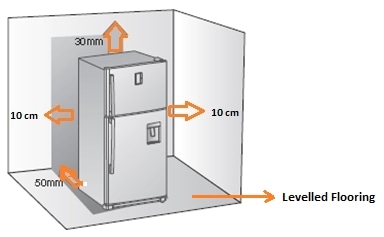
Check if the fridge stands flat on the floor. Use a level tool for accuracy. Adjust the front feet by turning them clockwise or counterclockwise. A level fridge door closes properly and seals tight. This stops cold air from escaping and saves energy.
Ensuring Proper Ventilation
Leave space around the fridge for air to flow. About two inches on the sides and back works well. Ventilation stops overheating and keeps the fridge running smoothly. Avoid pushing the fridge too close to walls or cabinets. This space helps the motor cool down and extends the appliance’s life.
Connecting To Power
Connecting your refrigerator to power is a key step in installation. It ensures the fridge runs smoothly and keeps your food fresh. This part is simple but needs care to avoid problems.
Plugging Into The Outlet
Check the outlet before plugging in the fridge. It should be a grounded, three-prong socket. This type of outlet protects against electrical shocks.
Do not use extension cords or power strips. These can cause voltage drops and damage the fridge. Plug the refrigerator directly into the wall outlet for safety.
Testing The Electrical Connection
Once plugged in, test if the fridge gets power. Listen for a humming sound or light inside the fridge. These signs show it is working.
Use a voltage tester if unsure. It confirms the outlet provides the right power level. Proper connection avoids faults and saves energy.
Setting Up The Interior
Setting up the interior of your refrigerator is key to keeping food fresh and organized. A well-arranged fridge saves space and makes it easier to find items quickly. This part of the installation focuses on placing shelves and drawers correctly and adjusting temperature controls to suit your needs.
Installing Shelves And Drawers
Start by placing shelves inside the fridge. Most shelves slide into slots on the sides. Make sure each shelf is secure and level to prevent spills. Drawers usually fit at the bottom or in designated compartments. Slide them in gently until they click or stop. These help store fruits, vegetables, and other items separately. Proper shelf and drawer placement improves airflow and keeps food fresh longer.
Adjusting Temperature Controls
Find the temperature control panel inside the fridge. It may be a dial or digital buttons. Set the fridge temperature between 35°F and 38°F (1.5°C and 3°C). This range keeps food fresh without freezing it. The freezer should be set at 0°F (-18°C). Adjust controls after the fridge runs for a few hours. Check the temperature with a fridge thermometer for accuracy. Correct settings prevent food spoilage and save energy.
Final Checks And Maintenance Tips
After installing your refrigerator, performing final checks ensures it works correctly. Proper maintenance keeps it running smoothly and extends its life. These steps help you avoid common problems and save energy.
Verifying Operation
Check that the refrigerator cools properly. Listen for the humming sound of the compressor. Make sure the doors close tightly without gaps. Watch the temperature display to confirm it reaches the right setting. Check for any unusual noises or vibrations.
Cleaning Before Use
Clean the inside and outside surfaces with a mild soap solution. Wipe dry with a soft cloth to prevent moisture buildup. Remove any stickers or packaging materials. Clean the door seals gently to maintain a tight seal. Avoid using harsh chemicals that can damage surfaces.
Routine Maintenance Advice
Clean the condenser coils every six months to remove dust. Check door seals regularly and replace them if worn out. Defrost the freezer if ice builds up over 1/4 inch thick. Keep the refrigerator level to avoid noise and door issues. Empty and clean the drip pan to prevent mold growth.

Frequently Asked Questions
How Do I Prepare The Space For Refrigerator Installation?
Clear the area and measure the space for proper fit. Ensure a nearby power outlet and ventilation. Remove any obstacles to allow easy movement and alignment of the refrigerator.
What Tools Are Needed To Install A Refrigerator?
You need a screwdriver, level, and wrench. Measuring tape helps check dimensions. Use pliers for connecting water lines if applicable.
How Do I Connect The Water Line To My Fridge?
Turn off the water supply first. Attach the water line to the fridge inlet securely. Check for leaks after connection.
How Do I Level My Refrigerator Correctly?
Use a level tool on top of the fridge. Adjust the front leveling legs until the fridge is stable and even.
Conclusion
Installing a refrigerator can be simple with the right steps. Take your time and follow instructions carefully. Make sure the fridge is level and connected properly. Check for leaks or unusual noises before use. A well-installed refrigerator keeps food fresh and saves energy.
Enjoy your cool, organized kitchen with confidence. Keep the manual handy for future reference. Small efforts lead to great results. Ready to chill?

