
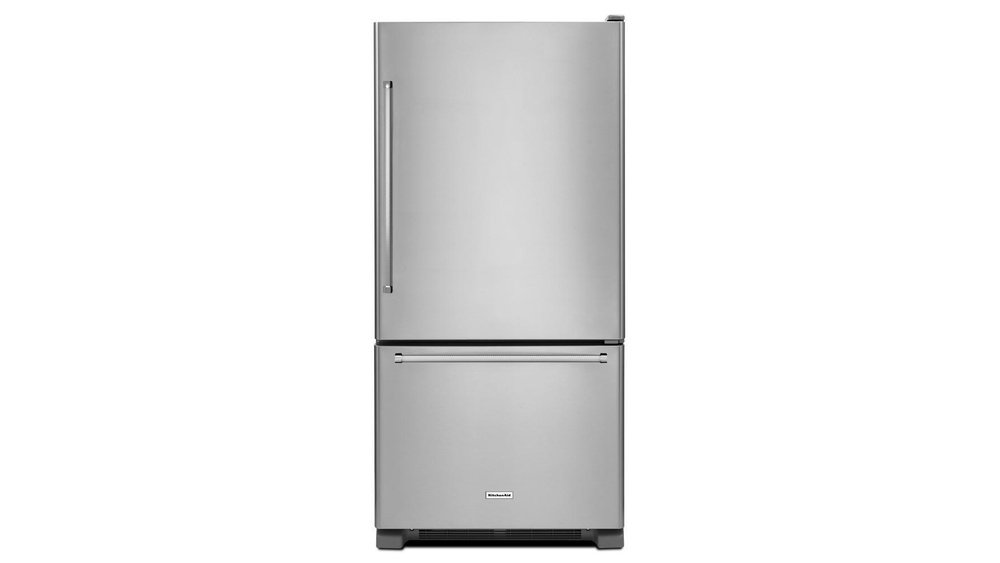
Your bottom freezer refrigerator is one of the most important appliances in your kitchen. Keeping it running smoothly saves you money and keeps your food fresh longer.
But do you know the simple steps to maintain it properly? You’ll discover easy and effective tips to care for your bottom freezer fridge. By following these, you’ll avoid costly repairs and enjoy a well-functioning appliance every day. Ready to learn how to get the most out of your refrigerator?
Let’s dive in!
Cleaning The Interior
Cleaning the interior of your bottom freezer refrigerator keeps food fresh and safe. Dirt and spills can build up over time. Regular cleaning stops odors and stains. A clean fridge also works better and lasts longer.
Removing Shelves And Drawers
Take out all shelves and drawers carefully. This makes cleaning easier and more thorough. Wash them in warm, soapy water. Use a soft cloth or sponge to avoid scratches. Let them dry completely before putting them back.
Using Safe Cleaning Solutions
Choose mild cleaning products. Mix water and baking soda for a gentle cleaner. Avoid harsh chemicals that can damage surfaces. Wipe all interior walls, doors, and seals with a soft cloth. Rinse with clean water and dry well to prevent mold.
Deodorizing The Fridge
Remove bad smells by placing an open box of baking soda inside. It absorbs odors naturally. Replace the box every few months. You can also wipe surfaces with a lemon juice solution. This refreshes the fridge without strong scents.

Defrosting The Freezer
Defrosting the freezer is a key task to keep your bottom freezer refrigerator working well. Ice can build up over time, making the freezer less efficient. This can cause the appliance to use more energy and reduce storage space. Regular defrosting helps keep the freezer clean and cold.
When To Defrost
Check the freezer for ice buildup every few months. Defrost when ice is about a quarter inch thick. Thick ice blocks reduce cooling power and take up space. Also, frost can cause doors to seal poorly, letting cold air escape.
Step-by-step Defrost Process
First, unplug the refrigerator to stop power. Remove all food and store it in a cooler or another freezer. Leave the freezer door open to let ice melt naturally. Place towels around the base to catch water from melting ice.
Use a plastic or wooden spatula to gently remove loose ice. Do not use sharp tools to avoid damage. Clean the freezer interior with warm water and mild soap. Dry the inside completely before plugging the fridge back in. Return food only when the freezer is cold again.
Preventing Ice Build-up
Keep the freezer door closed as much as possible. Avoid leaving food uncovered or warm inside the freezer. Check the door seal regularly for cracks or gaps. Clean the seal with a damp cloth to keep it tight. Defrost the freezer regularly to stop thick ice from forming.
Checking Door Seals
Checking the door seals of your bottom freezer refrigerator helps keep it working well. Good seals stop cold air from escaping. This saves energy and keeps food fresh longer. Regular checks can catch problems early. It is an easy step in your maintenance routine.
Inspecting For Damage
Look closely at the seals around the doors. Check for cracks, tears, or gaps. Press gently to see if the seal stays tight. Any damage can let cold air out. This makes the fridge work harder and wastes power. Spotting damage early helps avoid bigger repairs.
Cleaning The Seals
Door seals often get dirty with dust and spills. Use a soft cloth and warm, soapy water to clean them. Avoid harsh cleaners that can harm the rubber. Clean seals stick better and keep air inside. Wipe dry with a clean towel after washing. Do this once a month for best results.
Replacing Worn Seals
Old seals lose their grip over time. If cleaning does not help, it’s time to replace them. Check your refrigerator’s manual for the right seal model. Replace seals carefully to keep the door tight. New seals improve cooling and save energy. Don’t wait until the fridge struggles to cool.
Maintaining Temperature Settings
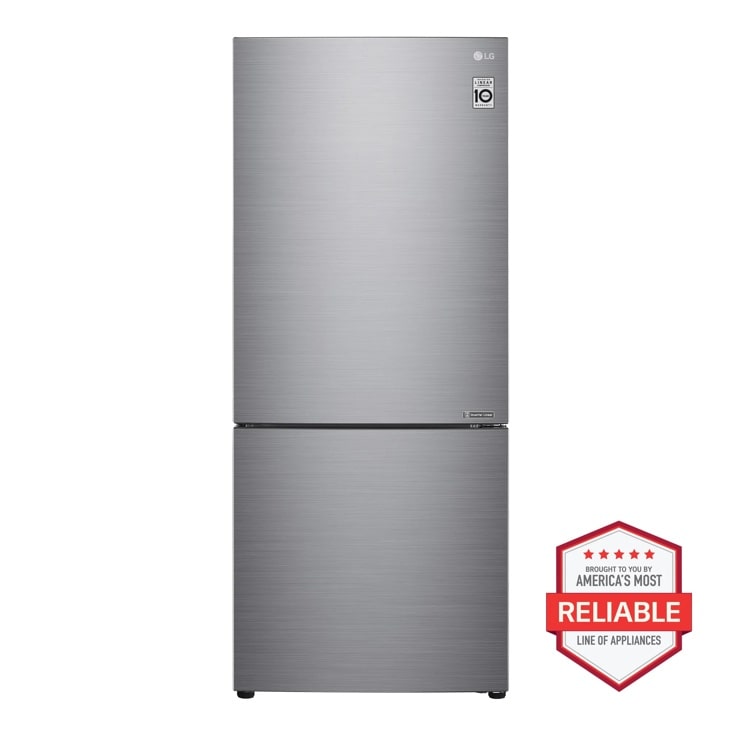
Maintaining the right temperature in a bottom freezer refrigerator keeps food fresh longer. Proper settings prevent spoilage and save energy. Checking and adjusting temperatures regularly is important. Small changes can make a big difference in food safety and appliance efficiency.
Optimal Temperature Ranges
Set the refrigerator temperature between 35°F and 38°F. This range slows bacteria growth without freezing food. The freezer should stay at 0°F or below. Keeping these temperatures steady keeps food fresh and safe. Use a thermometer to check the actual temperature inside.
Adjusting For Seasonal Changes
Temperatures outside affect your refrigerator’s performance. During hot months, lower the refrigerator setting by a degree or two. In colder months, you can raise it slightly to save energy. Monitor food and ice quality to guide adjustments. Always keep the freezer at 0°F regardless of season.
Cleaning The Condenser Coils
Cleaning the condenser coils is a key step in keeping your bottom freezer refrigerator running well. Dust and dirt can build up on these coils. This makes the fridge work harder and use more energy. Regular cleaning helps the fridge cool better and last longer.
Locating The Coils
Condenser coils are usually at the back or underneath the fridge. In bottom freezer models, they often sit near the floor at the back. You may need to pull the fridge away from the wall. Check your fridge manual if you cannot find them. Knowing their exact spot makes cleaning easier.
Tools And Techniques
Use a coil cleaning brush or a soft brush to remove dust. A vacuum cleaner with a brush attachment also works well. Gently brush or vacuum the coils to avoid damage. Avoid using water or harsh chemicals. These can harm the coils or electrical parts. Wipe the area around the coils with a dry cloth.
Frequency Of Cleaning
Clean the condenser coils every six months. In dusty homes or with pets, clean every three months. Regular cleaning stops dust from building up too much. This keeps the fridge efficient and saves energy. Mark your calendar to remind yourself.
Managing Odors And Mold
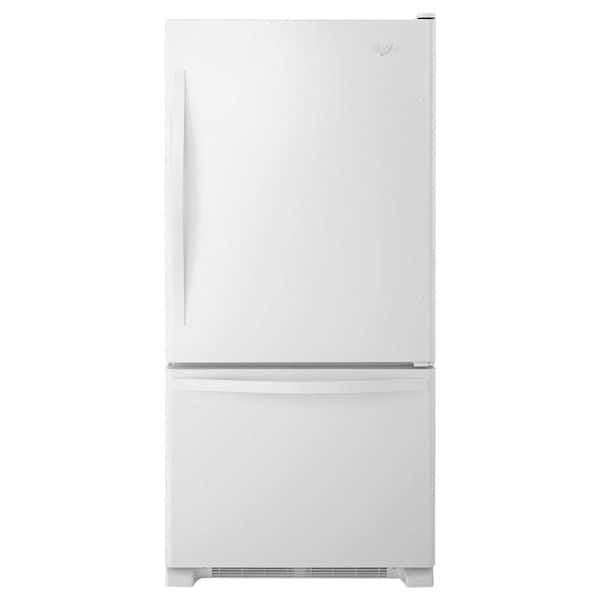
Managing odors and mold in a bottom freezer refrigerator keeps food fresh and safe. Unpleasant smells and mold can ruin stored items fast. Regular care stops these problems from growing inside the fridge. Simple habits help maintain a clean and healthy environment.
Preventing Mold Growth
Keep the refrigerator dry and clean to prevent mold growth. Check seals and door gaskets for cracks or dirt. Mold likes dark, damp places. Wipe spills immediately using a mild cleaner. Remove old or expired food regularly. Air circulation inside the fridge slows mold formation. Leave space between items for better airflow.
Natural Odor Absorbers
Use natural products to absorb bad smells in your fridge. Baking soda works well by neutralizing odors. Place an open box on a shelf inside. Activated charcoal also traps odors effectively. Keep a small container in the freezer compartment. Coffee grounds can absorb strong smells too. Replace these natural absorbers every few months for best results.
Organizing For Efficiency
Organizing your bottom freezer refrigerator helps save time and energy. It keeps food fresh longer and reduces waste. A well-organized fridge makes meal prep faster and easier. Simple steps improve efficiency and keep your freezer neat.
Proper Food Placement
Place frequently used items in the top drawer for quick access. Store raw meat in the bottom section to avoid drips. Use clear bins to separate vegetables, fruits, and frozen meals. Keep similar foods together to find them fast. Label shelves or containers to stay organized.
Avoiding Overloading
Do not stuff the freezer too full. Air needs space to circulate and keep food cold. Overloading makes the freezer work harder and wastes energy. Leave gaps between items for proper airflow. Regularly remove old or expired food to maintain space.
Troubleshooting Common Issues
Troubleshooting common issues with your bottom freezer refrigerator helps keep it running well. Small problems can turn into big ones if ignored. Knowing what to check saves time and money.
Below are frequent problems and simple fixes you can try. These tips help you understand your fridge better. They also improve its lifespan and performance.
Unusual Noises
Strange sounds often mean something is wrong inside. Check if the fridge is level on the floor. Uneven placement causes vibrations and noise.
Look for loose parts or debris near the fan. Clean around the motor and vents carefully. Dust or ice build-up can make loud noises.
If the noise comes from the compressor, it may be normal humming. Loud banging or clicking needs professional attention.
Temperature Fluctuations
Inconsistent coldness spoils food and wastes energy. Start by checking the door seals. Dirty or damaged seals let warm air in.
Make sure the thermostat setting is correct for your needs. Avoid placing hot food directly inside. It raises the fridge temperature quickly.
Blocked air vents inside the fridge stop cool air flow. Keep vents clear and avoid overpacking shelves. This helps maintain steady temperatures.
Water Leaks
Water pooling inside or outside your fridge is a warning sign. Clean the defrost drain regularly to prevent clogs. A blocked drain causes water to leak.
Check the water supply line if your fridge has an ice maker. Tighten loose connections to stop leaks. Replace cracked or old hoses right away.
Also, ensure the fridge is tilted slightly backward. This helps water flow into the drain pan properly. Standing water can damage floors or cause mold.
Frequently Asked Questions
How Often Should I Clean A Bottom Freezer Refrigerator?
Clean your bottom freezer refrigerator every 3 to 4 months. Regular cleaning prevents odors and maintains efficiency. Wipe shelves and drawers with mild soap and water. Avoid harsh chemicals to protect surfaces.
What Temperature Is Ideal For Bottom Freezer Refrigerators?
Set the fridge temperature between 37°F and 40°F. Keep the freezer at 0°F for optimal food preservation. Proper temperatures prevent spoilage and save energy. Use a thermometer to monitor accuracy.
How Can I Organize A Bottom Freezer Efficiently?
Use bins and baskets to group similar items. Label containers for easy identification. Place frequently used items at the top for convenience. Avoid overfilling to maintain airflow and cooling efficiency.
Why Is Defrosting Important For Bottom Freezer Refrigerators?
Defrosting removes ice buildup that reduces cooling efficiency. Excess ice forces the fridge to work harder, increasing energy use. Defrost at least once a year or when ice is ¼ inch thick.
Conclusion
Maintaining your bottom freezer refrigerator keeps it running well. Clean the coils and check seals often. Organize the freezer to avoid blocking air vents. Defrost when ice builds up inside. Keep the fridge temperature steady for fresh food. Small habits save energy and extend appliance life.
A little care goes a long way. Your fridge will work better and last longer. Simple steps make a big difference every day. Take these tips seriously and enjoy a smooth cooling experience.

