
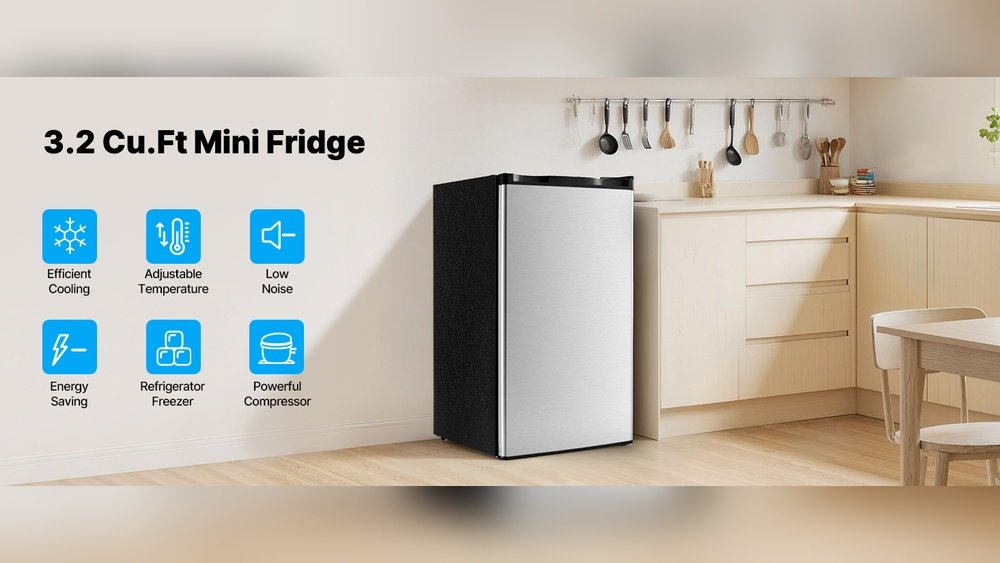
Your compact refrigerator is more than just a small appliance—it’s your go-to spot for keeping snacks fresh, drinks cold, and leftovers safe. But to keep it running smoothly and avoid unexpected breakdowns, you need to take good care of it.
Imagine opening your fridge only to find spoiled food or a loud, struggling machine—that’s frustrating and avoidable. You’ll discover simple, effective tips to maintain your compact refrigerator. By following these easy steps, you’ll save money, extend your fridge’s life, and enjoy fresh food every day.
Ready to make your fridge work better for you? Let’s dive in.
Choosing The Right Location
Choosing the right location for your compact refrigerator is important. A good spot helps the fridge work well and lasts longer. It keeps the fridge cool and safe. The place should keep the fridge away from heat and allow air to move freely. It also needs to be flat and steady to avoid problems.
Avoid Heat Sources
Keep the fridge away from heat sources. Do not place it near ovens, stoves, or heaters. Heat makes the fridge work harder to stay cold. This wastes energy and can damage the fridge. Find a cool spot with little sun or heat.
Ensure Proper Ventilation
Good airflow around the fridge is key. Leave space on all sides for air to move. This helps the fridge cool down its motor and parts. Blocked vents make the fridge hot and less efficient. Check the user manual for exact space needs.
Stable And Level Surface
Place the fridge on a flat and steady surface. A tilted or shaky spot can cause noise and wear. It may also stop the door from closing tightly. Use a level to check the surface. Fix uneven floors with small pads or blocks.
Regular Cleaning Routine
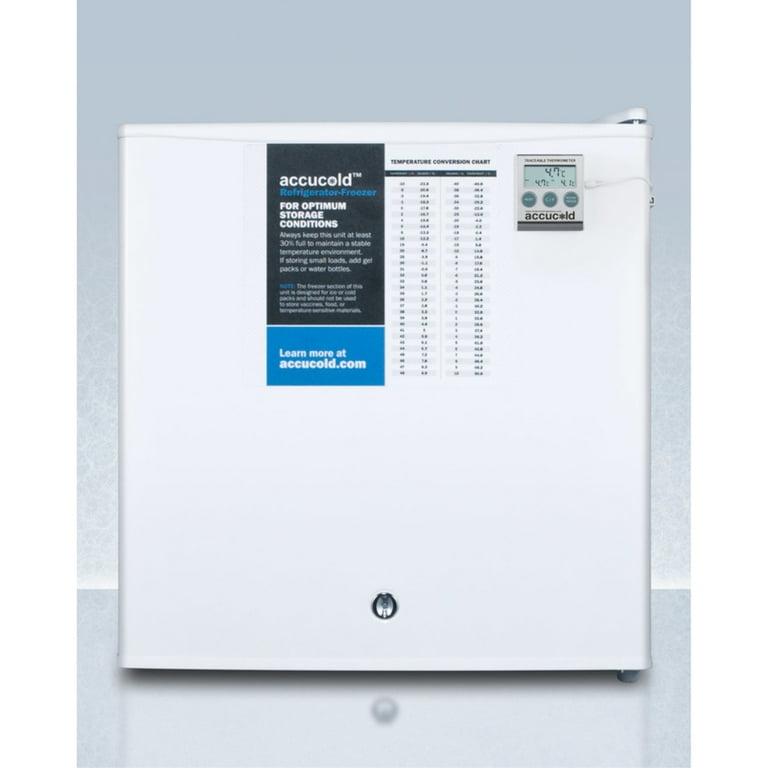
Keeping a compact refrigerator clean is important for its performance and your health. Dirt and spills inside can cause bad smells and affect the food quality. Dust on the outside may block air flow and make the fridge work harder. A simple cleaning routine helps avoid these problems and keeps the fridge fresh.
Cleaning The Interior
Start by unplugging the refrigerator. Remove all food items and shelves carefully. Use a soft cloth and warm water with mild soap to wipe inside surfaces. Avoid harsh chemicals that can damage the lining. Dry the interior fully before putting shelves and food back.
Wiping The Exterior
Use a damp cloth to clean the outside walls and door. Wipe handles and seals where dirt builds up. Avoid spraying water directly on the fridge. Dry all parts well to prevent rust and water marks. Keep the vents dust-free for better air flow.
Defrosting When Needed
Some compact fridges build ice over time. Thick ice reduces cooling power and wastes energy. Turn off the fridge and remove all items. Leave the door open to let the ice melt. Use a towel to catch water drips. Clean and dry the interior before turning it on again.
Temperature Settings
Setting the right temperature in your compact refrigerator is key to keeping your food fresh and safe. The temperature controls how well your fridge cools and how long your items last. It also affects the energy your fridge uses. Knowing the best temperature helps you avoid spoilage and saves electricity.
Optimal Cooling Temperature
The best temperature for a compact fridge is between 35°F and 38°F (1.7°C to 3.3°C). This range keeps food cold without freezing it. Too cold can freeze drinks and damage fresh produce. Too warm allows bacteria to grow faster. Use a fridge thermometer to check the temperature often.
Adjusting For Different Seasons
Summer heat can make your fridge work harder. Set the temperature closer to 35°F to keep things cool. In winter, the fridge may run less, so raise the temperature to around 38°F. This prevents items from freezing. Change settings slowly and watch how your fridge responds to avoid spoilage or freezing.

Managing The Contents
Managing the contents of a compact refrigerator is key to keeping it efficient and clean. Proper content management helps the fridge cool better and saves energy. It also makes finding your food easier.
Organizing what you store can extend the life of your food. It reduces waste and keeps your fridge smelling fresh. Follow simple steps to keep things neat and safe inside.
Avoid Overloading
Do not pack your fridge too full. Overloading blocks cold air from circulating. This causes uneven cooling and makes the fridge work harder. Leave space between items for air to flow freely.
Organizing For Airflow
Place larger items at the back and smaller ones in front. Keep tall bottles and jars upright. Use shelves and bins to separate food types. This setup helps air move around food easily.
Checking Expiration Dates
Regularly check the expiration dates on your food. Throw away anything expired or spoiled. This keeps your fridge clean and prevents bad smells. It also protects your health by avoiding spoiled food.
Maintaining Door Seals
Maintaining the door seals of your compact refrigerator is key to keeping it efficient. Door seals stop cold air from escaping. This helps the fridge use less energy. It also keeps your food fresh longer. Checking and caring for the seals regularly prevents leaks and damage.
Inspecting For Damage
Look closely at the door seals for cracks or tears. Small breaks let cold air out and warm air in. Check the seals around the entire door edge. Press gently to find soft or loose spots. Replace damaged seals to keep the fridge working well.
Cleaning The Gaskets
Clean the door seals every few weeks. Use a soft cloth and warm, soapy water. Avoid harsh cleaners that can dry out the rubber. Remove dirt and sticky residue that prevent a tight seal. Dry the gaskets completely after cleaning.
Ensuring Proper Closure
Make sure the fridge door closes tightly every time. Avoid overfilling the fridge as it stops the door from closing. Close the door slowly and firmly. Check the seal by closing the door on a piece of paper. If you can pull it out easily, the seal may need fixing.
Power And Energy Tips
Saving energy with your compact refrigerator helps lower electricity bills and protects the environment. Small changes in how you use and power your fridge can make a big difference. This section shares simple tips to manage power and energy wisely for your compact refrigerator.
Using Energy Efficient Settings
Check your refrigerator’s temperature settings. Keep it between 37°F and 40°F for the fridge and 0°F for the freezer. Avoid setting it colder than needed. Use any energy-saving mode if your fridge has one. These settings reduce power use without affecting food safety.
Place the fridge away from heat sources like ovens or direct sunlight. Heat makes the fridge work harder. Keep the vents clear and clean. Good airflow helps the fridge run efficiently.
Unplugging When Not In Use
Turn off and unplug the fridge if you will not use it for several days. This saves energy and prevents wear. Empty and clean the fridge before unplugging. Leave the door open slightly to stop smells and mold.
For short breaks, like a weekend away, keep it plugged in. Opening the door often wastes energy. Plan to keep the door closed to maintain cold air.
Troubleshooting Common Issues
Troubleshooting common problems helps keep your compact refrigerator working well. Small issues can stop it from cooling or cause leaks. Fixing these problems quickly saves money and time. This guide covers easy steps to handle typical troubles.
No Cooling
Check if the refrigerator is plugged in and switched on. Clean the vents to let air flow freely. Make sure the door closes tightly without gaps. If the fridge is overloaded, remove some items to improve cooling. Defrost the freezer if ice blocks the airflow. A faulty thermostat might need professional help.
Unusual Noises
Listen for sounds like buzzing, clicking, or rattling. Clean the condenser coils to reduce noise. Make sure the fridge is level and stable on the floor. Check for loose parts or items inside that could cause noise. A worn-out fan or compressor may need repair or replacement.
Water Leaks
Look for water pooling under or around the fridge. Clean the drip pan and check the drain hole for blockages. Make sure the door seal is intact and not letting warm air in. Avoid overfilling the fridge to prevent excess moisture. If leaks persist, inspect the water line or call a technician.
Frequently Asked Questions
How Often Should I Clean A Compact Refrigerator?
Clean your compact refrigerator every 3 months to maintain hygiene and efficiency. Wipe shelves and walls with mild detergent and water. Regular cleaning prevents mold, odors, and keeps food fresh longer.
What Temperature Is Best For A Compact Refrigerator?
Set your compact refrigerator temperature between 37°F and 40°F (3°C to 4°C). This range keeps food fresh and prevents spoilage. Avoid extreme settings to save energy and maintain optimal cooling.
How Can I Prevent Odors In My Compact Fridge?
Use baking soda or activated charcoal inside to absorb odors. Keep food sealed properly and remove expired items regularly. Clean spills immediately to maintain a fresh-smelling fridge.
What Items Should I Avoid Storing In A Compact Fridge?
Avoid storing large, bulky items that block airflow. Do not store hot or warm food directly inside. Also, avoid placing fruits like bananas and potatoes which spoil faster in cold temperatures.
Conclusion
Maintaining your compact refrigerator keeps it working well for years. Clean the coils and door seals often to save energy. Avoid overloading to help air circulate inside properly. Regularly check the temperature to keep food fresh. Small efforts prevent big problems later.
A well-cared fridge means fewer repairs and lower bills. Stay consistent with these simple steps. Your fridge will thank you with better performance. Easy habits make a big difference in the long run.

