
Are you wondering how to keep your deep freezer running smoothly for years? Maintaining your deep freezer properly can save you money, protect your food, and prevent unexpected breakdowns.
You’ll discover simple and effective tips that anyone can follow to ensure your freezer stays in top shape. By the time you finish reading, you’ll feel confident in caring for your deep freezer—and avoid costly repairs or food loss. Let’s dive into the easy steps you can start using today!
Choosing The Right Location
Choosing the right location for your deep freezer is key to keeping it working well. A good spot helps the freezer run efficiently and last longer. Pick a place that protects your freezer and keeps it cool. Consider space, temperature, and surface. These factors affect your freezer’s performance and energy use.
Avoiding Heat Sources
Keep your freezer away from heat sources like ovens, heaters, or direct sunlight. Heat makes the freezer work harder to stay cold. This raises electricity bills and can damage the freezer. A cooler place saves energy and extends the freezer’s life.
Ensuring Proper Ventilation
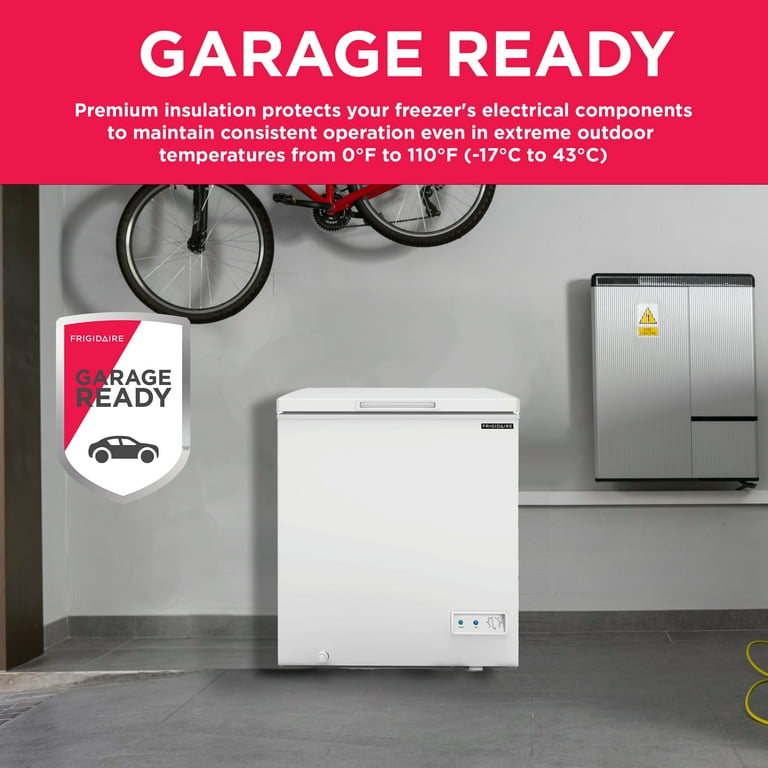
Deep freezers need space around them for air to flow. Good ventilation prevents overheating of the compressor. Leave some space between the freezer and walls. Avoid tight corners or crowded areas. Air moving freely helps the freezer cool properly and last longer.
Level Surface Importance
Place the freezer on a flat, level surface. A tilted freezer can cause problems with the compressor and door seals. Uneven surfaces may lead to leaks or poor cooling. A level base keeps the freezer stable and working smoothly.

Regular Cleaning Routine
Keeping your deep freezer clean is key to its long life and good performance. Dirt and ice buildup reduce its efficiency. A simple cleaning routine helps avoid bad smells and keeps food safe. Set a regular schedule for cleaning to keep things fresh and working well.
Defrosting Techniques
Turn off the freezer before defrosting. Remove all food and place it in a cooler. Leave the door open to let ice melt naturally. Use a bowl of warm water inside to speed up melting. Never use sharp tools to chip away ice. Dry all surfaces with a soft cloth after defrosting.
Cleaning Interior And Exterior
Use a mix of warm water and mild soap for cleaning. Wipe the inside walls and shelves gently. Avoid harsh chemicals that damage surfaces or leave smells. Clean the door seals carefully to keep them tight. For the outside, use a soft cloth and mild cleaner. Dry all parts completely before turning the freezer back on.
Deodorizing Tips
Place an open box of baking soda inside the freezer. Baking soda absorbs odors naturally and keeps smells away. Replace the box every three months for best results. You can also use activated charcoal for strong odors. Keep food sealed well to prevent smells from spreading. Regular cleaning stops odors before they start.
Temperature Management
Managing the temperature of your deep freezer is key to keeping food safe and fresh. The right temperature stops bacteria growth and keeps food quality high. It also helps save energy and prevents frost build-up. Paying attention to how you set and monitor the temperature extends your freezer’s life.
Optimal Temperature Settings
Set your deep freezer between -18°C and -20°C (0°F and -4°F). This range keeps food frozen without using too much energy. Too cold wastes electricity and can damage some foods. Too warm may cause thawing and spoilage. Check your freezer’s manual for the best temperature advice.
Using Thermometers
Use a freezer thermometer to check the actual temperature. Built-in displays can be inaccurate. Place the thermometer in the middle of the freezer for a true reading. Check it regularly to catch temperature changes early. Replace batteries or sensors if readings seem wrong.
Avoiding Frequent Door Opening
Opening the door often lets warm air inside. This forces the freezer to work harder to stay cold. Keep door openings short and quick. Plan what you need before opening the freezer. This simple habit keeps the temperature stable and saves energy.
Organizing Frozen Items
Keeping your deep freezer organized helps save time and reduces food waste. It makes finding items easier and keeps the freezer running efficiently. Organizing frozen items properly ensures food stays fresh longer and prevents messes.
Proper Packaging
Use airtight containers or freezer bags to store food. Remove as much air as possible to prevent freezer burn. Wrap items tightly with plastic wrap or aluminum foil for extra protection. Proper packaging keeps food fresh and avoids odors mixing.
Labeling And Dating
Write the name and date on each package clearly. Use waterproof markers or labels that stick well in cold conditions. Labeling helps identify food quickly without opening packages. Dating shows how long the item has been frozen, so you can use older items first.
Rotation Practices
Place new items behind older ones to use the oldest food first. Follow the “first in, first out” method to reduce waste. Check your freezer regularly and move items to keep the order. Rotating food keeps your freezer organized and your meals fresh.
Inspecting And Maintaining Seals
Seals play a key role in keeping your deep freezer cold and efficient. A good seal stops warm air from entering and cold air from escaping. Regular inspection and maintenance of seals help save energy and keep food fresh longer.
Checking Door Gaskets
Start by examining the door gaskets for cracks or tears. Run your fingers along the gasket to feel for soft spots or breaks. Clean the gasket with warm, soapy water to remove dirt and debris. Dirt can stop the gasket from sealing properly. Close the door on a piece of paper and try to pull it out. If the paper slides out easily, the gasket may need attention.
Replacing Damaged Seals
Replace seals that show signs of wear or damage. Purchase the correct gasket model for your freezer brand and size. Remove the old seal by pulling it gently from the door frame. Install the new gasket by pressing it firmly into the groove. Make sure it fits evenly around the door edges. A proper fit prevents cold air leaks and reduces energy use.
Ensuring Tight Closure
Check that the door closes tightly every time. Misaligned doors cause poor sealing and temperature loss. Adjust the door hinges if the door is uneven or hard to close. Keep the freezer level to support a good seal. A tight closure keeps your freezer running efficiently and protects stored food.
Troubleshooting Common Issues
Troubleshooting common issues in a deep freezer helps keep it working well. Knowing how to fix small problems saves time and money. It also protects your food from spoiling.
Read on to learn about three frequent issues: unusual noises, frost buildup, and temperature fluctuations. Each problem has simple steps to solve it.
Unusual Noises
Strange sounds may mean something is wrong inside the freezer. A loud humming or clicking noise often comes from the fan or compressor. Dirt or ice can block the fan blades, causing noise.
Clean the fan and remove any ice gently. Check if the freezer is level. Uneven placement can cause vibrations and noise. Tighten loose parts or screws to stop rattling sounds.
Frost Buildup
Frost inside the freezer makes it less efficient. It happens when warm air enters through a bad seal or frequent door openings. Thick frost can block vents and reduce cooling.
Defrost the freezer manually by unplugging it and letting ice melt. Clean the door gasket to keep a tight seal. Avoid opening the door too often or leaving it open for long.
Temperature Fluctuations
When the freezer’s temperature changes a lot, food can spoil. Check if the thermostat is set to the right temperature, usually around 0°F (-18°C). A faulty thermostat or sensor may cause wrong readings.
Clear any blocked vents inside the freezer for good airflow. Keep the freezer away from heat sources like ovens or direct sunlight. If problems persist, call a technician for help.
Energy Efficiency Tips
Saving energy with your deep freezer helps cut costs and protects the environment. Small changes in how you use and care for your freezer can make a big difference. Follow these simple energy efficiency tips to keep your freezer running well and using less power.
Avoiding Overloading
Do not pack your freezer too full. Air needs space to flow around food. Good air circulation keeps the freezer cold without extra power. Overloading forces the freezer to work harder and use more energy. Keep items organized and avoid blocking vents inside.
Using Energy-saving Modes
Check if your freezer has an energy-saving mode. This mode adjusts the temperature to save power while keeping food safe. Use this setting when you store less food or during cooler seasons. Energy-saving modes help reduce electricity bills without losing freezer performance.
Regular Maintenance Checks
Clean the freezer coils at least twice a year. Dust and dirt on coils reduce efficiency and increase energy use. Check door seals for cracks or gaps. A tight seal keeps cold air inside and cuts down energy waste. Fix any problems quickly to maintain good energy use.

Frequently Asked Questions
How Often Should I Defrost My Deep Freezer?
Defrost your deep freezer every 6 months or when ice buildup exceeds 1/4 inch. This improves efficiency and saves energy. Regular defrosting prevents frost damage and keeps your freezer running smoothly.
What Temperature Is Ideal For A Deep Freezer?
Set your deep freezer temperature between -18°C (0°F) and -20°C (-4°F). This keeps food fresh and safe for longer periods. Consistent temperature prevents spoilage and maintains food quality effectively.
How Do I Clean The Inside Of A Deep Freezer?
Unplug the freezer and remove all items first. Use a mixture of warm water and mild detergent to wipe the interior. Dry thoroughly before plugging it back in to avoid mold and odors.
Can I Store Fresh Fruits Directly In A Deep Freezer?
Yes, but wash and dry fruits before freezing. Use airtight containers or freezer bags to prevent freezer burn. Proper packaging maintains fruit quality and extends shelf life.
Conclusion
Maintaining your deep freezer keeps food fresh and saves money. Clean it regularly to stop smells and frost build-up. Check seals often to keep cold air inside. Avoid overloading to let air circulate well. Defrost when ice gets thick to keep it working right.
Small steps protect your freezer and your food. A little care goes a long way. Keep these tips in mind for a smooth experience. Your deep freezer will last longer and work better. Simple habits make a big difference every day.

