
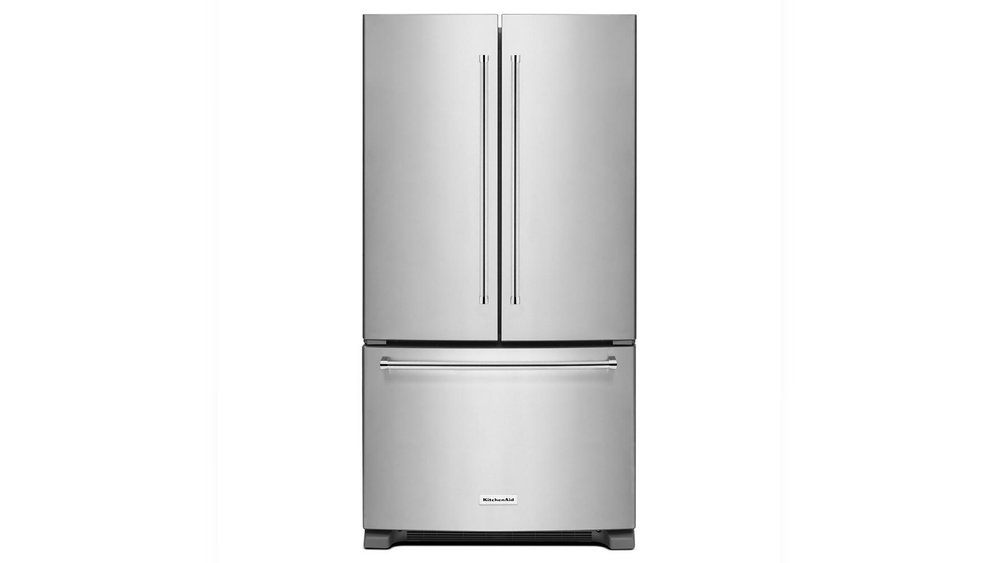
Your French door refrigerator is more than just an appliance—it’s the heart of your kitchen. Keeping it running smoothly saves you money and keeps your food fresh longer.
But do you know the simple steps to maintain it properly? You’ll discover easy tips that protect your investment and prevent costly repairs. By following these straightforward tricks, you’ll enjoy a cooler, cleaner, and more efficient fridge every day. Ready to unlock the secrets to a well-maintained French door refrigerator?
Let’s dive in!
Cleaning The Exterior
Cleaning the exterior of your French door refrigerator keeps it looking fresh and new. Dirt, fingerprints, and spills can build up quickly. Regular cleaning helps prevent stains and damage. It also keeps your kitchen neat and tidy.
Choosing The Right Cleaning Products
Select gentle cleaners made for stainless steel or smooth surfaces. Avoid harsh chemicals or abrasive pads. These can scratch or dull the finish. Mild soap mixed with water works well for most surfaces. Always check the label to avoid damage.
Wiping Stainless Steel Surfaces
Maintaining Door Seals
Door seals keep cold air inside and save energy. Clean them regularly with warm, soapy water. Use a soft brush to reach tight spots. Check for cracks or damage to prevent leaks. Dry seals fully before closing the doors.
Organizing The Interior
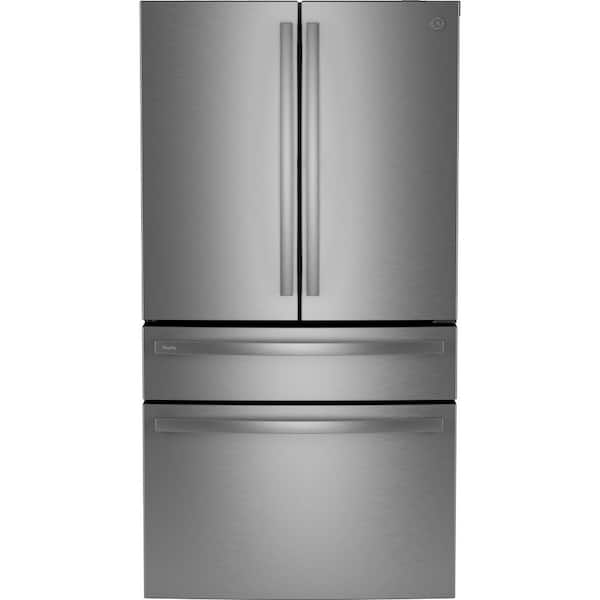
Keeping the inside of your French door refrigerator neat helps food last longer. A well-organized fridge saves time and reduces waste. It also makes cleaning easier and keeps the fridge working well.
Optimal Shelving Arrangements
Place items you use often on shelves at eye level. Use the top shelves for leftovers and ready-to-eat foods. The middle shelves are good for dairy products like milk and cheese. Store raw meat on the bottom shelf to avoid drips. Adjust shelves to fit tall bottles or large containers.
Storing Different Food Types
Keep fruits and vegetables in separate drawers to keep them fresh. Store raw meat and seafood on trays or plates to catch juices. Use airtight containers to keep leftovers fresh and stop smells. Keep eggs in their original carton to protect them. Avoid storing strong-smelling foods near fresh foods.
Avoiding Overcrowding
Do not pack the fridge too full. Air needs space to flow and keep food cold. Overcrowding makes the fridge work harder and wastes energy. Leave space between items for easy access. Check and remove expired or unused food regularly.
Temperature Management
Proper temperature management keeps your French door refrigerator working well. It helps food stay fresh and safe for longer. Setting the right temperature and checking it often can save energy and prevent spoilage.
Setting Ideal Temperatures
Set your refrigerator between 37°F and 40°F (3°C to 4°C). The freezer should be at 0°F (-18°C). These temperatures keep food fresh and stop bacteria growth. Avoid setting temperatures too low or too high.
Using Built-in Temperature Controls
Use the fridge’s control panel to adjust settings. Most models have easy-to-use buttons or dials. Follow the user manual for specific instructions. Some fridges offer separate controls for each door or compartment.
Monitoring Temperature Consistency
Check the temperature regularly with a fridge thermometer. Make sure the temperature stays steady. Large changes can cause food to spoil or freeze. Avoid opening the doors too often to keep the temperature stable.
Checking And Cleaning The Coils
Checking and cleaning the coils of your French door refrigerator helps it run better. Dirt and dust on the coils make the fridge work harder. This uses more energy and can shorten its life. Regular coil care keeps your fridge cool and efficient.
Locating The Coils
Coils are usually at the back or underneath the fridge. Look for a metal grid or set of tubes. Some models have a front kick plate you can remove. Check your fridge manual for exact coil location.
Safe Cleaning Techniques
Unplug the fridge before cleaning coils for safety. Use a coil cleaning brush or a soft vacuum hose. Gently remove dust and dirt without damaging the coils. Avoid using water or harsh chemicals on the coils.
Recommended Cleaning Frequency
Clean the coils every six months to keep the fridge efficient. More frequent cleaning helps if you have pets or dust in your home. Regular cleaning prevents overheating and lowers electricity bills.
Maintaining The Water And Ice Dispenser
The water and ice dispenser in your French door refrigerator adds great convenience. It provides cold water and ice cubes quickly. Proper care keeps it working well and tasting fresh. Regular maintenance prevents clogs and bad smells. Clean parts and replace filters on time. This section explains how to maintain your dispenser easily.
Replacing Water Filters
Change the water filter every six months for clean water. Old filters reduce water flow and taste. Find the filter inside the fridge or at the base. Turn off the water supply before removing the old filter. Insert the new filter firmly until it clicks. Flush water for a few minutes to clear air and particles.
Cleaning Dispenser Components
Clean the dispenser tray and nozzle weekly. Use a soft cloth and mild soap with warm water. Avoid harsh chemicals that can damage parts. Wipe away any mold or mineral buildup. Dry all components before reassembling. Clean the drip tray to stop mold and spills.
Troubleshooting Common Issues
If the dispenser stops working, check the water supply first. Make sure the water line is not kinked or frozen. Clear any ice blockages in the dispenser chute. Reset the dispenser by turning the fridge off and on. Replace the water filter if the flow is slow. Contact a technician if problems continue.
Handling Door Alignment And Hinges
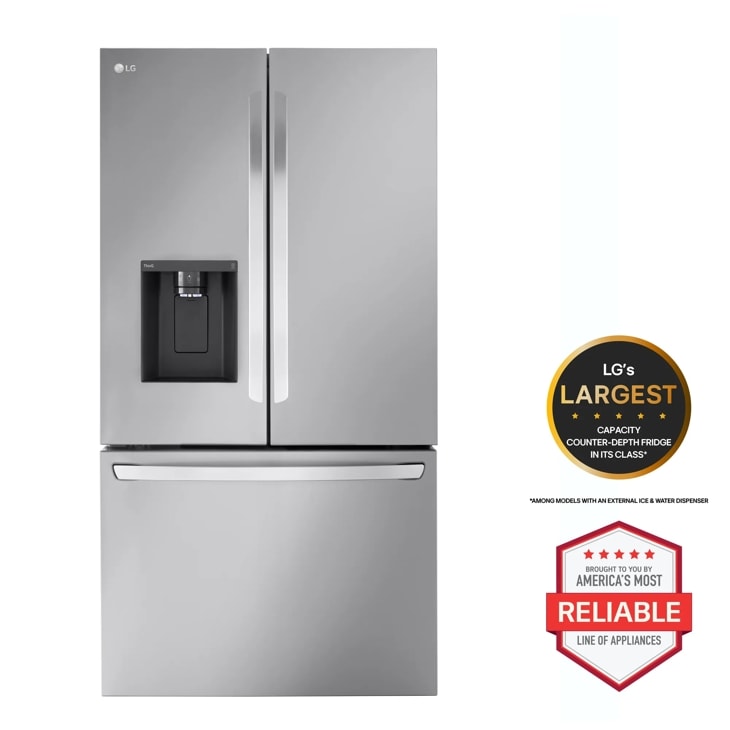
Handling door alignment and hinges is key to keeping your French door refrigerator working well. Misaligned doors can cause cold air to escape. This makes the fridge work harder and wastes energy. Proper care of hinges keeps doors opening smoothly and prevents damage over time.
Inspecting Door Alignment
Check your fridge doors regularly. They should close evenly and sit flush with the fridge body. Look for gaps or uneven spaces along the edges. Doors that do not line up can let cold air out. This causes the fridge to run more and raises your energy bill.
Make sure the doors open and close without resistance. Notice any unusual sounds or sticking. These signs mean the alignment may be off or the hinges need care.
Adjusting Hinges
Adjusting the hinges helps fix door alignment issues. Most French door refrigerators have adjustable screws on the hinges. Use a screwdriver to gently turn these screws. Small turns can raise, lower, or move the door side to side.
Adjust slowly. Check the door position often. Stop when the doors close evenly and seal tightly. Tighten all screws after adjustment to keep doors secure.
Preventing Door Damage
Handle doors carefully to avoid damage. Avoid slamming doors. Close them with a gentle push. Keep the area around the fridge clear of obstacles. This prevents doors from hitting walls or furniture.
Clean hinges regularly to stop dirt buildup. Dirt can cause hinges to wear out or become stiff. Use a soft cloth and mild cleaner. Dry the hinges well after cleaning.
Defrosting And Dealing With Frost Build-up
Frost build-up in a French door refrigerator can cause problems. It reduces space and makes the fridge work harder. Defrosting is important to keep the fridge running well and save energy. Knowing when and how to defrost helps maintain your appliance.
When To Defrost
Check for frost if you see ice on shelves or walls. Frost thicker than a quarter inch needs defrosting. Also, if the fridge sounds louder or cools less, frost might be the cause. Regular checks prevent big frost problems.
Safe Defrosting Methods
Turn off the fridge and unplug it before defrosting. Use a bowl of warm water inside to speed up melting. Avoid sharp tools; they can damage the fridge. Wipe water with a cloth to keep the area dry. Patience is key for safe defrosting.
Preventing Frost Accumulation
Keep the fridge doors closed tightly after use. Check the door seals for cracks or damage. Avoid placing hot food directly inside the fridge. Regularly clean the fridge to stop frost build-up. These steps help keep frost away longer.
Scheduling Professional Maintenance
Scheduling professional maintenance for your French door refrigerator keeps it running smoothly. Experts can spot small problems early. This saves you money and avoids big repairs. Regular check-ups help your fridge work efficiently all year.
Signs You Need A Technician
Listen to strange noises from the fridge. Check if it does not cool properly. Look for water leaks or frost buildup inside. Notice if the doors do not seal tightly. These signs mean a technician should inspect your fridge.
Routine Service Checks
Technicians clean coils and check the compressor. They test the temperature controls and door seals. They ensure the fans and lights work well. These routine checks keep your fridge in good shape. Schedule service every 12 months for best results.
Benefits Of Regular Maintenance
Regular service improves cooling performance. It lowers energy costs by keeping the fridge efficient. Maintenance extends the fridge’s lifespan. It prevents unexpected breakdowns and food spoilage. Your fridge stays clean and safe for your family.

Frequently Asked Questions
How Often Should I Clean My French Door Refrigerator?
Clean your French door refrigerator every 3 to 4 months. Wipe shelves, drawers, and door seals with mild soap and water. Regular cleaning prevents odors and maintains efficiency.
What Is The Best Temperature For A French Door Fridge?
Set your French door refrigerator to 37-40°F (3-4°C). The freezer should be at 0°F (-18°C). This keeps food fresh and safe.
How Do I Prevent Frost Buildup In The Freezer?
Avoid leaving the freezer door open for long. Check door seals for leaks and defrost manually if frost exceeds 1/4 inch. Proper sealing reduces frost buildup.
Why Is My French Door Refrigerator Making Noise?
Normal sounds include humming or clicking from the compressor or fans. Loud or unusual noises may indicate a mechanical issue. Check for loose parts and clean coils.
Conclusion
Keeping your French door refrigerator clean and organized saves energy. Check seals and clean coils regularly to avoid problems. Defrost when ice builds up to keep it working well. Store food properly to keep it fresh longer. These simple steps help your fridge last longer and work better.
A little care goes a long way in saving money. Enjoy fresh food and a cooler kitchen every day. Simple habits make a big difference in fridge maintenance. Stay consistent, and your French door refrigerator will serve you well.

