
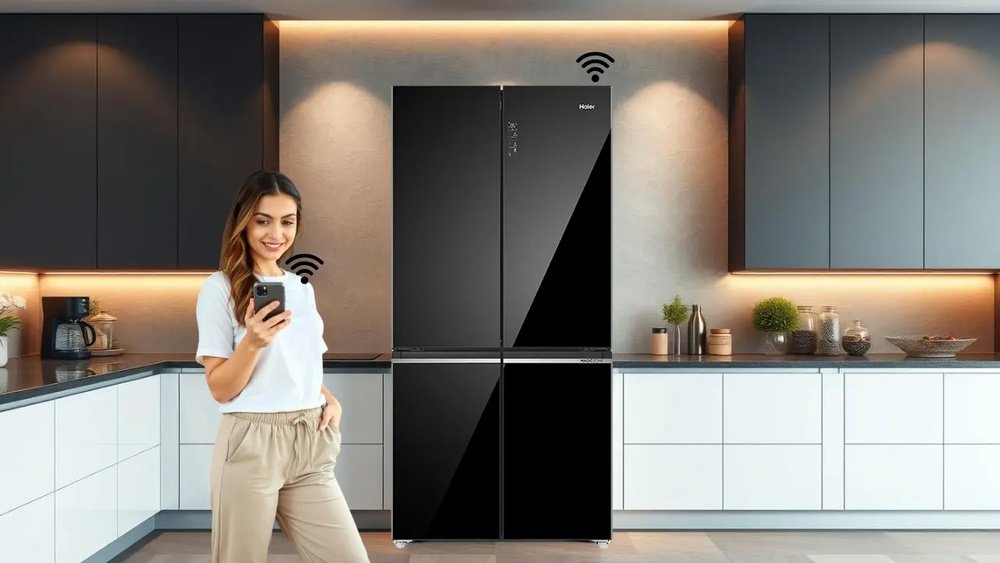
Your smart refrigerator is more than just a kitchen appliance—it’s a powerful helper that keeps your food fresh and your life organized. But to get the most out of it, you need to take good care of it.
Imagine avoiding costly repairs, keeping your food fresher for longer, and enjoying all the features your smart fridge offers without any hiccups. You’ll discover simple, effective steps to maintain your smart refrigerator easily. Keep reading to unlock the secrets that will save you time, money, and frustration.
Choosing The Right Location
Choosing the right location for your smart refrigerator is very important. The spot affects how well the fridge works and how long it lasts. A good location helps save energy and keeps your food fresh. Consider sunlight, ventilation, and heat sources when placing your fridge.
Avoid Direct Sunlight
Direct sunlight makes the fridge work harder to stay cool. The heat from the sun raises the fridge’s temperature. This causes more energy use and wear on parts. Place the fridge in a shaded area or away from windows.
Ensure Proper Ventilation
Ventilation helps the fridge release heat. Without airflow, the fridge’s motor gets hot. This reduces efficiency and can cause damage. Leave space around the fridge for air to flow freely. Check vents regularly to keep them clear.
Keep Away From Heat Sources
Heat sources like ovens, dishwashers, or heaters cause the fridge to work harder. The extra heat makes cooling less effective. Keep the fridge at least a few feet away from these appliances. This lowers energy use and protects your fridge.
Regular Cleaning Practices
Regular cleaning keeps your smart refrigerator working well and looking fresh. Dirt and spills can cause bad smells and affect food quality. Clean parts stop bacteria growth and save energy. Follow these simple steps often for best results.
Clean The Interior And Shelves
Remove all food before cleaning inside. Use warm water and mild soap to wipe shelves. Avoid harsh chemicals that can damage surfaces. Dry shelves completely before putting food back. Clean spills right away to prevent stains and odors.
Wipe Down The Door Seals
Door seals keep cold air inside. Dirt can stop seals from closing well. Use a soft cloth with warm, soapy water to clean seals. Check for cracks or tears and replace if needed. Clean seals help save energy and keep food fresh longer.
Maintain The Exterior Surfaces
Wipe the outside with a damp cloth regularly. Use gentle cleaners safe for your fridge’s finish. Pay special attention to handles and touchscreens. Keeping the exterior clean improves your kitchen’s look. It also prevents dust buildup that can affect fridge performance.
Managing Temperature Settings
Managing temperature settings in a smart refrigerator is key to keeping food fresh and saving energy. Setting the right temperature helps prevent spoilage and reduces electricity use. Smart fridges often come with easy controls to adjust temperatures for different needs. Understanding how to use these settings improves your fridge’s performance and extends food life.
Optimal Temperature Range
Keep the fridge temperature between 37°F and 40°F (3°C to 4°C). This range keeps most foods fresh without freezing them. Set the freezer at 0°F (-18°C) for best results. Temperatures too low can freeze fresh food, while too high can cause spoilage. Use your smart fridge’s display to check and set these numbers.
Adjusting For Seasonal Changes
Temperatures outside affect how your fridge works. In hot weather, lower the fridge temperature slightly to keep food cool. In colder months, you can raise it a bit to save energy. Many smart refrigerators adjust automatically for seasonal changes. Check these settings regularly to ensure they match the current weather.
Using Energy-saving Modes
Smart refrigerators often have energy-saving modes. These modes reduce power use during low activity times. Use energy-saving mode when you travel or store fewer items. This mode keeps temperatures safe while cutting electricity costs. Activate it through your fridge’s app or control panel.
Checking And Replacing Filters
Smart refrigerators use filters to keep your water clean and air fresh. Checking and replacing these filters helps your fridge work well. It also keeps your food safer and tastes better. Regular care of water and air filters prevents problems and saves money.
Water Filter Maintenance
Water filters remove impurities from drinking water. Change the water filter every six months. Some models show a light to remind you. Always use filters made for your fridge model. Flush the new filter with water before use. This clears out any loose particles.
Air Filter Care
Air filters stop bad smells inside the fridge. Clean or replace the air filter every three to six months. Gently vacuum dust from the filter if reusable. Replace it if it looks dirty or damaged. Good air filters help keep your fridge smelling fresh.
Signs It’s Time To Replace
Water tastes strange or smells bad. Ice cubes look cloudy or have particles. Fridge smells unpleasant or stale. Filter indicator light turns on. Water flow is slower than usual. These signs show it is time to change filters. Timely replacement keeps your fridge working smoothly.
Updating Software And Firmware
Updating the software and firmware of your smart refrigerator is important. It helps the appliance run smoothly and securely. These updates fix bugs, add new features, and improve performance.
Keeping your smart fridge up to date ensures it works well with other smart devices. Updates can also protect your fridge from security threats. Regular updates keep your refrigerator fresh and efficient.
Connecting To Wi-fi
To update your smart refrigerator, it must connect to Wi-Fi. Check the settings menu on the fridge screen. Enter your home Wi-Fi name and password. A strong Wi-Fi signal helps the update process go faster. Make sure the connection stays stable during updates.
Automatic Vs Manual Updates
Some smart refrigerators update automatically. This means updates install without your action. Others need manual approval. You must start the update yourself. Automatic updates save time and effort. Manual updates give you control over timing. Choose the option that fits your routine best.
Benefits Of Keeping Software Current
Updated software improves fridge performance and efficiency. It fixes bugs that cause errors or freezes. New features may be added to improve user experience. Updates can enhance security and protect your data. Your fridge stays compatible with new apps and devices. Regular updates extend the life of your appliance.
Handling Repairs And Troubleshooting
Handling repairs and troubleshooting for a smart refrigerator can feel tricky. These appliances have advanced technology and many parts. Knowing common problems and how to fix them saves time and effort. It also helps keep the fridge working well longer. This section covers common issues, when to call a professional, and tips to prevent problems.
Common Issues And Fixes
Smart refrigerators may face sensor errors or display problems. Check if the screen is unresponsive by restarting the fridge. A simple reset often fixes minor glitches.
Another issue is the fridge not cooling properly. Check if the vents are blocked or if the door seals are dirty. Clean seals with warm water to improve the seal.
Sometimes, water leaks inside the fridge. This may happen if the drain hole is clogged. Clear the drain with a soft brush or pipe cleaner carefully.
When To Call A Professional
Some problems need expert help. Call a professional if the fridge makes loud noises or stops working completely. Electrical or complex sensor issues also require a technician.
Do not try to fix wiring or sealed parts. These repairs need special tools and knowledge. A professional ensures the fridge stays safe and efficient.
Preventative Maintenance Tips
Clean the fridge regularly to avoid buildup of dirt and dust. Wipe the door seals and check for cracks. Replace damaged seals to save energy.
Keep the vents clear for good air flow. Defrost the freezer if ice builds up. Regular checks help spot problems early.
Update the fridge software if available. Updates fix bugs and improve performance. Use the app or settings menu for updates.
Maximizing Energy Efficiency
Maximizing energy efficiency in your smart refrigerator helps reduce electricity bills. It also extends the appliance’s lifespan and supports the environment. Small changes can make a big difference in energy use.
Understanding how to load your fridge, use smart features, and track energy use is key. These steps make your refrigerator work smarter, not harder.
Proper Loading Techniques
Place items evenly inside the fridge to allow good air flow. Avoid overfilling shelves, which blocks cold air and wastes energy. Keep the fridge door closed as much as possible to keep cold air inside. Store warm food only after it cools down to save energy.
Using Smart Features Wisely
Set temperature controls to the recommended levels, usually 37-40°F for the fridge. Use vacation or eco modes when away for long periods. Avoid changing settings too often; it makes the fridge work harder. Take advantage of alerts for open doors or temperature changes to avoid energy loss.
Monitoring Energy Consumption
Check your fridge’s energy use regularly through its app or display. Look for unusual spikes that may indicate a problem. Use data to adjust settings for better efficiency. Tracking energy helps prevent costly repairs and keeps the fridge running smoothly.
Frequently Asked Questions
How Often Should I Clean A Smart Refrigerator?
Clean your smart refrigerator every 3 to 4 months. Wipe the interior, shelves, and door seals to prevent odors and mold. Regular cleaning keeps the appliance efficient and hygienic.
How Do I Update The Software On My Smart Fridge?
Check your refrigerator’s settings menu for software updates. Connect it to Wi-Fi and follow on-screen instructions. Keeping software updated improves performance and adds new features.
What Temperature Is Ideal For A Smart Refrigerator?
Set the fridge temperature between 37°F and 40°F (3°C to 4°C). This range keeps food fresh without freezing. For the freezer, maintain 0°F (-18°C) for optimal preservation.
Can I Control My Smart Fridge Remotely?
Yes, most smart refrigerators allow remote control via a mobile app. You can adjust settings, monitor inventory, and receive alerts from anywhere. This adds convenience and helps manage food better.
Conclusion
Keeping a smart refrigerator clean and updated helps it work well. Check filters and sensors often to avoid problems. Store food properly to keep it fresh longer. Regular care saves energy and cuts repair costs. Small habits make a big difference in performance.
Enjoy fresh food and lower electricity bills. Smart fridges last longer with simple maintenance steps. Stay mindful and your fridge will serve you well.

