
Your refrigerator works hard every day to keep your food fresh and your drinks cold. But what if it could serve you longer without breaking down or losing efficiency?
Imagine saving money on repairs and avoiding the hassle of replacing a major appliance sooner than necessary. You’ll discover simple, practical tips that help your fridge stay in top shape for years. Keep reading to unlock the secrets to making your refrigerator last longer—and protect your investment with ease.

Choose The Right Refrigerator
Choosing the right refrigerator is the first step to make it last longer. A good choice reduces wear and tear. It also saves energy and keeps food fresh. Consider several factors before buying to get the best fit for your home and needs.
Consider Size And Capacity
Pick a refrigerator size that matches your household. Too large wastes energy and space. Too small means overfilling and strain on the motor. Think about how many people live with you. Also, consider your cooking and storage habits. Choose a capacity that fits your daily needs comfortably.
Energy Efficiency Ratings
Look for refrigerators with high energy efficiency ratings. They use less electricity, which lowers bills. Energy-efficient models also reduce environmental impact. Check for labels like ENERGY STAR. These models last longer because they run cooler and smarter. Choose a refrigerator that balances efficiency with your budget.
Modern Features And Technology
Modern refrigerators come with helpful features. Some have smart sensors that adjust temperature automatically. Others have better insulation to keep cold air in. Features like frost-free technology reduce maintenance. These technologies protect the fridge’s parts and improve lifespan. Pick features that make daily use easier and support durability.

Proper Placement And Installation
Proper placement and installation play a big role in making a refrigerator last longer. A fridge placed in the right spot works better and uses less energy. Careful setup also stops damage and keeps it running smoothly.
Avoid Direct Sunlight
Keep the refrigerator away from windows or walls with direct sunlight. Sunlight heats the fridge, making it work harder to stay cool. This extra work can wear out parts faster. Choose a cool, shaded spot for your appliance.
Maintain Adequate Ventilation
Leave space around the refrigerator for air to flow. Ventilation helps the fridge cool down the compressor and coils. Without enough airflow, the fridge gets hot and less efficient. Follow the manufacturer’s guidelines for space around the sides and back.
Leveling The Appliance
Make sure the refrigerator is level on the floor. An uneven fridge can cause doors to close poorly or seals to break. Use a level tool and adjust the feet to balance the appliance. A stable fridge runs quietly and lasts longer.
Regular Cleaning And Maintenance
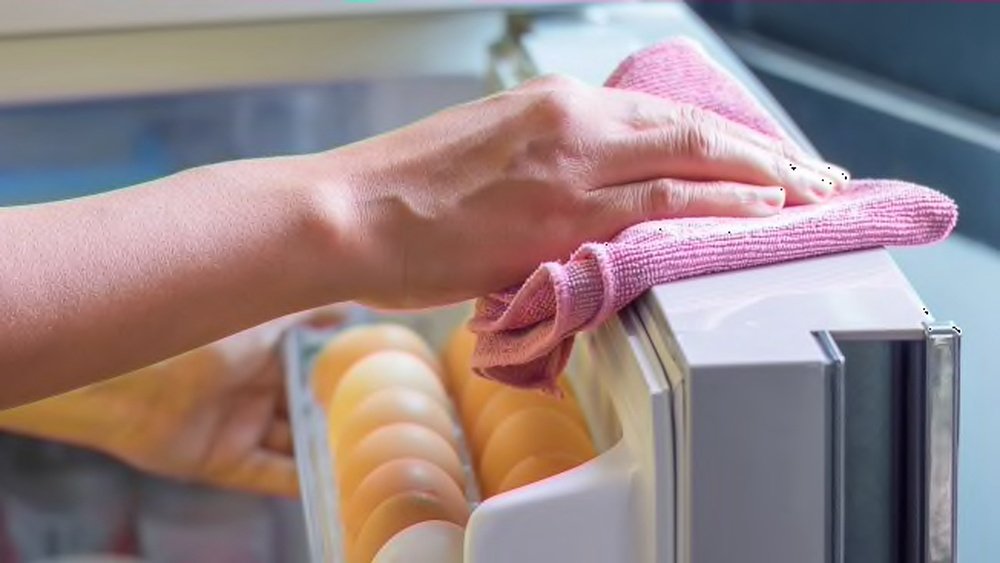
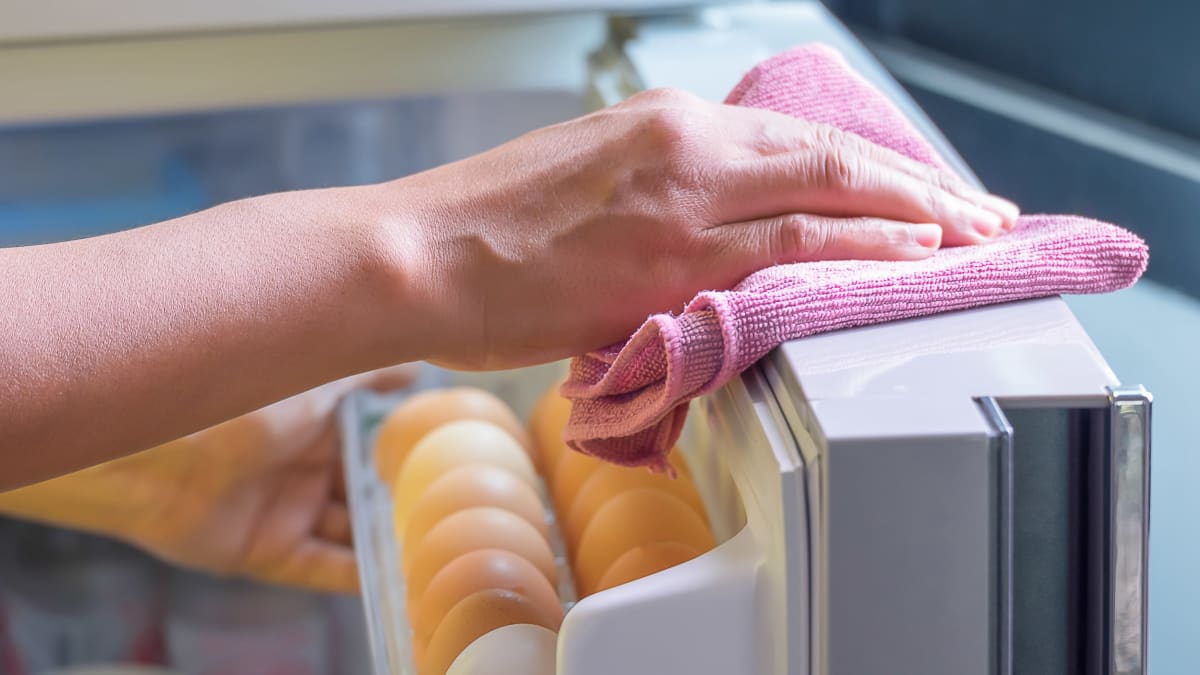
Regular cleaning and maintenance keep your refrigerator working well for years. Dirt and dust make the fridge work harder. This wastes energy and may cause damage. Simple care steps help save money and avoid repairs.
Clean Coils And Vents
Dust collects on coils and vents behind or under the fridge. This blocks airflow and makes the compressor run longer. Use a vacuum or brush to remove dust every three to six months. Clear vents ensure proper cooling and reduce energy use.
Defrost When Necessary
Frost buildup inside the freezer lowers efficiency. Thick ice stops cold air from moving freely. Defrost the freezer if frost is more than 1/4 inch thick. Turn off the fridge, remove food, and let ice melt. Wipe dry before turning it back on.
Check Door Seals
Door seals keep cold air inside the fridge. Broken or dirty seals let cold air escape. This forces the fridge to work harder and use more energy. Clean seals with warm water and mild soap. Replace seals if they are cracked or loose.
Optimize Temperature Settings
Setting the right temperature in your refrigerator helps it work well and last longer. Too cold or too warm can cause problems. Proper temperature keeps food fresh and saves energy. Adjusting settings carefully protects the fridge’s parts and reduces wear.
Ideal Temperature Range
The best fridge temperature is between 35°F and 38°F (2°C to 3°C). This range keeps food safe without making the fridge work hard. The freezer should stay at 0°F (-18°C). These settings stop bacteria growth and keep food fresh. Avoid setting the fridge too cold. It wastes energy and can freeze some foods.
Adjusting For Seasonal Changes
Temperature outside affects your fridge’s work. In hot seasons, lower the fridge temperature slightly. This helps keep food cool even in warm kitchens. In colder months, raise the temperature a little to save energy. Check the fridge temperature regularly. Use a thermometer for best results. Small changes help the fridge last longer and keep food fresh.
Organize Contents Efficiently
Keeping your refrigerator organized helps it work better and last longer. A neat fridge lets cold air flow freely. This keeps food fresh and cuts down on energy use. You can save money by avoiding food spoilage and repair costs. Simple steps make a big difference in fridge life.
Avoid Overloading
Do not pack your fridge too full. Overloading blocks air vents. Cold air cannot move around properly. This forces the fridge to work harder. It uses more energy and wears out faster. Leave space between items for air to flow. Organize food to use every inch wisely.
Proper Food Storage Techniques
Store food in clear containers to see contents easily. Wrap fruits and vegetables in paper towels to keep moisture right. Keep raw meat on the bottom shelf to avoid drips. Use airtight containers to stop smells and spills. Label leftovers with dates to prevent waste. Proper storage keeps food fresh longer and reduces fridge strain.
Handle Repairs Promptly
Handling refrigerator repairs quickly can save you from bigger problems. Small issues often become costly if ignored. Fixing problems early helps keep your fridge running longer. It also saves energy and reduces food waste. Pay attention to any strange sounds or changes in performance. Acting fast keeps your fridge in good shape.
Identify Common Issues
Look for signs like warm air inside the fridge. Frost build-up can mean a problem with the defrost system. Water leaks under the fridge show a blocked drain or broken seal. Strange noises often come from the fan or compressor. If the fridge runs constantly, the thermostat might be faulty. These issues need quick attention to avoid bigger damage.
When To Call A Professional
Some repairs require expert help. Do not try fixing electrical parts yourself. Call a technician if the fridge does not cool after simple fixes. Strange smells or smoke need immediate professional care. If you see water pooling and cannot find the source, get help. Professionals have tools and skills to fix problems safely and properly.
Energy-saving Habits
Energy-saving habits help your refrigerator work better and last longer. They reduce wear and save electricity. Small changes in daily use make a big difference. Follow these simple tips to keep your fridge efficient and durable.
Limit Door Opening Frequency
Opening the fridge door often lets cold air escape. The fridge then uses more power to cool down again. Try to open the door only when needed. Plan what you want before opening. Close the door quickly to keep the cold inside.
Allow Hot Food To Cool
Putting hot food directly in the fridge raises its temperature. This makes the fridge work harder to cool the food. Let hot dishes cool down to room temperature first. This saves energy and protects the fridge’s compressor.
Use Power-saving Modes
Many modern fridges have power-saving modes. These modes reduce energy use during low-activity times. Use these settings at night or when you are away. It lowers electricity bills and reduces strain on the appliance.
Frequently Asked Questions
How Often Should I Clean My Refrigerator Coils?
Clean refrigerator coils every 6 months to improve efficiency. Dust and dirt reduce cooling power and increase energy use.
What Temperature Keeps A Fridge Lasting Longer?
Set the fridge temperature between 37°F and 40°F. This range preserves food and prevents overworking the compressor.
How Can I Prevent Fridge Door Seal Damage?
Clean door seals regularly with warm soapy water. Avoid slamming the door and check seals for cracks or gaps.
Should I Avoid Overloading My Refrigerator?
Yes, avoid overloading to allow proper air circulation. Overcrowding forces the fridge to work harder, reducing its lifespan.
Conclusion
Taking care of your refrigerator helps it last many years. Clean the coils and check the door seals often. Keep the fridge at the right temperature. Avoid overloading it with too much food. Small steps like these save money and energy.
Your fridge will work better and use less power. Save time and avoid costly repairs. A little care goes a long way. Keep your food fresh and your fridge happy. Simple habits make a big difference in fridge life.

