

Do you crave delicate, paper-thin crepes that melt in your mouth every time? Imagine making them right in your own kitchen—light, golden, and perfectly thin.
It’s easier than you think, and once you master the simple steps, you’ll never want store-bought crepes again. In this guide, you’ll discover foolproof tips and tricks to create flawless crepes that impress everyone at your table. Ready to become a crepe pro?
Let’s dive in and make your crepe dreams come true!
Ingredients For Thin Crepes
Thin crepes taste best with simple, fresh ingredients. Each one plays a key role in the batter’s texture and flavor. Using the right ingredients helps you make crepes light and soft.
Measure ingredients carefully. This ensures your crepes cook evenly and have a smooth finish. Let’s look at the essential ingredients you need.
Flour For Thin Crepes
All-purpose flour works well for crepes. It gives a smooth, light batter. Avoid heavy or coarse flour types. Sift the flour before mixing to avoid lumps.
Eggs For Binding
Eggs hold the batter together. Use fresh eggs for the best results. They add richness and help crepes hold their shape during cooking.
Milk For Smooth Batter
Whole milk makes crepes tender and creamy. You can use low-fat milk for a lighter option. Warm milk blends better with flour and eggs.
Butter For Flavor And Texture
Melted butter adds flavor and stops batter from sticking. Use unsalted butter to control salt levels. Stir it in while the batter is warm.
Salt For Taste
A pinch of salt enhances all flavors. It balances the sweetness if you add sugar later. Use fine salt for even mixing.
Sugar For Sweet Crepes
Sugar is optional but adds slight sweetness. Use only a small amount to avoid thick batter. Perfect for dessert crepes or breakfast treats.

Choosing The Right Pan
Choosing the right pan is key to making perfect thin crepes at home. The pan affects how the batter spreads and cooks. A good pan helps create even, thin layers without sticking. It also controls heat well, so crepes cook evenly.
Not every pan works for crepes. Some pans are too deep or have rough surfaces. These make it hard to spread the batter thinly. The right pan is shallow and smooth. It lets you pour and spread batter easily.
Material Matters For Even Heating
Choose a pan made of materials that heat evenly. Cast iron and stainless steel work well. They keep a steady temperature during cooking. Avoid pans that heat unevenly. Hot spots cause uneven cooking and burnt edges.
Size And Shape Of The Pan
Pick a pan about 8 to 10 inches wide. It fits the right amount of batter for thin crepes. The pan should be flat with low sides. Low edges help flip the crepe easily without breaking it.
Non-stick Surface For Easy Release
A non-stick pan helps crepes slide off smoothly. It reduces the need for extra oil or butter. This keeps crepes light and less greasy. Use pans with a good non-stick coating for best results.
Weight And Handle Comfort
Lightweight pans are easier to handle and flip. Choose one with a sturdy, comfortable handle. It helps control the pan well while cooking. Avoid pans that feel heavy or awkward.
Preparing The Batter
Preparing the batter is the first step to making perfect thin crepes. The batter should be smooth and runny. This helps the crepes cook evenly and stay thin. Simple ingredients like flour, eggs, milk, and a pinch of salt make the base. Mixing these ingredients well is important to avoid lumps.
Mixing Tips
Start by whisking the eggs and milk together in a bowl. Slowly add the flour while stirring constantly. This prevents clumps from forming. Use a whisk or a blender for a smooth texture. Stop mixing as soon as the batter looks uniform. Overmixing can make crepes tough.
Resting Time
Let the batter rest for at least 30 minutes. Resting allows the flour to absorb the liquid fully. This makes the batter smoother and easier to spread. Keep the bowl covered with a cloth or plastic wrap. Resting also helps air bubbles escape, so crepes stay thin and flat.
Cooking Techniques
Cooking thin crepes at home needs careful attention to technique. Small details make a big difference. Perfect crepes are soft, golden, and evenly cooked. The right methods help you achieve this every time.
Heat Settings
Set your pan to medium heat. Too hot, and crepes burn quickly. Too low, and they cook unevenly or stick. Let the pan warm up fully before adding batter. This creates a smooth, non-stick surface.
Pouring And Spreading Batter
Pour a small amount of batter into the center of the pan. Quickly tilt and swirl the pan to spread the batter thinly. The batter should cover the pan in a thin, even layer. Avoid pouring too much batter at once. Thin layers cook faster and look better.
Flipping The Crepe
Wait until the edges lift slightly from the pan. The crepe should look dry on top before flipping. Use a spatula to lift one edge gently. Flip in one smooth motion to avoid tearing. Cook the other side briefly until light golden.
Common Mistakes To Avoid
Making thin crepes at home can be easy with practice. Yet, many beginners make simple errors that spoil the texture and taste. Avoiding these mistakes helps you cook perfect crepes every time.
Understanding common pitfalls saves time and ingredients. It also boosts your confidence in the kitchen.
Using Thick Batter
Thick batter makes crepes heavy and uneven. Thin batter spreads easily on the pan. Mix your batter until it is smooth and runny. Add a little milk if it feels too thick.
Overmixing The Batter
Overmixing causes tough crepes. Stir gently until ingredients combine. Let the batter rest for 20-30 minutes. This helps flour absorb liquid and reduces bubbles.
Cooking On High Heat
High heat burns crepes quickly. Use medium or medium-low heat instead. Cook slowly for even color and texture. Adjust heat if crepes brown too fast.
Using The Wrong Pan
Nonstick pans work best for crepes. Avoid thick pans that do not heat evenly. Clean the pan surface before cooking each crepe. This prevents sticking and tearing.
Pouring Too Much Batter
Too much batter creates thick, pancake-like crepes. Pour a small amount and swirl to spread evenly. Aim for a thin layer covering the entire pan.
Flipping Too Early
Flipping crepes too soon causes breakage. Wait until edges lift and surface looks dry. Use a thin spatula to flip gently.
Creative Filling Ideas
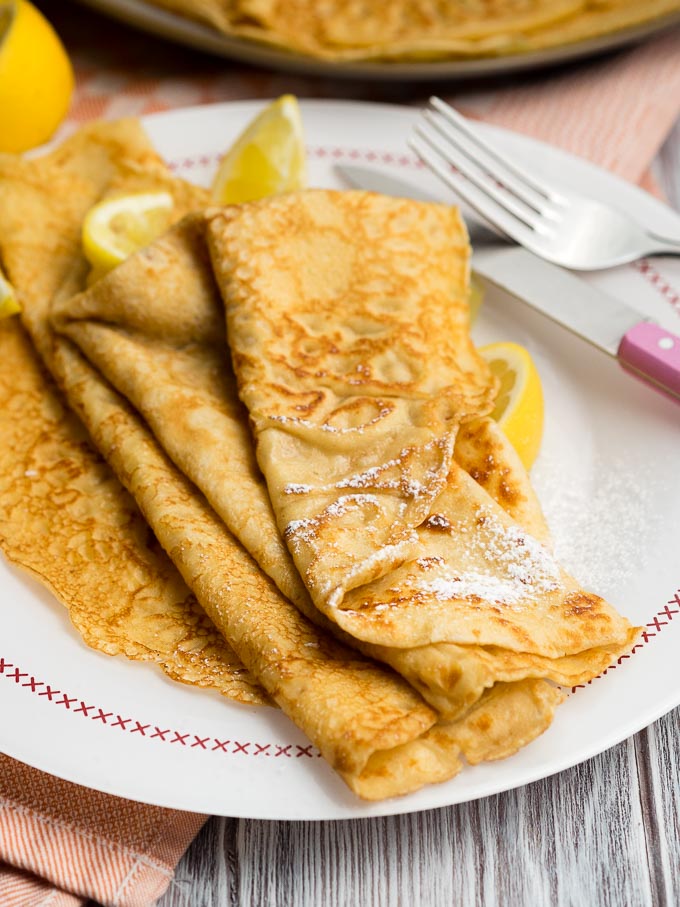
Thin crepes are a blank canvas for many delicious fillings. Creative fillings make your crepes exciting and tasty. Sweet or savory, the right filling brings life to each bite.
Try different ideas to keep your crepe meals fresh and fun. Here are some tasty filling ideas to inspire you.
Sweet Options
Spread Nutella or chocolate sauce for a rich, creamy taste. Add sliced bananas or strawberries for freshness and natural sweetness. Use honey or maple syrup to drizzle over the crepes. Cream cheese mixed with a little sugar makes a smooth, sweet filling. Add a spoon of jam or fruit preserves for fruity bursts. Sprinkle cinnamon sugar for simple, sweet flavor. Whipped cream with fresh berries creates a light, airy treat.
Savory Options
Fill with ham and cheese for a classic, warm combo. Sautéed mushrooms and spinach add earthiness and color. Use smoked salmon with cream cheese for a fancy touch. Add scrambled eggs and herbs for a breakfast crepe. Roasted vegetables with a bit of goat cheese bring rich flavor. Try chicken with pesto for a fresh, herby taste. A spread of hummus with cucumber slices offers a light, healthy option.
Serving Suggestions
Thin crepes taste best with the right toppings and fillings. Serving them well makes every bite special. Choose sweet or savory options to fit your mood.
Sweet Toppings For Thin Crepes
Spread fresh fruit like strawberries or bananas on your crepes. Drizzle honey or maple syrup for extra sweetness. A dusting of powdered sugar adds a nice touch. Nutella or chocolate sauce makes crepes rich and creamy. Whipped cream gives a soft, light texture.
Savory Fillings For Thin Crepes
Fill crepes with cheese and spinach for a healthy meal. Ham and mushrooms create a classic, tasty combo. Add scrambled eggs and herbs for breakfast crepes. Smoked salmon and cream cheese give a fancy flavor. Use fresh veggies for a light and fresh taste.
Creative Ways To Serve Crepes
Roll crepes and slice into bite-size pieces for snacks. Fold crepes into triangles and stack with layers of filling. Use crepes as wraps for a quick lunch. Serve with a side salad or soup for a full meal. Pair with a hot drink like tea or coffee.
Storage And Reheating Tips
Storing and reheating thin crepes properly keeps them fresh and tasty. It helps avoid dryness and sticking. Follow these simple tips to enjoy your crepes later without losing their softness and flavor.
Storing Thin Crepes In The Refrigerator
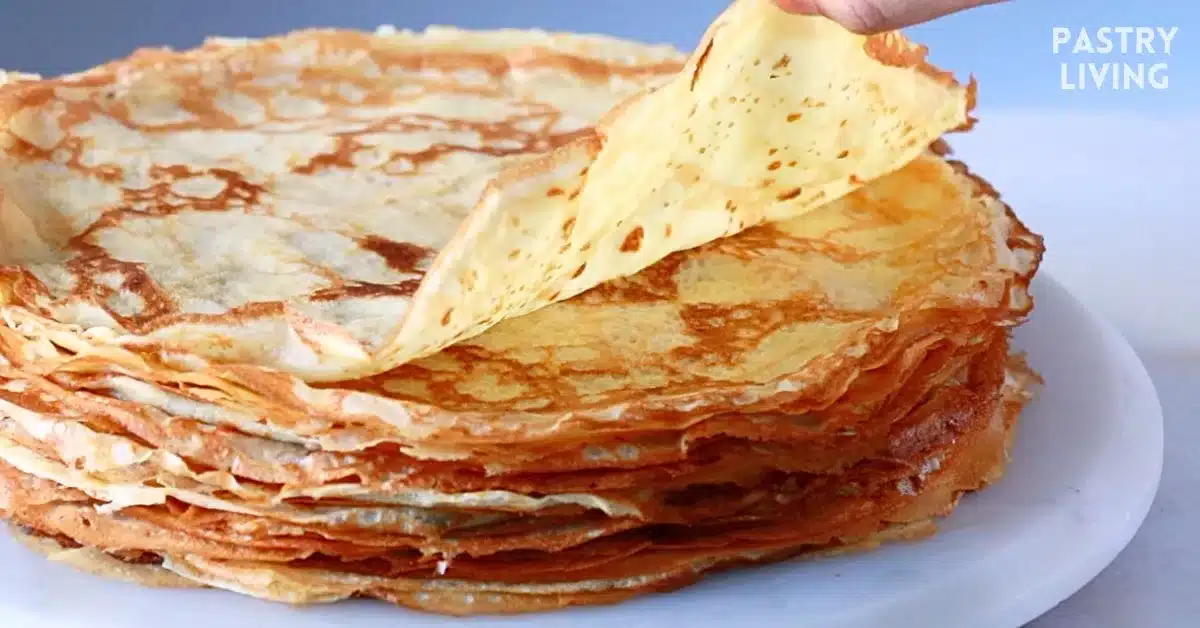
Let the crepes cool completely before storing. Place a piece of parchment paper between each crepe. This stops them from sticking together. Put the stack in an airtight container or wrap it tightly with plastic wrap. Store in the fridge for up to 2 days.
Freezing Thin Crepes For Longer Storage
To freeze, cool crepes fully. Separate each crepe with parchment paper. Stack and wrap the stack in plastic wrap or place it in a freezer bag. Label with the date. Freeze up to 2 months. Thaw crepes overnight in the fridge before reheating.
Reheating Thin Crepes On The Stove
Heat a non-stick pan over medium heat. Lightly grease the pan with butter or oil. Place one crepe in the pan and warm for 20-30 seconds on each side. Avoid overheating to keep them soft. Serve immediately for best taste.
Reheating Thin Crepes In The Microwave
Place crepes on a microwave-safe plate. Cover with a damp paper towel. Heat for 15-20 seconds. Check and heat again if needed. Avoid overheating to prevent drying out. This method is quick and easy.
Frequently Asked Questions
What Ingredients Are Essential For Perfect Thin Crepes?
The key ingredients are flour, eggs, milk, butter, and a pinch of salt. These create a smooth, thin batter for delicate crepes. Using fresh ingredients ensures better texture and taste. Avoid overmixing to keep the batter light and airy.
How Do I Get Crepes Thin And Uniform?
Use a ladle to pour a small amount of batter into a hot, greased pan. Quickly tilt and swirl the pan to spread the batter evenly. Cooking on medium heat helps crepes cook thinly without burning. Practice improves consistency.
Can I Make Crepes Ahead And Store Them?
Yes, crepes can be made ahead and stored. Stack them with parchment paper between each crepe. Wrap tightly in plastic wrap and refrigerate for up to 2 days. Reheat gently on a pan or microwave before serving to maintain softness.
What’s The Best Way To Avoid Crepes Sticking?
Grease the pan lightly with butter or oil before each crepe. Ensure the pan is hot but not smoking. A non-stick skillet or crepe pan works best. Avoid overcrowding the pan to prevent sticking and tearing.
Conclusion
Perfect thin crepes start with a simple batter and a hot pan. Stir the batter gently to avoid lumps. Pour just enough batter to cover the pan thinly. Cook until edges lift easily, then flip quickly. Practice helps you get the timing just right.
Serve crepes with your favorite fillings or toppings. Enjoy making these delicate treats at home anytime. Cooking thin crepes can be fun and rewarding. Try different flavors and share with family or friends. Keep practicing, and your crepes will turn out perfect every time.

