
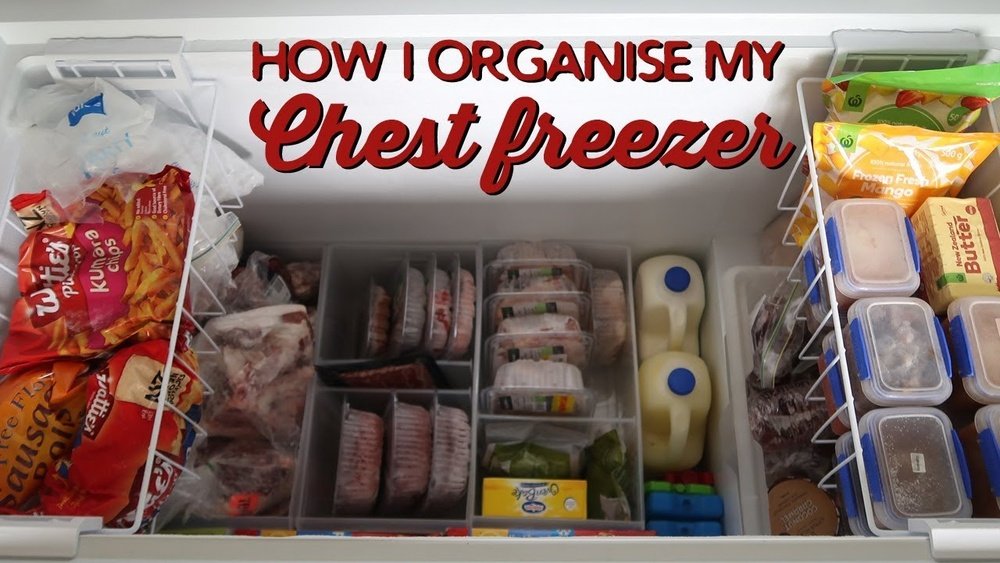
Is your deep freezer a chaotic mess where finding anything feels impossible? You’re not alone.
Organizing your deep freezer can save you time, reduce food waste, and even save money. Imagine opening your freezer and instantly spotting exactly what you need. It’s easier than you think. You’ll discover simple, practical steps to transform your deep freezer into a well-ordered space that works for you.
Keep reading to unlock the secrets to freezer organization that will change the way you store your food forever.
Choosing The Right Freezer
Choosing the right deep freezer matters for easy organization and food storage. A good freezer fits your space and food needs. It keeps food fresh longer and helps save money. Think about how much food you store and where you will place the freezer. This helps pick the best model for your home.
Chest Vs Upright Freezers
Chest freezers open from the top. They keep cold air inside better. This saves energy. Chest freezers hold large items and bulk food well. They often cost less than upright freezers.
Upright freezers open like a fridge door. They have shelves and compartments. This makes food easier to find and organize. Upright freezers take up less floor space. They fit better in tight spots.
Size And Capacity Considerations
Think about how much food you store regularly. Small families need smaller freezers. Large families or meal preppers need bigger ones. Measure your available space carefully before buying.
Check freezer capacity in cubic feet. This shows how much food fits inside. Choose a size that matches your storage needs. Avoid buying a freezer too big or too small.
Preparing Your Freezer Space
Preparing your deep freezer space is the first step to better organization. A clean and well-set freezer keeps food fresh longer. It also helps you find items quickly. Take time to prepare before filling your freezer again. This makes organizing easier and more efficient.
Cleaning And Defrosting
Start by unplugging your freezer. Remove all food and place it in a cooler. Let the freezer thaw naturally to remove ice buildup. Use a soft cloth and warm water to clean inside. Avoid harsh chemicals that can damage surfaces. Dry the interior fully before plugging it back in. This prevents ice from forming too fast.
Setting The Ideal Temperature
Check the temperature dial or digital control panel. Set your freezer to 0°F (-18°C) for best food preservation. This temperature keeps food safe and maintains quality. Avoid setting it too cold, which wastes energy. Adjust settings based on how full your freezer is. A well-set temperature makes your freezer work efficiently.
Sorting And Categorizing Items
Sorting and categorizing items in your deep freezer makes finding food easier. It helps keep the freezer neat and saves time. A clear system stops food from getting lost or wasted. Organizing by type and using the right containers are key steps.
Grouping By Food Type
Start by sorting food into groups. Keep meats, vegetables, fruits, and ready meals separate. This helps you know where each item belongs. Grouping by type also makes meal planning faster. Label each group clearly to avoid confusion.
Using Clear Containers And Bags
Use clear containers or bags to store food. See what is inside without opening them. This saves time and keeps the freezer tidy. Choose containers that fit well and stack easily. Seal bags tightly to avoid freezer burn and smells.
:max_bytes(150000):strip_icc()/ScreenShot2022-09-09at11.26.13AM-9dad6d1403954f41a13dd12e0d1eb20b.png)
Labeling And Dating
Labeling and dating are essential for a well-organized deep freezer. They help you find items quickly and avoid wasting food. Clear labels keep your freezer neat and your meals fresh.
Effective Labeling Techniques
Use waterproof labels or masking tape to mark each item. Write the name of the food clearly with a permanent marker. Use simple words like “chicken” or “peas.” Place labels on the top or front for easy reading. Group similar items and label the container or bag.
Tracking Expiration Dates
Write the date when you freeze the food. This helps you use older items first. Check expiration dates regularly to avoid spoiled food. Store new items behind older ones to use older stock first. Keep a list of frozen foods and their freeze dates for quick reference.
Maximizing Space Efficiency
Maximizing space efficiency in your deep freezer helps store more food and reduces waste. A well-organized freezer saves time and energy. It keeps food easy to find and maintain. Follow simple tips to use every inch wisely and keep things neat.
Stacking And Arranging Tips
Stack items by size and shape to save space. Place flat packages at the bottom for stability. Use the heaviest items on the bottom shelves. Keep similar foods together for quick access. Avoid overpacking to let cold air circulate. Arrange items so labels face up or out. This helps identify contents fast without digging.
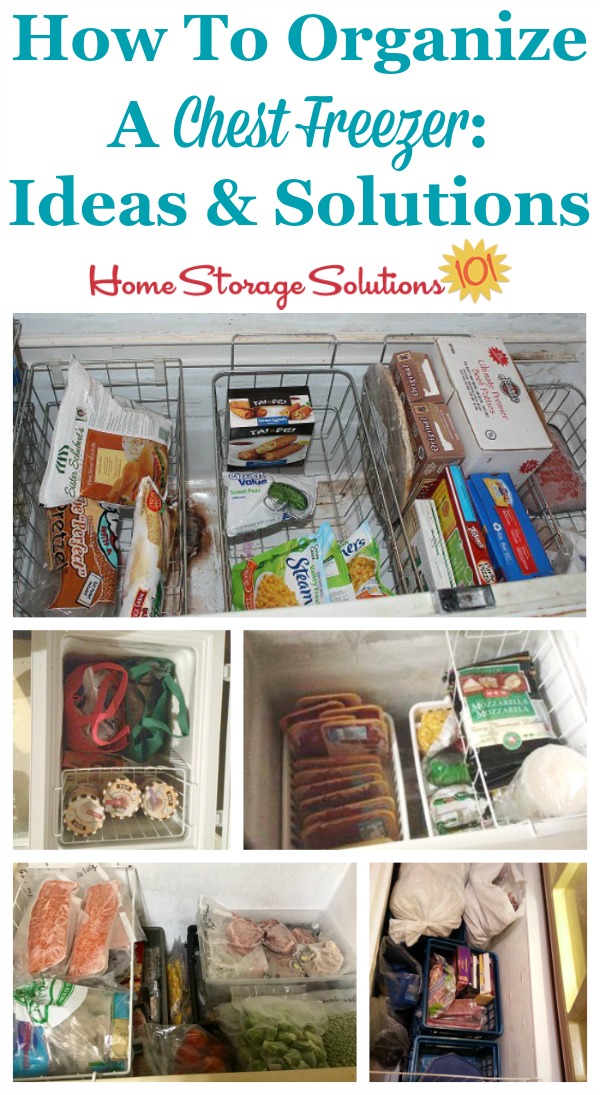
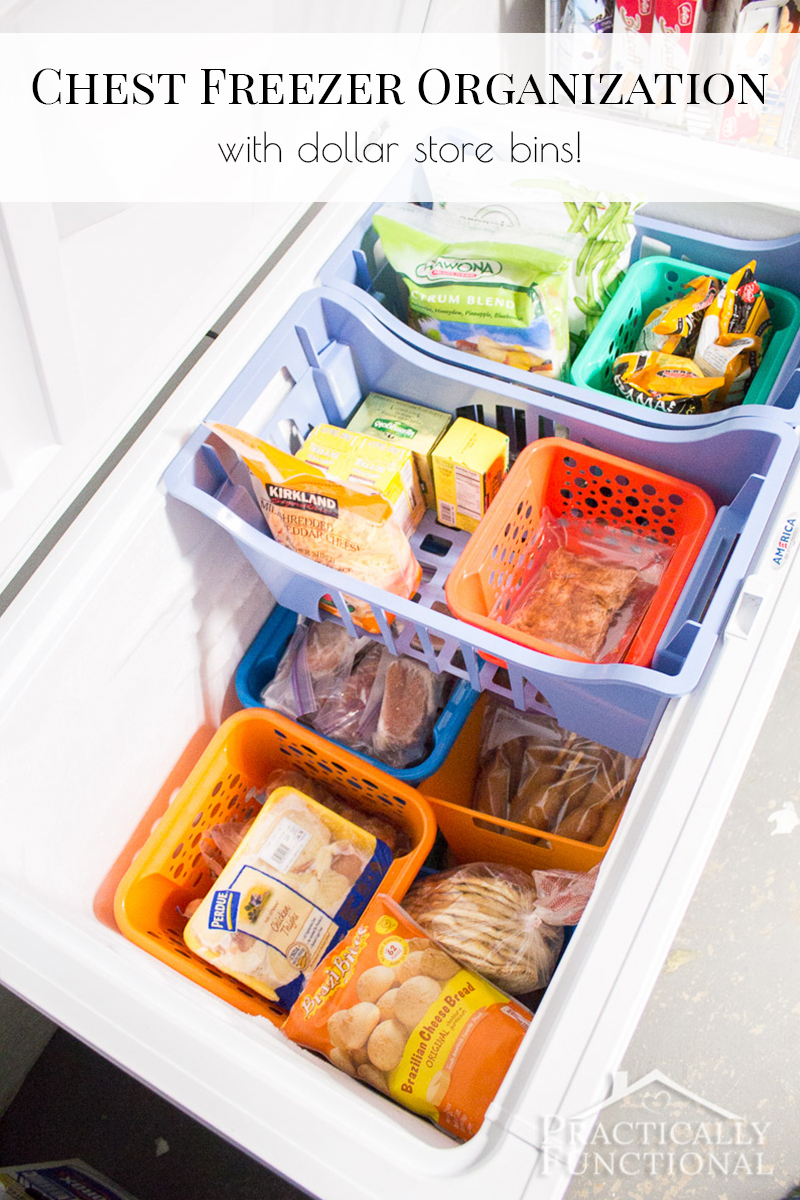
Using Bins And Dividers
Bins and dividers help separate food types. Use clear bins to see what’s inside. Label bins to avoid confusion. Dividers create small sections for different items. This stops food from shifting and mixing. Use stackable bins to increase vertical space. Bins make cleaning easier and keep the freezer tidy.
Creating Easy Access Zones
Creating easy access zones in your deep freezer saves time and reduces mess. Grouping items by how often you use them helps keep the freezer neat. You can find what you need quickly without digging through piles.
Frequent Use Items Placement
Place items you use most often near the front or top of the freezer. This spot makes grabbing these foods quick and simple. Examples include frozen vegetables, bread, or ready meals. Keep these items in clear bins or labeled containers. This way, you see everything at a glance and avoid forgetting what you have.
Seasonal And Bulk Storage
Store bulk and seasonal items in the deeper parts of the freezer. These foods include large cuts of meat, holiday treats, or extra fruits. Use stackable containers to make the most of vertical space. Label each container with the date and contents to prevent waste. Rotate these items regularly to keep them fresh and easy to find.
Maintaining Organization Over Time
Keeping your deep freezer organized over time takes effort. Without regular care, it can quickly turn into a messy space. Staying on top of organization helps you save time and reduce food waste.
Simple habits make a big difference. Small, regular actions keep your freezer neat and easy to use. The following tips focus on maintaining order and making the most of your storage.
Regular Inventory Checks
Check your freezer contents often. Set a schedule, like once a week or month. Look for items that are close to their use-by dates. Note what you have and what you need to use soon. This prevents forgotten food from going bad.
Write down your inventory or use a freezer app. Keep the list visible near the freezer door. Update it each time you add or remove items. This helps you know what’s inside without opening the freezer too long.
Rotating Stock Effectively
Place new items behind older ones. Use older items first to avoid spoilage. This method is called FIFO – First In, First Out. It keeps your food fresh and your freezer organized.
Group similar items together to find them quickly. Label boxes and bags with dates and contents. Clear containers help you see what’s inside at a glance. These small steps make rotation easier and faster.
Tips For Safe Freezing
Freezing food safely keeps it fresh and tasty for longer. It also helps avoid waste. Following smart freezing tips ensures food stays good and healthy.
Safe freezing means preventing damage and preserving nutrients. Using the right methods protects your food’s flavor and texture.
Avoiding Freezer Burn
Freezer burn happens when food dries out. It creates icy spots and changes taste. Avoid leaving food exposed to air. Wrap items tightly to block air and moisture. Use smaller portions to freeze faster. Label packages with dates for easy tracking.
Proper Packaging Methods
Use freezer bags or airtight containers. Remove as much air as possible before sealing. Wrap food in plastic wrap or foil before placing it in containers. Avoid overfilling containers to allow expansion. Choose packaging made for freezing to prevent leaks and odors.
Frequently Asked Questions
How Do I Start Organizing A Deep Freezer?
Begin by emptying the freezer completely. Clean the interior with mild soap and water. Sort items by type and expiration date before placing them back.
What Are The Best Containers For Freezer Organization?
Use airtight, stackable containers or freezer bags. Clear containers help identify contents quickly. Label each container with the date and contents for easy tracking.
How Can I Maximize Deep Freezer Space Efficiently?
Group similar items together and use bins or baskets. Flatten bags to save space. Keep frequently used items near the front for easy access.
How Often Should I Clean And Defrost My Deep Freezer?
Clean and defrost your freezer every 3 to 6 months. This maintains efficiency and prevents ice buildup. Always unplug and empty the freezer before cleaning.
Conclusion
Organizing a deep freezer saves time and reduces food waste. Clear labels help find items quickly. Use bins or baskets to keep things tidy. Group similar foods together for easy access. Regularly check and remove old or expired items. A clean and organized freezer makes meal prep easier.
Small steps create a big difference in your kitchen. Start today and enjoy a clutter-free deep freezer. Simple habits lead to lasting order and convenience.

