
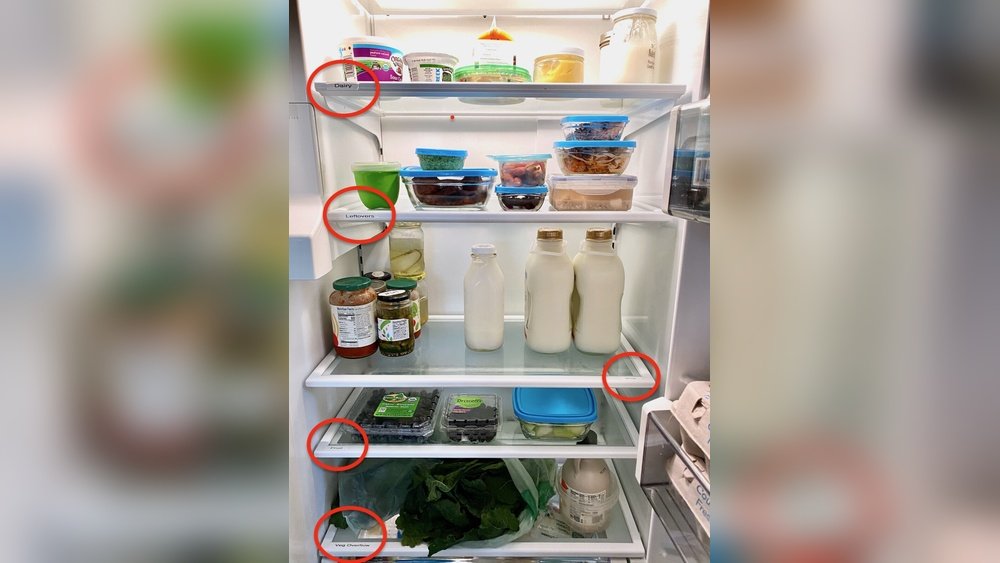
Is your fridge a constant mess, making it hard to find what you need? Imagine opening your refrigerator and instantly spotting every item without digging through clutter.
Organizing your refrigerator not only saves you time but also keeps your food fresh longer and reduces waste. You’ll discover simple, effective steps to transform your fridge into a neat, easy-to-navigate space. Ready to make your life easier and your kitchen more enjoyable?
Let’s get started.
Sort And Declutter
Sorting and decluttering your refrigerator is the first step toward a cleaner, more organized kitchen. It helps you see what you have and what you need to toss out. A neat fridge saves time and reduces food waste.
Remove Expired Items
Start by checking all items for expiration dates. Throw away anything that is past its date. Also, toss spoiled or moldy food. This clears space and keeps your fridge fresh.
Group Similar Products
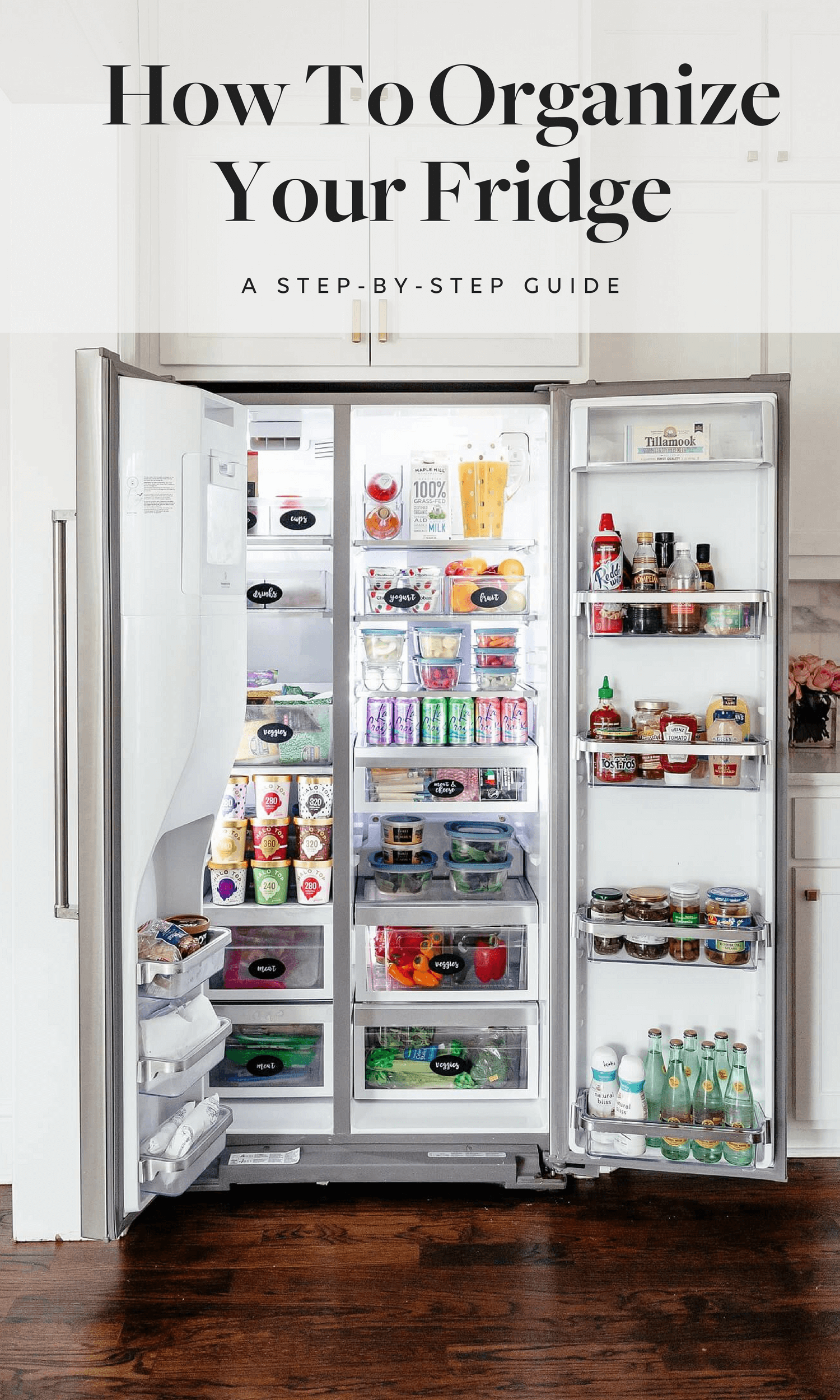
Next, group like items together. Place dairy products in one spot and fruits in another. Keep sauces and condiments on a single shelf. Grouping helps you find things fast and keeps the fridge tidy.
Clean Thoroughly
Cleaning your refrigerator deeply makes it fresh and safe. Dirt and spills hide in corners and shelves. Removing them helps keep food fresh longer. It also stops bad smells and bacteria growth. Follow these simple steps to clean thoroughly.
Empty And Wipe Shelves
Take out all shelves and drawers carefully. Use a soft cloth or sponge with warm water and mild soap. Wipe every surface to remove stains and crumbs. Dry the shelves completely before placing them back. This prevents mold and keeps your fridge clean.
Clean Door Seals And Drawers
Door seals catch dirt and crumbs easily. Clean them with a damp cloth and mild detergent. Check for cracks or damage while cleaning. Remove drawers and wash them with warm soapy water. Rinse and dry well to avoid moisture inside the fridge. Clean seals and drawers keep the fridge airtight and efficient.
Use Storage Containers
Using storage containers in your refrigerator keeps food neat and easy to find. Containers help separate different items and prevent spills. This method saves space and keeps your fridge clean longer.
Clear Bins For Visibility
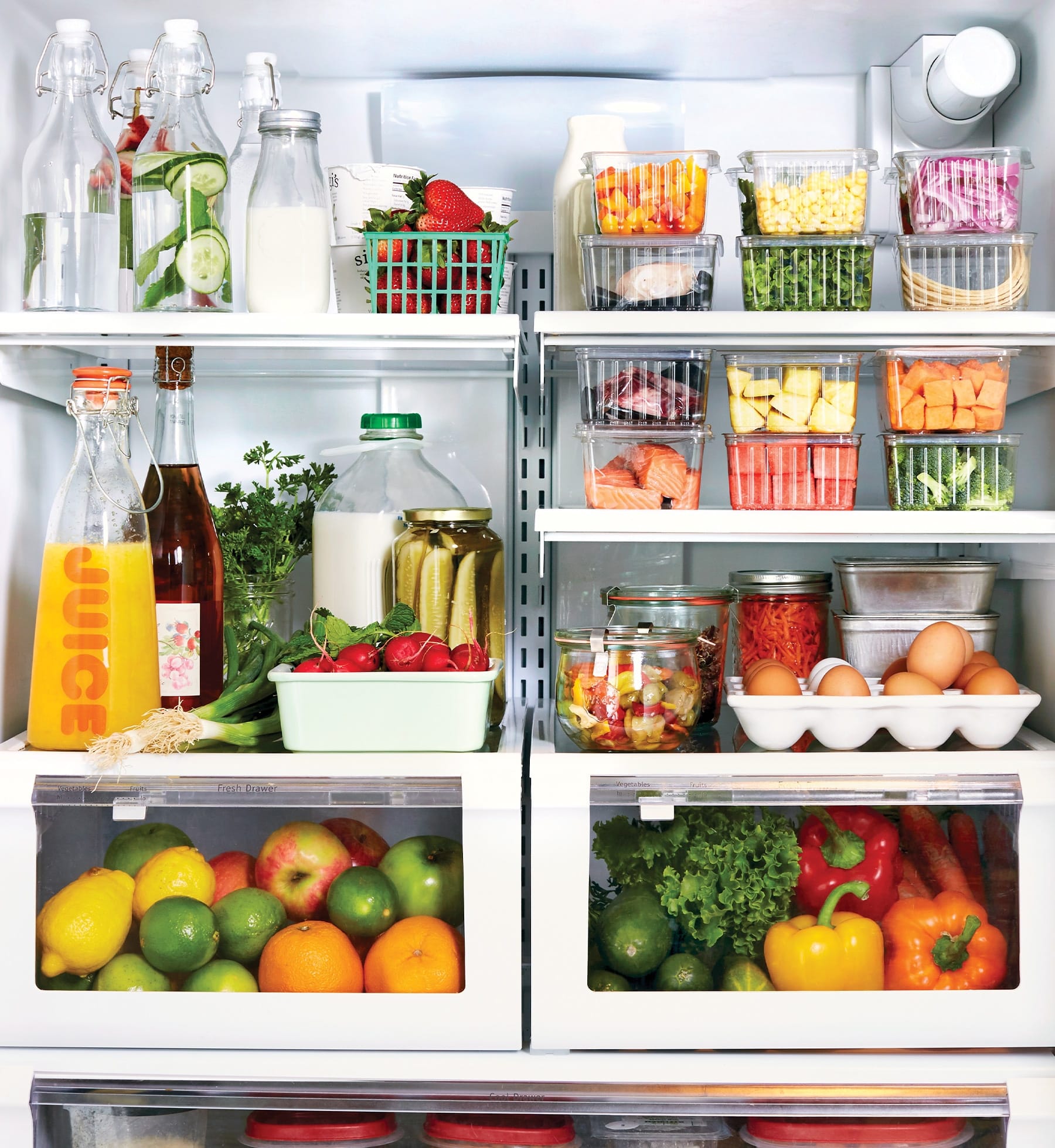
Clear bins make it simple to see what is inside without opening them. This saves time and reduces the chance of forgetting food. You can group similar items together, like snacks or dairy products. Clear bins also help keep fruits and vegetables fresh by providing proper air flow.
Label Containers
Labels tell you what is inside each container at a glance. They help you find food quickly and avoid waste. Use simple labels with the name and date of the food. Labeling also helps family members know where to put things back after use.
Optimize Shelf Placement
Optimizing shelf placement in your refrigerator helps keep food fresh longer. It also makes everything easy to find. Organizing by food type and temperature needs is key. Each shelf should have a purpose for better storage.
Store Dairy And Eggs
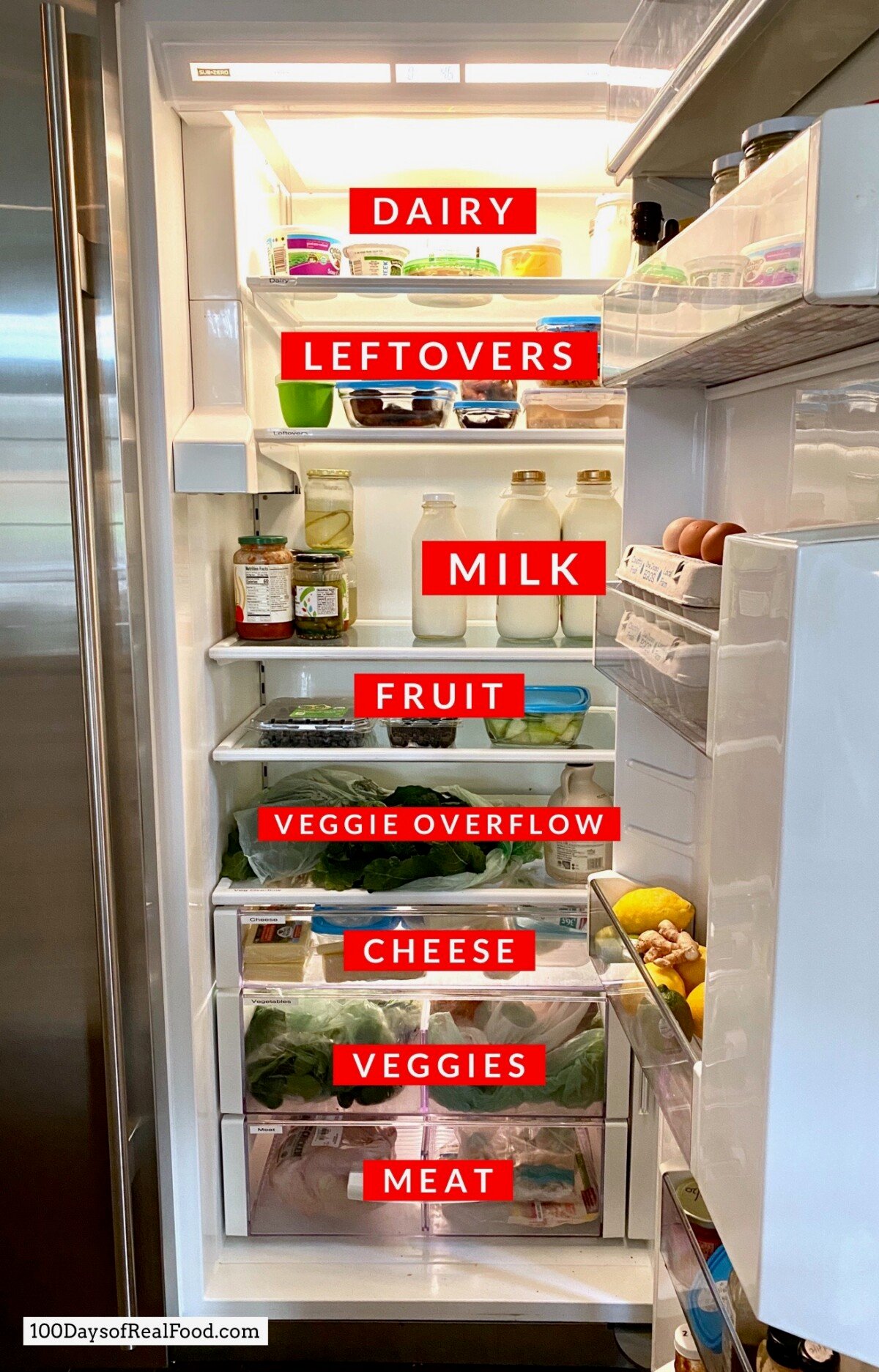
Dairy products and eggs need cold but stable temperatures. Keep them on the middle shelves. These shelves stay colder than the door but warmer than the bottom. Avoid placing them near the back wall where it gets too cold. Use clear containers or egg trays to keep eggs safe.
Organize Meat And Fish
Raw meat and fish require the coldest spot in the fridge. Use the bottom shelf for these items. This prevents drips from contaminating other foods. Store them in sealed containers or plastic bags. This keeps odors contained and surfaces clean.
Keep Fruits And Vegetables Separate
Fruits and vegetables release gases that affect each other. Keep them in separate drawers or bins. Use the crisper drawers for better humidity control. Store fruits in one drawer and vegetables in another. This helps maintain freshness and reduces spoilage.
Control Temperature Zones
Controlling temperature zones in your refrigerator helps keep food fresh longer. Different foods need different temperatures. Setting the right zones prevents spoilage and maintains taste. It also saves energy and reduces waste.
Set Ideal Temperature
The main fridge area should be around 37°F (3°C). This temperature slows bacteria growth. The freezer should be at 0°F (-18°C) to keep food frozen solid. Avoid setting temperatures too cold or warm. Too cold can freeze fresh fruits and veggies. Too warm causes quick spoilage.
Use a fridge thermometer to check the temperature. Adjust settings as needed. Some fridges have smart controls for easy adjustments. Keep the fridge door closed to maintain steady temperatures.
Adjust Zones For Different Foods
The bottom shelf is usually the coldest. Store raw meat and fish there. Use sealed containers to avoid drips. The middle shelves suit dairy products like milk and cheese. Fruits and vegetables do well in crisper drawers. These drawers often have humidity controls.
Keep eggs and leftovers in the upper shelves. Avoid placing eggs in the fridge door. The door is the warmest zone due to frequent opening. Store condiments and drinks in the door compartments. Organizing by zones keeps food fresh and easy to find.
Maintain Regular Checks
Maintaining regular checks helps keep your refrigerator clean and organized. It stops food from spoiling and reduces bad smells. Small efforts every few days save time and money later. Simple habits make a big difference in fridge hygiene and order.
Weekly Inventory
Check what food you have every week. Throw away expired or spoiled items. This prevents clutter and frees space. Keep a list of essentials to buy next time. Organizing food by use-by dates helps eat items on time.
Spot Clean Spills
Clean spills immediately to avoid stains and odors. Use a damp cloth and mild cleaner for best results. Wipe shelves and drawers regularly to keep them fresh. Quick cleaning stops bacteria growth and keeps your fridge healthy.
Maximize Space
Maximizing space in your refrigerator helps keep food fresh longer. It also makes items easy to find. A well-organized fridge saves time and reduces waste. Follow simple tips to use every inch efficiently.
Use Door Storage Wisely
The fridge door is the warmest part. Store condiments, sauces, and drinks here. Avoid placing milk or eggs in the door. Keep these items on the main shelves for better cooling.
Use door shelves for small bottles and jars. Group similar items together. This keeps the door neat and items easy to grab.
Stack With Care
Stack items carefully to avoid crushing food. Use clear containers to see contents quickly. Stack lighter items on top of heavier ones.
Leave space between stacks for air flow. This helps keep food fresh and cool. Avoid overpacking shelves to maintain proper temperature.
Frequently Asked Questions
How Often Should I Clean And Organize My Refrigerator?
Clean and organize your refrigerator every 1 to 2 weeks. This prevents food spoilage and keeps the fridge hygienic. Regular cleaning improves efficiency and reduces odors, ensuring fresh food storage.
What’s The Best Way To Group Food In A Refrigerator?
Group similar items together like dairy, fruits, vegetables, and meats. Use clear bins or designated shelves to keep foods organized. This method makes items easy to find and prevents cross-contamination.
Where Should Raw Meat Be Stored In The Fridge?
Store raw meat on the bottom shelf in a sealed container. This prevents juices from dripping onto other foods and avoids contamination. Keep it separate from ready-to-eat items.
How Can I Maximize Space In My Refrigerator?
Use stackable containers and clear bins to save space. Remove packaging and store leftovers in uniform containers. Organize items by frequency of use to keep things accessible and tidy.
Conclusion
Organizing your refrigerator keeps food fresh and easy to find. Clean shelves and clear containers help save space. Group similar items together for quick access. Use labels to avoid confusion and waste. Regularly check for expired products to stay safe.
A neat fridge means less stress and less food thrown away. Small changes make a big difference every day. Start organizing today and enjoy a tidy kitchen.

