
Are you tired of your crepes sticking to the crepe maker and tearing apart? You’re not alone.
Sticking crepes can turn a fun cooking experience into a frustrating mess. But don’t worry—there are simple tricks you can use to keep your crepes smooth and perfect every time. You’ll discover easy, practical tips that will help you master the art of non-sticky crepe making.
Keep reading, and soon you’ll be flipping crepes like a pro!
Choose The Right Crepe Maker
Choosing the right crepe maker plays a big role in preventing crepes from sticking. A good crepe maker ensures even heat and a smooth surface. This helps the batter cook well and peel off easily. Picking the right model saves time and makes cooking fun.
Non-stick Surface Benefits
A non-stick surface stops crepes from sticking and tearing. It needs less oil or butter for cooking. This keeps crepes thin and light. Non-stick crepe makers are easier to clean. They also help in cooking crepes evenly.
Electric Vs Stovetop Models
Electric crepe makers offer steady heat and simple controls. They keep a constant temperature for smooth cooking. Stovetop models depend on your burner’s heat. They may need more attention to avoid hot spots. Electric models often suit beginners well.
Size And Heating Options
Crepe makers come in different sizes. A larger surface helps cook bigger crepes at once. Smaller models are easy to store and perfect for quick snacks. Adjustable heat lets you control cooking speed. This prevents burning and sticking during cooking.

Prepare The Crepe Maker Properly
Preparing your crepe maker properly is key to making perfect crepes without sticking. A well-prepared surface ensures even cooking and easy flipping. Taking the time to set up the crepe maker right can save you from frustrating moments and ruined crepes.
Preheating Techniques
Preheat the crepe maker on medium heat for about 5 minutes. This allows the surface to reach an even temperature. Avoid setting the heat too high to prevent burning. A consistent heat helps the batter cook evenly and prevents sticking.
Cleaning Before Use
Wipe the crepe maker surface with a damp cloth before heating. Remove any dust or leftover residue. A clean surface stops the crepes from sticking and ensures better flavor. Never use harsh chemicals; just warm water and a soft cloth work best.
Seasoning The Surface
Seasoning creates a natural non-stick layer on your crepe maker. Lightly brush the surface with vegetable oil or melted butter. Spread the oil evenly using a paper towel or brush. Heat the crepe maker for a few minutes after oiling. This step protects the surface and makes crepes slide off easily.
Select The Best Batter Consistency
Selecting the right batter consistency is key to preventing crepes from sticking. The batter needs to be smooth and fluid enough to spread easily. Too thick, and the crepe will stick or tear. Too thin, and it will be hard to handle and cook evenly. Perfect batter consistency helps create thin, delicate crepes that release effortlessly from the crepe maker.
Focus on mixing the batter well and testing its flow before cooking. Adjust flour or milk amounts to find the best balance. This simple step saves frustration and improves crepe quality.
Ideal Thickness For Easy Release
The batter should have the thickness of heavy cream. It must flow easily but not be runny. Pour some batter onto a spoon; it should coat the back smoothly. If the batter is too thick, add a little milk. If too thin, sprinkle in a bit more flour. The right thickness ensures crepes cook evenly and peel off without sticking.
Resting Time For Batter
Let the batter rest for at least 30 minutes before cooking. Resting allows the flour to absorb the liquid fully. This helps create a smooth texture and prevents sticking. Cover the batter with a cloth or plastic wrap. Avoid skipping this step for best results.
Avoiding Lumps
Lumps cause uneven cooking and sticking problems. Use a whisk or blender to mix the batter well. Sift the flour before adding it to the wet ingredients. Stir gently to combine all parts smoothly. A lump-free batter spreads evenly and cooks without issues.
Use Effective Greasing Methods
Using the right greasing methods helps stop crepes from sticking to the crepe maker. A good layer of oil or butter creates a smooth, non-stick surface. It also helps cook the crepe evenly and makes flipping easier.
Choosing The Right Oil Or Butter
Pick oils with a high smoke point like vegetable or canola oil. These oils do not burn quickly and keep the crepe maker smooth. Butter adds great flavor but burns faster. Use clarified butter to avoid burning. Avoid heavy oils that make crepes greasy.
Applying Even Coating
Spread the oil or butter evenly across the surface. Use a paper towel or silicone brush to cover the entire area. Do not pour oil directly on the crepe maker. Too much oil makes the crepe soggy and sticky. A thin, even coat works best for a smooth cook.
Reapplying Between Crepes
Wipe the crepe maker lightly between each crepe. Add a small amount of oil or butter again. This keeps the surface slick for every crepe. If the surface looks dry or sticky, reapply to avoid sticking. Clean and grease often for the best results.
Master The Cooking Technique
Mastering the cooking technique is key to making perfect crepes without sticking. Small changes in how you pour, spread, and flip the batter can make a big difference. Using the right tools helps too. Each step works together to keep your crepes smooth and easy to handle.
Proper Pouring And Spreading
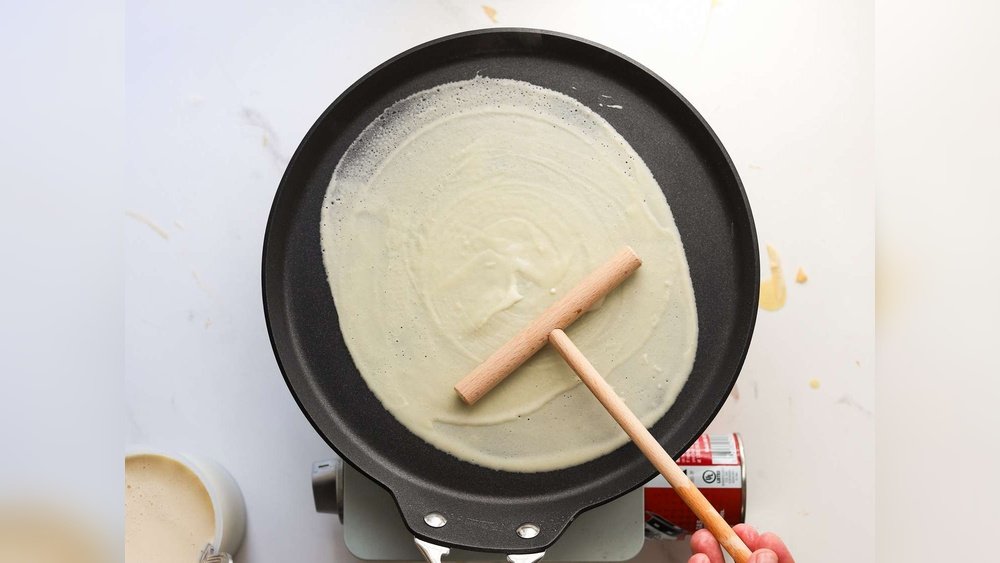
Pour the batter slowly onto the center of the crepe maker. Use just enough batter to cover the surface thinly. Spread it quickly using a T-shaped spreader or the back of a spoon. Move the spreader in a circular motion to create an even layer. A thin, smooth crepe cooks better and sticks less.
Timing For Flipping
Watch the edges of the crepe closely. When they start to lift and look dry, it’s time to flip. Usually, this takes about 30 to 45 seconds. Flip gently with a thin spatula to avoid tearing. Cooking too long on one side makes the crepe stick and break.
Using The Right Tools
Use a non-stick crepe maker or a well-seasoned pan. A thin, flexible spatula works best for flipping. A wooden or silicone spreader helps to spread batter evenly. Keep all tools clean and dry for best results. Proper tools make cooking easier and prevent sticking.

Maintain Your Crepe Maker
Maintaining your crepe maker is key to preventing crepes from sticking. A well-kept surface cooks crepes evenly and stays non-stick longer. Simple care routines extend the life of your appliance and improve cooking results.
Regular Cleaning Tips
Clean the crepe maker after each use. Use a soft cloth or sponge with warm soapy water. Avoid harsh scrubbing to protect the surface. Dry it completely before storing. Never submerge the appliance in water.
Avoiding Damage To Surface
Use only wooden or silicone utensils on the surface. Metal tools can scratch and damage the non-stick coating. Do not overheat the crepe maker. High heat can warp the surface and reduce its effectiveness.
Storage Recommendations
Store the crepe maker in a dry, cool place. Keep it away from heavy objects that might press on the surface. Cover it with a cloth or protective cover to avoid dust. Proper storage keeps the surface smooth and ready to use.
Troubleshoot Common Issues
Troubleshooting common issues helps keep your crepes perfect every time. Small problems can cause crepes to stick or cook unevenly. Fixing these issues saves time and reduces waste. Below are common problems and easy ways to solve them.
Crepes Sticking Despite Greasing
Greasing the crepe maker is key, but sometimes crepes still stick. Check the type of grease used. Butter or oil should be light and spread evenly. Avoid heavy or sticky oils that burn quickly. Heat the crepe maker well before adding grease. Too low heat stops the grease from forming a barrier. Clean the surface regularly to remove burnt bits. These bits cause sticking and uneven cooking.
Uneven Cooking Problems
Uneven cooking makes crepes stick or burn in spots. Make sure the crepe maker is flat and stable. Uneven surfaces cause hot and cold spots. Adjust the temperature if edges cook too fast. Use medium heat for steady, even cooking. Let the crepe maker heat fully before pouring batter. Avoid lifting or moving it during cooking. This keeps heat consistent across the surface.
Batter Not Spreading Smoothly
Thick or lumpy batter causes uneven crepes. Mix the batter until smooth and thin. Use a whisk or blender to remove lumps. Pour the batter quickly after mixing. Thick batter cools and spreads poorly. Tilt the crepe maker in a circle to spread batter evenly. Use a crepe spreader for better control. Smooth batter spreads thin and cooks evenly without sticking.
Frequently Asked Questions
How Do I Prepare The Crepe Maker Before Cooking?
Always preheat your crepe maker on medium heat for 5 minutes. Lightly grease the surface with oil or butter using a paper towel. This prevents sticking and ensures even cooking, creating a smooth surface for the batter to spread easily.
What Batter Consistency Prevents Crepes From Sticking?
Use a thin, smooth batter that easily spreads on the crepe maker. Avoid thick or lumpy batter, as it can stick and tear. Proper consistency allows even cooking and easy flipping, resulting in perfect crepes without sticking issues.
How Can I Flip Crepes Without Tearing Them?
Wait until the edges start to lift and the surface is set. Use a thin, flexible spatula to gently lift and flip the crepe. Flipping too early or forcefully causes sticking and tearing, so patience is key.
Does Temperature Affect Crepes Sticking To The Maker?
Yes, cooking at medium heat is best to avoid sticking. Too high heat burns the batter; too low makes it stick. Maintaining proper temperature ensures quick cooking and easy release from the surface.
Conclusion
Preventing crepes from sticking is easier than you think. Use a clean, well-heated crepe maker. Lightly grease the surface with oil or butter before cooking. Pour the batter evenly and do not rush flipping. Patience helps the crepe release smoothly.
Clean the crepe maker after each use to avoid buildup. With these simple steps, you can enjoy perfect crepes every time. Practice makes perfect, so keep trying. Your delicious, smooth crepes are just a few tips away.

