
Is your refrigerator constantly battling ice build-up? That stubborn frost can waste energy, reduce storage space, and even spoil your food faster.
You might feel frustrated every time you have to defrost it or clean up the mess. But what if you could stop ice from forming in the first place? You’ll discover simple, practical steps that keep your fridge running smoothly and your food fresh longer.
Keep reading, and take control of your refrigerator’s performance today.

Causes Of Ice Build-up
Ice build-up in a refrigerator can cause many problems. It reduces cooling efficiency and wastes energy. Understanding the causes helps prevent ice from forming. Several common issues lead to ice build-up inside your fridge.
Temperature Fluctuations
Temperature changes inside the fridge cause moisture to freeze. If the thermostat is not set correctly, the fridge may get too cold. This causes water vapor to turn into ice. A stable temperature keeps ice from forming.
Door Seal Issues
Damaged or dirty door seals let warm air enter the fridge. Warm air meets the cold air inside, creating moisture. This moisture freezes and forms ice on the walls. Check seals regularly and clean or replace them if needed.
Frequent Door Opening
Opening the fridge door often lets humid air inside. This air creates condensation, which freezes over time. Keep door openings short and avoid leaving the door open for long periods.
Improper Food Storage
Storing hot or uncovered food increases moisture inside the fridge. Moisture turns into ice when it cools down. Always cover food and let hot dishes cool before placing them inside.
Optimal Temperature Settings
Setting the right temperature in your refrigerator stops ice from building up. Cold air keeps food fresh and prevents frost. But too cold or too warm settings cause problems. Finding the balance helps your fridge work well and saves energy.
Recommended Refrigerator Temperature
Keep the refrigerator temperature at 37°F to 40°F (3°C to 4°C). This range keeps food fresh and stops ice from forming. Too cold makes moisture freeze and cause ice. Too warm makes food spoil faster. Use a fridge thermometer to check the temperature.
Adjusting Freezer Settings
Set the freezer temperature at 0°F (-18°C) for best results. This keeps food frozen and stops ice build-up. Avoid setting it colder than needed. Very low temperatures cause frost and use more energy. Check the dial or digital control panel to adjust the freezer.
Maintaining Door Seals
Maintaining door seals is a simple way to stop ice from building up in your refrigerator. The door seals keep cold air inside and warm air out. When seals are damaged or dirty, cold air escapes. This makes the fridge work harder and causes ice to form.
Checking For Damage
Look closely at the door seals for cracks, tears, or gaps. Press the seal all around the door to find weak spots. Damaged seals let warm air enter, causing frost and ice. Check seals regularly to catch problems early.
Cleaning Door Gaskets
Clean the rubber gaskets gently using warm water and mild soap. Dirt and sticky residues can stop seals from closing tightly. Wipe the seal dry with a soft cloth. Clean seals help keep the fridge cold and ice-free.
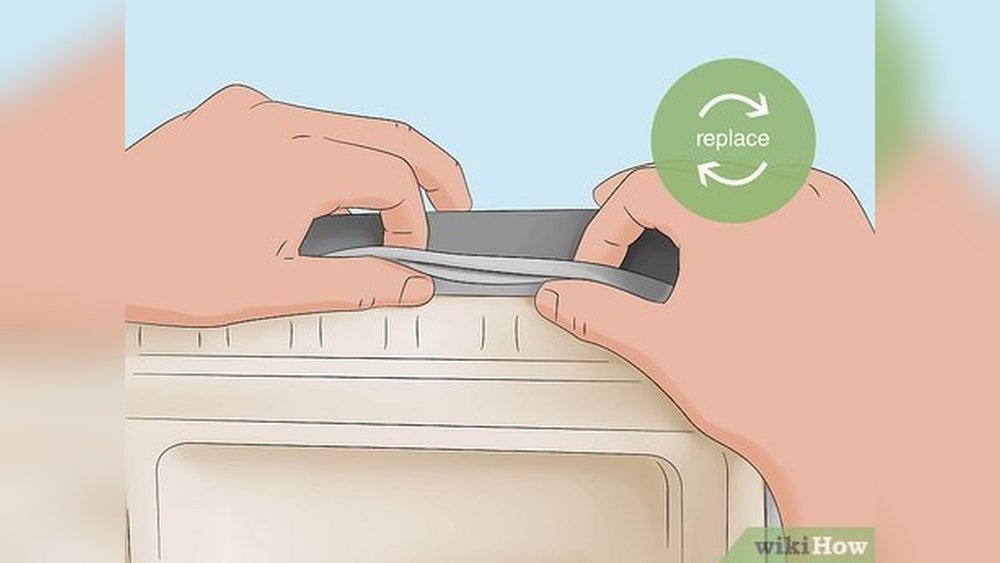
Replacing Worn Seals
Replace door seals that are cracked, torn, or no longer fit well. Old seals waste energy and cause ice build-up. Find the right seal for your fridge model. Installing new seals improves cooling and reduces ice problems.
Proper Food Arrangement
Proper food arrangement inside your refrigerator helps prevent ice build-up. It allows cold air to circulate well. This stops moisture from collecting and freezing on surfaces. Organizing food correctly keeps the fridge working efficiently. It also keeps your food fresh longer.
Avoid Overcrowding
Do not pack your fridge tightly. Overcrowding blocks air vents and cold air flow. This causes uneven cooling and ice formation. Leave space between items for air to move freely. Proper spacing helps maintain a steady temperature inside.
Use Airtight Containers
Store food in airtight containers or sealed bags. This stops moisture from escaping into the fridge. Moist air causes frost to form on walls and shelves. Airtight containers keep food fresh and reduce humidity levels.
Keep Hot Food Out
Never put hot food directly into the fridge. It raises the temperature inside and creates excess moisture. This moisture turns into ice over time. Let food cool to room temperature before storing it in the fridge.
Regular Defrosting Practices
Regular defrosting keeps your refrigerator working well. It stops ice from building up inside. Ice buildup can make your fridge less cold and waste energy. Defrosting removes this ice and helps food stay fresh longer. Follow easy steps to keep your fridge ice-free and efficient.
Manual Defrosting Tips
Turn off the fridge and unplug it. Remove all food and store it in a cooler place. Leave the fridge door open to let ice melt naturally. Place towels around the fridge base to catch water. Use a plastic scraper to gently remove loose ice. Avoid sharp tools to prevent damage. Clean the inside with a soft cloth and mild soap. Dry the fridge well before turning it back on.
When To Defrost
Check for ice build-up regularly. Defrost if ice is thicker than 1/4 inch. Also defrost if your fridge works harder or sounds loud. Regular checks prevent big ice layers. Set a schedule to defrost every 3-6 months. More often if your fridge is older or used frequently.
Using Automatic Defrost Features
Many modern fridges have automatic defrost functions. These stop ice from forming by heating coils slightly. Learn how your model’s defrost system works from the manual. Keep vents and fans clean for better defrosting. Do not block air flow inside the fridge. This helps the automatic system work well and keeps ice away.

Preventing Moisture Build-up
Moisture in a refrigerator causes ice to build up fast. Controlling moisture stops ice from forming. It also keeps food fresh and fridge working well. Simple steps reduce wetness inside the fridge. These steps help keep ice away.
Wiping Spills Quickly
Spills add water inside the fridge. Wipe spills right after they happen. Use a clean cloth or paper towel. This stops water from turning into ice. Clean shelves stay dry and safe.
Using Moisture Absorbers
Moisture absorbers soak up extra water in the fridge. Use silica gel packs or baking soda boxes. Place them on shelves or in drawers. They keep the air dry. Dry air means less ice buildup.
Avoiding Wet Foods
Wet foods add water to the fridge air. Dry foods before putting them inside. Use airtight containers to keep moisture out. This lowers humidity and stops ice from forming.
Additional Tips And Tricks
Preventing ice build-up in your refrigerator is easier with a few extra tips. These small steps help keep your fridge working well. They stop frost from forming and save energy. Follow these tricks to keep your fridge ice-free and fresh.
Keep Vents Clear
Air needs to flow inside your fridge. Blocked vents stop cold air from moving. This causes frost to build up faster. Check vents often. Remove any food or containers blocking them. Clear vents let air circulate and prevent ice.
Inspect Drainage System
Water inside the fridge drains through a small hole. If this drain clogs, water freezes and creates ice. Clean the drainage hole regularly. Use a pipe cleaner or warm water to clear it. A clean drain stops water from freezing inside.
Schedule Professional Maintenance
Experts can find problems you might miss. They check seals, vents, and the drainage system. Regular maintenance keeps your fridge in top shape. Schedule a check-up at least once a year. It helps prevent ice build-up and costly repairs.

Frequently Asked Questions
How Often Should I Defrost My Refrigerator?
Defrost your refrigerator every 6 months or when ice buildup exceeds 1/4 inch. Regular defrosting keeps the fridge efficient and prevents damage.
What Causes Ice Buildup Inside A Refrigerator?
Ice builds up due to frequent door openings, faulty door seals, or improper temperature settings. Moisture enters and freezes, forming ice layers inside.
Can A Faulty Door Seal Cause Ice Buildup?
Yes, a damaged door seal lets warm air in. This causes condensation, which freezes and creates ice inside the fridge.
What Is The Ideal Temperature To Prevent Ice Buildup?
Set your refrigerator between 37°F and 40°F. This temperature minimizes moisture and prevents ice from forming inside.
Conclusion
Preventing ice build-up keeps your refrigerator working well. Regularly check and clean the door seals. Avoid leaving the door open for long times. Store food properly and cover liquids tightly. Defrost your fridge when ice starts to form. Keep the temperature at the right level.
These simple steps save energy and extend your fridge’s life. Small habits make a big difference in stopping ice build-up. Stay consistent and enjoy a frost-free fridge every day. Easy to do, and worth the effort.

