
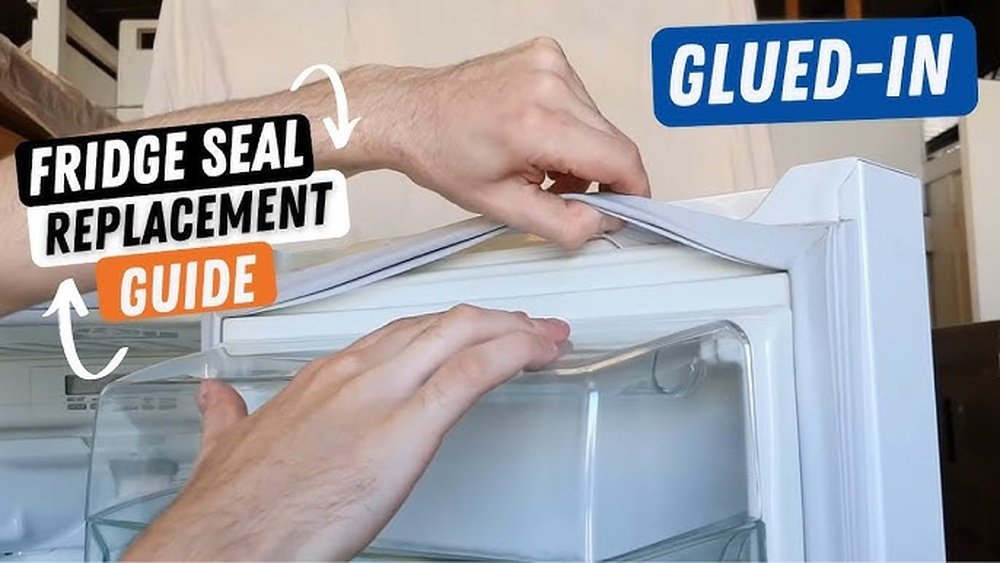
Is your refrigerator not cooling like it used to? One common culprit might be a leaking door seal.
When the seal around your fridge door wears out or gets damaged, cold air escapes, making your appliance work harder and your energy bills rise. But don’t worry—you can fix this before it becomes a bigger problem. You’ll discover simple, practical steps to prevent refrigerator door seal leaks and keep your fridge running efficiently.
Keep reading, and you’ll save money, extend your fridge’s life, and avoid spoiled food.
Signs Of Door Seal Leaks
Recognizing the signs of a refrigerator door seal leak is important. The seal keeps cold air inside and warm air out. A damaged seal causes problems that affect food and energy use. Spotting these signs early helps avoid bigger issues.
Temperature Fluctuations
Food spoils faster with temperature changes. The fridge may feel colder or warmer than usual. You might notice frost buildup in the freezer. These changes show the seal is not working properly.
Condensation And Moisture
Moisture forms inside or around the fridge door. Water droplets or frost appear on shelves or walls. This happens because warm air leaks inside. The seal may have cracks or gaps causing this.
Increased Energy Bills
The fridge uses more power to stay cold. Your electricity bill rises without a clear reason. A faulty door seal forces the fridge to run longer. This wastes energy and increases costs.
Common Causes Of Seal Damage
Refrigerator door seals keep cold air inside and stop warm air from coming in. When these seals get damaged, the fridge works harder and wastes energy. Knowing what causes seal damage helps you keep your fridge in good shape. Here are the common reasons why seals wear out or break.
Wear And Tear Over Time
Seal material wears out with use. Every time you open and close the door, the seal bends and stretches. Over months and years, this causes cracks and breaks. Cold air leaks through these gaps. Regular use naturally ages the seal and reduces its strength.
Dirt And Debris Buildup
Dirt and crumbs can stick to the seal edges. This stops the seal from closing tightly. Dust, food particles, and sticky spills all add up. Clean seals keep the door closed properly. Dirty seals create small gaps that let cold air escape.
Misaligned Doors
When doors are not straight or hang unevenly, seals do not touch well. This misalignment creates openings between the seal and fridge body. The door might look closed but air still leaks out. Properly aligned doors keep seals pressed firmly in place.
Daily Seal Maintenance
Daily maintenance of your refrigerator door seal helps stop leaks early. Small efforts each day keep the seal tight and working well. This saves energy and keeps your food fresh longer.
Cleaning Techniques
Wipe the seal with a damp cloth every few days. Use mild soap if it looks dirty. Avoid harsh cleaners that can damage the rubber. Dry the seal with a soft towel after cleaning. Clean seals stick better and stop cold air from escaping.
Avoiding Sharp Objects
Do not use knives or sharp tools near the seal. They can cut or tear the rubber. Keep pets away to avoid scratches from claws. Handle the door gently to prevent damage. A smooth seal keeps the fridge cold and saves money.
Regular Inspection Tips
Look closely at the seal weekly for cracks or gaps. Press the seal to check if it feels soft or loose. Listen for air leaks by closing the door on a piece of paper. Replace the seal if it does not hold tight. Catching problems early avoids costly repairs later.

Proper Door Usage Habits
Proper door usage habits help keep your refrigerator seal in good shape. The seal stops cold air from escaping. This keeps food fresh and saves energy. Small changes in how you open and close the door make a big difference. Follow these tips to avoid door seal leaks.
Closing Doors Gently
Shut the refrigerator door softly. Slamming it can damage the seal. A gentle close keeps the seal tight. It stops gaps where cold air can escape. Make sure nothing blocks the door before closing.
Avoiding Overloading
Do not pack the fridge too full. Overloading pushes the door open slightly. This weakens the seal over time. Leave space for air to flow inside. Organize items so the door can close easily.
Keeping Doors Closed
Keep the door closed as much as possible. Frequent opening lets cold air out. It makes the fridge work harder. Plan what you need before opening the door. This saves energy and protects the seal.
Seal Repair And Replacement
The door seal on your refrigerator keeps cold air inside and warm air out. A damaged or loose seal causes leaks. These leaks waste energy and make your fridge work harder. Fixing or replacing the seal is key to preventing these issues.
Seal repair can be simple or require full replacement. Small tears or loose seals can often be repaired at home. For worn-out or broken seals, replacement is the best solution. Knowing when and how to repair or replace helps keep your fridge efficient.
Diy Repair Methods
Check the seal for dirt or sticky residue. Clean it with warm, soapy water and a soft cloth. Dry the seal completely before closing the door. Use a hairdryer on low heat to soften the seal and reshape it. Press the seal firmly back into place along the door frame. For minor tears, use glue made for rubber repairs. Avoid strong adhesives that can damage the seal.
When To Replace Seals
Replace seals if they are cracked, torn, or missing pieces. Seals that no longer stick or close tightly need replacement. If repairs fail to stop leaks, replacement is necessary. Old seals lose flexibility and may not seal well. Signs of damage include frost buildup or warm spots inside the fridge.
Choosing The Right Replacement
Find the exact seal model for your refrigerator brand and model. Use manufacturer websites or appliance parts stores to get the right part. Measure the old seal before buying a replacement. Choose a seal made from durable, flexible material. Installing the correct seal ensures a proper fit and long-lasting performance.

Energy Efficiency Benefits
Preventing refrigerator door seal leaks helps save energy and money. A good seal keeps cold air inside and warm air outside. This reduces the work your fridge must do. Energy efficiency benefits come from better temperature control and less power use.
Reduced Power Consumption
A tight door seal stops cold air from escaping. The fridge uses less electricity to stay cool. This lowers your power bills each month. Less energy use means your home runs cheaper and cleaner.
Extending Appliance Lifespan
When the door seal works well, the fridge runs smoothly. It does not have to run constantly to cool food. This reduces wear and tear on the motor. Your fridge lasts longer without costly repairs or early replacement.
Lowering Carbon Footprint
Using less electricity means less pollution from power plants. A well-sealed fridge helps reduce your home’s carbon footprint. Small changes like fixing seals add up to big environmental benefits. Saving energy protects the planet for future generations.

Frequently Asked Questions
How Do I Identify A Refrigerator Door Seal Leak?
Check for cold air escaping around the door edges. Look for cracks, tears, or gaps in the seal. Use a dollar bill test by closing the door on the bill; if it slips out easily, the seal may be leaking.
What Causes Refrigerator Door Seal Leaks?
Leaks often result from worn, damaged, or dirty seals. Frequent door opening and closing can wear out the gasket. Dirt buildup prevents proper sealing. Misaligned doors also cause gaps leading to leaks.
How Can I Clean And Maintain The Door Seal?
Clean seals regularly with warm, soapy water and a soft cloth. Avoid harsh chemicals that damage rubber. Dry thoroughly to prevent mold. Inspect seals monthly for damage and dirt to maintain a tight, leak-free seal.
When Should I Replace The Refrigerator Door Seal?
Replace seals if you notice cracks, tears, or persistent leaks. If cleaning doesn’t restore the seal’s flexibility or tightness, it’s time for a new gasket. Prompt replacement saves energy and prevents food spoilage.
Conclusion
Preventing refrigerator door seal leaks keeps food fresh and saves energy. Check seals regularly for cracks or dirt. Clean seals gently with warm, soapy water. Avoid slamming the door to protect the seal. Replace damaged seals promptly to avoid bigger problems.
Small steps help your fridge work better and last longer. Keep your kitchen running smoothly with a tight door seal. Simple care means fewer repairs and lower electricity bills. Seal leaks are easy to fix with regular attention. Save money and food by maintaining your fridge seal well.

