

Your chef knife is more than just a kitchen tool—it’s the heart of your cooking experience. But are you really taking care of it the right way?
A well-maintained knife makes every chop, slice, and dice smoother, safer, and more precise. If you want your knife to stay sharp, last longer, and perform like new every time you use it, you need to know the secrets of proper care and maintenance.
Keep reading, and you’ll discover simple, effective tips that will transform how you handle your chef knife—making your cooking easier and more enjoyable than ever before.
Choosing The Right Chef Knife
Choosing the right chef knife is the first step in proper knife care and maintenance. A good knife feels balanced and suits your cooking style. It makes cutting easier and safer. Understanding different types, materials, and handle designs helps pick the best knife for your kitchen.
Types Of Chef Knives
Chef knives come in many shapes and sizes. The most common is the 8-inch chef knife. It works well for chopping, slicing, and dicing. Santoku knives are shorter with a flat edge. They are good for fine slicing and precision cuts. Utility knives are smaller and useful for detailed tasks. Choose a knife type that fits your usual cooking needs.
Materials And Blade Quality
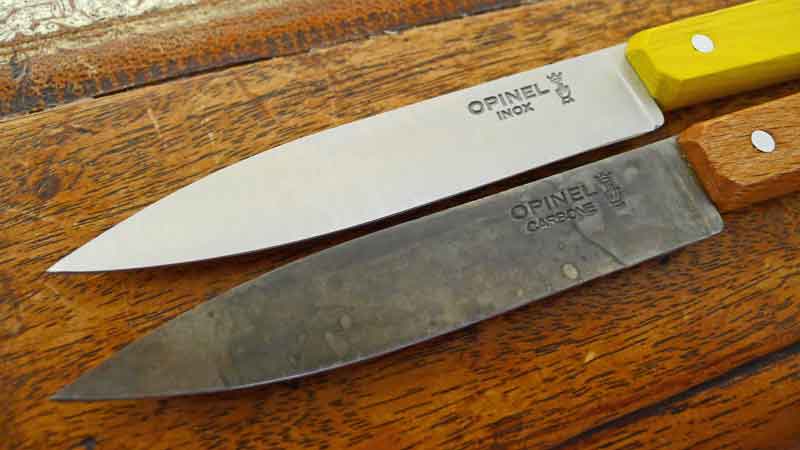
High-quality steel lasts longer and holds a sharp edge. Stainless steel resists rust and is easy to clean. Carbon steel sharpens easily but needs more care to avoid rust. Some knives have a core steel layered with softer metals for strength. Check the blade’s hardness, measured on the Rockwell scale. Harder blades stay sharp but can chip if used roughly.
Handle Comfort And Grip
Handle design affects control and comfort. Wooden handles feel warm and natural but need more care. Plastic or composite handles resist water and are low maintenance. Look for a handle that fits your hand well. A good grip reduces slipping and improves safety. Try holding different knives to find the best fit for you.
Cleaning Your Chef Knife
Cleaning your chef knife properly keeps it sharp and safe to use. Dirt, food particles, and moisture can damage the blade over time. Regular and careful cleaning protects the knife’s edge and handle. It also prevents rust and bacteria buildup. Follow simple steps to clean your knife right after use.
Hand Washing Techniques
Use warm water and mild dish soap for cleaning. Avoid harsh chemicals or abrasive sponges. Gently scrub the blade with a soft cloth or sponge. Clean both sides carefully, especially near the handle. Rinse well to remove all soap. Handle the knife carefully to avoid cuts.
Avoiding Dishwasher Damage
Dishwashers can harm your chef knife’s edge and handle. High heat and strong detergents dull the blade quickly. The knife may bump against other items and chip. The handle can crack or loosen from water pressure. Always wash your chef knife by hand instead.
Drying And Storing Properly
Dry the knife immediately after washing to stop rust. Use a soft towel and wipe both sides thoroughly. Avoid air drying as water spots can form. Store your knife in a knife block, magnetic strip, or blade guard. Proper storage keeps the blade sharp and safe.
Sharpening And Honing
Sharpening and honing are key steps to keep a chef knife in top shape. Both improve the knife’s cutting ability but work differently. Proper care extends the knife’s life and keeps it safe to use. Understanding the difference helps maintain a sharp edge for all kitchen tasks.
Difference Between Sharpening And Honing
Sharpening removes metal from the blade. It fixes dull edges by creating a new, sharp edge. Honing does not remove metal. It straightens the edge that bends or folds during use. Sharpening is needed less often, honing is done regularly. Both keep the knife effective and safe.
Using A Whetstone
A whetstone is a popular tool for sharpening knives. Soak the stone in water before use. Hold the knife at a 15 to 20-degree angle. Slide the blade across the stone evenly. Repeat on both sides until sharp. Use a finer grit stone to finish the edge. This method gives a clean, sharp blade.
Honing With A Steel Rod
A steel rod, or honing rod, realigns the knife’s edge. Hold the rod vertically with the tip on a surface. Swipe the knife blade down the rod at a 15-degree angle. Alternate sides with each swipe. Do 5 to 10 strokes per side. Honing keeps the blade straight and ready for use.
When To Seek Professional Sharpening
Professional sharpening helps when the blade is very dull or damaged. Experts use machines or hand tools for precise sharpening. It restores the blade better than home methods. Seek help if the knife chips, bends, or loses its shape. Regular professional care keeps your knife strong and sharp.

Safe Handling Practices
Safe handling practices are essential for any chef knife. They keep you safe and protect your knife. Using the right methods also makes cutting easier and more precise. Learning these simple habits helps you avoid accidents and keeps your knife sharp longer.
Cutting Techniques
Hold the knife firmly with your dominant hand. Use a claw grip with your other hand to hold the food. This keeps fingers safe from the blade. Cut with smooth, even motions. Avoid forcing the knife through food. Let the blade do the work. Use a rocking motion for chopping herbs or vegetables.
Proper Knife Storage
Store your chef knife in a knife block or magnetic strip. Keep the blade covered to avoid damage. Avoid tossing knives in drawers where they can bump other utensils. Proper storage keeps the blade sharp and prevents accidents. Make sure the knife is clean and dry before storing.
Transporting Your Knife Safely
Use a knife guard or sheath when moving your knife. Place the knife in a separate compartment or case. Keep the blade away from your body and others. Carry the knife with the tip pointing down. Secure the knife to avoid slipping or falling during transport.
Preventing Damage And Wear
Proper care keeps a chef knife sharp and long-lasting. Preventing damage and wear is key. Small steps protect the blade and handle from harm. This section covers simple ways to avoid common knife problems.
Avoiding Hard Surfaces
Hard surfaces like glass or stone can dull and chip the blade. Always avoid cutting on these materials. Metal or ceramic surfaces also cause damage. Choose softer surfaces to keep your knife sharp longer.
Using The Right Cutting Board
Wood or plastic cutting boards work best. They are gentle on the blade and easy to clean. Avoid boards with cracks or grooves. These can trap bacteria and dull the knife faster.
Regular Inspection And Maintenance
Check your knife often for nicks or dull spots. Sharpen the blade regularly to maintain cutting power. Tighten loose handles to prevent accidents. Clean and dry the knife after each use to stop rust.
Extending The Life Of Your Chef Knife
Extending the life of your chef knife helps you save money. It also keeps your kitchen safe and efficient. Proper care and maintenance ensure the blade stays sharp and strong. Small habits make a big difference over time. Here are key tips to keep your knife in top shape.
Routine Care Tips
Clean your knife right after use. Wash it by hand with warm water and mild soap. Avoid the dishwasher, as it can dull the blade. Dry the knife completely before storing it. Sharpen the blade regularly using a whetstone or sharpening tool. Honing the edge with a steel rod keeps it aligned. Handle the knife gently to avoid drops or knocks.
Storing For Long-term Use
Store your knife in a safe place to protect the blade. Use a knife block or magnetic strip to keep it secure. Avoid tossing knives in drawers with other utensils. Wrap the blade in a cloth or sheath for extra protection. Keep the knife dry to prevent rust and corrosion. Proper storage helps maintain the edge and prevents damage.
Recognizing When To Replace
Watch for signs of wear like chips or cracks in the blade. A blade that won’t hold an edge may need replacing. Loose handles can make the knife unsafe. If rust spots don’t come off, it might be time for a new knife. Using a damaged knife can be dangerous. Replace your chef knife when it no longer works well.

Frequently Asked Questions
How Often Should I Sharpen My Chef Knife?
Sharpen your chef knife every 1 to 3 months, depending on use. Regular sharpening maintains a sharp edge and improves cutting performance. Frequent honing between sharpenings helps keep the blade aligned and extends the sharpness.
What Is The Best Way To Clean A Chef Knife?
Hand wash your chef knife with warm, soapy water immediately after use. Avoid dishwashers as they can dull the blade and damage the handle. Dry the knife thoroughly to prevent rust and maintain hygiene.
How Should I Store My Chef Knife Safely?
Store your chef knife in a knife block, magnetic strip, or protective sheath. Proper storage protects the blade from damage and ensures safety. Avoid placing knives loosely in drawers to prevent dulling and accidents.
Can I Use A Chef Knife On Hard Surfaces?
Avoid cutting on hard surfaces like glass or stone. Use cutting boards made of wood or plastic to preserve the blade’s edge. Hard surfaces can quickly dull or chip your chef knife.
Conclusion
Proper care keeps your chef knife sharp and safe to use. Clean it gently by hand after every use. Dry it well to avoid rust and damage. Sharpen regularly to maintain a strong, sharp edge. Store your knife in a safe place, like a block or magnetic strip.
Small steps make a big difference in your knife’s life. Take care today, and your knife will serve you well for years. Simple habits protect your tool and help you cook better.

